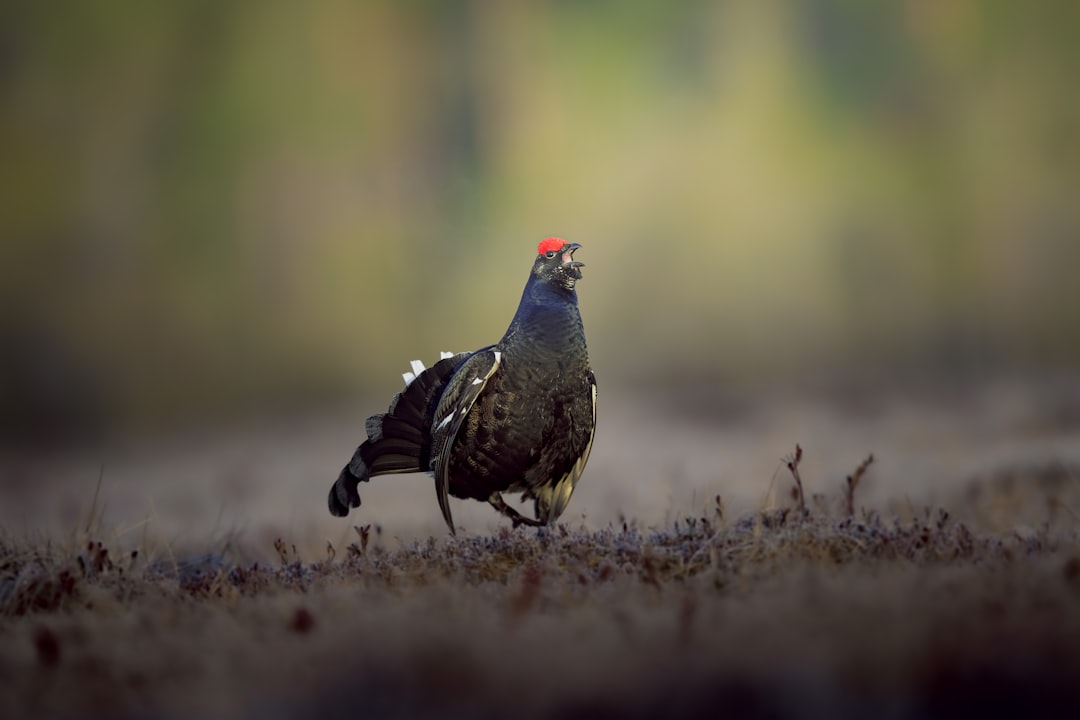
Have you ever wondered Is Pheasant a Forest Upland Bird? If you’re curious about where these colorful birds live and thrive, you’re in the right place.
Understanding whether pheasants are forest upland birds can change the way you see nature around you. Keep reading, and you’ll discover surprising facts that might just change how you spot and appreciate these fascinating creatures. Your next outdoor adventure could be much more exciting with this knowledge.
Credit: huntwise.com
Pheasant Habitat Basics
Pheasants are ground birds that live in many places. Their homes are important for food and shelter.
Understanding where pheasants live helps us protect them better. They need safe spots to breed and hide.
Typical Environments
Pheasants live in areas with a mix of fields, grass, and trees. They like places with cover to hide from predators.
They often live near farms, grassy fields, and light woods. These places give them food and safe spots to rest.
- Open fields with tall grass
- Edges of forests
- Brushy areas near farms
Forest Vs Upland Areas
Pheasants prefer upland areas more than deep forests. Uplands have open spaces and low plants for cover.
Forests can be too dark and dense for pheasants. They use forest edges but not thick woods. Upland areas offer better food and nesting places.
- Upland: open, grassy, with shrubs
- Forest edges: some trees, some open space
- Dense forest: less suitable for pheasants
Seasonal Habitat Changes
Pheasant habitats change with seasons. In spring, they need thick cover for nesting and raising chicks.
In winter, they move to areas with more food and shelter from cold and wind. They may use brush piles or dense grass.
- Spring: dense grass and shrubs for nests
- Summer: open fields with food plants
- Fall: edges of fields with seeds
- Winter: dense cover for warmth and safety
Behavior And Movement Patterns
Pheasants are birds often found in forest upland areas. Their behavior and movement help them survive in these habitats.
Understanding how pheasants act and move gives us insight into their daily lives and habits.
Daily Activity
Pheasants are mostly active during the day. They spend time searching for food and staying alert for danger.
They rest at night in dense cover to stay safe from predators.
- Feed mostly in the morning and late afternoon
- Rest in thick bushes or tall grasses at night
- Use sharp calls to communicate with others
Flight And Ground Habits
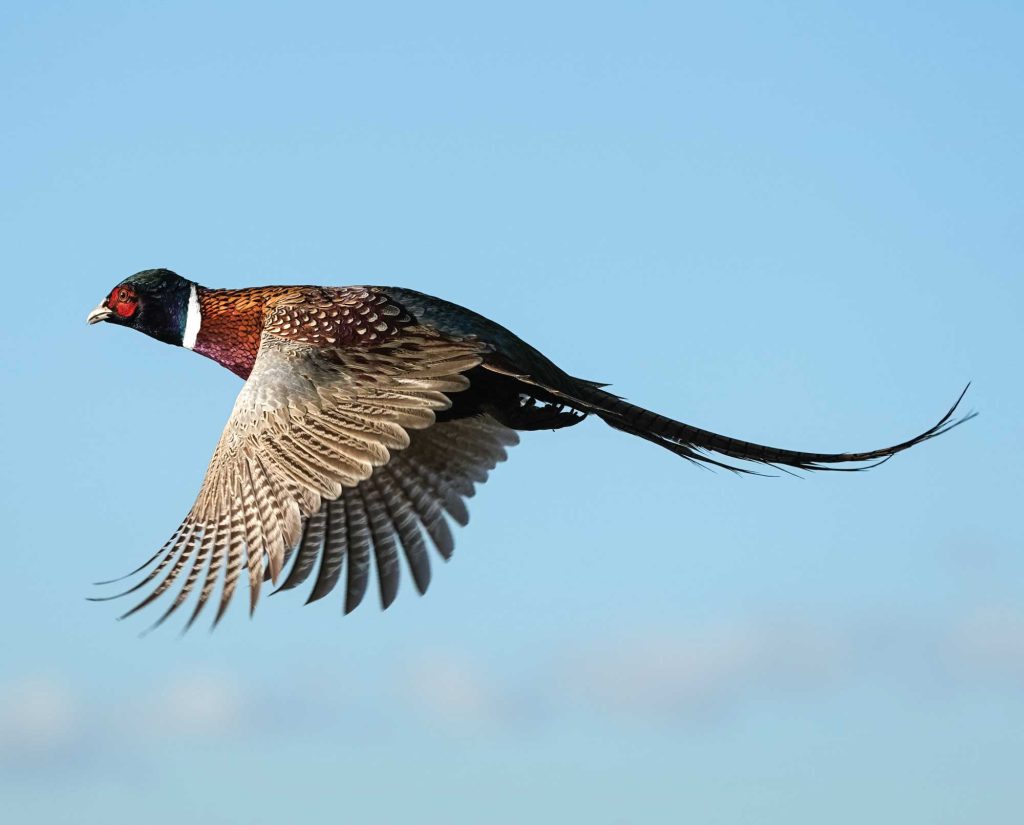
Pheasants prefer to stay on the ground but can fly short distances. They fly to escape danger quickly.
On the ground, they walk and run while looking for seeds, insects, and plants to eat.
- Fly low and fast for short distances
- Run to avoid threats before flying
- Scratch the ground to find food
Migration Tendencies
Pheasants do not migrate like some birds. They usually stay in the same area all year.
They adapt to seasonal changes by finding shelter and food in different parts of their habitat.
- Non-migratory birds
- Move locally to find food and shelter
- Stay in forest upland areas year-round
Adaptations To Different Landscapes
Pheasants are birds that live in many kinds of places. They can live in forests, open fields, and upland areas. Their bodies and behaviors help them survive in these different homes.
Understanding how pheasants adapt shows us why they can live in both forest and upland areas. Their ways of hiding, finding food, and nesting all change with their surroundings.
Camouflage And Protection
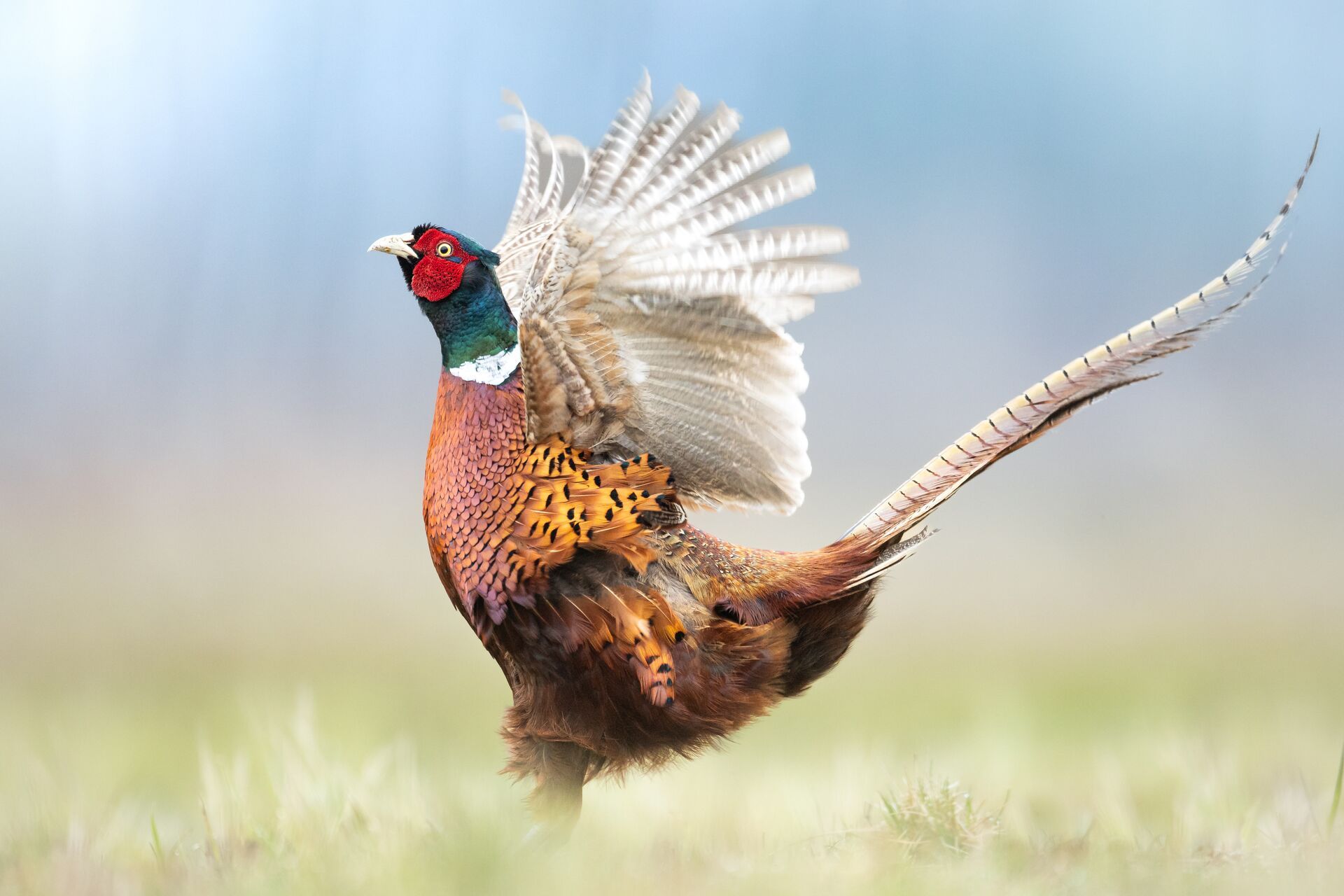
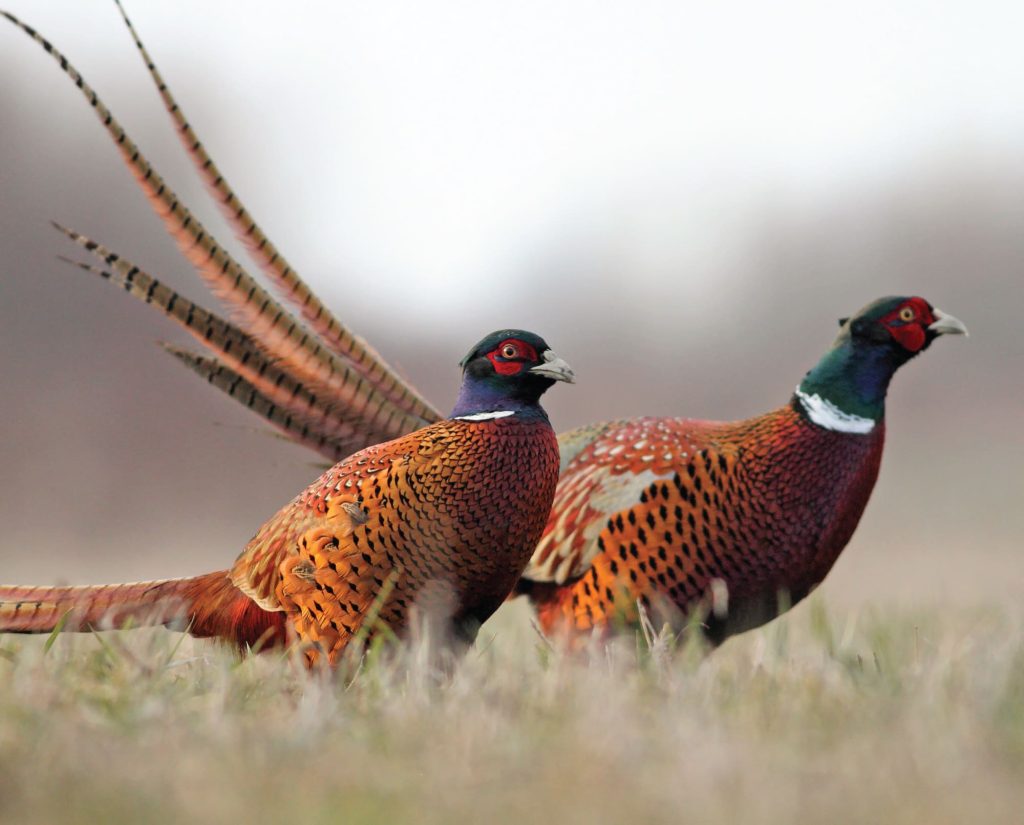
Pheasants use their colors and patterns to blend into the environment. This helps them hide from predators. Their feathers often match the browns and greens of plants and soil.
- Brown and gold feathers match dry grass and leaves.
- Dark spots break up their body shape in shadows.
- They stay still to avoid being seen.
- Sharp eyesight helps them spot danger early.
Foraging Strategies
Pheasants eat seeds, insects, and plants. Their food choices change with the landscape. They look for food on the ground and in low bushes.
| Landscape | Common Food |
| Forest | Insects, berries, nuts |
| Upland Fields | Seeds, grains, small insects |
| Mixed Areas | Plants, worms, seeds |
Nesting Preferences
Pheasants build nests on the ground. They choose places that give cover and safety. The location depends on the type of landscape.
- In forests, nests are hidden under thick bushes or fallen leaves.
- In upland areas, nests are placed in tall grasses or near shrubs.
- They avoid open places to keep eggs safe from predators.
- Female pheasants often use camouflage to protect the nest.
Credit: projectupland.com
Interactions With Forest Ecosystems
Pheasants live in forest upland areas and interact with many parts of the forest. They play a role in the balance of nature in these spaces.
Understanding pheasants helps us see how they affect and depend on forest life around them.
Role In Forest Food Chains
Pheasants eat seeds, insects, and small plants. They help control insect numbers and spread seeds in the forest. This supports new plant growth and keeps the food chain steady.
- Consume insects and small animals
- Spread seeds through droppings
- Serve as food for larger animals
Impact On Vegetation
Pheasants affect the plants in the forest by feeding on shoots and seeds. Their feeding can help some plants grow by clearing old leaves and spreading seeds.
| Vegetation Impact | Effect |
| Seed Consumption | Controls some plant growth |
| Seed Dispersal | Helps new plants grow |
| Feeding on Shoots | Can limit young plant growth |
Predators And Threats
Pheasants face many predators in forests. These include foxes, hawks, and snakes. Human activity also threatens their homes and safety.
Common predators and threats to pheasants:
- Foxes
- Hawks and other birds of prey
- Snakes
- Habitat loss from logging
- Hunting by humans
Presence In Upland Regions
Pheasants are often found in upland regions. These birds live in areas with higher ground and varied terrain.
They prefer places that offer cover and food sources. Upland regions provide these needs well.
Preferred Upland Features
Pheasants like upland areas with thick grass and shrubs. They need places to hide from predators.
Fields with scattered trees and clear water sources are ideal. These features help them find food and stay safe.
- Dense grass cover for nesting
- Mixed woodlands for shelter
- Open fields for feeding
- Nearby water sources
Population Distribution
Pheasant populations are common in upland farmlands and grasslands. They spread across many parts of North America and Asia.
Population size varies with habitat quality. Good upland habitats support larger groups of pheasants.
- High numbers in mixed agricultural uplands
- Lower numbers in dense forests
- Populations fluctuate with weather and hunting pressure
Human Influence On Upland Habitats
Humans change upland habitats by farming and building. These changes can reduce or improve pheasant areas.
Conservation efforts help maintain good upland habitats. Planting cover crops and limiting pesticides support pheasant survival.
- Farming can remove natural cover
- Habitat restoration helps increase populations
- Hunting regulations protect pheasants
- Urban growth often reduces upland spaces
Conservation And Management
Pheasants live in both forest and upland areas. Their survival depends on good care of these lands. Protecting their homes helps keep their numbers steady.
People work to keep pheasant habitats safe. They balance the needs of forests and uplands. This support helps pheasants thrive now and in the future.
Habitat Preservation Efforts
Efforts focus on keeping forest and upland habitats healthy. This includes stopping deforestation and controlling invasive plants. These actions protect food and shelter for pheasants.
- Plant native trees and shrubs
- Limit land clearing for farming
- Create protected zones in forests
- Manage grasslands to prevent overgrowth
Balancing Forest And Upland Needs
Forest and upland areas offer different benefits to pheasants. Forests provide cover from predators. Uplands offer open spaces for feeding. Managers work to keep both habitats available.
| Habitat Type | Benefits to Pheasants |
| Forest | Protection, nesting sites |
| Upland | Feeding areas, space to roam |
| Edge Zones | Mix of cover and food |
Future Research Directions
Scientists study how changes in land use affect pheasants. They test new ways to improve habitats. Research helps guide better management practices.
Key research topics include:
- Effects of climate change on pheasant ranges
- Best planting methods for food and cover
- Impact of hunting on population balance
- Use of technology in tracking pheasant movement
Credit: projectupland.com
Frequently Asked Questions
Is The Pheasant Considered A Forest Upland Bird?
Yes, pheasants are often classified as forest upland birds. They prefer wooded areas with dense cover and nearby open fields for foraging. These habitats provide food, shelter, and nesting sites crucial for their survival.
What Habitats Do Pheasants Typically Occupy?
Pheasants inhabit mixed environments including forests, grasslands, and upland areas. They thrive in regions with a combination of trees, shrubs, and open fields. This diversity offers protection and abundant food sources.
Do Pheasants Prefer Upland Or Lowland Areas?
Pheasants mainly prefer upland areas with dense vegetation. Uplands provide safer nesting sites away from flooding and predators. They use lowlands mainly for feeding but avoid it during nesting season.
How Does Forest Upland Habitat Benefit Pheasants?
Forest uplands offer pheasants ample cover from predators and harsh weather. The varied plant life supports insects and seeds, their primary diet. This habitat also facilitates breeding and raising chicks safely.
Conclusion
Pheasants thrive in diverse habitats, including forests and uplands. These adaptable birds adjust to different environments with ease. Their presence in forests and open fields highlights their versatility. Understanding their habitats helps in promoting conservation. Birdwatchers enjoy spotting pheasants in various settings.
Their vibrant colors make them a favorite among nature lovers. Observing these birds enriches outdoor experiences. Protecting their habitats ensures their survival. Pheasants add beauty to the natural world. Enjoy their presence in your local surroundings. Their role in ecosystems is significant.
Appreciate pheasants for their uniqueness and adaptability.