Have you ever watched birds in your backyard and wondered why some stay all year while others disappear with the seasons? Understanding the difference between Resident Birds Vs Migratory Birds can change how you see the world outside your window.
This knowledge not only connects you more deeply with nature but also helps you appreciate the incredible journeys many birds take. Keep reading to discover what makes these birds unique and how their habits affect your local environment.
Resident Birds
Resident birds live in the same area all year. They do not travel long distances to find food or warmth.
These birds adapt well to their environment. They stay through all seasons, facing cold or heat.
Characteristics Of Resident Birds
Resident birds have habits that help them stay in one place all year. They find food nearby and make nests in safe spots.
They often have strong territory instincts. They defend their area from other birds to keep food and shelter.
- Stay in one region year-round
- Build nests close to food sources
- Defend their territory strongly
- Adapt to local weather changes
Common Examples
Many birds are resident birds. These include some familiar species you can see any season.
- House Sparrow
- Blue Jay
- Cardinal
- Woodpecker
- Robin (in some areas)
Adaptations For Year-round Living
Resident birds have special traits to survive all year. Their bodies and behavior help them handle cold winters and hot summers.
They may change their diet based on the season. Some grow thicker feathers to stay warm or find new shelter during storms.
- Thicker feathers in winter for warmth
- Flexible diet changes with seasons
- Use local shelters like tree holes
- Store food for tough times
Credit: www.allaboutbirds.org
Migratory Birds
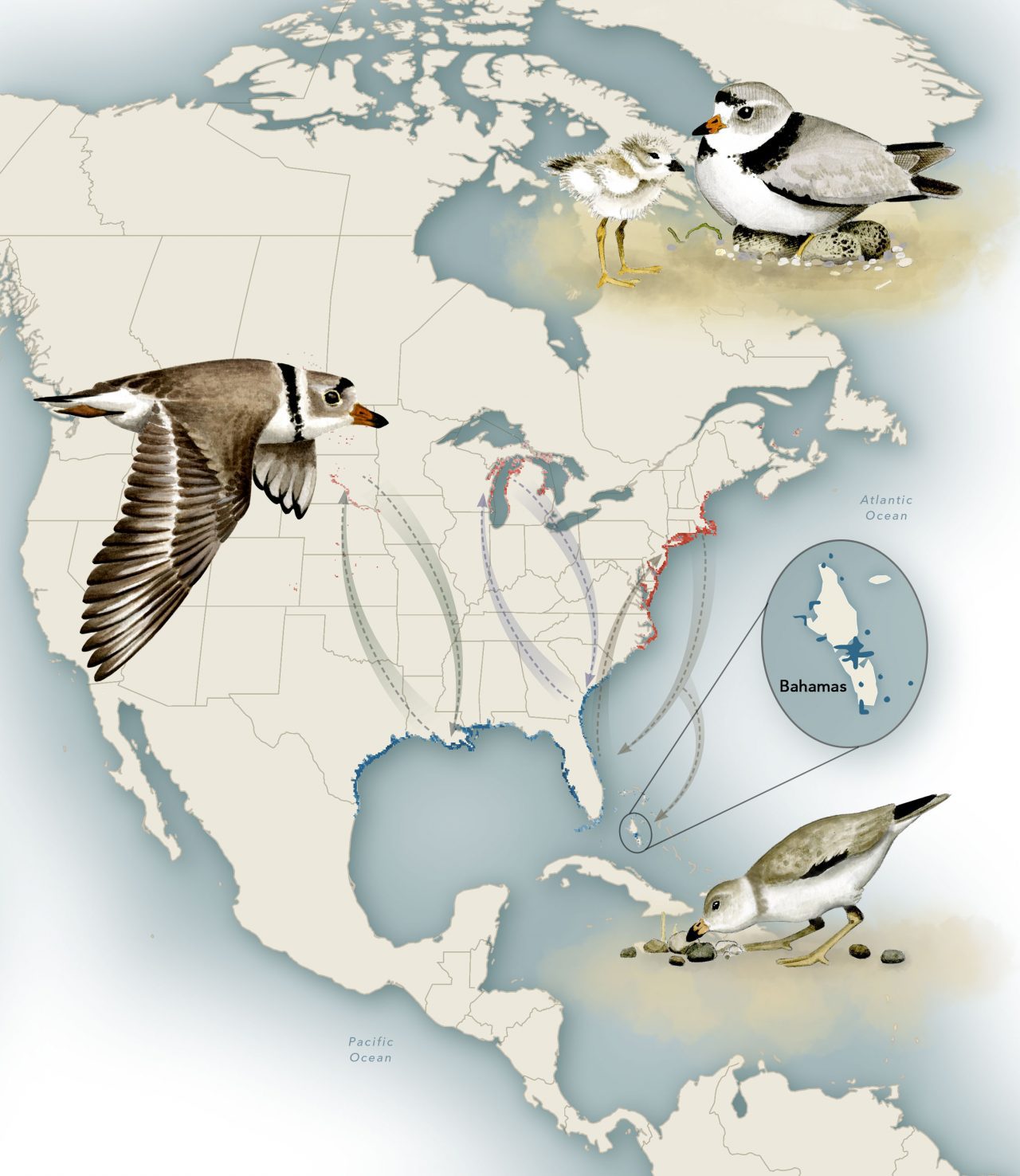
Migratory birds travel long distances every year. They move between breeding and wintering areas.
These birds adapt to different climates and habitats during their journey. Migration helps them survive and reproduce.
Traits Of Migratory Birds
Migratory birds have special traits to help them travel far. They often have strong wings and good stamina.
Many can navigate using the sun, stars, and Earth’s magnetic field. Their bodies change to store extra fat for energy.
- Strong and long wings for flying
- Excellent navigation skills
- Ability to store fat as fuel
- Seasonal changes in body and behavior
Popular Migratory Species
Many bird species migrate each year. Some are well-known for their long flights and beautiful patterns.
- Arctic Tern – flies between Arctic and Antarctica
- Swallow – travels from Europe to Africa
- Canada Goose – moves between North America and warmer south
- Monarch Butterfly (not a bird but often noted for migration)
Reasons For Migration
Birds migrate mainly to find food and better living conditions. Cold winters reduce available food in some areas.
They also move to safe places to raise their young. Migration helps birds avoid predators and harsh weather.
- Search for food during winter
- Find warmer climates
- Locate safe breeding sites
- Avoid predators and bad weather
Key Differences Between Resident And Migratory Birds
Birds live in many places around the world. Some stay in the same area all year. Others travel long distances with the seasons. These are called resident and migratory birds.
Understanding the differences helps us learn how birds survive and adapt. It also shows how they use the environment in different ways.
- Ecologists clarify the complexity: “Migration isn’t always black and white. Many species, such as the American Robin, exhibit partial migration, where populations in the northern range migrate south, while populations in milder southern climates remain resident year-round. This flexibility allows the species to maximize survival based on local severity.”
Habitat And Range
Resident birds stay in one area all year. They live where food and shelter are available all seasons. They often live in forests, cities, or gardens.
Migratory birds change locations with seasons. They move to warmer places in winter. In summer, they return to cooler areas to breed and feed.
- Resident birds: fixed range, local habitat
- Migratory birds: wide range, seasonal habitats
Behavioral Patterns
Resident birds have steady daily routines. They search for food and protect territory year-round. Their behavior stays mostly the same each season.
Migratory birds show seasonal behavior changes. They prepare to travel long distances by resting and feeding more. They also follow specific routes called flyways.
- Resident birds: consistent behavior daily and yearly
- Migratory birds: change behavior with seasons
Breeding And Nesting
Resident birds breed in their home area each year. They build nests where food is easy to find. They may raise multiple broods per year.
Migratory birds breed only in certain seasons and places. They travel to safe areas with good food and fewer predators. Nesting is timed with favorable weather.
- Resident birds: breed locally, multiple times per year
- Migratory birds: breed seasonally, in special locations
Physical Adaptations
Resident birds have physical traits suited for their steady environment. Their wings and bodies support short flights and quick movements.
Migratory birds have strong wings and muscles for long flights. They store fat to use as energy during migration. Their bodies are built for endurance.
- Resident birds: adapted for local movement
- Migratory birds: built for long-distance flying
- Physiologists detail the transformation: “Before migration, birds enter a state called hyperphagia (extreme eating), where they can double their body weight in fat reserves within weeks. This isn’t just weight gain; their internal organs actually shrink to make room for fuel, and their flight muscles hypertrophy (grow larger) to power the immense journey.”
Survival Strategies
Resident birds survive by finding shelter and food year-round. They hide from predators and use local resources carefully.
Migratory birds avoid harsh weather by moving to better climates. They use energy stores and follow safe routes to survive long journeys.
- Resident birds: adapt to local changes, use shelter
- Migratory birds: migrate to avoid tough conditions
Credit: www.researchgate.net
Impact On Ecosystems
Birds play a key role in nature. Resident and migratory birds affect ecosystems differently. Their presence helps keep balance.
Understanding their roles shows how they support plants, animals, and the environment.
Role Of Resident Birds
Resident birds live in one area all year. They help control pests by eating insects. They spread seeds that grow new plants. Their nests provide homes for other small creatures.
Role Of Migratory Birds
Migratory birds travel between places with the seasons. They bring nutrients from one ecosystem to another. They also pollinate flowers and disperse seeds far away. These actions support plant growth in many areas.
- Transport nutrients across regions
- Pollinate plants during migration
- Help control pests in multiple habitats
- Connect ecosystems by their movements
Interactions Between Both Types
| Interaction | Effect on Ecosystem |
| Competition for Food | May limit resources for some species |
| Shared Nesting Areas | Creates diverse habitats for many animals |
| Seed Dispersal | Improves plant diversity and growth |
| Predator-Prey Balance | Controls population levels in ecosystems |
Challenges Faced
Resident birds live in the same area all year. Migratory birds travel long distances each year. Both types face many challenges in their lives.
These challenges can affect their survival and the balance of nature. Understanding these problems helps us protect them better.
Threats To Resident Birds
Resident birds face threats mostly from their local environment. Changes in their home area can harm their food and shelter.
Human activities like cutting down trees and building cities reduce their habitats. Pollution and pesticides also harm them and their food sources.
- Loss of habitat due to deforestation
- Pollution of air, water, and soil
- Use of harmful pesticides
- Predators introduced by humans
- Climate changes altering their home area
Threats To Migratory Birds
Migratory birds face dangers during their long journeys. They need safe places to rest and find food along their routes.
Changes to wetlands, forests, and fields along migration paths can stop them from surviving. Hunting and collisions with buildings or vehicles also cause harm.
- Loss of stopover habitats for rest and food
- Climate change affecting migration timing
- Hunting and trapping in some regions
- Collisions with windows, towers, and vehicles
- Pollution affecting water and food sources
Conservation Efforts
People work to protect both resident and migratory birds. They create safe habitats and laws to reduce harm.
Programs help restore natural places and educate others about birds. Tracking bird routes helps protect important areas for migration.
- Protecting forests, wetlands, and grasslands
- Creating bird sanctuaries and reserves
- Passing laws against hunting and pollution
- Restoring damaged habitats
- Using bird-friendly building designs
- Raising public awareness about bird safety

Credit: iowacapitaldispatch.com
Frequently Asked Questions
What Defines Resident Birds Compared To Migratory Birds?
Resident birds live in the same area year-round. Migratory birds travel seasonally to different regions for food and breeding. This movement helps migratory birds survive harsh weather and find resources not available locally.
Why Do Some Birds Migrate While Others Stay?
Birds migrate to find better climate and food sources. Resident birds stay because their habitat provides enough resources year-round. Migration is an adaptation to changing environmental conditions and survival needs.
How Do Migratory Birds Navigate Their Routes?
Migratory birds use the sun, stars, magnetic fields, and landmarks to navigate. They have an innate ability to follow specific routes annually. This helps them reach breeding or feeding grounds accurately.
Are Resident Birds More Adaptable Than Migratory Birds?
Resident birds adapt to local seasonal changes without relocating. Migratory birds adapt by traveling long distances to suitable habitats. Both types have evolved strategies to survive their environments effectively.
Conclusion
Understanding resident and migratory birds is fascinating. Resident birds stay in one place year-round. They adapt to local environments. Migratory birds travel long distances seasonally. They seek better climates and resources. Both types play vital roles in ecosystems. They contribute to biodiversity and balance.
Observing them can be a joyful experience. It enriches our connection to nature. Knowing their habits helps conservation efforts. Protecting their habitats ensures their survival. Birdwatching can inspire appreciation and care for wildlife. Embrace the beauty of these feathered wonders.
They’re a testament to nature’s incredible diversity.