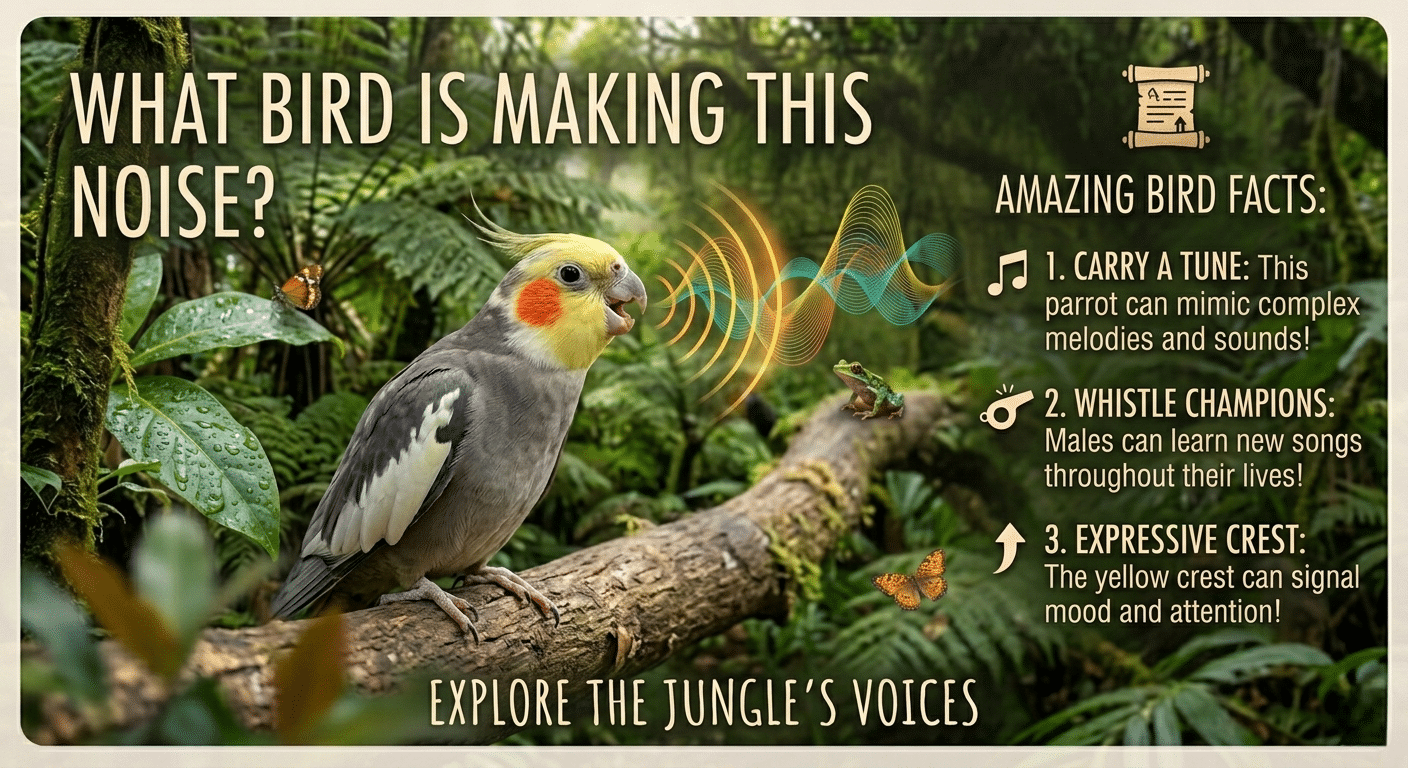
Have you ever paused outside and caught a long, clear whistle soaring through the air? That sound might have sparked your curiosity—what bird could be behind such a melody?
You’re not alone. Many people hear these whistle-like calls and wonder the same thing: What Bird Makes a Long Whistle Sound? You’ll discover the surprising birds that make these distinctive long whistles. By the end, you’ll be able to recognize these sounds whenever you hear them, turning your everyday walks into a fascinating birdwatching experience.
Ready to find out which birds are whistling your tune? Let’s dive in.
Credit: lafeber.com
Birds Known For Long Whistles
Many birds use long whistles as part of their calls. These sounds help birds communicate with each other. Birdwatchers often recognize birds by their whistle patterns.
Long whistles can carry far through forests or open fields. Some birds have simple whistles, while others use complex tunes. This makes their calls unique.
Common Species With Whistling Calls
Several bird species are well known for their long whistles. These birds use whistles for mating, marking territory, or warning others. Here are some common species:
- Northern Cardinal
- Eastern Wood-Pewee
- Wood Thrush
- American Robin
- Black-capped Chickadee
The Northern Cardinal’s whistle is clear and sweet. The Wood Thrush uses a flute-like series of whistles. Each bird has a different whistle that helps identify it.
Unique Whistle Patterns
Birds create unique whistle patterns to stand out. These patterns can include changes in pitch, length, and rhythm. Some birds even mimic sounds from their environment.
| Bird Species | Whistle Pattern | Purpose |
| Northern Cardinal | Clear, rising whistle | Mate attraction |
| Wood Thrush | Flute-like double whistle | Territory marking |
| American Robin | Repeated short whistles | Communication |
| Eastern Wood-Pewee | Slow, descending whistle | Warning calls |
Purpose Of Long Whistles
Many birds use long whistles as a way to communicate. These sounds can travel far through the air.
Long whistles serve different purposes depending on the bird’s needs and environment.
Communication And Territory
Birds use long whistles to mark their territory. The sound warns other birds to stay away.
These whistles help birds communicate with others in their area without physical contact.
- Signals ownership of a space
- Prevents fights with neighbors
- Maintains clear boundaries
Mating And Attraction
Birds also use long whistles to attract mates. A strong whistle shows good health and strength.
The sound can help a bird stand out to potential partners in a noisy environment.
- Attracts females during breeding season
- Shows fitness and vitality
- Helps birds find each other
Warning Signals
Long whistles can alert other birds to danger. They warn about predators or threats nearby.
The sound helps the flock stay safe by signaling when to hide or fly away.
- Alerts to predators
- Warns of approaching danger
- Helps protect the group
How Birds Produce Whistle Sounds
Birds make whistle sounds using special body parts. These sounds help them communicate with others. Some birds create long, clear whistles that carry far.
Understanding how birds produce these sounds shows their unique vocal skills. Their anatomy and techniques work together for long whistle notes.
Anatomy Of Bird Vocalization
Birds use a voice box called the syrinx. It sits where the windpipe splits into the lungs. The syrinx has membranes that vibrate to make sounds.
- The syrinx muscles control the pitch and tone.
- Air pressure from the lungs helps produce sound.
- Some birds have two sound sources, allowing complex whistles.
- The shape of the beak changes the sound's quality.
Techniques For Extended Notes
Birds use special methods to hold long notes. They control their breath and muscle tension carefully. This helps them keep whistles steady and long.
| Technique | Description |
| Breath Control | Slow and steady air flow to sustain sound |
| Muscle Tension | Adjusting syrinx muscles for tone and length |
| Dual Syrinx Use | Using both sides of syrinx for complex whistles |
| Beak Shape | Changing shape to modify sound clarity |

Credit: www.youtube.com
Identifying Birds By Whistle
Bird whistles are unique sounds that help us recognize different species. Listening closely to these whistles can reveal a lot about the bird.
Some birds make long whistle sounds that stand out in nature. Learning to identify these can make birdwatching more fun and rewarding.
Listening Tips
To identify birds by their whistles, focus on the sound’s length, pitch, and pattern. Notice if the whistle is clear or buzzy and if it repeats.
- Find a quiet place to listen without distractions.
- Use headphones to hear subtle sounds better.
- Try to remember or write down the whistle’s rhythm.
- Pay attention to the environment where you hear the sound.
- Practice listening regularly to improve your skills.
Using Apps And Tools
Several apps can help you identify birds by their whistles. These tools use sound recognition to compare your recording with a database.
| App Name | Key Feature | Platform |
| Merlin Bird ID | Sound recording and ID help | iOS, Android |
| Song Sleuth | Automated song recognition | iOS |
| BirdNET | AI-based sound analysis | iOS, Android |
Famous Birds With Iconic Whistles
Many birds make long whistle sounds that are easy to recognize. These whistles help them communicate and mark their territory. Some birds are famous for their unique and clear whistles.
In this post, we explore three birds known for their long whistles. Each bird has a special sound that sets it apart in nature.
Common Loon
The Common Loon has a haunting and long whistle. It sounds like a high, clear call over lakes. Loons use their whistles to find mates and warn others.
- Sound type: High-pitched whistle
- Purpose: Communication and mating
- Habitat: Freshwater lakes
- Time heard: Mostly at dawn and dusk
Eastern Whip-poor-will
The Eastern Whip-poor-will makes a fast, long whistle that sounds like its name. The bird repeats the call many times in a row. This helps it mark its territory at night.
| Feature | Details |
|---|---|
| Whistle Style | Rapid repeated call |
| Active Time | Night and twilight |
| Purpose | Territory marking |
| Range | Eastern North America |
Northern Mockingbird
The Northern Mockingbird is known for its long whistles and many other sounds. It can copy other birds and even sounds from the city. Its whistle is clear and musical.
- Can mimic multiple bird calls
- Long, clear whistles are common
- Often sings during the day and night
- Found in many parts of North America
Whistle Variations Across Regions
Birds use whistles to communicate in different ways. These sounds change depending on where the bird lives. Understanding these changes helps us learn about bird behavior.
Some birds make long whistle sounds that vary by region. These differences show how birds adapt to their environment.
Geographical Differences
Bird whistles vary in pitch, length, and pattern across regions. Birds from different areas develop unique calls to fit their surroundings.
- Mountain birds often have higher-pitched whistles to travel through dense trees.
- Birds near water use longer whistles to carry sound over distances.
- Urban birds may have shorter, sharper whistles to stand out in noisy areas.
- Forest birds use complex whistle patterns to communicate clearly among thick leaves.
Seasonal Changes In Calls
Birds change their whistles with the seasons. These changes help with mating and marking territory.
| Season | Whistle Characteristics |
| Spring | Long, clear whistles for attracting mates |
| Summer | Variable whistles for communication within groups |
| Fall | Shorter whistles to avoid predators |
| Winter | Simple whistles for keeping contact in flocks |
Tips For Birdwatching Whistle Sounds
Many birds use long whistle sounds to communicate. Learning to hear these whistles helps you find and identify birds. Listening carefully can improve your birdwatching experience.
Different birds whistle at different times and places. Knowing the best times and ideal locations makes it easier to hear their calls. This guide shares helpful tips for listening to bird whistles.
Best Times To Listen
Birds often whistle during certain parts of the day. Early morning is the best time to hear long whistles. Birds are most active then and use their calls to mark territory or attract mates.
- Listen just after sunrise when the air is calm.
- Try late afternoon before dusk for more bird sounds.
- Avoid windy or rainy days because noise can block whistles.
Ideal Locations
Some places are better for hearing bird whistles. Look for areas with trees and open spaces. Water near woodlands can also attract birds that whistle loudly.
| Location Type | Why It Works |
| Forest edges | Birds use whistles to communicate across clearings. |
| Near rivers or lakes | Water attracts birds and reflects sound well. |
| Open fields with scattered trees | Birds whistle to mark territory in open areas. |
Credit: www.discovermagazine.com
Frequently Asked Questions
What Bird Makes A Long Whistle Sound?
The Northern Mockingbird is well-known for its long whistle sounds. It can mimic various bird calls and noises.
Why Do Birds Produce Long Whistling Sounds?
Birds use long whistles to communicate, attract mates, and mark territory. These sounds carry well in open areas.
Which Birds Are Famous For Melodic Whistles?
Birds like the Whip-poor-will, Eastern Whipbird, and certain thrush species are famous for their melodic whistles.
How Can I Identify A Bird By Its Whistle?
Listen carefully to pitch, rhythm, and repetition. Use bird sound apps or guides to match the whistle.
Conclusion
Identifying birds by their sounds can be fascinating. The long whistle is a unique bird call. Often, birds like the Northern Cardinal or the Whistling Duck might be the source. Observing and listening closely can enhance your birdwatching experience. Patience is key.
Birds communicate with their sounds and songs. Understanding these can connect you more to nature. Happy birdwatching! Enjoy the melodies of our feathered friends. Always keep your ears open for those intriguing whistles. They tell stories of the wild. Appreciate the diverse world of bird sounds around you.