Have you ever stopped to listen closely and wondered, "What bird makes a single chirp?" That brief, simple sound might seem easy to miss. Yet, it holds a whole world of meaning. You were curious about those quick, solitary chirps nearby. This article is just for you.
You will finish reading this and recognize the bird that made that sound. You will also understand why it chirps so briefly. Are you ready to find the secret in one single chirp? Let's dive in.
Finding the Single Chirp
Birds use chirps to talk in many ways. Some birds make one chirp instead of a long song.
Knowing a single chirp helps you find the bird nearby. It sounds short and very clear.
What a Single Chirp Sounds Like
A single chirp is a very brief sound. It lasts less than one second. It has one clear note.
The sound can be sharp or soft. It repeats slowly most of the time. It is not a fast song.
-
It lasts under one second.
-
It has a single, clear note.
-
It is simple and easy to hear.
-
It is used for warnings or contact.
- The National Geographic Field Guide to the Birds of North America emphasizes the critical nature of these sounds: "Bird calls—simple, short vocalizations like chirps—are the essential language of survival. Unlike songs, which are primarily for mating and territory, calls are used year-round for immediate, life-or-death communication: alerting the flock to danger, indicating food, or maintaining contact in dense foliage."
Birds That Make Simple Calls
Many common birds use single chirps. These calls help them stay safe. They also help them find other birds.
-
Chickadees: Use a clear "chick" sound.
-
Sparrows: Make short chirps for warnings.
-
Wrens: Have sharp, single notes.
-
Nuthatches: Use quick chirps to call mates.

Credit: www.birdwatchingdaily.com
Birds Known for One Chirp
Many birds use simple sounds to talk. A single chirp can mean many things. Some birds are known for just one clear chirp.
This short call helps birds mark their home. It warns others. It also helps them find a mate. Let's look at some single-chirp birds.
The Eastern Phoebe
The Eastern Phoebe is small. It often lives near water. It makes a sharp, single chirp sound. This chirp helps it protect its area from other birds.
Its call is short and clear. You hear it easily in quiet places. The bird uses this sound to stay alert. It keeps other birds away.
The Black-capped Chickadee
The Black-capped Chickadee is famous for its "chick-a-dee" call. It often uses a single chirp for quick warnings. This bird is very social. It uses its calls to talk to the flock.
-
A single chirp warns of nearby danger.
-
It is used to find others in the flock.
-
It helps signal where food is located.
The House Sparrow
The House Sparrow is common in cities. Its single chirp is a short, sharp sound. This chirp is a part of its simple way of talking.
Reasons for Single Chirps
Birds use different sounds to share news. A single chirp is a simple, clear way to talk.
Many birds chirp once. They say something important without many sounds.
Territory and Talking
A single chirp helps birds mark their space. It warns other birds to stay away.
-
It shows ownership of a nest or feeding area.
-
It stops fights by warning other birds.
-
It helps keep a safe distance between birds.
Calling a Mate
Birds use single chirps to attract mates. A short, clear sound gets attention fast.
Alarm Signals
Birds use single chirps to warn of danger. The quick sound alerts others to hide fast.
-
It warns about predators nearby.
-
It signals sudden, quick threats.
-
It helps the flock stay safe together.
Credit: lafeber.com
Where and When to Listen
Some birds make one chirp instead of long songs. These sounds help birds talk quickly.
You can hear single chirps in many spots. You hear them at certain times of day. Knowing this helps you listen better.
Best Habitats for Single Chirps
Birds that make single chirps live everywhere. They use chirps to warn or find mates. They do not need loud songs.
These places often have thick trees or bushes. The short chirp travels well in these areas.
-
Forests and woods with thick leaves.
-
Gardens and fields with many shrubs.
-
City parks with plenty of trees.
-
Wetlands with tall grass and reeds.
Time of Day and Seasons
Birds chirp once mostly during the day. You often hear them early in the morning. Late afternoon is also a good time.
Single chirps also change by season. Birds chirp more in spring and summer. That is when they mate and raise young.
-
Morning and evening are peak times.
-
Chirping is highest in spring and summer.
-
Chirping slows down in cold weather.
-
Birds chirp to mark home or warn of danger.
Ways to Learn Bird Calls
Bird calls are special sounds birds use to talk. Learning these calls helps you enjoy nature more. You can recognize birds by their chirps.
Some birds make only one chirp. This can be hard to spot. Using the right tools helps you get better at listening.
Using Bird Call Apps
Apps let you hear recorded bird sounds. These apps help match the sound you hear outside. Many apps have single chirps from common birds.
-
Record the bird sound with your phone.
-
Play similar calls from the app.
-
Compare the rhythm and pitch.
-
Use the app's bird guide for more facts.
-
Practice often to improve your skill.
Tips for New Listeners
Listening to bird calls needs focus and patience. Start in a quiet spot to hear clearly. Note the time of day. Some birds are more active in the morning.
Why Bird Calls Matter
Bird calls are very important in nature. They help birds talk and survive. Scientists use these sounds to learn about the environment.
Understanding bird calls helps us protect species. It also keeps nature balanced.
Checking Nature's Health
Bird calls help check how healthy nature is. Different calls show which birds live nearby. Changes in calls can signal problems in the environment.
-
Calls help spot habitat loss or pollution.
-
They show how birds migrate.
-
They help track changes in bird numbers.
-
They help find birds that need protection.
Protecting Bird Homes
Bird calls guide efforts to protect habitats. They help find key areas for breeding and feeding. Protecting these areas keeps bird numbers strong.
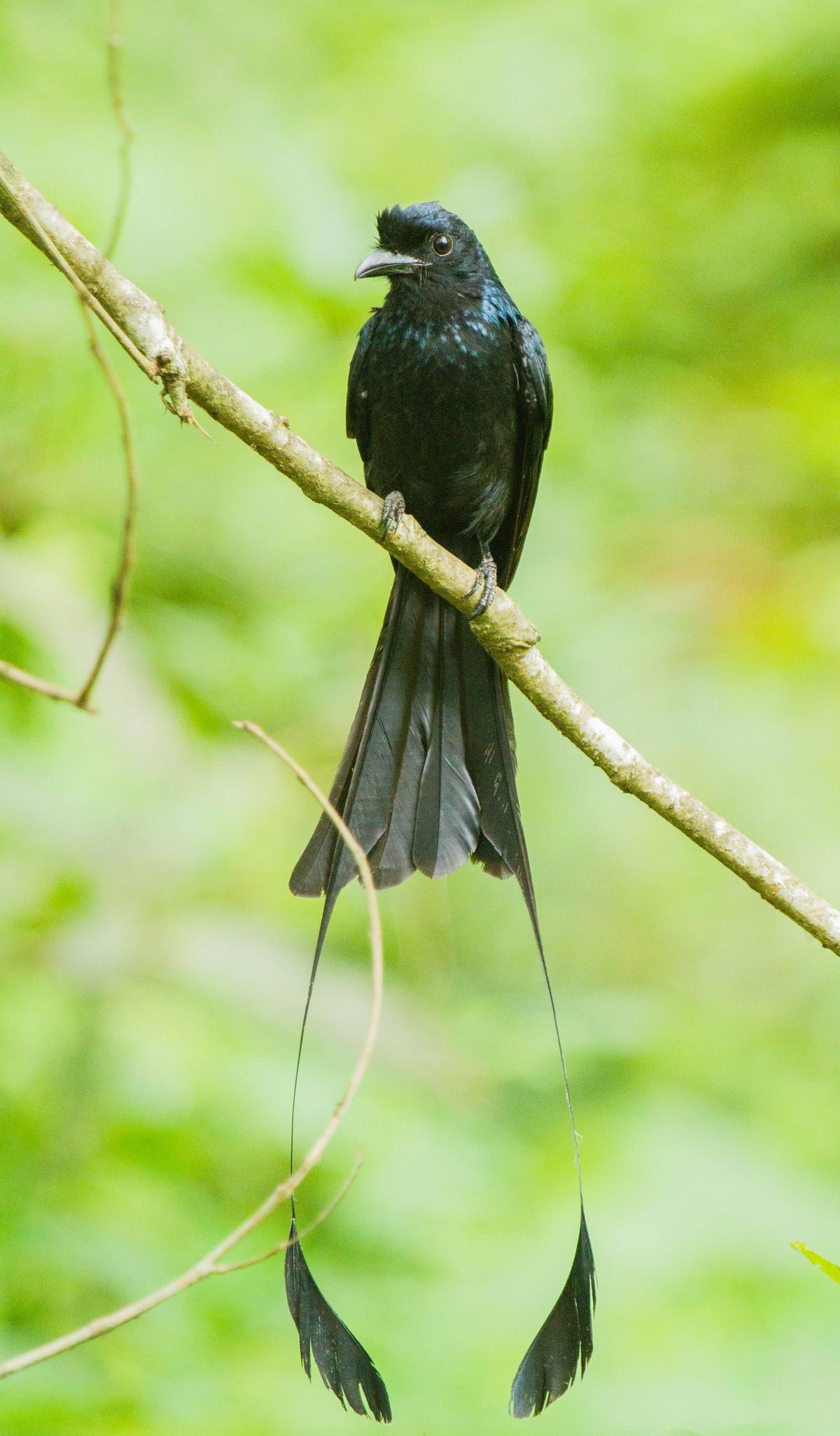
Credit: www.thehindu.com
Frequently Asked Questions
What bird is famous for a single chirp sound?
The Carolina Wren is known for its clear, single chirp. This small bird uses the chirp to mark its home. It also uses it to attract mates. Its simple call is easy to recognize.
Why do some birds make only one chirp?
Birds make a single chirp to talk quickly and clearly. This short sound can be an alarm. It can also mark a territory or call a mate. A single chirp is less likely to attract predators.
How can I know a bird by its single chirp?
Listen to the pitch, tone, and how often it repeats. The Carolina Wren's chirp is sharp and clear. It often repeats in a series. Use bird call apps or guides to match the sound.
When do birds typically make a single chirp?
Birds often chirp once early in the morning or at sunset. This timing helps them talk without loud background noise. It can signal the start or end of their active time. It also responds to other birds nearby.
Conclusion
Finding a bird by its single chirp is rewarding. Birds like the Eastern Phoebe and Black-capped Chickadee have unique chirps. Watching what they do helps you recognize them. Listening closely improves your birdwatching skills. Remember, every chirp tells a story.
It shares the bird's mood and who it is. Patience is the most important key. Try recording the sounds you hear for practice. You will soon know many different chirps. Nature offers a symphony of sounds. Enjoy every moment of your journey. Keep exploring and learning more. Happy birdwatching!