
Have you ever wondered why some birds lay white eggs while others have colorful ones? If you’re curious about the secrets behind these plain white shells, you’re in the right place.
Understanding which birds lay white eggs can give you a surprising glimpse into nature’s clever designs. Whether you’re a bird lover, a curious learner, or just someone who enjoys fascinating facts, this article will keep you hooked. Keep reading to discover the birds that choose simplicity in their eggs and why it matters to you.

Credit: www.reddit.com
Common Birds With White Eggs
Many birds lay white eggs. White eggs can be plain or have small spots. These eggs are often well hidden in nests.
White eggs are common in birds that nest in covered or dark places. This helps keep the eggs safe from predators.
Domestic Chickens
Many domestic chickens lay white eggs. Breeds like Leghorns are famous for their white eggs. These eggs are usually clean and smooth.
White eggs from chickens are popular for eating. They have a mild flavor and strong shells. These eggs are easy to find in stores.
Pigeons And Doves
Pigeons and doves lay small white eggs. Their eggs are often smooth and shiny. These birds build nests in hidden places.
The white color helps the eggs blend in with the nest lining. Pigeons usually lay two eggs at a time. Both parents care for the eggs.
Seagulls
Seagulls lay eggs that can be mostly white. Sometimes their eggs have light spots or marks. These eggs are tough to protect from the sea wind.
Seagulls nest on rocky shores. Their white eggs reflect sunlight, which helps keep them cool. Parents guard the eggs from predators.
Unusual White Egg Layers
Most bird eggs come in various colors and patterns. Some birds lay white eggs, but not many people know which ones are unusual white egg layers.
These birds often lay white eggs to blend with their environment or protect their young in unique ways. Let’s explore some unusual white egg layers.
Owls
Owls usually lay pure white eggs. This helps keep their eggs hidden in dark nests like tree holes or caves. The white color is common because they nest in places with little light.
Owls lay a small number of eggs, often between two and six. The white eggs stand out less in their shaded nests, protecting them from predators.
Herons
Herons lay white eggs in large nests made of sticks. Their nests are usually high in trees or reeds near water. The white eggs are easy to see but safe in these hidden spots.
Herons lay about three to five eggs. The bright white color may help parents find their eggs quickly in crowded nests.
- Egg color: Pure white
- Nest location: Trees or reeds near water
- Egg number: Usually 3 to 5
Kingfishers
Kingfishers lay white eggs inside burrows or holes. The dark nesting places mean the eggs do not need camouflage. White eggs stay clean and safe in these hidden spots.
They usually lay five to seven eggs. The white color helps the parents see the eggs well in low light tunnels.
Why White Eggs?
Many birds lay white eggs. These eggs often blend well with their surroundings. White eggs can be seen in birds that nest in hidden or dark places.
White eggs are common in birds like pigeons, gulls, and some seabirds. The reason for white eggs is linked to their environment and biology.
Camouflage And Nesting Habits
Birds that lay white eggs usually nest in places where the eggs are hidden. These nests may be in caves, cliffs, or dense foliage. Because the eggs are not easily seen, they do not need bright colors for camouflage.
White eggs can be easier to spot in bright, open nests. But birds that nest in dark or safe spots use white eggs because predators rarely find them there.
Eggshell Composition
The white color of eggshells comes from the absence of pigments. Some eggs have pigments like protoporphyrin, which create colors like brown or blue. White eggs lack these pigments.
Eggshells are mainly made of calcium carbonate. The smooth, white surface helps protect the egg from damage and bacteria in many environments.
Evolutionary Advantages
White eggs help birds in places where camouflage is less important. Birds that lay eggs in dark nests do not need colored shells to hide them.
White eggs may also reflect heat better. This helps keep the eggs cool in sunny or warm areas. It can improve the chances of the chick’s survival.
Credit: www.sugarfeatherfarm.com
Egg Color And Bird Behavior
Many birds lay white eggs. Egg color can show bird species and habits. White eggs often come from birds that nest in hidden or dark places.
Bird behavior links to egg color. Birds that lay white eggs may have special ways to protect their eggs and find mates.
Mating And Egg Recognition
Birds use egg color to recognize their own eggs. White eggs help parents spot them in dark nests. This helps avoid confusion with other birds’ eggs.
During mating, some birds choose partners by the quality of eggs laid. White eggs can signal health and good genes in some species.
Predator Avoidance Strategies
White eggs are often laid in hidden nests. This helps birds keep eggs safe from predators. Some birds also lay eggs at night to avoid attention.
- Nesting in dark or covered areas protects white eggs.
- Parents stay close to eggs to scare off predators.
- Some birds lay eggs in colonies to confuse predators.
How To Identify White Eggs In The Wild
Many birds lay white eggs in the wild. These eggs often blend with their surroundings. Knowing how to spot them helps bird watchers and nature lovers.
White eggs can look similar, but clues like nest location and egg shape help identify them. Learning these tips makes finding them easier.
Nest Location Clues
Birds that lay white eggs choose different places for their nests. Many white eggs come from birds nesting in hidden or hard-to-see spots.
Some birds lay eggs in caves, tree holes, or on cliffs. Others build nests on the ground under thick bushes. Look for these places to find white eggs.
- Tree holes or cavities
- Cliffs or rocky ledges
- Ground under bushes or tall grass
- Inside dense shrubs or hollow logs
Egg Size And Shape
White eggs vary in size and shape depending on the bird. Some are small and round. Others are larger and oval.
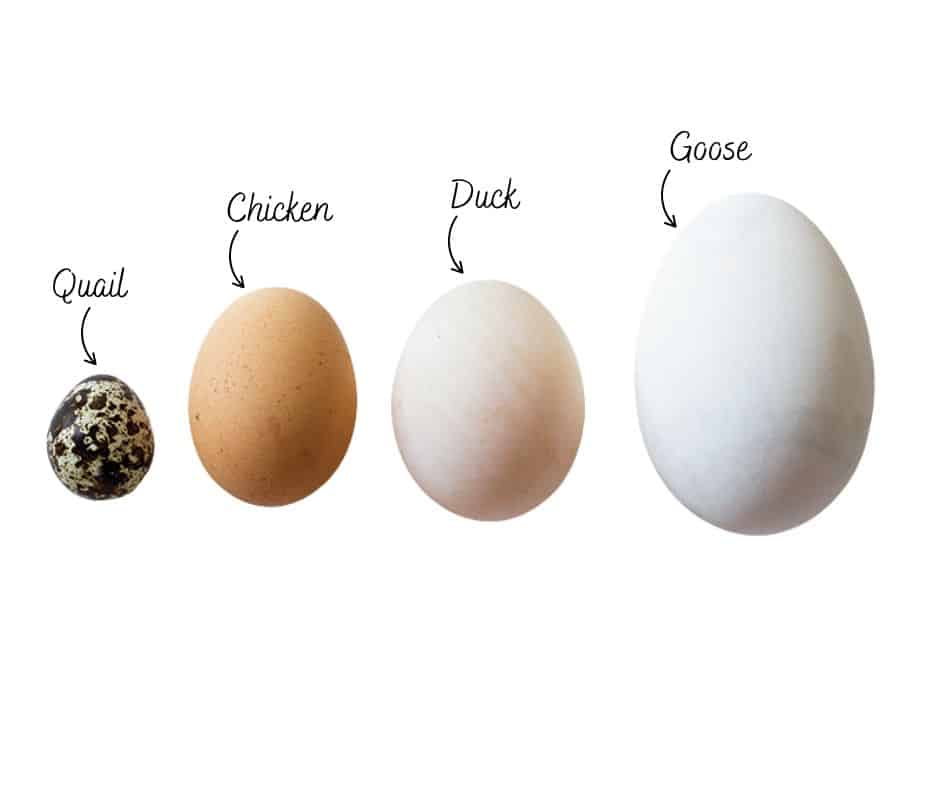
Look closely at the size and shape to help identify the bird. Size can range from tiny like a sparrow egg to large like a goose egg.
- Small, round eggs often come from songbirds
- Oval eggs usually belong to water birds or raptors
- Large eggs may be from ducks or owls
Common Mistakes
People often confuse white eggs with eggs of other colors. White eggs can look shiny or smooth, which causes mistakes.
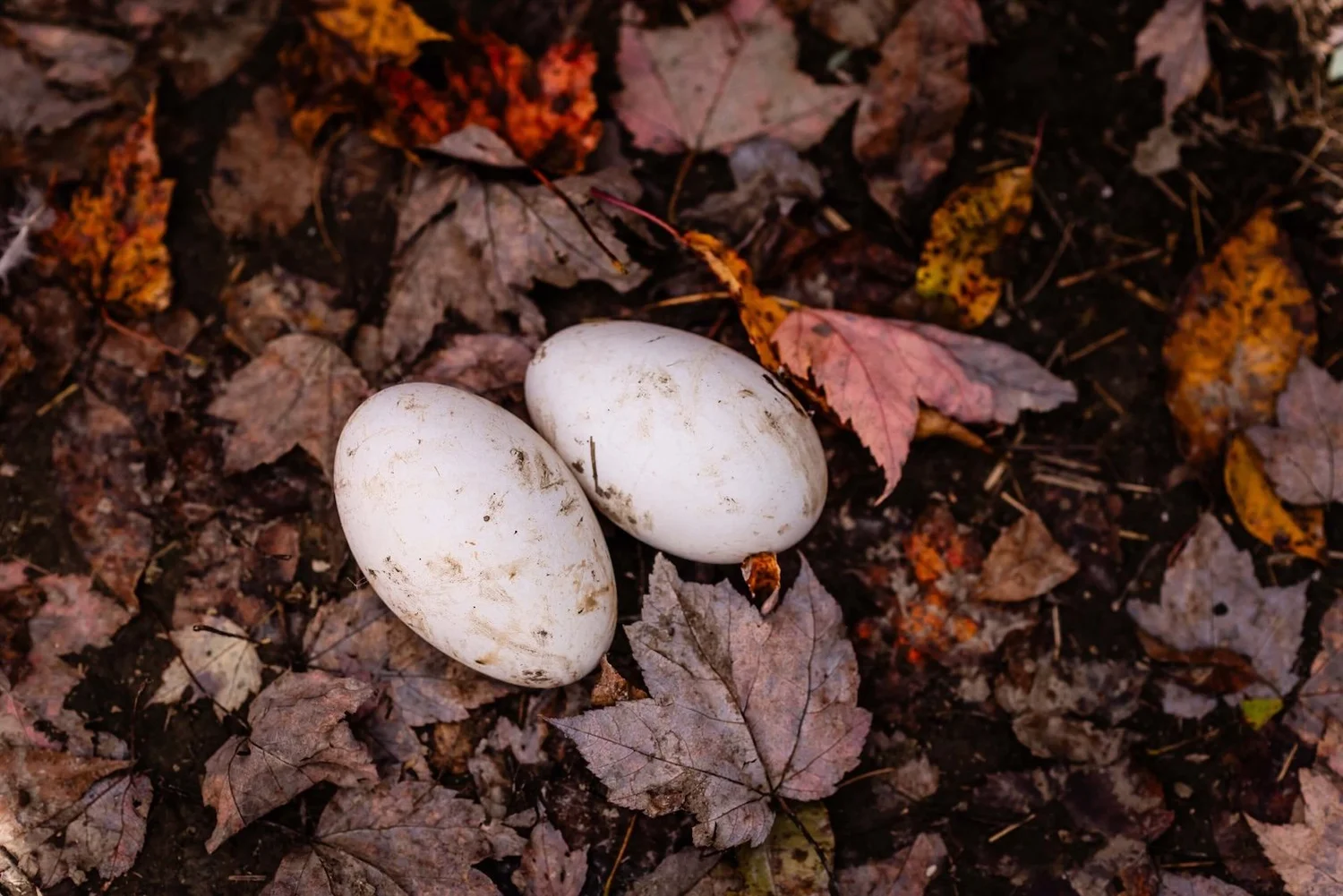
Sometimes eggs are dirty or stained, which hides their true color. It is important to check the egg carefully and note its surroundings.
- Do not assume eggs are white if covered in dirt
- Check the nest type and location to avoid confusion
- Remember egg size and shape before guessing the bird
Famous Birds Known For White Eggs
Many bird species lay white eggs. White eggs often stand out in nests. They show up in different bird families.
This article covers some famous birds that lay white eggs. Learn about the Albatross, Egret, and Cuckoo.
Albatross
Albatrosses are large sea birds. They lay large white eggs. These eggs are usually smooth and glossy.
The white color helps keep the egg cool in bright sunlight. Albatross nests are often on cliffs or islands.
Egret
Egrets are elegant white birds found near water. They lay small white eggs. The eggs blend well with their nesting sites.
These birds build nests in trees or shrubs. The white eggs stay hidden among the twigs and leaves.
Cuckoo
Cuckoos are known for laying white eggs. Some cuckoos lay their eggs in other birds’ nests. This is called brood parasitism.
The white eggs often mimic the host bird’s eggs. This helps cuckoo chicks grow up without their parents.

Credit: www.birdfy.com
Frequently Asked Questions
Which Birds Commonly Lay White Eggs?
Many bird species lay white eggs, including pigeons, doves, and some seabirds like gulls. Chickens such as Leghorns also lay white eggs. These eggs often have a clean, bright appearance without speckles or coloration, making them distinctive among bird eggs.
Why Do Some Birds Lay White Eggs?
White eggs usually indicate birds nesting in dark or enclosed spaces. Lack of camouflage is less important where predators rely on sight. Birds like owls and pigeons lay white eggs because their nests are hidden or protected.
Are White Eggs Less Nutritious Than Colored Eggs?
No, egg color does not affect nutrition. The eggshell color is determined by genetics, not nutrition. Both white and colored eggs provide similar protein, vitamins, and minerals, making them equally healthy to eat.
Do All Seabirds Lay White Eggs?
Not all seabirds lay white eggs, but many do. Species like gulls and terns commonly lay white eggs. However, some seabirds, such as puffins, lay eggs with unique patterns or colors for camouflage.
Conclusion
Birds laying white eggs bring diversity to nature. Each species has unique traits. White eggs can belong to pigeons, owls, and some chickens. These eggs often blend well into their environment. This camouflage protects them from predators. Knowing which birds lay white eggs enhances birdwatching experiences.
It adds to our appreciation of nature. Observing these birds can be a peaceful hobby. It connects us to wildlife. Next time you spot a white egg, remember its story. Appreciate the bird that laid it. Their beauty and mystery enrich our natural world.



