Are you looking to create the perfect bird perch but unsure What Tree to Make Bird Perch from? Picking the right wood isn’t just about appearance—it affects how safe and comfortable your feathered friends will feel.
The right tree can make your bird perch sturdy, natural, and inviting. You’ll discover the best types of trees for making bird perches, so you can give your birds a cozy spot they’ll love. Keep reading to find out which trees offer the ideal balance of safety, comfort, and durability for your bird’s new favorite hangout.
Best Trees For Bird Perches
Bird perches need strong, safe wood that lasts outdoors. Choosing the right tree wood helps birds rest comfortably.
Different tree types offer various benefits. Some woods are hard and durable, while others are softer and easier to shape.
Hardwood Options
Hardwoods are dense and last a long time. They resist wear and weather well. These woods are great for outdoor bird perches.
- Oak: Strong and durable, good for large birds
- Maple: Smooth surface, safe for small birds
- Hickory: Very tough, can handle heavy use
- Beech: Hard but gentle on bird feet
Softwood Choices
Softwoods are lighter and easier to work with. They dry faster but may not last as long outside. They are good for indoor or covered perches.
| Softwood | Features | Best Use |
| Pine | Light, easy to shape | Indoor perches |
| Cedar | Natural aroma, insect repellent | Outdoor shaded areas |
| Fir | Strong but softer than hardwoods | Covered outdoor perches |
Exotic Trees
Exotic woods offer unique textures and colors. Some have natural oils that keep bugs away. Use these woods if you want special perches.
Popular exotic trees for bird perches:
- Teak: Very durable and water-resistant
- Mahogany: Smooth and rich in color
- Bamboo: Lightweight and eco-friendly
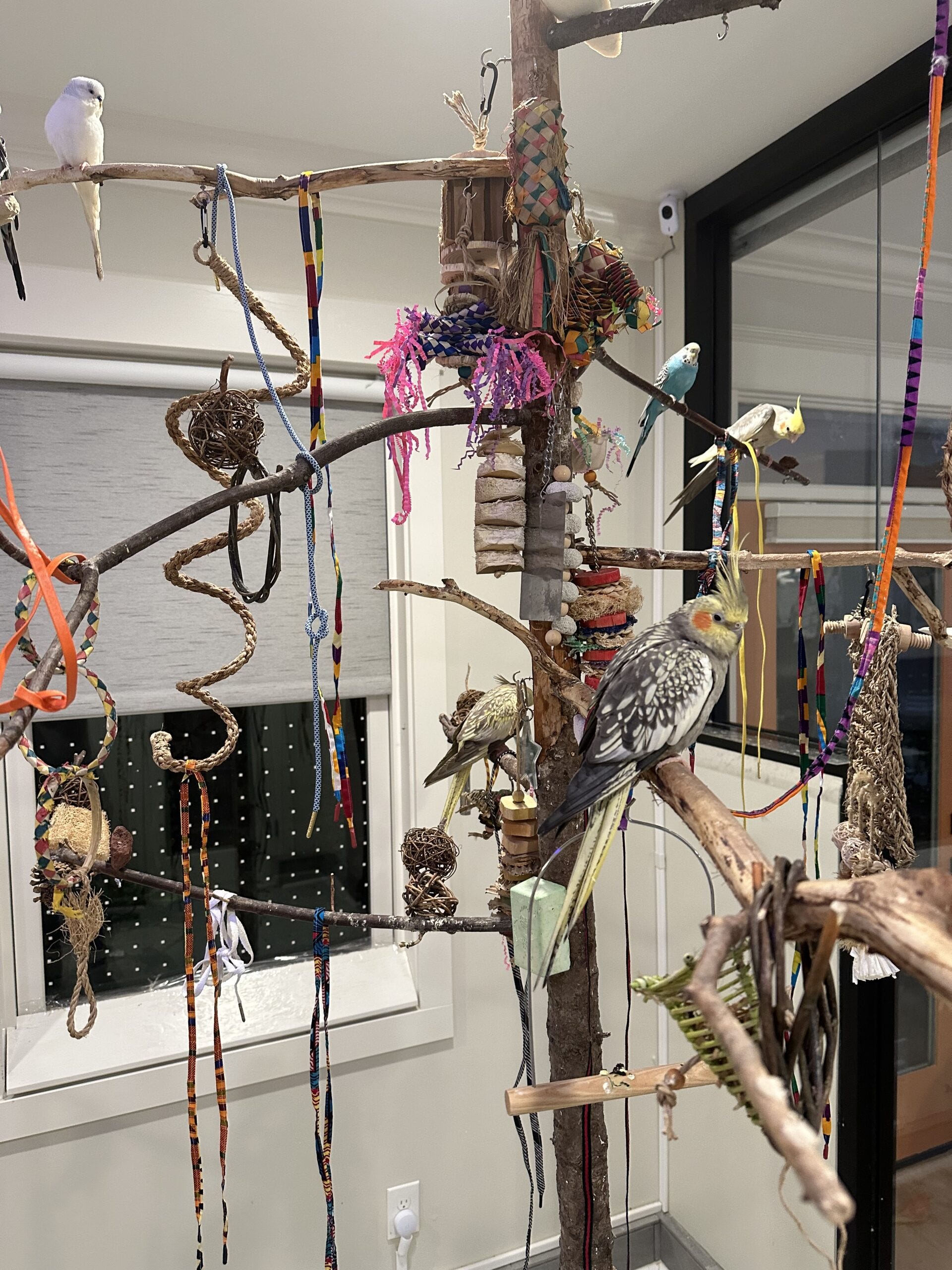
Credit: freerangeparrots.org
Safety Factors For Bird Perches
Choosing the right tree for a bird perch is important for bird safety. Some trees can harm birds through their sap, oils, or wood. It is best to pick trees that are safe and strong.
Birds spend a lot of time on perches. The tree must be non-toxic and durable. This helps keep birds healthy and comfortable.
Non-toxic Trees
Some trees are safe for birds because they do not contain harmful chemicals. These trees help keep birds healthy and avoid poisoning.
- Apple
- Maple
- Birch
- Elm
- Willow
Avoiding Harmful Sap And Oils
Certain trees have sap or oils that can hurt birds. These substances can cause skin irritation or sickness. Avoid trees like eucalyptus or cedar for perches.
- Do not use trees with sticky or strong-smelling sap
- Check if the wood releases oils that irritate birds
- Choose trees with clean, dry wood
Durability Against Bird Activity
Birds peck and scratch perches. The wood should be strong and not break easily. Durable trees last longer and keep birds safe.
- Hardwoods like oak and hickory are very durable
- Softwoods wear out faster and may splinter
- Check for smooth bark to prevent bird injuries
Durability And Maintenance
Choosing the right tree for a bird perch ensures it lasts a long time. Durability matters because birds use the perch daily.
Maintenance keeps the perch safe and attractive. Proper care helps the wood resist damage and decay.
Resistance To Wear And Tear
Some tree woods resist damage better than others. Hardwoods like oak and maple handle bird claws and beaks well. Softwoods may wear out faster.
- Oak: strong and long-lasting
- Maple: tough and durable
- Hickory: very hard, great for perches
- Pine: softer, may need more care
Weatherproofing Natural Wood
Wood exposed to sun and rain needs protection. Applying natural oils or sealants helps keep wood from cracking or rotting. Avoid harsh chemicals that can harm birds.
| Weatherproofing Method | Benefits |
| Linseed oil | Protects wood, safe for birds |
| Tung oil | Water resistant and durable |
| Beeswax coating | Natural barrier against moisture |
| Water-based sealant | Easy to apply, non-toxic |
Cleaning And Upkeep Tips
Regular cleaning stops mold and bacteria growth. Check the perch often for damage or dirt build-up. Replace or repair if needed.
- Use mild soap and water for cleaning
- Scrub gently with a soft brush
- Dry the perch fully before use
- Inspect for cracks or splinters monthly
- Reapply protective oils every few months
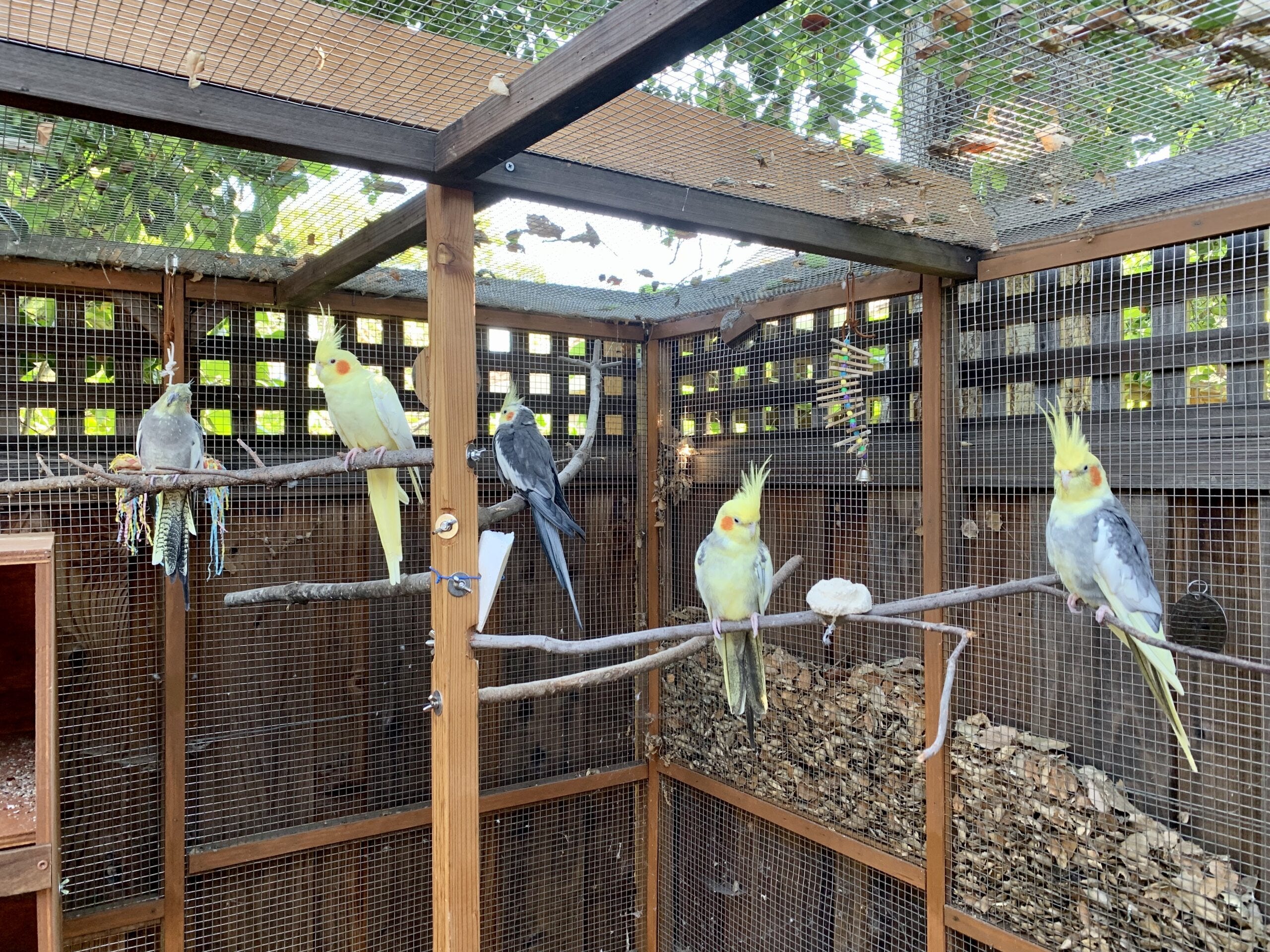
Credit: freerangeparrots.org
Diy Bird Perch Ideas
Building a bird perch is a fun and simple project. It helps birds rest and play safely outdoors.
Using natural wood makes the perch comfortable and attractive for birds. Let’s explore how to create one.
Selecting The Right Branch
Choose a branch from a tree that is safe and sturdy. Avoid branches with poison or harmful sap.
Look for branches that are thick enough to hold a bird’s weight but not too heavy to handle.
- Hardwood branches like oak, maple, or apple work well.
- Avoid soft or rotting wood to prevent breaks.
- Pick branches with natural curves for better grip.
Shaping And Smoothing Techniques
Use a saw or pruners to cut the branch to the desired length. Keep it comfortable for birds to perch on.
Sand the branch well to remove rough spots and sharp edges. This keeps birds safe from splinters.
- Start with coarse sandpaper to shape the wood.
- Use finer sandpaper to smooth the surface.
- Check for any sharp points and sand them down.
Securing Perches Safely
Attach the perch firmly to a stable base or tree. This stops it from moving or falling when birds land.
Use natural rope, screws, or strong wire to fix the perch. Make sure there are no loose parts.
- Check the perch’s stability before use.
- Place the perch where birds feel safe.
- Avoid using toxic chemicals or paints.
Common Mistakes To Avoid
Choosing the right tree for a bird perch is very important. Many people make mistakes that can harm birds or make the perch unsafe.
Knowing what to avoid will help you create a safe and comfortable place for birds to rest.
Using Toxic Woods
Not all wood types are safe for birds. Some woods contain toxins that can hurt birds if they chew on them.
Avoid woods like cedar, black walnut, and yew. These woods release harmful oils or chemicals.
- Cedar wood can cause respiratory problems
- Black walnut wood has toxins that affect bird health
- Yew wood is poisonous if ingested
Ignoring Size And Thickness
Picking a perch that is too thin or too thick can hurt a bird’s feet. Birds need a comfortable grip to stand well.
Choose branches that fit the size of the bird. The perch should allow the bird to wrap its toes around easily.
- Thin perches cause foot pain and sores
- Too thick perches make it hard to hold on
- Correct thickness supports healthy feet and grip
Neglecting Bird Comfort
Comfort is key for a bird perch. Rough or sharp edges can hurt birds’ feet and legs.
Smooth the wood surface but keep some natural texture. This helps birds hold on without slipping.
- Remove sharp bark or splinters
- Keep natural wood texture for grip
- Ensure the perch is stable and does not wobble
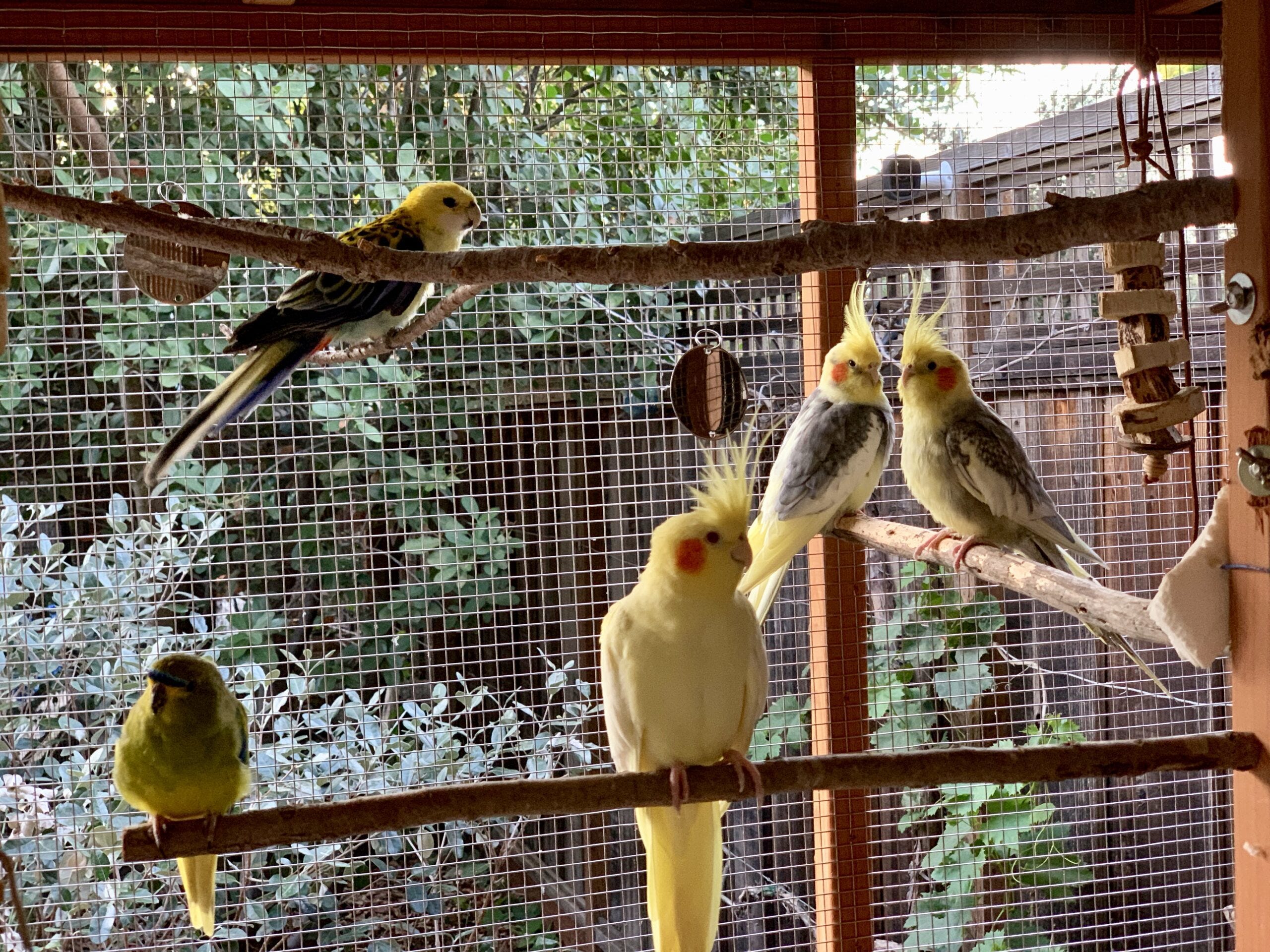
Credit: freerangeparrots.org
Frequently Asked Questions
What Is The Best Tree For Making A Bird Perch?
The best tree for a bird perch is hardwood like oak or maple. These woods are sturdy, safe, and long-lasting for birds to grip comfortably.
Can Any Tree Branches Be Used For Bird Perches?
Not all tree branches are safe. Avoid toxic trees like cedar or pine. Opt for non-toxic hardwood branches that are clean and free of chemicals.
How To Prepare Tree Branches For Bird Perches?
Clean branches thoroughly, remove bark, and dry them well. Sand rough edges to prevent bird injuries. Avoid using treated or painted wood for safety.
Why Is Hardwood Better Than Softwood For Bird Perches?
Hardwood is denser and more durable, providing a strong grip. Softwoods may splinter or wear quickly, risking bird foot injuries and perch instability.
Conclusion
Choosing the right tree makes a big difference for bird perches. Birds love trees that are sturdy and safe. Oaks and maples are great choices. These trees provide strength and comfort for birds. Pine trees also work well, offering height and branches.
Consider your area’s climate when picking. Healthy trees attract more birds. Keep an eye on pests and diseases. A good tree brings joy to both birds and bird watchers. Planting a tree is a wonderful way to support wildlife. Enjoy watching birds thrive in your backyard.