Have you ever looked up and wondered When Do Birds Migrate North and why some birds suddenly appear in your neighborhood after months of absence? Understanding this can unlock the secrets of nature’s great calendar.
Knowing the timing of their journey helps you connect with the changing seasons and spot these amazing travelers at just the right moment. Keep reading to discover exactly When Do Birds Migrate North—and how you can be ready to welcome them.
Migration Seasons
Bird migration is a natural event when birds travel to find better living conditions. They move north and south depending on the season.
Understanding when birds migrate north helps us observe their amazing journeys and protect their habitats.
Spring Migration Timing
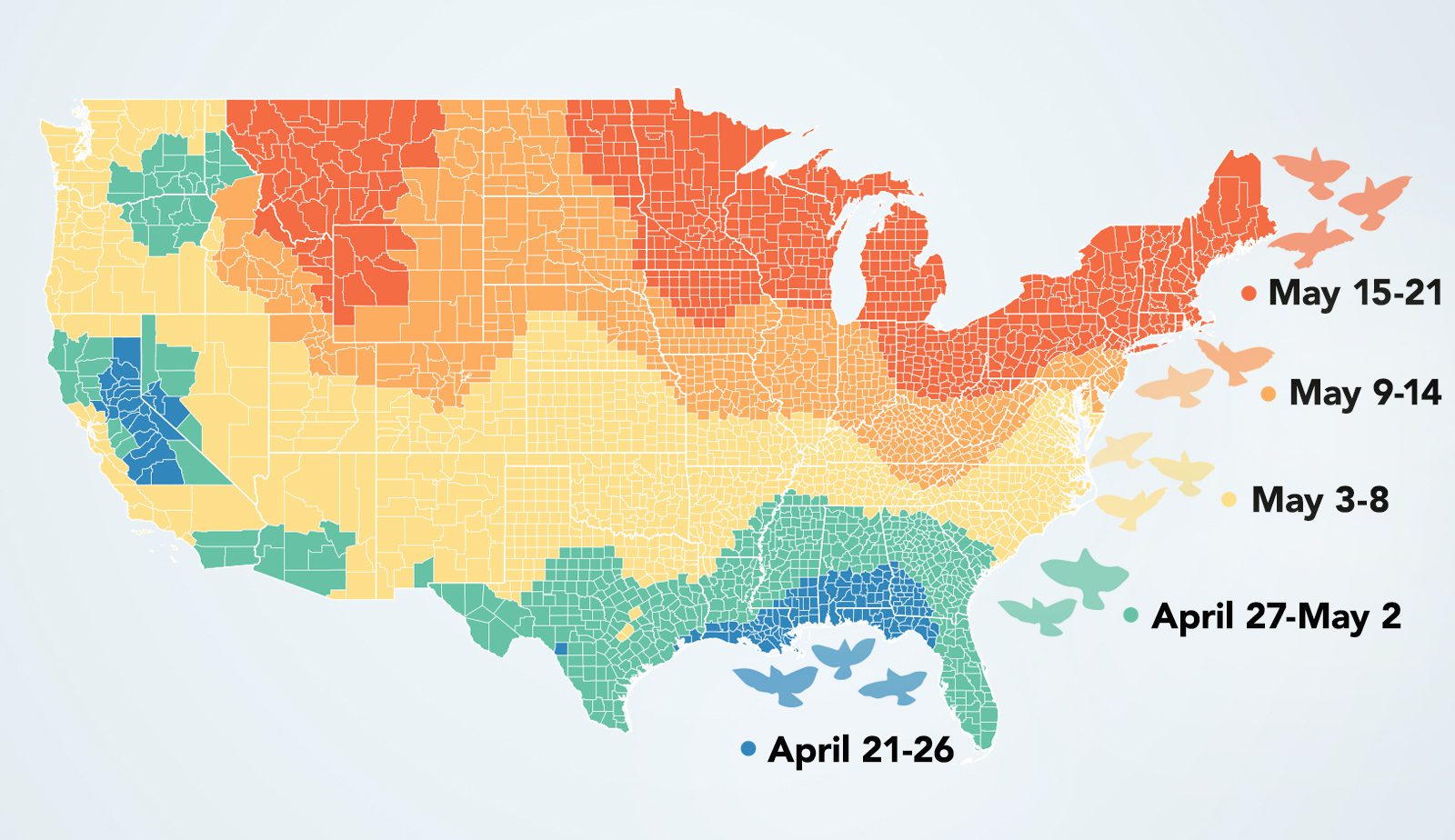
In spring, birds fly north to reach their breeding grounds. This usually happens between March and May. The exact timing depends on the species and weather.
- Many birds start migration as days get longer.
- Warmer temperatures trigger their movement.
- Birds use food availability as a guide.
- Some species arrive earlier to claim territory.
Fall Migration Patterns
Fall migration happens when birds head south to warmer places. This move takes place from August to November. Birds prepare by eating more food to build energy.
| Month | Activity | Reason |
| August | Start gathering food | Build fat for long flights |
| September | Begin flying south | Escape cold weather |
| October | Peak migration period | Find better food and shelter |
| November | Reach winter habitats | Survive cold months |
Factors Influencing Migration
Birds migrate north to find better conditions for breeding and feeding. Their migration depends on several natural factors. These factors help birds decide the best time to move.
Understanding these factors gives us insight into bird behavior and nature’s cycles. Let’s explore the main influences on bird migration.
Temperature Changes
Temperature plays a big role in bird migration. As the weather warms, birds head north to breed. Cold temperatures in the south may cause food shortages, pushing birds to move.
Warmer temperatures also help young birds grow strong in safe environments. Birds sense these temperature shifts and prepare to migrate early.
Daylight Duration
Longer days signal birds to start their journey north. Daylight affects their body clocks and hormone levels. These changes trigger migration instincts.
- Increased daylight boosts activity
- Birds use daylight to time their migration
- Short days tell birds to rest and stay put
- Daylight influences feeding and mating behaviors
Food Availability
Food is a key reason birds migrate north. They need plenty of insects and plants to feed themselves and their chicks. Food sources change with the seasons.
| Food Type | Availability in Spring | Availability in Winter |
|---|---|---|
| Insects | High | Low |
| Seeds | Moderate | Low |
| Fruits | High | Very Low |
Common Migratory Birds
Many birds travel long distances every year. They move to find food and better weather. This journey is called migration.
Some birds migrate north in spring to breed and raise their young. Let’s look at some common migratory birds.
Warblers And Orioles
Warblers and orioles are small, colorful birds. They migrate north in spring to find insects and build nests.
- Yellow Warbler
- Black-throated Blue Warbler
- Baltimore Oriole
- Orchard Oriole
These birds arrive in northern areas between April and May. They stay through summer to raise their chicks.
Swallows And Swifts
Swallows and swifts are fast flyers. They eat flying insects and often nest in open areas or near water.
| Bird | Arrival Time | Favorite Habitat |
| Tree Swallow | Late March to April | Wetlands and open fields |
| Barn Swallow | April to May | Farms and rural areas |
| Chimney Swift | Late April | Urban areas and forests |
Swallows and swifts often migrate later than warblers. They may return as the weather warms and insects become active.

Credit: www.natureswaybirds.com
Surprising Migration Facts
Birds migrate north each spring to find food and safe places to raise their young. This journey is full of surprises. Scientists have learned many amazing facts about how birds travel long distances.
Some birds use special skills to find their way. Others can fly for hours without stopping. Many birds follow routes that are strange and unexpected.
Navigation Skills
Birds use the sun, stars, and Earth’s magnetic field to navigate. They can sense magnetic fields like a built-in compass. This helps them stay on course even on cloudy days.
Young birds learn routes from older birds. Some species also use landmarks like rivers and mountains. These skills help birds reach their northern homes safely every year.
Non-stop Flights
Certain birds can fly for many hours without resting. Some species cross oceans in one long flight. This takes great stamina and energy.
For example, the bar-tailed godwit flies over 7,000 kilometers without stopping. These nonstop flights save time and avoid dangers on the ground.
- Non-stop flights can last up to 11 days
- Birds store energy as fat before flying
- Some birds fly at night to avoid heat
Unexpected Migration Routes
Not all birds take the same path when migrating north. Some choose unusual routes that seem longer. These routes help avoid bad weather or find better food.
Scientists track birds with GPS and find surprising paths. Some birds even change their routes from year to year. This shows that migration routes can be flexible and smart.
- Some birds fly over mountains instead of around them
- Others follow coastlines or rivers for easier navigation
- Routes may change with climate and food availability
Human Impact On Migration
Birds migrate north each year to find food and nesting places. Human actions change their migration routes and timing. These changes can make it hard for birds to survive.
People build cities and change the climate. Both affect how birds travel and where they live during migration.
Urban Development
Building cities and roads reduces natural areas for birds. Birds lose places to rest and feed during migration. Lights from buildings can confuse birds at night.
Urban areas create noise and pollution. These factors can stress birds and change their behavior. Some birds avoid cities, which limits their travel options.
- Loss of stopover habitats
- Light pollution causing disorientation
- Noise disturbing bird communication
- Increased risk of collisions with buildings
Climate Change Effects
Rising temperatures change when birds migrate north. Some birds arrive too early or late for food. This mismatch affects their survival and breeding success.
Climate change also shifts the areas where birds find food. Birds must travel farther or change routes. This can make migration harder and more dangerous.
- Changes in migration timing
- Food sources shifting location
- Longer or altered migration routes
- Increased weather challenges during travel

Credit: www.youtube.com
Tips For Birdwatchers
Birds migrate north each year to find food and nesting places. Watching them can be exciting and fun.
Knowing the right time and place helps you see more birds during migration.
Best Times To Observe
Birds usually migrate north in spring. This happens from March to May in many places.
Early morning and late afternoon are the best times to watch birds. Birds are active then and easier to see.
- March to May is prime migration time
- Early morning and late afternoon offer the best views
- Watch on clear, calm days for better sightings
Popular Migration Spots
Some places are famous for bird migrations. These spots attract many species and large numbers of birds.
Wetlands, coastal areas, and forests often have many migrating birds. Visiting these places increases your chances to see them.
- Coastal beaches and estuaries
- Large wetlands and marshes
- Wooded areas near rivers or lakes
- Mountain passes and ridges
Credit: www.allaboutbirds.org
Frequently Asked Questions
When Do Birds Typically Start Migrating North?
Birds usually start migrating north in early spring, around March or April. This timing aligns with warmer temperatures and longer daylight. It helps them find abundant food and suitable breeding grounds.
Why Do Birds Migrate North In Spring?
Birds migrate north in spring to breed and raise their young. Northern regions offer more food and safer nesting sites during this season. Migration ensures their offspring have a higher survival chance.
Which Bird Species Migrate North First?
Swallows, sandpipers, and warblers are among the first to migrate north. They arrive early to claim prime nesting territories and food resources before others.
How Do Birds Know When To Migrate North?
Birds use environmental cues like daylight length and temperature changes. These signals trigger hormonal changes that prompt migration. They also rely on instinct and internal biological clocks.
Conclusion
Bird migration north signals the arrival of spring. Birds move for food and breeding. They follow warming temperatures and longer days. Different species migrate at various times. Some start in early March, others in late May. Understanding these patterns helps bird watchers.
It also aids in conservation efforts. Observing migrations offers a glimpse into nature’s cycles. This knowledge deepens our connection to the environment. Watching birds migrate inspires awe and curiosity. It reminds us of nature’s rhythm and balance. Next spring, watch the skies.
See the beauty of migration unfold.