
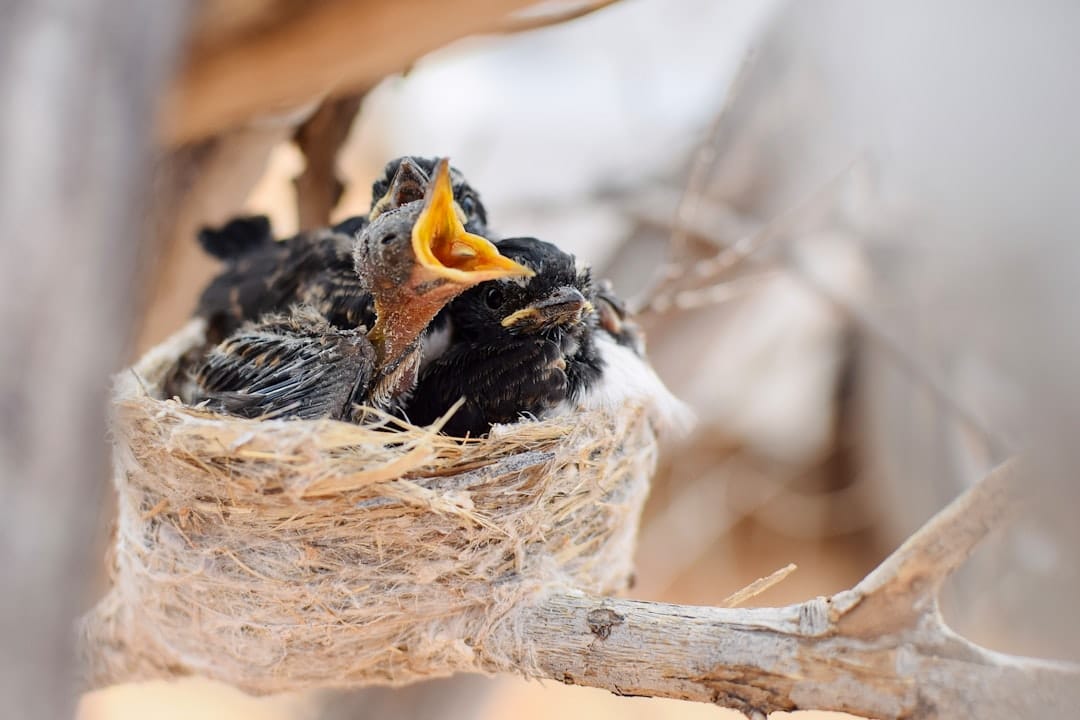
Have you ever wondered when birds stop nesting? If you’ve noticed a busy bird building a home or feeding little chicks, you might be curious about how long this stage lasts.
Understanding when birds finish nesting can help you better enjoy watching nature or even protect their homes. You’ll discover the key signs that nesting season is over and why it matters to you and the environment around you. Keep reading to unlock the secrets behind birds’ nesting habits!
Credit: www.callnorthwest.com
Bird Nesting Seasons
Bird nesting seasons vary depending on many factors. Birds choose times that give their chicks the best chance to survive.
Knowing when birds stop nesting helps us protect their homes and understand their behavior better.
Peak Nesting Periods
Most birds build nests and raise chicks during spring and early summer. This period offers warm weather and plenty of food.
- Early spring: Small songbirds start nesting.
- Late spring: Larger birds begin nesting.
- Summer: Some species raise second broods.
- Late summer to fall: Nesting activity usually ends.
Species-specific Timelines
Different bird species have unique nesting times. Some nest early, while others wait until the weather warms up.
| Bird Species | Nesting Start | Nesting End |
|---|---|---|
| American Robin | March | July |
| Bald Eagle | February | June |
| House Sparrow | April | August |
| Eastern Bluebird | April | July |
Environmental Influences
Weather and food supply affect when birds stop nesting. Cold or dry conditions can shorten nesting seasons.
Important environmental factors include:
- Temperature changes
- Availability of insects and seeds
- Rainfall and drought conditions
- Human disturbance and habitat loss
Signs Nesting Has Ended
Birds build nests to protect their eggs and young chicks. Knowing when nesting ends helps us understand bird life cycles. Signs of nesting ending show that birds have finished raising their young.
These signs include changes in how birds act, leaving the nest, and the growth stages of young birds. Observing these clues helps bird watchers and researchers.
Changes In Bird Behavior
Birds act differently once nesting ends. They spend less time near the nest and stop feeding the chicks there. Adult birds may become quieter and less protective.
- Less frequent visits to the nest
- Reduced feeding of chicks at the nest site
- More flying away from the nest area
- Less alarm calling or defending the nest
Nest Abandonment Indicators
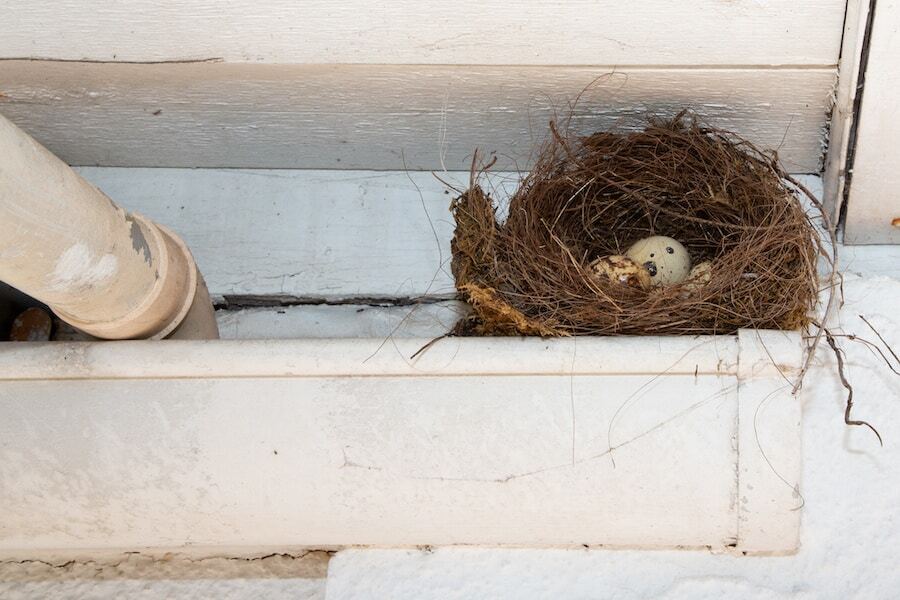
When birds leave the nest permanently, it shows nesting is over. The nest may look empty or untidy. Parents stop sitting on eggs or staying close to the nest.
| Indicator | Description |
| Empty Nest | No eggs or chicks inside |
| Untidy Nest | Leaves and feathers scattered |
| No Adult Presence | Parents no longer near or in the nest |
| Cold Nest | Nest no longer warmed by birds |
Fledgling Development Milestones
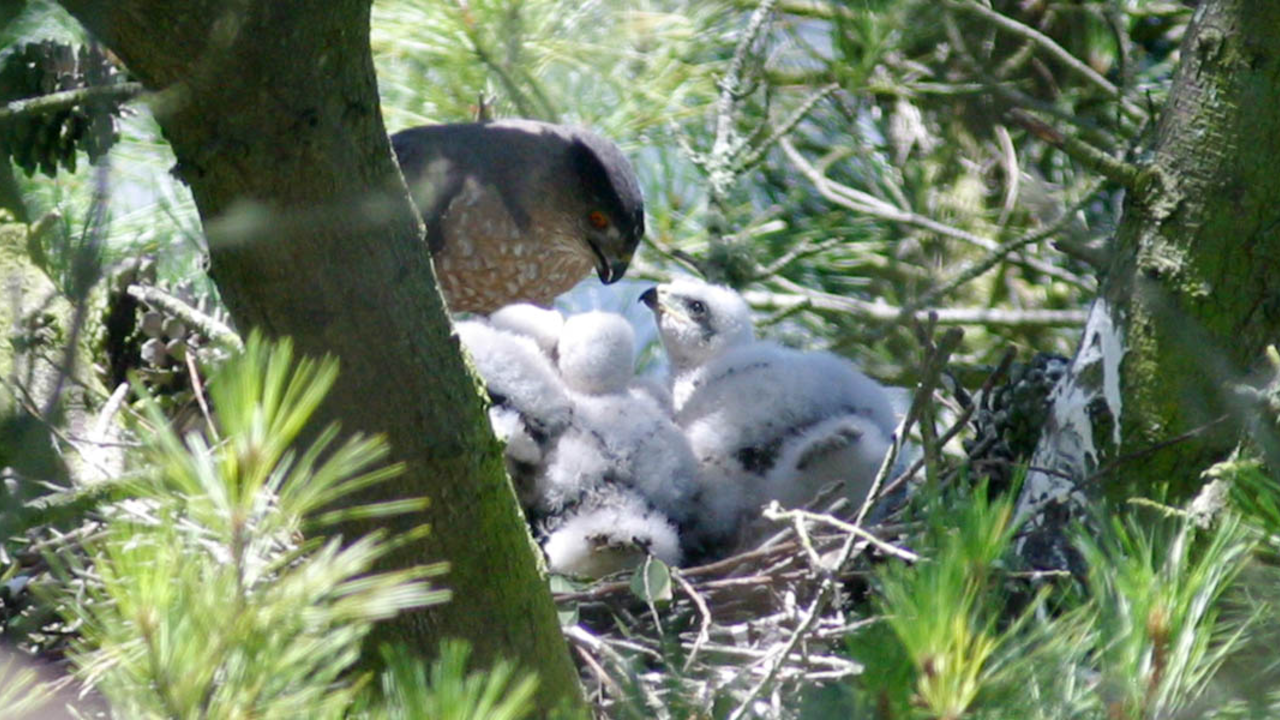
Young birds grow and change before leaving the nest. These milestones show they are ready to survive on their own. Parents stop feeding them at the nest once fledglings can eat alone.
- Feathers grow fully for flight
- Chicks start hopping outside the nest
- Young birds begin feeding themselves
- Fledglings fly short distances
- Parents stop feeding at the nest site
Factors Affecting Nesting Duration
Birds build nests to lay eggs and raise their young. The time they spend nesting can change based on many things. Understanding these factors helps us learn when birds stop nesting.
Nesting duration means how long birds stay in their nests. It starts when they lay eggs and ends when chicks leave. Different conditions affect this time.
Climate And Weather Effects
Climate and weather change how long birds stay in their nests. Warm weather can speed up egg hatching. Cold or rainy weather can slow it down.
Severe weather like storms can force birds to leave nests early. Some birds may wait longer if the climate is stable and safe.
- Warm temperatures help eggs hatch faster
- Cold weather can delay chick growth
- Storms and wind can damage nests
- Dry seasons may shorten nesting time
Predators And Threats
Predators like snakes, cats, or other birds can end nesting early. Birds may leave nests to protect themselves or their chicks.
Threats make birds build safer nests or move to new places. Some birds stay hidden longer to avoid danger.
- Predators cause birds to abandon nests
- Birds choose hidden or high nests
- More threats can shorten nesting time
- Safe areas help birds nest longer
Human Impact
Human activities affect how long birds nest. Noise and pollution can disturb birds and make them leave early.
Building homes or cutting trees reduces nesting places. Birds may stop nesting if humans are too close.
- Noise scares birds from nests
- Pollution harms eggs and chicks
- Habitat loss reduces nesting spots
- Protected areas help birds nest safely
Monitoring Nests Responsibly
Birds build nests to lay eggs and raise their young. Watching these nests can help us learn about birds.
We must watch nests carefully without hurting the birds or their home.
Ethical Birdwatching Tips
Respect birds by keeping a safe distance from their nests. Do not touch eggs or young birds.
Stay quiet and avoid sudden moves near nesting sites. This helps birds feel safe and calm.
- Keep at least 10 feet away from nests
- Use binoculars for a close view
- Watch for signs of stress in birds
- Never remove or move nests
Minimizing Disturbance
Visit nests only when needed and for short times. Long visits scare birds and may cause them to leave.
Do not use bright lights or loud noises near nests. These can cause stress and harm to birds and chicks.
- Limit visits to once per day or less
- Approach nests slowly and quietly
- Avoid touching or moving branches around nests
- Stay out of nesting areas during bad weather
Using Technology For Observation
Use cameras or phones with zoom to watch nests from far away. This keeps birds safe and undisturbed.
Remote monitoring tools can record bird behavior without human presence. This helps gather data without stress.
- Set up motion-activated cameras near nests
- Use smartphone zoom instead of getting close
- Record videos to watch later
- Check equipment only when birds are not near
Post-nesting Bird Activity
After birds stop nesting, they remain active in different ways. Their behavior changes as they prepare for new challenges. Understanding these activities helps us learn more about bird life.
Birds focus on survival and growth after the nesting period. They get ready for seasonal changes and future nesting seasons.
Migration Patterns
Many birds start migrating after nesting ends. They travel to warmer places to find food and better weather. Migration helps birds survive harsh winters.
Birds use the sun, stars, and Earth’s magnetic field to find their way. Some birds fly thousands of miles during migration.
- Migration timing depends on species and location
- Young birds learn migration routes from adults
- Some birds stay in the same area all year
Territory Changes
Birds often change their territory after nesting. They leave nesting areas to find new feeding grounds. This helps them get enough food and avoid predators.
Territory size can grow or shrink depending on food availability. Birds may also join groups or move alone during this time.
- Some birds defend large territories during nesting
- Post-nesting territories focus on feeding and safety
- Territory shifts reduce competition among birds
Preparing For Next Season
Birds start preparing for the next nesting season soon after they stop nesting. They build strength by eating more food. This helps them survive winter and breed again.
Some birds practice courtship behaviors early. Others clean or repair old nests. These actions improve their chances for a successful next season.
- Gathering food to increase body fat
- Practicing songs and calls to attract mates
- Repairing nests or choosing new sites

Credit: www.natureswaybirds.com
Credit: www.parksconservancy.org
Frequently Asked Questions
When Do Most Birds Stop Nesting Annually?
Most birds stop nesting by late summer or early fall. This timing coincides with the end of the breeding season and ensures young birds have time to mature before winter.
How Does Bird Nesting Vary By Species?
Bird nesting periods vary widely by species. Some birds nest once yearly, while others may have multiple broods during warmer months.
What Environmental Factors End Bird Nesting Season?
Temperature, food availability, and daylight length influence when birds stop nesting. Cooler temperatures and less food signal birds to end breeding activities.
Do Migratory Birds Nest Before Migration?
Yes, migratory birds typically complete nesting before migration. They raise their young in breeding areas and migrate once chicks are independent.
Conclusion
Birds stop nesting when their young are ready to fly. This usually happens in late summer or early fall. Nesting habits vary by species and region. Some birds may nest more than once yearly. Weather and food supply also affect nesting times.
Understanding these patterns helps protect bird habitats. Watching birds teaches us about nature’s cycles. Remember to observe nests without disturbing them. Nature needs our respect and care. Enjoy the birdwatching experience and learn from it.



