
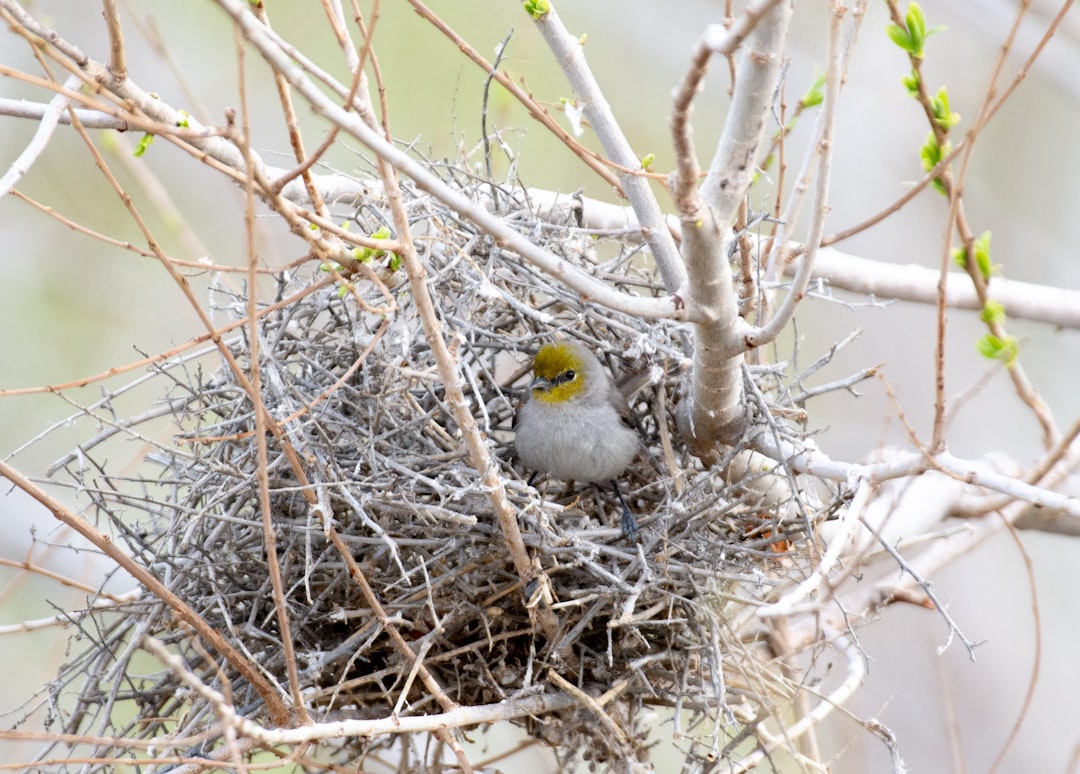
Have you ever wondered where birds choose to build their nests each spring? If you pay close attention, you might be surprised by the variety of places they pick.
From cozy tree branches to hidden spots in your backyard, birds have clever ways to keep their eggs safe. Understanding where birds nest can make your outdoor time more exciting and help you protect these delicate homes. Keep reading, and you’ll discover the secret spots birds use and how you can spot them yourself.

Credit: masterofhort.com
Common Nesting Habitats
Birds build nests in different places during spring. They choose spots that keep their eggs safe and warm.
Many types of habitats provide good shelter and food for birds and their chicks.
Trees And Shrubs
Many birds prefer to nest in trees and shrubs. These places offer protection from predators and bad weather.
Birds use branches and leaves to build their nests. Some nest high in tall trees, while others choose low shrubs.
- Songbirds often nest in tree branches.
- Some birds hide nests in thick shrubs.
- Tree holes serve as safe spots for certain species.
Ground Nests
Some birds build nests on the ground. They pick places with good cover to hide their eggs.
Grass, leaves, and small plants are used to make soft nests. Ground nests can be found in fields and open areas.
- Waterfowl often nest near water on the ground.
- Some songbirds nest in tall grass or bushes close to the ground.
- Ground nests need good camouflage to avoid danger.
Cliffs And Rocky Areas
Birds like gulls and some raptors nest on cliffs or rocky ledges. These places are hard for predators to reach.
They build simple nests with stones or small sticks. The height keeps their eggs safe and gives a good view.
- Seabirds often nest on sea cliffs.
- Raptors use rocky ledges for nesting.
- These sites offer protection from many threats.
Urban Nesting Sites
Some birds adapt well to cities. They nest on buildings, bridges, and other man-made structures.
Urban areas provide many safe spots and food sources. Birds may use ledges, vents, or balconies to build nests.
- Pigeons often nest on building ledges.
- Swallows use bridges and underpasses for nests.
- Urban trees and parks also serve as nesting places.

Credit: www.natureswaybirds.com
Unique Nesting Locations
Birds build nests in many different places during spring. These places help keep their eggs safe and warm.
Some birds choose unusual spots to lay their eggs. These unique locations show how clever birds can be.
Cavities And Holes
Many birds nest inside cavities or holes. These spaces protect them from bad weather and predators.
Birds use holes in trees, old wood, or rocky cliffs. Some even dig their own holes in the ground.
- Woodpeckers drill holes in tree trunks
- Owls nest in hollow tree cavities
- Kingfishers dig burrows in riverbanks
Water-based Nests
Some birds build nests on or near water. These nests float or stay on plants above the water.
Water helps keep these nests safe from land predators. Birds use sticks, reeds, and mud to build them.
- Grebes make floating nests from reeds
- Swans build nests near lakes or rivers
- Jacanas walk on lily pads to reach nests
Man-made Structures
Birds often use man-made objects to build nests. These include buildings, bridges, and even street lamps.
These places offer shelter and safety. Birds adapt well to human environments for nesting.
- Pigeons nest on building ledges
- Swallows use barns and bridges
- House sparrows build nests in gutters
Factors Influencing Nest Choice
Birds choose nesting sites carefully each spring. Their choices help protect their eggs and chicks. Different factors affect where birds decide to build nests.
These factors include safety, food sources, and weather conditions. Understanding these helps explain why birds pick certain spots.
Safety From Predators
Birds look for places where predators cannot reach their nests easily. High branches, thick bushes, or hidden spots often keep nests safe. Some birds avoid open areas to lower risk.
- Dense foliage to hide nests
- Height above ground level
- Distance from common predator paths
- Use of thorny or rough plants
Availability Of Food
Birds build nests near food sources to feed their young. They select areas where insects, seeds, or fruit are easy to find. This choice saves energy for parents during feeding.
| Food Type | Common Nesting Location |
| Insects | Woodlands and forests |
| Seeds | Grasslands and fields |
| Fruits | Fruit trees and shrubs |
Environmental Conditions
Birds prefer spots with good shelter from wind and rain. Temperature and sunlight also matter. Some birds like warm, sunny places. Others need cool, shaded spots.
- Protection from harsh weather
- Good ventilation to keep nests dry
- Sun exposure to warm eggs
- Nearby water sources for drinking

Credit: jcswildlife.com
Nesting Behavior Of Popular Birds
Birds build nests in spring to lay eggs and raise chicks. Each species chooses special places for nesting.
Nests protect eggs and young birds from weather and predators. The type of nest depends on the bird’s habits.
Songbirds
Songbirds often build small cup-shaped nests. They use twigs, grass, and leaves to make cozy homes.
Most songbirds place nests in trees or shrubs. Some build nests in cavities or on building ledges.
- Robins build nests with mud and grass on tree branches.
- Wrens use small holes or dense bushes for nests.
- Warblers make cup nests hidden in leaves.
Waterfowl
Waterfowl like ducks and geese nest near water. They choose quiet spots with good hiding cover.
Many waterfowl build ground nests with grass and feathers. Some use reed beds or floating platforms.
- Ducks often nest on the ground near ponds or lakes.
- Geese build large nests with grass in open areas.
- Swans use reeds to create floating nests on water.
Raptors
Raptors are birds of prey like hawks and eagles. They build large nests high in trees or on cliffs.
These nests are made with sticks and lined with softer materials. Raptors reuse nests year after year.
- Hawks build bulky nests on tall trees or poles.
- Eagles create large stick nests on cliffs or tall trees.
- Ospreys build nests near water, often on platforms.
Tips For Observing Bird Nests
Watching bird nests in spring is a great way to learn about birds. It shows how they build homes and care for their young.
To enjoy this activity, you need to know the best times to watch and how to do it without disturbing the birds.
Best Times To Watch
Spring is the main time birds build nests and lay eggs. Early morning and late afternoon are the best hours to watch.
- Visit before the chicks hatch to see nest building.
- Watch after hatching to see parents feed their young.
- Avoid midday when birds rest and hide.
- Choose calm weather days for better visibility.
Ethical Birdwatching Practices
Always keep a safe distance from nests. Do not touch or move anything near them.
| Practice | Reason |
| Use binoculars | See nests without getting too close |
| Stay quiet | Avoid scaring birds away |
| Do not take eggs or chicks | Protect bird families |
| Follow local wildlife laws | Help preserve habitats |
Frequently Asked Questions
Where Do Most Birds Build Nests In Spring?
Most birds build nests in trees, shrubs, or tall grasses during spring. They choose safe spots to protect eggs and chicks from predators and weather.
Why Do Birds Prefer Trees For Nesting?
Trees provide shelter, height, and safety from ground predators. Branches and leaves offer camouflage, making nests less visible to threats.
How Do Birds Choose Nesting Materials?
Birds select materials like twigs, leaves, feathers, and mud. These materials provide structure, insulation, and protection for eggs and young birds.
Can Birds Nest Near Human Homes In Spring?
Yes, many birds nest near homes for shelter and food. They often use eaves, ledges, and garden shrubs as safe nesting sites.
Conclusion
Spring brings new life to our feathered friends. Birds choose safe spots to build nests. Trees, bushes, and even rooftops become home. Each species has its preference. Some like high places, others low. Nests shelter eggs and chicks from harm.
Understanding their nesting habits helps us protect them. Next time you hear chirping, think of the nests. Appreciate the effort of our winged neighbors. Observing them can be a delightful experience. Enjoy nature’s wonders in your backyard. Respect their space, and they will thrive.
Spring is their season of hope and growth.



