Have you ever wondered where birds choose to build their nests during the summer? If you’ve noticed birds fluttering around your yard or local park, you might be curious about their secret hideouts.
Understanding where birds nest in summer can give you a fresh appreciation for nature right outside your window. You’ll discover the surprising places birds pick to raise their young and how these choices help them stay safe and thrive. Keep reading to unlock the mysteries of bird nesting and see your feathered neighbors in a whole new light.

Credit: masterofhort.com
Common Nesting Sites
Birds choose different places to build their nests in summer. They look for safe spots to protect their eggs and chicks. Nesting sites vary by bird species and environment.
This guide covers common nesting locations where many birds lay their eggs during the warm months. Each site offers unique advantages for raising young birds.
Trees And Shrubs
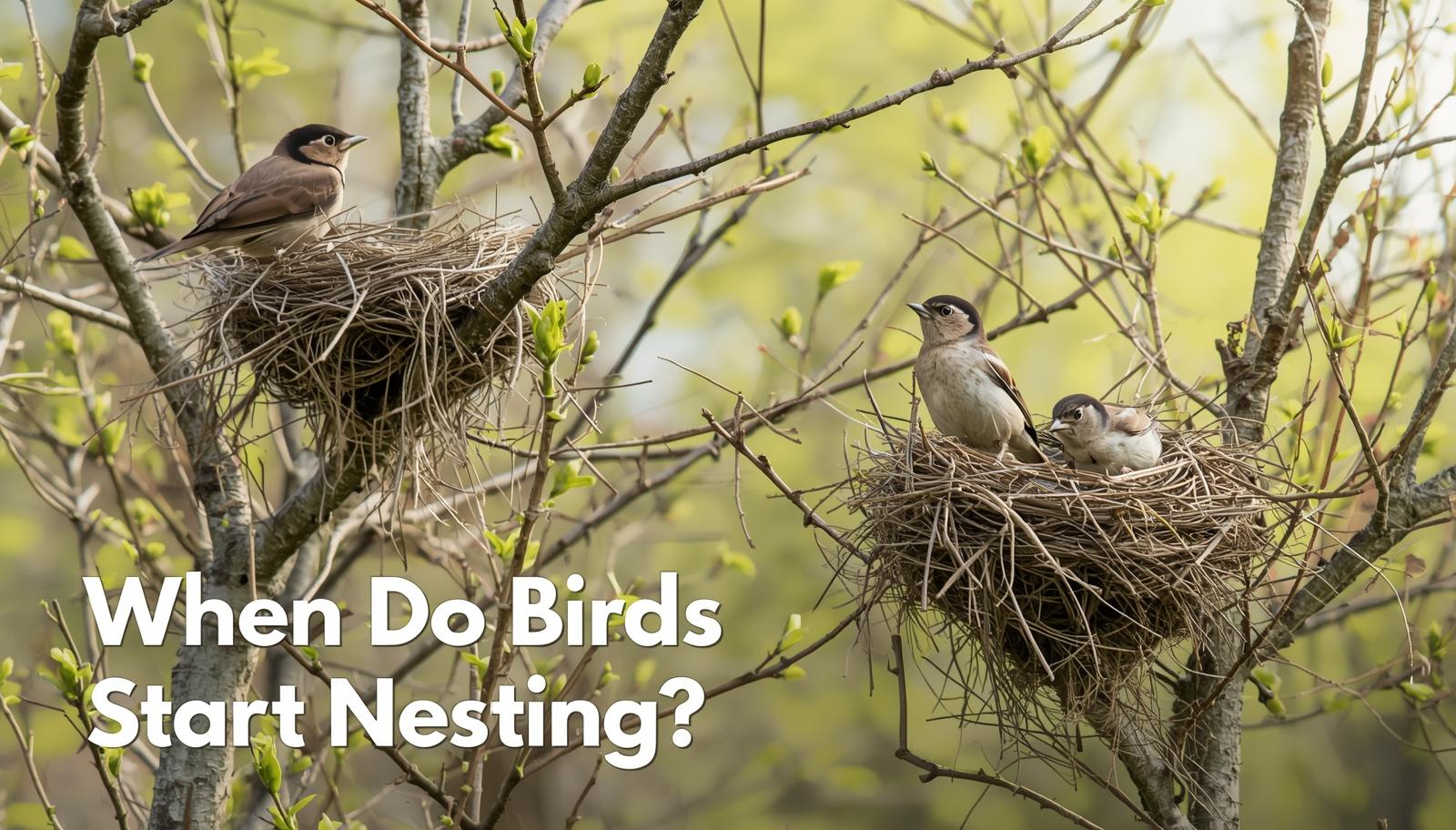
Trees and shrubs provide shelter and height that keep nests safe from many ground predators. Birds often use leaves, twigs, and moss to build their nests here.
- Many songbirds prefer dense shrubs for hidden nests.
- Woodpeckers create holes in tree trunks to lay eggs.
- Large birds like hawks build sturdy nests on tall tree branches.
Ground Nests
Some birds nest directly on the ground. They pick hidden spots among grass, leaves, or rocks to keep their nests safe. Ground nesting birds rely on camouflage to avoid predators.
| Bird Type | Common Ground Nest Location | Protection Method |
| Plovers | Open sandy areas | Camouflage and quick escape |
| Quail | Thick grass patches | Nest concealment |
| Killdeer | Gravel or rocky ground | Distraction displays |
Cliffs And Rock Crevices
Steep cliffs and rocky cracks offer safe nesting spots for birds. These places protect nests from many predators and bad weather. Birds like falcons and gulls often use these sites.
Nesting in cliffs requires birds to be strong flyers. They carry nesting materials to narrow ledges or inside crevices.
Man-made Structures
Birds also use buildings, bridges, and other man-made places for nesting. These sites can be warm and safe but sometimes expose birds to humans and pets.
Common man-made nesting sites include:
- Under roof eaves
- Inside vents or chimneys
- On window ledges and balconies
- In birdhouses or nest boxes
Tree Nests
Birds build nests in trees to protect their eggs and young ones. Trees offer many safe places for nesting during summer.
Nests can be found in different parts of a tree. Each place helps birds stay safe from weather and predators.
High Branch Nests
Many birds build nests on high branches. These nests are often made with twigs and leaves. The height keeps them safe from ground predators.
- Nests are woven tightly to hold eggs.
- Birds use soft materials for comfort.
- High nests offer good views to spot danger.
- Some birds return to the same branch each year.
Hollow Tree Cavities
Some birds use hollow spaces inside tree trunks. These cavities protect them from rain and wind. They are safer from many predators too.
| Bird Type | Common Tree Used | Benefits |
| Woodpeckers | Old Oaks | Good shelter, safe from rain |
| Owls | Maple Trees | Dark and quiet |
| Bluebirds | Hickory | Protected from wind |
Dense Foliage Nests
Some birds build nests hidden in thick leaves. Dense foliage helps hide nests from predators and keeps eggs cool in summer.
- Holly bushes
- Fir trees
- Maple tree branches
- Willow trees
Ground Nesting Birds
Many birds build their nests on the ground during summer. This helps them stay hidden from predators. Ground nesting birds choose places with good cover and food nearby.
These birds use different habitats like fields, beaches, and wetlands. Each place offers unique protection and resources for their nests.
Open Fields And Grasslands
Birds that nest in open fields and grasslands look for tall grass or small bushes. These spots help hide their nests from animals and people. They often make shallow scrapes in the ground to lay eggs.
- Killdeer
- Meadowlark
- Bobwhite Quail
- Horned Lark
Sandy Beaches
Some birds nest directly on sandy beaches. They choose areas above the high tide line to keep nests dry. These birds rely on camouflage and distance from humans for safety.
| Bird Species | Nesting Behavior |
| Piping Plover | Makes shallow scrape lined with small shells |
| Least Tern | Nests in small colonies on open sand |
| American Oystercatcher | Builds nest near driftwood or rocks |
Marshes And Wetlands
Marshes and wetlands offer soft, wet ground for nesting. Birds build nests on raised mud or floating plants. These areas protect the nests from flooding and predators.
- Marsh Wren
- Red-winged Blackbird
- Swamp Sparrow
- Virginia Rail
Nests On Cliffs And Rocks
Birds choose cliffs and rocky areas to build nests in summer. These spots offer safety from many predators. Nesting on cliffs helps birds protect their eggs and chicks.
Different birds prefer different rocky locations. Some like sea cliffs, while others nest in mountains or city rock walls. Each place has unique features that suit certain birds.
Sea Cliffs
Sea cliffs are steep rock faces near oceans. Birds like gulls and puffins build nests here. The cliffs keep nests safe from land animals and strong waves.
- Nests are often made in small crevices or ledges.
- Birds use seaweed, grass, and feathers to build nests.
- These areas offer easy access to fish for feeding chicks.
Mountainous Areas
Birds in mountains use rocky ledges and cliffs for nesting. Eagles and falcons often build large nests here. These sites protect nests from most predators and harsh weather.
| Bird Species | Nesting Spot | Material Used |
| Bald Eagle | High rocky ledges | Sticks and leaves |
| Golden Eagle | Mountain cliffs | Twigs and grass |
| Peregrine Falcon | Steep cliff faces | Small stones and feathers |
Urban Rock Walls
Some birds nest on rock walls in cities. Pigeons and swifts find cracks and ledges to build nests. These urban sites offer shelter and safety from some predators.
- Window ledges and sills
- Cracks between bricks or stones
- Under overhangs or balconies
Nesting In Man-made Structures
Birds often choose man-made structures for nesting during summer. These places offer safety and shelter from weather and predators. Birds adapt well to urban environments by using buildings and other human-made areas.
Many birds find spots around homes and cities that suit their nesting needs. These structures provide good support and protection. People can help birds by understanding where they like to nest.
Building Eaves And Roofs
Birds often nest under the eaves of buildings or on roofs. These spots are high and hidden from many predators. The roof overhang protects nests from rain and sun.
Common birds that use eaves and roofs include swallows and sparrows. They build cup-shaped nests or mud nests attached to the building sides.
- Safe from ground predators
- Protected from rain and wind
- Close to food sources
Bridges And Overpasses
Bridges and overpasses offer good nesting spots for some birds. These structures are usually quiet and less disturbed. Birds like pigeons and swifts use these areas to build nests.
Birds can attach nests to the beams or under the bridge decks. The height keeps nests safe from many animals and people.
- High and out of reach
- Stable support for nests
- Protection from weather
Birdhouses And Nest Boxes
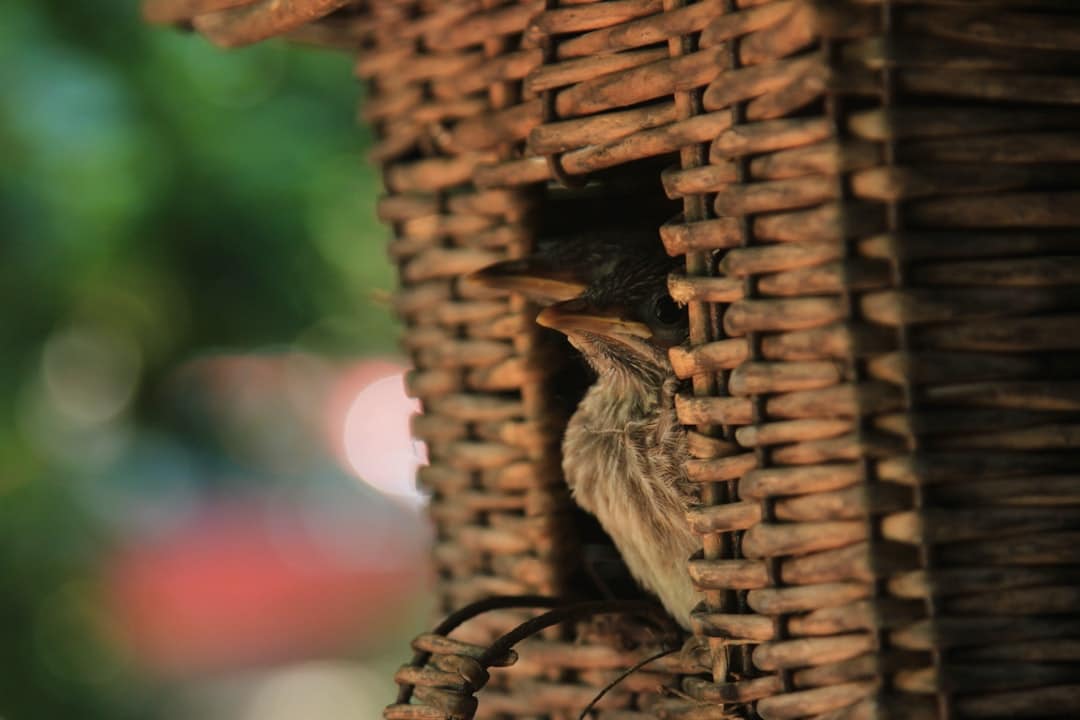
People put up birdhouses or nest boxes to help nesting birds. These boxes mimic natural cavities birds use for nests. They offer shelter and safety for small birds.
Common users include bluebirds, chickadees, and wrens. Birdhouses must be placed in safe spots and cleaned each year to keep birds healthy.
- Provide shelter from predators
- Help increase bird populations
- Easy for people to install

Credit: www.callnorthwest.com
Factors Influencing Nesting Choices
Birds choose their summer nesting spots based on many important factors. These factors help them keep their eggs and chicks safe.
Understanding these factors shows how birds survive and raise their young in different environments.
Predator Protection
Birds pick nesting sites that protect them from predators like snakes and larger birds. They often build nests in places hard to reach.
Dense bushes, tall trees, and cliffs offer safety. Some birds use camouflage to hide their nests well.
- Nests high in trees avoid ground predators
- Thick leaves hide nests from flying predators
- Some birds nest near aggressive species for protection
Climate And Weather
Birds choose spots that match good weather for their young. Too cold or too hot places can harm eggs and chicks.
They also avoid areas with heavy rain or strong winds that can destroy nests.
- Shady spots keep nests cool in hot weather
- Sunny areas help keep eggs warm in cooler regions
- Protected areas reduce damage from storms
Food Availability
Birds build nests near places with plenty of food. This helps parents feed their babies quickly and easily.
Different birds look for insects, seeds, or fruits near their nesting sites.
- Insect-eating birds nest near forests or gardens
- Seed-eating birds choose places with many plants
- Water birds nest close to lakes or rivers for fish
Human Activity
Birds avoid noisy or crowded places with a lot of human activity. Loud sounds can scare them away from nesting.
Some birds adapt and nest near humans if the area is safe and food is easy to find.
- Quiet parks attract more nesting birds
- Construction sites often drive birds away
- Birdhouses in gardens provide safe nesting spots
How To Support Nesting Birds
Birds build nests in many places during summer. They need safe spots to lay eggs and raise chicks.
You can help birds by making their nesting easier and safer. Small actions in your yard can make a big difference.
Providing Safe Nesting Sites
Birds look for quiet, safe places to build nests. You can offer nesting boxes or leave natural areas undisturbed.
Placing birdhouses at different heights helps many bird types find a good home.
- Use weatherproof birdhouses with small entrances
- Put boxes away from strong winds and predators
- Keep old trees and shrubs for natural nests
- Avoid cutting down trees during nesting season
Avoiding Disturbance
Birds need peace to raise their young. Avoid loud noises and sudden movements near nests.
Keep pets and children away from nesting areas. This reduces stress for the birds and helps chicks grow safely.
- Watch nests from a distance
- Do not touch eggs or baby birds
- Limit outdoor activities near nests during summer
- Close curtains or blinds if nests are near windows
Planting Native Vegetation
Native plants provide food and shelter for birds. They attract insects and offer good materials for nests.
Plant trees, shrubs, and flowers that grow naturally in your area. This supports local bird species well.
- Choose berry-producing bushes for food
- Plant dense shrubs for hiding spots
- Include flowering plants that attract insects
- Use a mix of tall and short plants

Credit: ecosystems.psu.edu
Frequently Asked Questions
Where Do Most Birds Build Nests In Summer?
Most birds build nests in trees, shrubs, or tall grasses during summer. They seek safe, elevated spots to protect eggs and chicks from predators and harsh weather.
How Do Birds Choose Nesting Sites In Summer?
Birds select nesting sites based on safety, food availability, and shelter. They prefer locations that offer camouflage and easy access to water and food sources.
What Materials Do Birds Use For Summer Nests?
Birds use twigs, leaves, grass, mud, feathers, and sometimes man-made materials. These materials provide structure, insulation, and comfort to their nests.
Can Birds Nest In Urban Areas During Summer?
Yes, many birds nest in urban settings like gardens, balconies, and parks. They adapt to human presence and find suitable nesting spots in cities.
Conclusion
Birds find various places to nest during summer. Trees offer great shelter and protection. Bushes provide a hidden, cozy spot for many. Some birds choose tall grasses or reeds. Others prefer human-made structures, like barns or balconies. Each choice ensures safety and warmth for their young ones.
Observing these nests can be fascinating for anyone. It connects us to nature’s wonders. So, next time you see a bird, think about its summer home. Appreciate the diverse nesting habits of these incredible creatures. Nature’s beauty is all around us.
Let’s cherish and protect it.