Have you ever wondered where birds go when winter arrives? You might think they all fly away, but many choose to stay close by.
Knowing where birds nest in winter can change how you see your backyard and nature around you. You’ll discover surprising places birds pick to stay warm and safe during the cold months. Understanding their winter homes can help you protect and enjoy these amazing creatures all year long.
Keep reading to uncover the secrets of bird nests in winter!

Credit: seabrookeleckie.com
Winter Nesting Habits
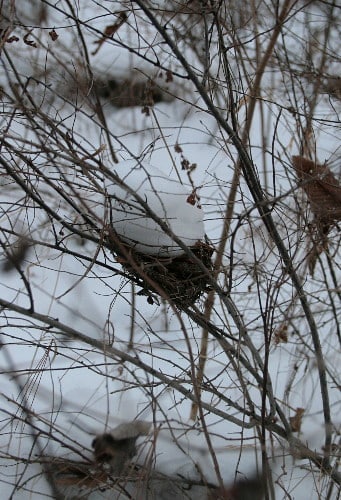
Birds change their nesting habits in winter to survive cold weather. They look for safe places to keep warm and protect their eggs or young ones.
Understanding where birds nest in winter helps us support them better. Many birds build or find nests that suit the chilly season.
Why Birds Need Winter Nests
Birds need winter nests for warmth, safety, and shelter from harsh weather. Nests help them save energy and protect their young.
- Warmth: Nests keep birds cozy during cold nights.
- Protection: Nests hide birds from predators.
- Rest: Birds use nests to rest and conserve energy.
- Raising young: Some birds breed even in winter and need nests for eggs.
Types Of Winter Nests
Birds use different types of nests in winter depending on their species and environment. Some build new nests, while others reuse old ones.
| Type of Nest | Description | Common Birds |
|---|---|---|
| Cavity Nests | Built inside tree holes or birdhouses for shelter. | Woodpeckers, Chickadees |
| Leaf Nests | Made from leaves and twigs, often hidden in bushes. | Thrushes, Sparrows |
| Ground Nests | Placed on or under ground in dense plants. | Quail, Grouse |
| Platform Nests | Large flat nests on branches or cliffs. | Ravens, Hawks |

Credit: www.callnorthwest.com
Natural Shelters Birds Choose
Birds need safe places to stay warm in winter. They look for shelters that protect them from cold and wind.
Natural shelters provide cover and warmth. Different birds pick different spots depending on their needs.
Tree Cavities And Hollows
Many birds nest inside holes in trees. These cavities keep them safe from bad weather and predators.
Woodpeckers, owls, and some small songbirds often use tree hollows. These spaces are cozy and dry.
Dense Evergreen Branches
Evergreen trees have thick branches that hold their leaves all year. Birds hide in these branches to stay warm.
- Conifers like pine and spruce provide good cover.
- Needles block wind and trap heat.
- Birds like chickadees and nuthatches use these spots.
Thick Shrubs And Bushes
Thick bushes give birds shelter close to the ground. They stop snow and cold air from reaching nests.
| Type of Shrub | Birds That Use It |
|---|---|
| Holly | Robins, Sparrows |
| Juniper | Wrens, Finches |
| Dogwood | Thrushes, Warblers |
Rock Crevices And Cliffs
Some birds use cracks in rocks or cliffs for shelter. These places shield them from snow and strong winds.
Birds like swifts and some raptors choose these spots. The rocks keep the temperature steady.
Man-made Structures As Refuges
Birds need safe places to rest and nest during winter. Natural shelters can be scarce in cold months. Man-made structures offer warm and protected spots for many birds.
These structures help birds survive harsh weather. They also provide good places to raise young birds when spring comes.
Birdhouses And Nest Boxes
People build birdhouses and nest boxes to give birds safe homes. These small shelters protect birds from wind and cold.
Birdhouses come in many shapes and sizes. Some have small holes to keep out big animals. Birds like bluebirds, chickadees, and wrens use them in winter.
- Provide shelter from rain and snow
- Keep birds warm during cold nights
- Offer safe places away from predators
Buildings And Roof Spaces
Birds often find shelter in buildings and roof spaces. Attics, eaves, and gaps in walls give birds dry, warm places to stay.
These spots are quiet and hidden. Birds like pigeons, sparrows, and starlings use them during cold months to rest and nest.
- Attics provide warmth from inside heat
- Eaves protect from rain and snow
- Small gaps offer safe hiding spots
Bridges And Other Urban Spots
Bridges and urban structures create good winter homes for birds. The spaces under bridges protect birds from cold winds and rain.
Other urban places like tunnels, abandoned buildings, and vents also serve as refuges. Birds like swallows and pigeons often use these spots.
- Under bridges offers shelter from weather
- Urban tunnels provide dark, warm spaces
- Abandoned buildings give quiet nesting areas
Unique And Unexpected Nesting Spots
Birds do not always build nests in trees or bushes. Some birds choose unusual places to stay warm in winter. These spots help protect them from cold and predators.
Let’s explore some surprising nesting spots birds use during winter months.
Underground Burrows
Some birds nest underground in burrows. These tunnels offer shelter from harsh weather. They keep birds warm and hidden from predators.
Burrows are often dug by birds themselves or taken over from other animals. They may be found in riverbanks, soft soil, or old rodent homes.
- Provide insulation from cold winds
- Offer protection from snow and rain
- Keep birds safe from larger animals
Leaf Litter And Ground Cover
Some birds hide their nests under fallen leaves or thick ground plants. Leaf litter hides the nest from sight and traps heat. This helps birds stay warm during cold nights.
Ground cover like tall grass or low shrubs also provides shelter. Birds choose spots with lots of natural materials nearby to build cozy nests.
- Leaves trap heat and block wind
- Grass and shrubs hide nests from predators
- Easy to find soft materials for nest building
Old Nests Reused In Winter
Many birds reuse nests from previous seasons. Old nests provide a ready-made shelter. Birds add fresh materials to improve warmth and comfort.
Reusing nests saves time and energy. It also gives birds a familiar safe place during cold months.
- Reduces effort needed to build new nests
- Old nests are often well-hidden and sturdy
- Birds refresh nests with feathers and soft plants
Adaptations For Cold Weather
Birds face many challenges in cold winter months. They need to keep warm to survive. Nesting habits change to help them stay safe.
Many birds build nests that protect them from frost and wind. They use special materials and behaviors to keep heat inside.
Insulating Materials Used
Birds use soft and warm materials to make their nests cozy. These materials trap heat and block cold air.
- Feathers from their own bodies or other birds
- Animal fur picked from the ground
- Soft plant fibers like moss and wool
- Leaves and dry grass to fill gaps
- Spider silk to hold nest parts tightly
Group Nesting And Warmth Sharing
Some birds build nests close to each other. This helps them share warmth in cold times. They huddle together during freezing nights.
| Bird Species | Group Size | Benefit |
| Penguins | Hundreds | Body heat shared in large groups |
| Swallows | Dozens | Close nests reduce wind exposure |
| Woodpeckers | Pairs or small groups | Keep nests warm by proximity |
Behavioral Changes During Nesting
Birds change how they behave to save energy and stay warm. They spend more time in the nest and reduce flights.
- Fluff up feathers to trap warm air
- Face away from wind while resting
- Close eyes and tuck head under wing
- Feed more before cold nights to build fat
- Choose sheltered spots for nests
Protecting Winter Nests
Birds need safe places to rest and stay warm during winter. Their nests protect them from cold and danger. Learning how to protect these nests helps birds survive harsh weather.
Winter nests are different from summer nests. Birds often use thick branches, tree holes, or dense shrubs to keep warm. Protecting these spots is very important.
Common Threats And Predators
Many animals look for bird nests in winter. Predators like raccoons, snakes, and some larger birds can destroy nests. Harsh weather can also damage nests and make them unsafe.
Humans can unknowingly harm nests by cutting trees or clearing bushes. Pollution and loud noise can scare birds away from their safe spots.
- Raccoons and squirrels raid nests for eggs or young birds.
- Snakes can slip into tree holes to hunt birds.
- Strong winds and heavy snow can break nests.
- Tree cutting removes shelter for winter nests.
- Loud noises cause birds to abandon nests.
How To Help Birds Find Safe Havens
People can help birds by leaving natural shelters like bushes and dead trees. Planting native shrubs provides cover and food for birds in winter.
Installing birdhouses can give birds a warm place to nest. Make sure birdhouses are high and away from predators. Avoid using chemicals near bird habitats.
- Keep bushes and shrubs thick for shelter.
- Leave dead trees standing if safe.
- Put up birdhouses in quiet, safe spots.
- Do not disturb nests during winter.
- Use natural plants to provide food and cover.

Credit: seabrookeleckie.com
Frequently Asked Questions
Where Do Birds Build Nests In Winter?
Birds build nests in sheltered spots like dense shrubs, tree cavities, and evergreen branches. These locations protect them from harsh weather and predators, ensuring warmth and safety during winter.
How Do Birds Stay Warm In Winter Nests?
Birds fluff their feathers and huddle together in nests to conserve heat. They also choose insulated materials like moss and feathers to line their nests for added warmth.
Do All Birds Nest During Winter?
Not all birds nest in winter; many migrate to warmer areas. However, some species like chickadees and owls nest or roost in winter to stay protected.
What Materials Do Birds Use For Winter Nests?
Birds use materials such as moss, feathers, grass, and twigs. These help insulate the nest and keep it warm against cold winter temperatures.
Conclusion
Birds have unique strategies for nesting in winter. Many seek warm places. Dense trees or cozy barn corners offer refuge. Some migrate to warmer areas. Others adapt to the cold, staying in their nests. Understanding their needs helps us appreciate their resilience.
Winter can be tough for birds. Yet, they continue to thrive and find shelter. Observing their habits teaches us about nature's wonders. Next time you see a bird's nest, think of their journey. Nature is truly amazing. And birds, fascinating creatures.