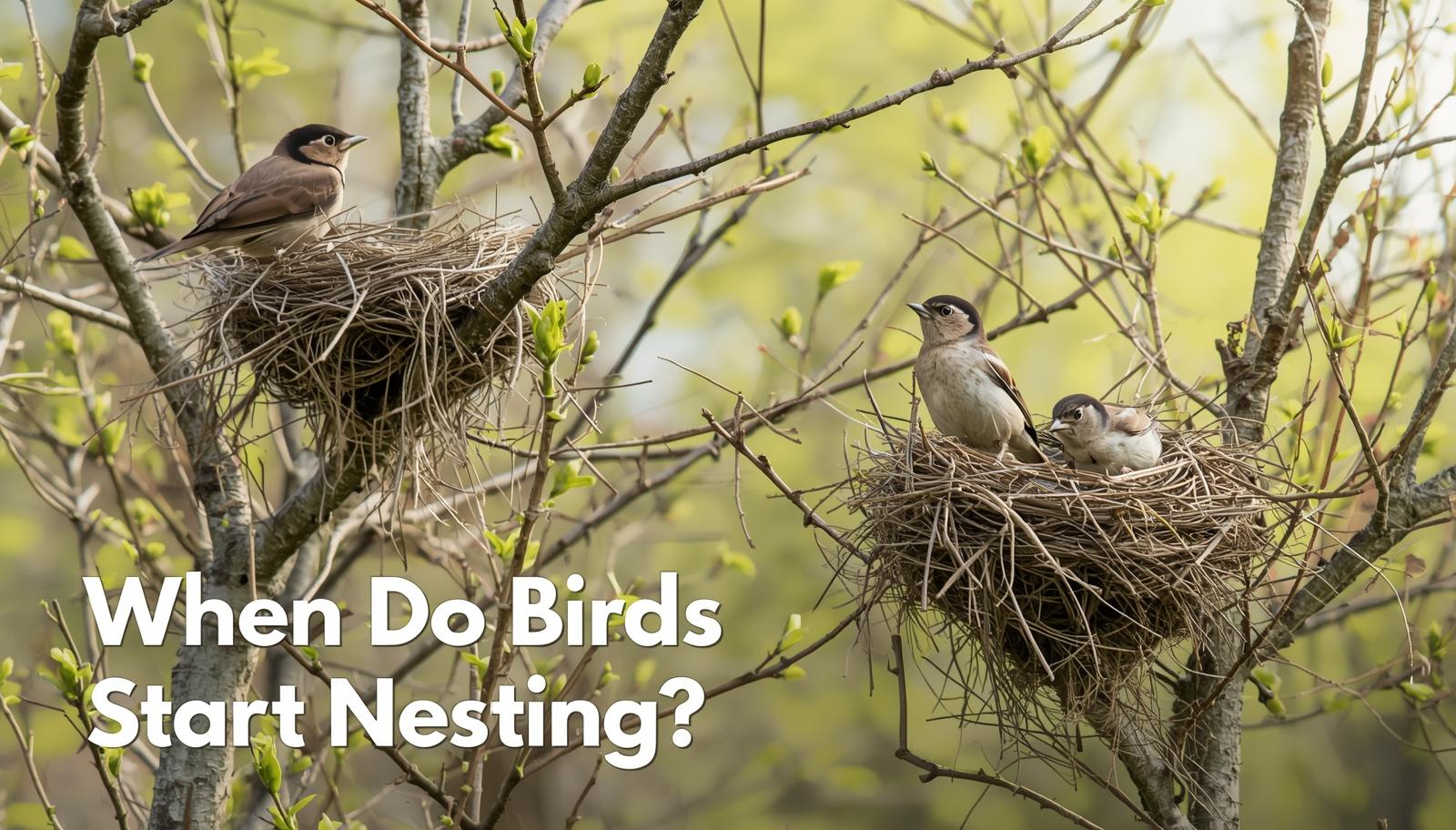
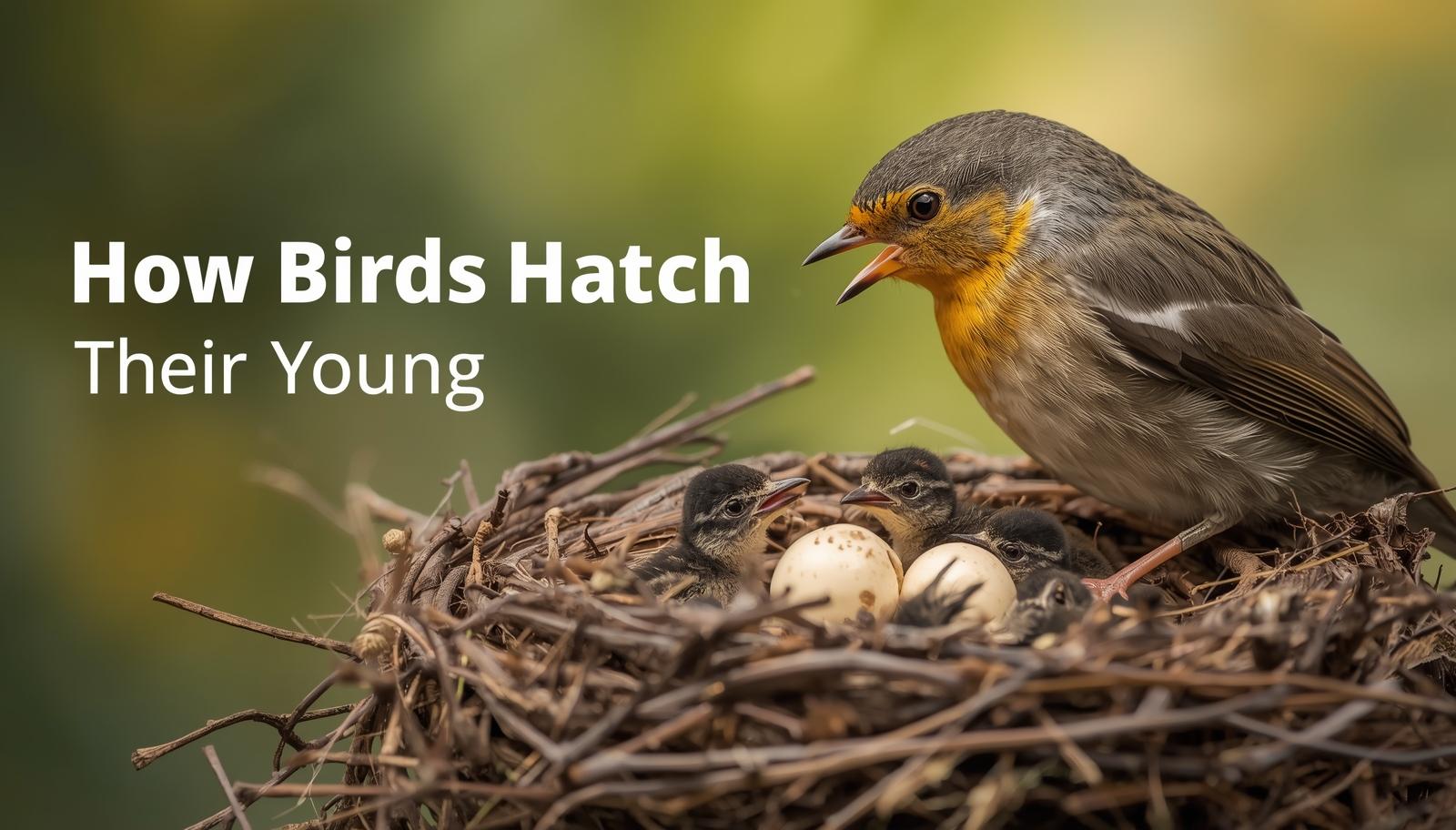
Have you ever wondered which baby birds take their first flight the fastest? Knowing which chicks fledge quickly can surprise you and change how you see the wild around you.
If you’re curious about how nature speeds up growth and what it means for different bird species, this article is for you. Keep reading, and you’ll discover fascinating facts about the fastest fledglers that might just amaze you. Your next outdoor adventure will never feel the same!

Credit: cen.acs.org
Bird Fledging Basics
Fledging is a key stage in a bird’s life. It marks when young birds leave the nest.
Different bird species have different times for fledging. Knowing the basics helps us understand which chicks leave fastest.
What Is Fledging?
Fledging is when chicks grow feathers strong enough to fly. It happens after they hatch and develop in the nest.
During fledging, chicks learn to fly and find food on their own. This step is crucial for their survival outside the nest.
- Chicks leave the nest
- Start flying short distances
- Begin feeding themselves
- Gain independence from parents
Stages Of Chick Development
Chick development has several stages before fledging. Each stage shows important growth changes.
| Stage | Description | Typical Duration |
| Hatching | Chicks break out of eggs | Day 0 |
| Nestling | Chicks stay in nest, grow feathers | 1-14 days |
| Fledgling | Chicks leave nest, learn to fly | 14-30 days |
| Juvenile | Young birds become fully independent | 30+ days |
Factors Affecting Fledging Speed
Fledging speed means how fast baby birds leave the nest. Different birds grow at different rates. Many things affect how quickly chicks can fly on their own.
Understanding these factors helps us learn about bird growth and survival. We look at genetics, environment, and how parents care for their chicks.
Genetics And Species Traits
Each bird species has unique traits that affect how fast chicks develop. Some species naturally grow faster. Genetics control size, strength, and muscle development.
- Small birds usually fledge faster than large birds
- Predator species often have quicker fledging times
- Birds with shorter lifespans may develop faster
- Inherited traits influence wing strength and coordination
Environmental Influences
The environment plays a big role in fledging speed. Weather, food availability, and habitat safety all matter. Harsh conditions can slow down growth.
| Environmental Factor | Effect on Fledging |
| Temperature | Warmer conditions speed growth |
| Food Supply | More food helps chicks grow faster |
| Predators | High risk may cause earlier fledging |
| Habitat Quality | Good shelter supports healthy development |
Parental Care And Feeding
Parents affect fledging speed by how they feed and protect chicks. More feeding means faster growth. Parents teach chicks skills needed for flying.
- Frequent feeding increases chick energy
- Protection from predators reduces stress
- Teaching flight skills improves flying readiness
- Parents’ experience affects care quality
Fastest Fledging Bird Species
Fledging means when baby birds grow feathers and learn to fly. Different bird species take different times to fledge. Some chicks grow very fast and leave the nest sooner than others.
This article talks about which chicks fledge the fastest. We look at songbirds, waterbirds, and raptors. Each group has unique growth speeds and timelines.
Songbirds With Rapid Growth
Many songbirds grow quickly to escape predators. They usually fledge within two to three weeks after hatching. Smaller songbirds like sparrows and finches grow fast.
These birds feed their chicks often. The quick feeding helps the chicks develop wings and muscles fast.
- House Sparrows fledge in about 14 days
- American Goldfinches leave the nest around 12-14 days
- Chickadees take around 16 days to fledge
Waterbirds And Their Development
Waterbirds usually take longer to fledge than songbirds. Ducks and geese chicks can leave the nest within a few days but still depend on parents for weeks. They grow strong quickly to swim and escape danger.
Shorebirds like sandpipers and plovers also grow fast. They walk soon after hatching and learn to find food quickly.
- Mallard ducklings leave the nest in 1-2 days but fledge in 50 days
- Sandpiper chicks can walk and feed themselves within hours
- Plovers fledge in about 35 days
Raptors And Their Unique Timelines
Raptors like hawks and eagles have slower fledging times. Their chicks grow strong to fly and hunt. This takes more time because they need more muscle and skill.
Even though they take longer, raptor chicks develop quickly compared to some larger birds. They learn to fly usually between 40 and 60 days after hatching.
- Cooper’s Hawk chicks fledge in about 30 to 35 days
- Bald Eagle chicks fledge around 10 to 12 weeks
- Red-tailed Hawk chicks fledge in 42 to 46 days
Adaptations Behind Quick Fledging
Some bird chicks leave the nest faster than others. This quick fledging helps them survive in different environments. Birds have special traits that speed up their growth and readiness to fly.
Understanding these adaptations shows how nature shapes young birds to face challenges early. Fast fledging is a mix of evolution, safety needs, and energy use.
Evolutionary Advantages
Quick fledging helps birds avoid dangers and increases their chance to reproduce. Chicks that grow fast can leave the nest before predators arrive.
- Reduces time spent vulnerable in the nest
- Allows parents to have more broods per season
- Helps species adapt to changing climates faster
- Improves survival rates of chicks
Nest Safety And Predation Pressure
Birds face threats from predators near their nests. Quick fledging lowers the chance of being caught. Some birds build hidden or hard-to-reach nests.
| Predator Type | Adaptation | Effect on Fledging |
| Snakes | Elevated nests | Faster fledging to avoid snake visits |
| Birds of prey | Dense foliage nests | Shorter nest times for less exposure |
| Mammals | Camouflaged nests | Quick fledging to reduce scent trails |
Energy Efficiency In Growth
Growing fast uses a lot of energy. Some chicks have special diets or body functions to grow quickly without wasting energy.
Ways chicks save energy during fast growth:
- Eating high-protein food provided by parents
- Using fat stores efficiently
- Developing muscles and feathers in stages
- Minimizing movement in the nest to save energy
Comparing Slow And Fast Fledging Birds
Bird chicks leave the nest at different speeds. Some birds take a long time to fledge. Others grow quickly and fly early.
These differences affect how birds survive and live in nature. We can learn a lot by comparing slow and fast fledging birds.
Survival Strategies
Fast fledging chicks leave the nest sooner. This helps them avoid predators near the nest. They learn to find food quickly.
Slow fledging chicks stay longer in the nest. They get more care and food from parents. This helps them grow stronger before flying.
- Fast fledging: early flight, less nest danger
- Slow fledging: longer care, stronger body
Impact On Population Dynamics
Fast fledging can increase bird numbers quickly. More chicks survive early dangers. This can boost the population fast.
Slow fledging may lower chick numbers but raise quality. Stronger birds survive longer and have more babies later. This keeps populations stable.
- Fast fledging: quick population growth
- Slow fledging: stable, healthy population
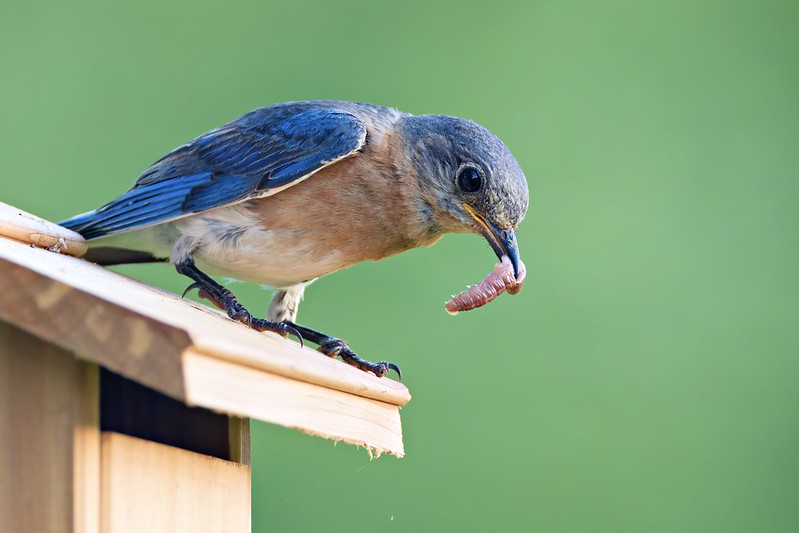
Credit: stevecreek.com
Implications For Conservation
Understanding which chicks fledge fastest helps protect bird species. Fast fledging can increase survival chances.
Conservation efforts use fledging data to guide actions. This helps keep bird populations healthy.
Monitoring Fledging Rates
Tracking fledging rates shows how well birds grow in the wild. It reveals if chicks face risks from predators or food shortages.
- Use regular nest checks to count fledglings.
- Record the age when chicks leave the nest.
- Note environmental conditions during growth.
- Compare rates across habitats and seasons.
Habitat Management To Support Development
Good habitats help chicks grow and leave nests faster. Managing these areas is key for conservation.
| Habitat Type | Benefit to Chicks |
| Dense Shrubs | Protection from predators |
| Open Grasslands | Easy access to food |
| Wetlands | Rich insect supply |
| Mature Forests | Safe nesting sites |

Credit: www.iowapublicradio.org
Frequently Asked Questions
Which Bird Chicks Fledge The Fastest?
Hummingbird chicks fledge fastest, usually within 18 to 22 days. Small size and rapid growth enable quick development compared to larger species.
Why Do Some Chicks Fledge Faster Than Others?
Chicks fledge faster due to factors like species, food availability, and predation risk. Faster fledging improves survival chances in risky environments.
How Does Fledging Speed Affect Chick Survival?
Faster fledging reduces vulnerability to predators but may limit skill development. Birds balance fledging speed with readiness to ensure survival.
What Habitat Influences Chick Fledging Times?
Open habitats with high predator presence often lead to quicker fledging. Dense habitats may allow longer nestling periods for skill growth.
Conclusion
Different chicks fledge at different speeds. Their environment plays a big role. Some need to leave the nest quickly for survival. Others take their time to ensure safety and strength. Nature balances speed and care in each species. Understanding this helps in bird conservation efforts.
We learn how to support them better. Observing these differences enriches our knowledge of bird life. Each chick's journey to flight is unique and fascinating. Nature's diversity is truly amazing. Every chick has its own pace and story.