Have you ever wondered, “Why does my bird keep chirping so much?” If your feathered friend’s constant chirping is driving you curious or even a little bit crazy, you’re not alone.
Birds use chirping to communicate, but when it feels nonstop, it can leave you wondering what they’re really trying to say. Understanding why your bird chirps can help you connect better and even improve their happiness. Keep reading to discover the surprising reasons behind your bird’s chatter and how you can respond to their calls in the best way.
Common Chirping Reasons
Birds chirp for many reasons. Chirping is a way for birds to share feelings and needs.
Understanding why your bird chirps helps you care for it better. Let’s look at common causes.
Communication And Social Interaction
Birds use chirping to talk with other birds and people. It is their way to say hello or warn about danger.
When your bird chirps around you, it wants to connect and be part of the group.
Seeking Attention
Birds chirp loudly to get your attention. They want you to play or spend time with them.
Ignoring chirps may make your bird chirp more to be noticed.
Expressing Hunger Or Thirst
Birds chirp when they feel hungry or thirsty. This is their way to tell you they need food or water.
Check your bird’s food and water bowls if it chirps often and looks restless.

Credit: www.reddit.com
Environmental Triggers
Birds often chirp because of things happening around them. Their sounds can tell you about their feelings or needs.
One big reason birds keep chirping is changes in their environment. These changes catch their attention and make them react.
Noises And Movements Around
Birds hear sounds we may not notice. New noises can make them alert or excited. Movements near them can also cause chirping.
- People walking by the cage
- Other pets moving nearby
- Doors opening and closing
- Television or radio sounds
- Outdoor noises like cars or birds
These noises and movements make your bird chirp to communicate or warn. It is their way to stay aware of their home.
Changes In Lighting Or Temperature
Birds are sensitive to light and warmth. Bright lights or shadows can change their mood. Temperature shifts can also affect their chirping.
| Lighting Condition | Effect on Bird |
| Bright Morning Light | Increases chirping and activity |
| Dim or Dark | Bird becomes quiet or sleepy |
| Sudden Light Changes | Causes alert chirps or calls |
| Warm Temperature | Bird feels comfortable and chirps softly |
| Cold Temperature | Bird may chirp loudly to stay warm |
Emotional States
Birds use chirping to express their feelings. Their sounds tell us how they feel inside.
Understanding these emotions helps us take better care of our birds.
Stress And Anxiety
Birds chirp loudly when they feel scared or stressed. Loud noises or new places can cause this.
Stress makes birds restless and talkative. They want to feel safe again.
- Changes in the environment
- New people or pets nearby
- Unfamiliar sounds or smells
Excitement And Happiness
Happy birds chirp to show joy. They sing more when they feel playful or loved.
Chirping is their way to share good feelings with you.
- Seeing their favorite person
- Playing with toys
- Exploring new things
Loneliness And Boredom
Birds chirp to fight loneliness. They want company and attention.
When bored, they make noise to stay busy and alert.
- Being alone for long times
- Not having enough toys
- Lack of interaction with people

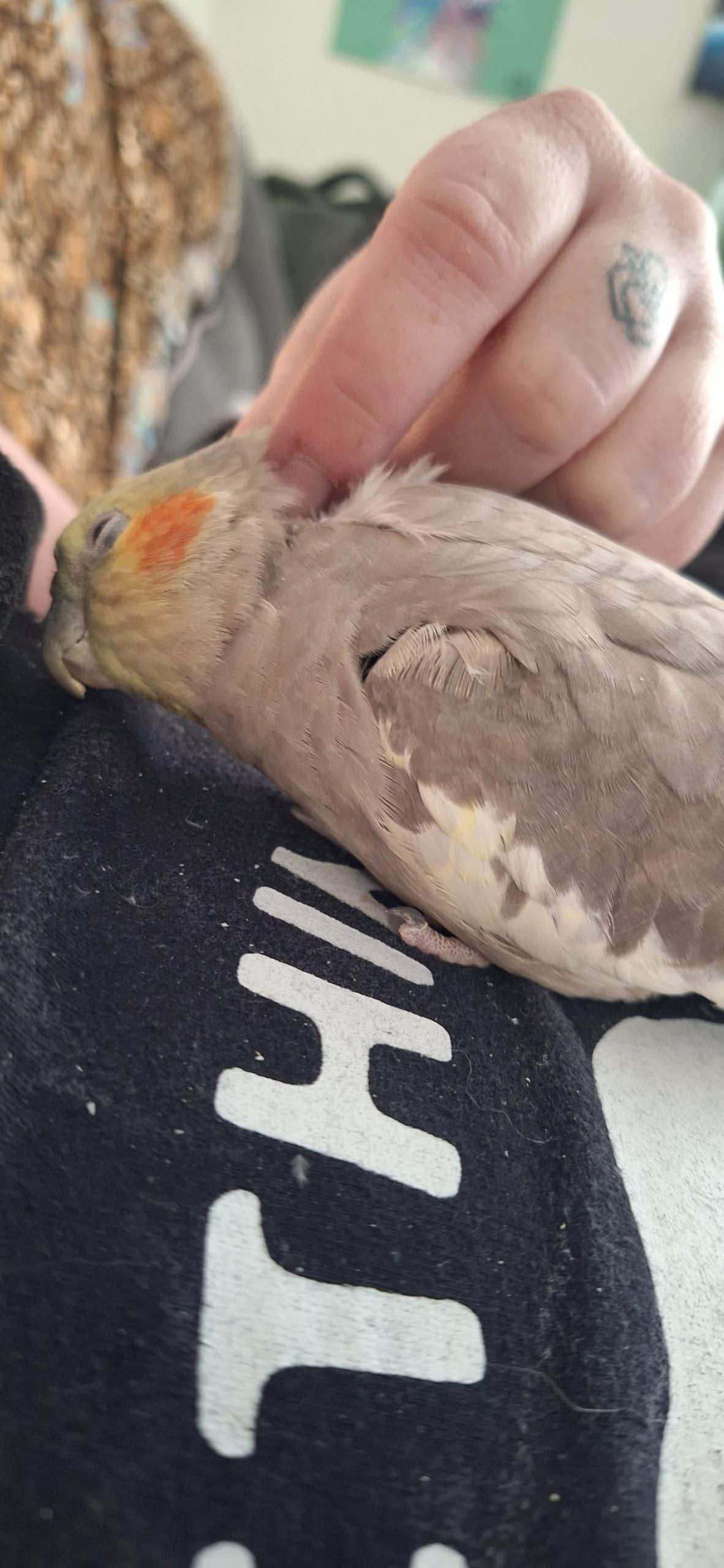
Credit: www.reddit.com
Health-related Causes
Birds use chirping to communicate many feelings. Sometimes, constant chirping shows health issues. Understanding these can help you take better care of your bird.
Three common health-related reasons for chirping are illness, hormonal changes, and age. Each affects your bird differently.
Illness Or Discomfort
Birds often chirp more when they feel sick or uncomfortable. They cannot tell us with words, so chirping is their way to show distress.
- Infections can cause pain and make birds vocalize more.
- Injuries may lead to constant chirping due to discomfort.
- Digestive problems often cause restless behavior and noise.
- Parasites on skin or feathers can irritate and increase chirping.
Hormonal Changes
Birds experience hormonal shifts during breeding seasons. These changes can make them more vocal than usual.
| Hormonal Phase | Effect on Chirping |
| Pre-Breeding | Increased chirping to attract mates |
| Breeding | Louder and frequent calls to defend territory |
| Post-Breeding | Reduced chirping as hormones stabilize |
Age And Developmental Stages
Young birds chirp more as they grow and learn. This chirping helps them get attention and care from parents.
Here are common chirping behaviors by age:
- Chicks:Constant chirping for warmth and food
- Juveniles:Chirping to practice sounds and communicate
- Adults:Chirping mainly for territory and mates
Behavioral Factors
Birds chirp for many behavioral reasons. These sounds help them communicate with other birds.
Understanding why your bird chirps can help you care for it better. Some chirping is normal behavior.
Territorial Calls
Birds use chirping to mark their territory. This shows other birds where they live.
Territorial calls warn intruders to stay away. These sounds protect their home and food.
- Defends nesting area
- Signals ownership of food spots
- Alerts neighbors about territory
Mating Behaviors
Birds chirp to attract mates during breeding season. These sounds show they are ready to pair.
Mating calls help birds find partners and build bonds. Chirping is part of their courtship rituals.
- Attracts a potential mate
- Strengthens pair bonds
- Signals health and vitality
Habit Formation
Birds develop chirping habits over time. They may chirp out of routine or comfort.
Some birds chirp to get attention or when they feel lonely. This behavior becomes a habit.
- Chirping for attention
- Expressing boredom or loneliness
- Routine vocalizing at certain times

Credit: www.youtube.com
Managing Excessive Chirping
Birds chirp to communicate and express feelings. Sometimes, they chirp too much. This can be tiring for owners and stressful for birds.
Managing excessive chirping helps keep peace in your home. It also ensures your bird stays happy and healthy.
Creating A Stimulating Environment
Birds chirp when they feel bored or lonely. A lively environment keeps them busy and calm. Add toys, mirrors, and swings to their cage.
Change toys often to keep your bird interested. Play soft music or leave a radio on for background noise. This reduces loud chirping.
- Provide colorful and safe toys
- Offer perches of different sizes
- Include puzzle feeders for mental exercise
- Play natural sounds or soft music
- Give access to windows for outside views
Establishing A Routine
Birds like predictability. A daily routine helps them feel secure. Feed your bird at the same times every day.
Set regular times for play and rest. A consistent schedule lowers anxiety and reduces constant chirping.
- Feed at fixed times daily
- Schedule playtime and quiet time
- Keep lights on and off at regular hours
- Allow enough sleep in a dark, quiet space
Consulting A Veterinarian
Excessive chirping may signal health problems. A vet can check if your bird feels pain or stress. Early care prevents serious issues.
Talk to a vet about behavior changes. They may suggest tests or treatments. Professional advice helps your bird stay well.
Frequently Asked Questions
Why Does My Bird Chirp Constantly?
Birds chirp constantly to communicate, express emotions, or seek attention. It’s their natural behavior to stay social and alert.
Is Excessive Chirping A Sign Of Bird Distress?
Yes, excessive chirping can indicate stress, boredom, or discomfort. Check your bird’s environment and health for potential issues.
How Can I Reduce My Bird’s Chirping?
Provide toys, social interaction, and a comfortable environment. Regular playtime and mental stimulation help reduce excessive chirping.
Do Birds Chirp More During Certain Times?
Birds often chirp more during mornings and evenings. These are their natural active periods for communication and territory marking.
Conclusion
Birds chirp for many reasons, from expressing joy to seeking attention. Observing your bird can help you understand its needs better. A happy bird often sings or chirps. But constant noise might signal discomfort or stress. Ensure your bird has enough food, water, and social interaction.
A comfortable environment reduces stress and promotes well-being. Talk to a vet if you notice unusual chirping. Understanding these cues strengthens your bond with your feathered friend. Keep learning and listening. Your bird’s chirps are its way of communicating. Embrace their song, and enjoy the connection.