

Have you ever wondered why some birds disappear from your favorite places each year? Bird migration is an incredible natural event, but it’s also a sign of something more fragile beneath the surface.
As these birds travel thousands of miles, many face dangers that threaten their survival. Understanding the link between bird migration and extinction risk isn’t just for scientists—it affects your world too. Keep reading to discover why these winged travelers need your attention and what their struggle means for the future of our planet.

Credit: www.discovermagazine.com
Bird Migration Patterns
Bird migration is the regular movement of birds from one place to another. These patterns help birds find food and better climates.
Studying bird migration helps us understand their survival and the risks they face in nature.
Seasonal Routes
Birds follow specific routes during different seasons. These routes connect breeding and wintering areas.
Many birds travel thousands of miles along these paths to find food and safe places to live.
- Spring routes lead birds to breeding grounds
- Fall routes take birds to warmer areas
- Some routes are long and cross oceans
- Others stay close to land and follow coastlines
Navigation Mechanisms
Birds use many ways to find their way during migration. They rely on the sun, stars, and Earth's magnetic field.
They also use landmarks like mountains, rivers, and coastlines to guide them.
- Sun compass helps birds during the day
- Stars guide birds at night
- Earth’s magnetic field acts like a natural compass
- Visual landmarks help in familiar areas
Species Variations
Different bird species migrate in unique ways. Some travel alone, while others move in large groups.
The distance and timing of migration also vary among species. Some birds fly short distances; others fly across continents.
| Species | Migration Style | Distance |
| Swallows | Travel in flocks | Thousands of miles |
| Arctic Terns | Long solo flights | Over 20,000 miles |
| Robins | Short group trips | Hundreds of miles |
| Owls | Some migrate alone | Varies by species |

Credit: naturecanada.ca
Factors Affecting Migration
Bird migration is a natural journey birds take every year. Many factors affect how and when they migrate.
These factors can also increase the risk of extinction for some bird species.
Climate Change Impact
Climate change changes weather patterns and temperatures. Birds may find it harder to know the right time to migrate.
Some birds face food shortages because plants and insects appear earlier or later than usual.
- Warmer temperatures can confuse migration timing
- Storms and extreme weather can harm migrating birds
- Changing habitats affect resting and feeding stops
Habitat Loss
Birds need safe places to rest and eat during migration. Habitat loss reduces these important areas.
Building cities, farming, and deforestation destroy or change these habitats quickly.
- Wetlands and forests are common stopover sites
- Loss of habitat means fewer places to rest
- Birds may travel longer distances, risking exhaustion
- Physiologists explain the energy crisis: "We often think of migration as a continuous flight, but the most critical phase is the stopover. Migratory birds arrive at these sites physiologically depleted, having burned their muscle and organ tissue for fuel. If a stopover site has been paved over or degraded, the bird cannot rebuild the fat stores necessary for the next leg of the journey. This leads to 'carry-over effects', where the bird might survive the flight but arrive too weak to breed, effectively leading to reproductive failure."
Pollution Effects
Pollution harms birds during migration. Chemicals and trash can poison birds or block their paths.
Light pollution can confuse birds that use stars to navigate at night.
- Oil spills poison water and food sources
- Plastic waste can trap or be eaten by birds
- Light pollution causes birds to lose direction
Link Between Migration And Extinction
Bird migration is a natural process where birds travel long distances each year. This journey is important for their survival and reproduction.
Migration can increase the risk of extinction for some bird species. Many factors during migration make birds vulnerable to threats.
Vulnerability During Migration
Birds face many dangers while migrating. They travel thousands of miles and need safe stopover sites to rest and find food.
Loss of habitat, bad weather, and hunting increase risks. Exhaustion and lack of food can cause death during migration.
- Habitat loss reduces resting and feeding spots
- Severe weather can cause injuries or death
- Hunting and human disturbance increase mortality
- Biologists identify the weak points: "The greatest risk to many species is the 'Migratory Bottleneck.' These are specific geographic funnels—like the Isthmus of Panama or the Strait of Gibraltar—where millions of birds from different populations are forced to pass through a narrow corridor. A single localized event in a bottleneck, such as a severe storm or a new wind farm development, can have a catastrophic, species-level impact that wouldn't occur if the birds were dispersed."
Population Declines
When many birds die during migration, populations go down. This makes species weaker and less able to survive changes.
Declines happen faster if breeding or wintering habitats are also damaged. Small populations face higher extinction risk.
- Increased mortality lowers population size
- Damaged breeding sites reduce offspring
- Winter habitat loss affects survival rates
Case Studies Of At-risk Species
The Red Knot is a bird that migrates long distances. It depends on stopover sites with food, which are disappearing.
Another example is the Spoon-billed Sandpiper. It faces habitat loss and hunting along its migration route.
- Red Knot: Declines due to loss of coastal feeding areas
- Spoon-billed Sandpiper: Threatened by habitat destruction and hunting
- Whooping Crane: Small population and habitat changes increase extinction risk
Urgent Threats To Migratory Birds
Migratory birds face many dangers as they travel long distances. These risks can harm bird populations and increase extinction chances.
This article explains three major threats: hunting and poaching, collisions with man-made structures, and invasive predators.
Hunting And Poaching
Many migratory birds are hunted for food or sport. Illegal poaching also reduces bird numbers quickly. This threat affects species that stop in certain areas during migration.
- Hunting reduces adult birds needed for breeding.
- Poaching targets rare species, increasing extinction risk.
- Unregulated hunting disrupts migration patterns.
- Local laws often fail to protect migratory birds.
Collisions With Man-made Structures
Birds often collide with buildings, wind turbines, and power lines. These accidents cause many deaths every year. Migratory birds face this danger during day and night flights.
| Structure | Impact on Birds | Mitigation |
| Glass Windows | High collision risk due to reflection | Use bird-safe glass or decals |
| Wind Turbines | Injury from blades during migration | Place turbines away from flight paths |
| Power Lines | Electrocution and collisions | Install bird diverters and insulation |
Invasive Predators
Non-native animals threaten migratory birds by eating eggs and chicks. These predators often live near bird nesting sites. They reduce bird survival rates and cause local population drops.
- Feral cats
- Rats
- Mongoose
- Foxes
Conservation Efforts
Bird migration faces many threats that increase extinction risks. Conservation efforts work to protect these birds and their routes. These actions help keep bird populations healthy and safe.
Many groups and countries join forces to protect migratory birds. Efforts include protecting habitats, sharing knowledge, and involving local communities. Each plays a vital role in conservation success.
Protected Flyways
Protected flyways are safe paths for birds to travel during migration. These areas have laws to stop habitat loss and reduce dangers like hunting or pollution.
- Wetlands preserved to provide resting spots
- Forest areas protected from logging
- Urban light pollution reduced near flyways
- Monitoring of key sites for threats and bird numbers
International Cooperation
Birds cross many countries during migration. Nations work together to create rules and share data. This cooperation helps protect birds along all their routes.
| Country | Role in Bird Conservation |
| Country A | Protects breeding sites |
| Country B | Monitors migration patterns |
| Country C | Enforces hunting laws |
| Country D | Supports habitat restoration |
Community Engagement
Local people play a key role in bird conservation. They help watch birds and protect habitats. Education and involvement create strong support for bird safety.
Community actions include:
- Organizing birdwatching events
- Training volunteers to report threats
- Creating local habitat gardens
- Teaching children about bird migration
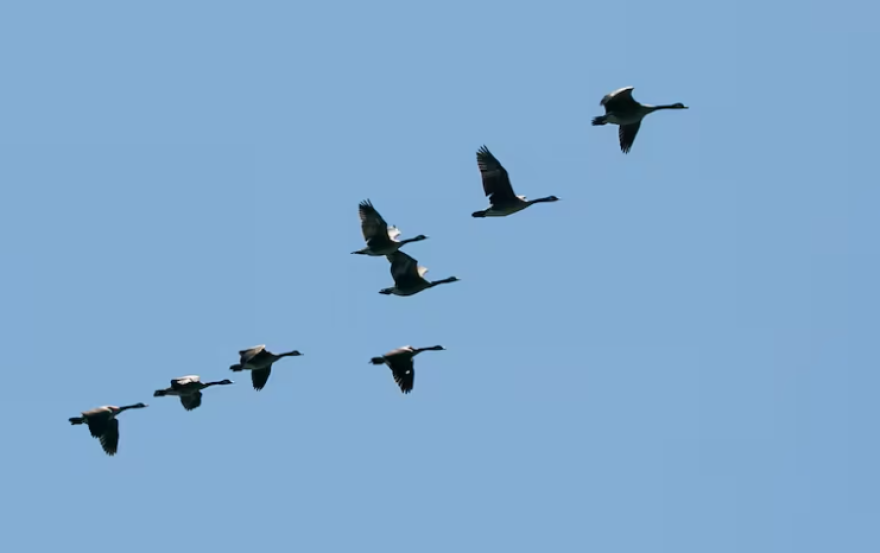
Credit: www.klcc.org
Future Outlook
Bird migration faces new challenges as the world changes. Many species risk extinction if we do not act. The future depends on smart solutions and strong efforts.
Scientists and policymakers work to protect migratory birds. They study patterns and threats to keep birds safe. Understanding the future helps guide these actions.
Technological Advances
New technology helps track bird movements more accurately. GPS devices and satellites show where birds travel. This data helps spot dangers and protect habitats.
Technology also improves habitat monitoring. Cameras and sensors detect changes in the environment fast. This early warning helps stop harm to birds.
- GPS tracking shows exact migration routes
- Satellites monitor large areas of habitat
- Automated sensors detect environmental threats
- Data analysis predicts future migration changes
Policy Changes
New laws can protect important bird areas. Governments can limit hunting and reduce pollution. Policies can also support safe migration paths.
International cooperation is key for migratory birds. Countries must agree on protection efforts. Strong rules can reduce risks from climate change and habitat loss.
- Protect critical habitats with legal status
- Ban harmful hunting practices
- Support clean energy to reduce pollution
- Coordinate conservation across countries
Research Priorities
Scientists need to study how climate change affects migration. Understanding new threats helps plan protection. Research also focuses on bird health and breeding success.
More studies on habitat needs will guide conservation. Research on human impact can reduce dangers. Gathering this information supports better decision-making.
- Study climate change effects on migration timing
- Monitor bird health during migration
- Identify key habitats for breeding and resting
- Assess human activities that harm birds
Frequently Asked Questions
What Causes Birds To Migrate Seasonally?
Bird migration is triggered by changes in daylight and temperature. Birds travel to find food, breed, and survive harsh climates. Migration helps them access better resources and safer habitats during different seasons.
How Does Migration Increase Bird Extinction Risk?
Migration exposes birds to threats like habitat loss, hunting, and climate change. These risks reduce survival chances and breeding success. Migratory birds face challenges in multiple locations, increasing their vulnerability to extinction.
Which Bird Species Are Most At Risk From Migration?
Long-distance migratory birds, like shorebirds and songbirds, face higher risks. They rely on multiple habitats, making them vulnerable to environmental changes. Species with specific migration routes are especially threatened by habitat destruction.
How Can Conservation Help Protect Migratory Birds?
Conservation efforts focus on protecting key habitats along migration routes. Creating safe stopover sites and reducing threats like pollution aid bird survival. International cooperation is vital to safeguard migratory birds across countries.
Conclusion
Bird migration faces growing challenges and risks. Climate change impacts their routes. Habitat loss adds pressure. These factors increase extinction risks for many species. Conserving habitats is crucial. Protecting these areas ensures safe migration paths. Public awareness helps drive conservation efforts.
Small actions make a difference. Support organizations working for bird protection. Every step counts in preserving these species. Together, we can safeguard their future. Understanding the risks helps us take informed actions. Let's act now to support bird migration and reduce extinction threats.
Our efforts today impact tomorrow's biodiversity.


