Have you ever stopped to wonder why bird eggs come in so many different colors? From soft blues to speckled browns, these vibrant hues are more than just beautiful—they hold secrets about nature, survival, and bird behavior.
Understanding bird egg colors can change the way you see the world around you and even help you spot hidden nests during your next outdoor adventure. Keep reading to discover the fascinating reasons behind these colorful eggs and how they play a key role in the lives of birds you might see every day.
Egg Color Variations
Bird eggs come in many colors. These colors help protect eggs and attract mates.
Colors vary by species and environment. They range from common shades to rare hues.
Common Colors
Many birds lay eggs in simple colors. White, blue, and brown are the most common.
- White eggs are typical for birds nesting in hidden places.
- Blue eggs often appear in songbirds like robins.
- Brown eggs have speckles to blend in with the ground.
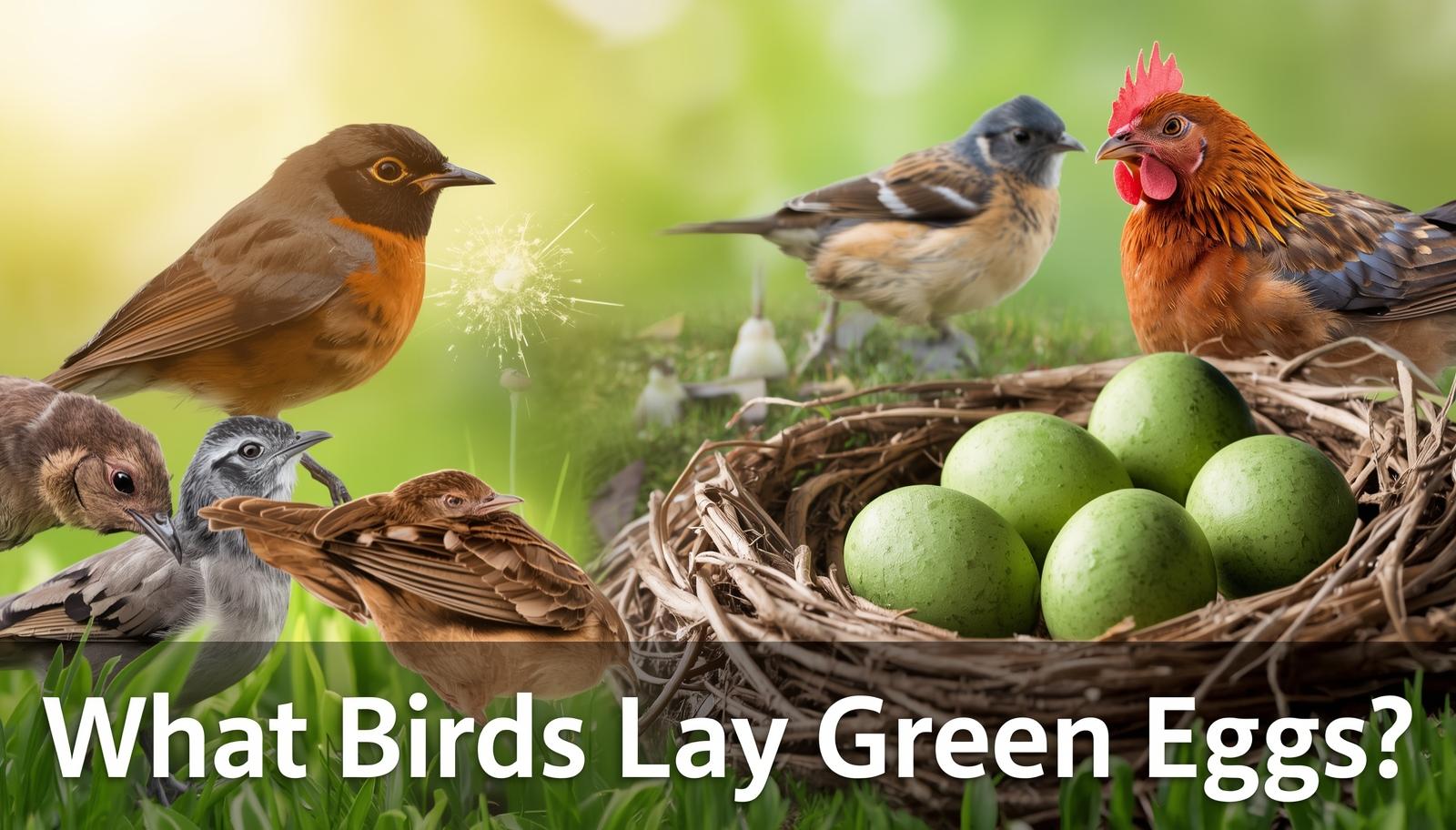
- Green eggs help camouflage in leafy nests.
Unusual Shades
Some birds lay eggs in rare colors. These shades stand out and are less common.
| Color | Bird Species | Purpose |
| Pink | Some pigeons | Camouflage in urban areas |
| Lavender | Painted buntings | Attract mates |
| Speckled red | European green woodpeckers | Hide in bark crevices |
| Glossy black | Cormorants | Absorb heat |

Credit: www.birdfy.com
Pigments Behind The Colors
Bird eggs come in many colors. The colors come from natural pigments. These pigments are inside the eggshell.
Two main pigments give bird eggs their colors. These pigments are biliverdin and protoporphyrin. Each pigment creates different colors.
Role Of Biliverdin
Biliverdin is a green-blue pigment. It gives eggs a blue or green color. Some birds lay eggs with pale blue shells.
Biliverdin comes from the bird’s blood breakdown. The pigment moves to the eggshell as it forms. More biliverdin makes the color stronger.
- Causes blue and green egg colors
- Found in birds like robins and ducks
- Stronger biliverdin means darker eggshell color
Influence Of Protoporphyrin
Protoporphyrin is a reddish-brown pigment. It gives eggs red, brown, and spotted patterns. This pigment is common in many bird species.
Protoporphyrin is made from hemoglobin. Birds add it to the eggshell while it forms. It can make colors from light brown to dark red.
- Creates red and brown colors on eggs
- Forms spots and speckles on shells
- Found in birds like thrushes and owls
Camouflage And Protection
Bird eggs come in many colors. These colors help protect the eggs from danger. Birds use color to hide eggs or scare predators.
Egg colors are important for survival. They keep eggs safe until baby birds hatch.
Blending With Environment
Many bird eggs have colors that match their surroundings. This helps eggs blend in with leaves, dirt, or branches. Camouflage makes eggs hard to see.
Some eggs have spots or patterns that break up their outline. These patterns help eggs look like part of the environment.
- Brown or green eggs blend with soil and plants
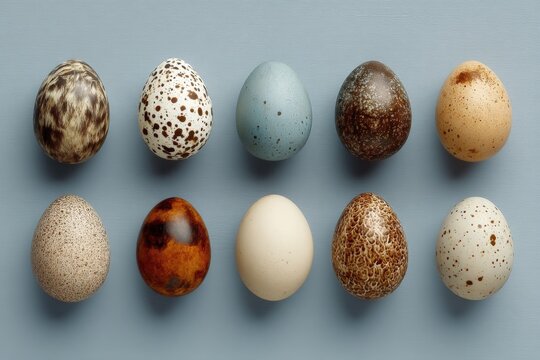
- Speckled eggs mimic shadows and textures
- Blue or green eggs match sky or water reflections
Predator Deterrence
Some bird eggs use colors to warn predators. Bright or unusual colors can signal danger or bad taste. This helps keep eggs safe.
Predators may avoid eggs that look strange or toxic. Color patterns can confuse or scare animals that want to eat the eggs.
- Bright red or orange spots may signal poison
- Unusual colors can make eggs look less edible
- Patterns can make eggs seem larger or more threatening
Credit: stock.adobe.com
Species And Habitat Factors
Bird egg colors vary because of the species and their habitats. Different environments affect egg appearance. Eggs need to blend in or stand out for survival.
Species have unique nesting habits. These habits influence egg color and pattern. Habitat plays a key role in shaping these traits.
Forest And Woodland Birds
Birds in forests lay eggs that often have green or blue shades. These colors help hide eggs among leaves and shadows. Spots and blotches add extra camouflage.
- Eggs are usually darker on the top side.
- Patterns break the egg outline from predators' view.
- Colors may change with the bird’s diet and location.
Open Terrain Nests
Birds nesting in open areas lay eggs with colors that blend with the ground. Browns, tans, and creams are common. These eggs often have spots or speckles.
| Species | Egg Color | Habitat | Camouflage Purpose |
|---|---|---|---|
| Killdeer | Light brown with dark spots | Open fields and shores | Matches gravel and sand |
| Horned Lark | Buff with black speckles | Open grasslands | Blends with dry grass and soil |
| Osprey | White with reddish spots | Near water, open nests | Camouflage against rocky edges |
Egg Color And Health
Bird egg colors vary widely among species. These colors can tell us about the health of the mother bird.
Egg color comes from pigments made in the female’s body. These pigments can change with her health and environment.
Indicator Of Female Condition
The color of eggs can show how healthy the female bird is. Bright, strong colors often mean a healthy mother.
If a female is weak or stressed, her eggs may have dull or uneven colors. This can happen when she lacks good food or rest.
- Bright blue or green eggs show good pigment levels
- Dull eggs may signal poor nutrition
- Changes in color can mean stress or illness
Impact On Embryo Development
Egg color can affect how well an embryo grows inside. Pigments help protect the embryo from sunlight and bacteria.
Stronger pigments can shield the embryo better. This helps it develop safely and grow into a healthy chick.
- Dark pigments absorb harmful UV rays
- Pigments may fight off bacteria on the shell
- Proper pigmentation supports embryo growth
Cultural Beliefs And Symbolism
Bird egg colors have inspired many stories and beliefs in cultures worldwide. People see these colors as signs with special meanings.
Egg colors often symbolize life, hope, and new beginnings. Different cultures attach unique ideas to each color.
Folklore Around Egg Colors
In many folk tales, egg colors carry magical or spiritual meanings. For example, blue eggs are seen as a sign of protection.
Red eggs often represent luck and happiness in some cultures. They are used in festivals and special ceremonies.
- Blue eggs mean calm and safety in some stories.
- Red eggs stand for joy and good fortune.
- Green eggs symbolize health and growth.
- Speckled eggs are linked to mystery and magic.
Modern Interpretations
Today, people still see bird egg colors as symbols. They use these colors in art, decorations, and celebrations.
Some use egg colors to express feelings like peace, love, or hope. These meanings can change based on culture or personal views.
- Blue eggs inspire calm and trust in modern art.
- Red eggs are popular in holidays like Easter.
- Green eggs remind people of nature and health.
- Speckled eggs are used to show uniqueness and beauty.
Research And Discoveries
Bird egg colors have fascinated scientists for years. Researchers study the pigments and patterns found in eggshells. These colors help protect eggs and support bird survival.
Scientists use new tools to learn how and why eggs display different colors. This research reveals important details about bird biology and ecology.
Recent Scientific Studies
Recent studies focus on the chemical makeup of eggshell colors. Researchers found that pigments like protoporphyrin and biliverdin cause red and blue colors. These pigments also affect shell strength and camouflage.
- Analysis of pigment distribution in eggshell layers
- Impact of egg color on predator avoidance
- Relationship between egg color and bird health
- Genetic factors influencing eggshell pigmentation
Future Research Directions
Future studies aim to explore environmental impacts on egg color changes. Scientists plan to examine how pollution and climate affect eggshell pigments. They also want to study how egg colors evolve over time.
| Research Area | Focus | Goal |
| Environmental Effects | Pollution and climate | Understand pigment changes |
| Evolutionary Biology | Color adaptation | Track long-term trends |
| Genetics | Gene expression | Identify color control genes |
| Ecology | Predation risk | Test camouflage effectiveness |

Credit: www.birdfy.com
Frequently Asked Questions
Why Do Bird Eggs Have Different Colors?
Bird eggs have different colors due to pigments deposited during shell formation. These colors help with camouflage, species identification, and protection from sunlight.
What Determines The Color Of Bird Eggs?
The color of bird eggs is determined by genetics and environmental factors. Pigments like protoporphyrin and biliverdin create shades of blue, green, brown, and white.
Do Egg Colors Affect Bird Egg Survival?
Yes, egg colors can improve survival by camouflaging eggs from predators and regulating temperature, helping embryos develop safely in various environments.
Are Bird Egg Colors Linked To Bird Species?
Yes, egg colors are often specific to bird species. They help parents recognize their eggs and can reflect evolutionary adaptations to habitats.
Conclusion
Bird egg colors are fascinating. They serve many purposes in nature. Camouflage helps protect eggs from predators. Bright colors can signal health to potential mates. Each species has unique colors and patterns. This diversity intrigues bird enthusiasts and scientists alike.
Understanding these colors deepens our appreciation for nature. Observe bird nests carefully to spot these wonders. Notice the wide range of hues and designs. Bird egg colors tell stories of survival and adaptation. Explore more to uncover these natural marvels.
Keep learning, keep observing. Nature's palette awaits.