
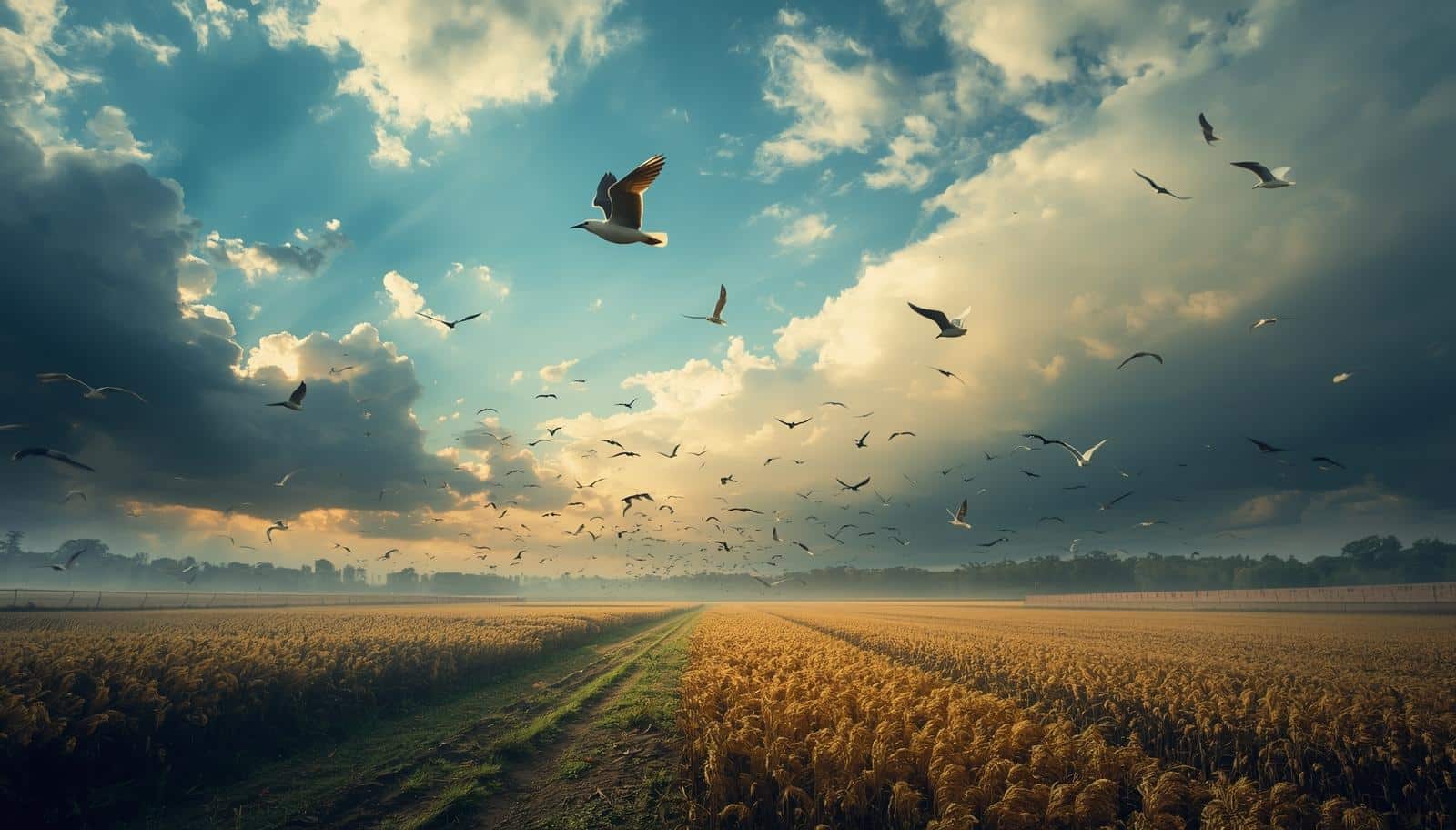
Have you ever wondered how birds traveling thousands of miles can impact your crops and farming? Bird migration isn’t just a natural wonder—it plays a crucial role in agriculture that affects your food and environment.
Understanding this connection can help you protect your fields, improve yields, and even spot new opportunities. Keep reading to discover how the seasonal journeys of birds influence your farm and why this matters to you.
Bird Migration Patterns
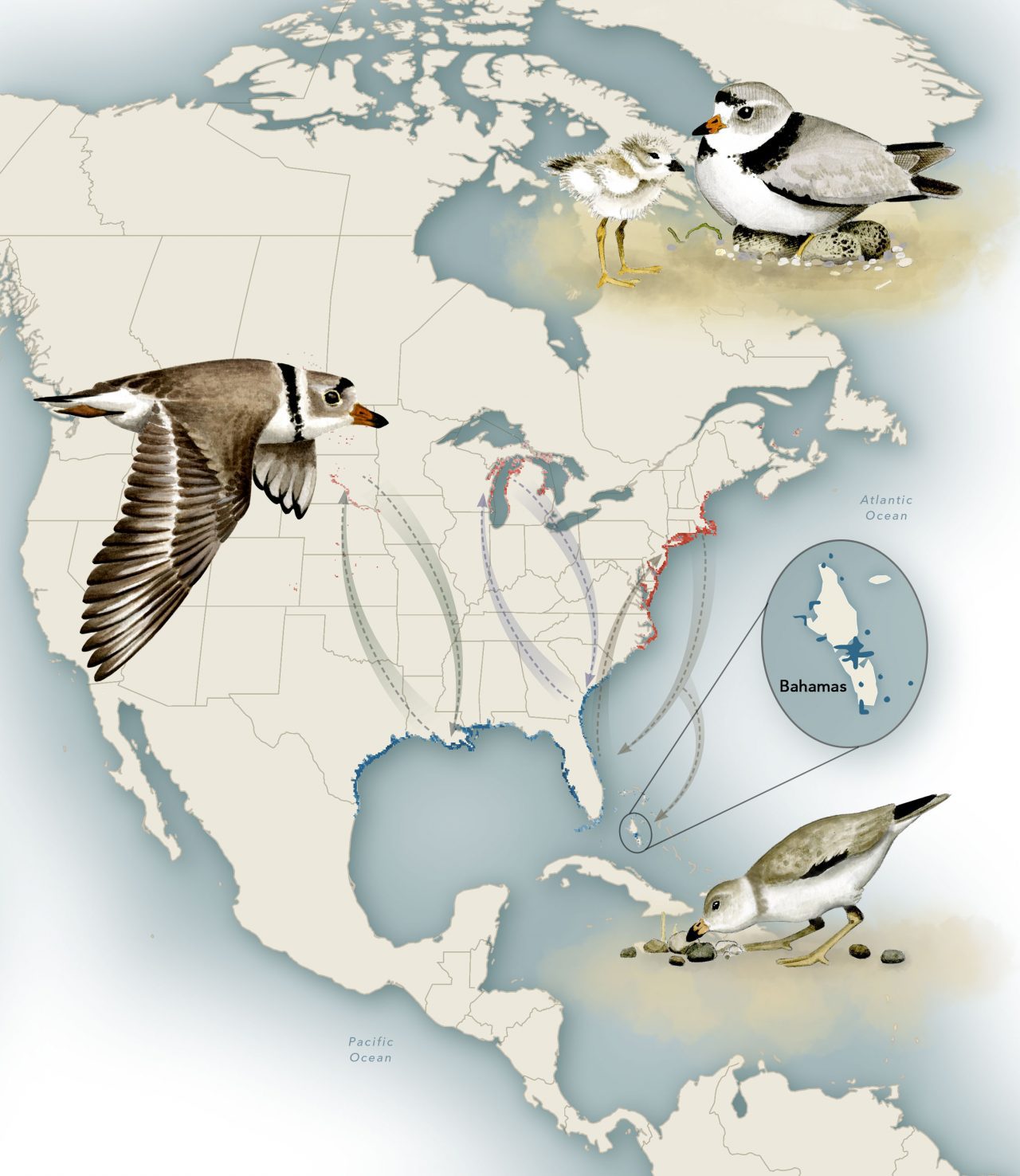
Bird migration is the regular travel of birds between breeding and wintering areas. These journeys happen every year and cover long distances.
Understanding migration helps farmers protect crops and maintain healthy ecosystems. It is vital to recognize the deep connection between Bird Migration And Agriculture to ensure long-term food security.
Seasonal Routes
Birds follow specific paths during migration. These routes help them find food and safe places to rest.
- North to south in autumn
- South to north in spring
- Coastal and inland flyways
- Mountain and valley paths
Key Stopover Sites
Stopover sites are places where birds rest and eat during migration. These areas are very important for their survival.
| Stopover Site | Location | Importance |
| Delaware Bay | USA East Coast | High food supply for shorebirds |
| Wadden Sea | Europe | Resting area for millions of birds |
| Yellow Sea | East Asia | Critical for many migrating species |
Influence Of Climate
Climate affects when and where birds migrate. Changes in temperature and weather can shift their routes.
Climate effects on migration include:
- Earlier spring migrations due to warmer temperatures
- Changes in food availability along routes
- Increased risks from storms and extreme weather
- New stopover sites forming as habitats change
Agriculture's Role In Bird Habitats
Agriculture shapes many bird habitats around the world. Birds use farms for food, shelter, and breeding.
Farmers can help protect birds by choosing the right crops and managing fields carefully. Understanding this can improve bird survival and strengthen the bond between Bird Migration And Agriculture in local ecosystems.
Crop Types And Bird Preferences
Different birds prefer different crops. Some like grains, while others choose fruits or vegetables.
- Grain fields attract seed-eating birds like sparrows and finches.
- Fruit orchards provide food for birds such as thrushes and waxwings.
- Vegetable farms can support insect-eating birds that help control pests.
- Cover crops offer shelter and nesting spots for many small bird species.
Field Management Practices
How farmers manage their fields affects bird life. Practices like crop rotation and leaving field edges wild help birds thrive.
| Practice | Effect on Birds |
| Crop rotation | Provides varied food sources |
| Leaving field margins wild | Offers shelter and nesting sites |
| Reduced tillage | Protects ground-nesting birds |
| Maintaining hedgerows | Creates safe pathways and cover |
Impact Of Pesticides
Pesticides can harm birds by reducing insects and contaminating food. Some chemicals affect bird health directly.
- Pesticides lower insect numbers, cutting food for insect-eating birds.
- Birds may eat poisoned insects or seeds, risking illness or death.
- Using fewer chemicals or organic methods helps protect bird populations.
- Timing pesticide use to avoid bird nesting seasons reduces harm.
Benefits Of Birds To Farming
Birds play an important role in farming. They help keep farms healthy and productive.
Many birds migrate to farmlands and bring benefits that support agriculture naturally. This illustrates why studying Bird Migration And Agriculture is so valuable for modern growers.
Natural Pest Control
Birds eat many insects that can harm crops. This helps farmers reduce the use of chemicals.
By controlling pests, birds protect plants and increase crop yields.
- Birds eat harmful insects like caterpillars and beetles
- They reduce damage to fruits and vegetables
- Farmers save money on pesticides
Pollination Support
Some birds help pollinate flowers while they collect nectar. This helps plants make fruit and seeds.
Birds’ pollination improves the quality and quantity of crops on farms.
- Birds move pollen between flowers
- They support fruit and seed production
- Birds help maintain plant diversity
Soil Health Enhancement
Birds help improve soil by breaking down organic matter. Their droppings add nutrients to the soil.
Healthy soil grows stronger plants and increases farm productivity.
- Bird droppings add important nutrients like nitrogen
- Birds help mix soil by digging and scratching
- Better soil supports healthy crops
Credit: iowacapitaldispatch.com
Challenges In Balancing Migration And Farming
Bird migration and farming often share the same lands. This overlap creates many challenges. Farmers need to protect crops, while birds rely on habitats to rest and feed.
Finding a balance between protecting migrating birds and maintaining good farm production is not easy. Many factors affect both wildlife and agriculture.
Habitat Loss
Farming activities can destroy or change natural habitats. Wetlands and forests that birds use become smaller or disappear. This loss makes it harder for birds to find food and shelter.
- Clearing land for crops removes bird nesting areas
- Draining wetlands reduces resting spots during migration
- Replacing diverse plants with single crops lowers food sources
Chemical Exposure
Farmers use pesticides and fertilizers to protect crops. These chemicals can harm birds and insects they eat. Exposure can cause illness or death in migrating birds.
| Chemical Type | Effect on Birds |
| Pesticides | Poisoning and reduced insect food |
| Fertilizers | Water pollution affecting aquatic birds |
| Herbicides | Loss of plants used for nesting |
Climate Change Effects
Climate change alters weather and seasons. Birds may migrate earlier or later than usual. Farms face unpredictable weather that affects crop growth.
These changes cause problems like:
- Mismatch between bird arrival and food availability
- Increased droughts harming crops and bird habitats
- More storms destroying nests and farmland
Sustainable Practices For Coexistence
Bird migration and agriculture often share the same land. Farmers and birds can live together without harm. Sustainable farming helps protect migrating birds.
These practices support nature and farming. They keep bird habitats safe and improve crop health at the same time.
Agroforestry Integration
Agroforestry means planting trees and crops together. Trees provide shelter and food for migrating birds. This helps birds rest during their long trips.
Farmers also benefit because trees protect soil and reduce wind damage. This creates a better environment for crops and wildlife.
- Plant native trees along field borders
- Create small forest patches on farms
- Use trees to reduce soil erosion
- Provide resting spots for birds during migration
Bird-friendly Farming Techniques
Farmers can use bird-friendly methods to protect birds and crops. Avoiding harmful pesticides keeps birds safe. Birds also help by eating pests naturally.
Leaving some land uncultivated allows birds to find food and shelter. Crop diversity supports different bird species during migration seasons.
- Use organic or natural pest control
- Plant a variety of crops for food and cover
- Keep water sources clean and accessible
- Leave some fields fallow for bird habitats
Community Engagement
Communities can work together to protect birds and farms. Sharing knowledge helps farmers use better practices. Local groups can create bird-safe zones near farms.
Education programs teach people why birds matter. Community efforts build respect for nature and support sustainable farming.
- Organize workshops about bird-friendly farming
- Create local bird protection groups
- Encourage schools to teach about migration
- Support policies that protect bird habitats
Technological Innovations
Bird migration affects farming in many ways. New technology helps us understand these patterns better.
Farmers use this information to protect crops and improve yields. Technology links Bird Migration And Agriculture closely.
Tracking Migration With Gps
Scientists attach tiny GPS devices to birds. These devices send real-time location data.
Tracking helps map migration routes and timings. This data shows where birds fly and rest.
- GPS tags are small and light
- Data helps predict bird arrival times
- Information supports wildlife and farm planning
Data-driven Farming Decisions
Farmers use migration data to plan their work. They decide when to plant or harvest crops.
Knowing bird patterns helps reduce crop damage. Farmers can prepare for bird visits and protect fields.
- Adjust planting times to avoid bird feeding
- Use bird-friendly scare tactics at right times
- Optimize crop choices based on migration trends
Early Warning Systems For Crop Protection
Technology creates early warnings about bird movements. Farmers get alerts before large flocks arrive.
These systems reduce crop losses by giving time to act. Farmers can use nets or noise devices effectively.
- Sensors track bird calls and movements
- Alerts sent via mobile apps or messages
- Helps plan protective measures quickly
Global Case Studies
Bird migration affects farms worldwide. Farmers and conservationists work together to protect birds and crops.
This article shares examples from different countries. It shows how birds and agriculture can benefit each other.
Successful Bird-friendly Farms
Some farms use practices that help birds thrive. These farms improve soil and reduce pests naturally.
- In the United States, rice farms create wetland habitats for migratory waterfowl.
- In India, farmers keep tree patches to support bird nesting.
- In Spain, olive groves use fewer pesticides to protect insect-eating birds.
Conservation Projects Linking Birds And Agriculture
Many projects connect farming and bird protection. They teach farmers how to care for both crops and wildlife.
| Project Name | Location | Goal |
| BirdSafe Farms | Kenya | Increase bird habitats on farms |
| AgroBird Network | Brazil | Reduce pesticide use to save birds |
| Farmer-Bird Alliance | France | Promote bird-friendly farming methods |
Lessons From Different Regions
Regions show different ways to help birds and farms. Each area learns from its own challenges and climate.
- Africa: Combining farming with natural habitats helps both birds and crops survive dry seasons.
- Asia: Maintaining small wetlands supports migratory birds and fish farms.
- Europe: Using cover crops and hedgerows creates shelter for birds that control pests.
- Americas: Agroforestry systems provide food for birds and improve soil health.
Credit: www.allaboutbirds.org
Credit: www.discovermagazine.com
Frequently Asked Questions
What Is Bird Migration And How Does It Affect Agriculture?
Bird migration is the seasonal movement of birds between breeding and wintering areas. It affects agriculture by influencing pest control, pollination, and seed dispersal, which can enhance crop yields and maintain ecosystem balance.
How Do Migratory Birds Benefit Crop Production?
Migratory birds help control pests by feeding on insects harmful to crops. They also aid pollination and spread seeds, supporting plant growth and improving agricultural productivity naturally.
Can Bird Migration Harm Agricultural Fields?
Yes, some migratory birds may damage crops by feeding on grains and fruits. However, this impact is often outweighed by their benefits in pest control and ecosystem health.
Why Is Protecting Migratory Birds Important For Farmers?
Protecting migratory birds ensures natural pest control and pollination. Healthy bird populations contribute to sustainable farming and reduce the need for chemical pesticides.
Conclusion
Bird migration influences agriculture significantly. Farmers gain insights from bird patterns. They plan accordingly, improving crop yields. Birds help control pests naturally. This reduces the need for chemicals. Healthy ecosystems benefit both birds and crops. Understanding this relationship is crucial.
It ensures a balanced environment. Supporting bird-friendly practices can boost agricultural success. Collaboration between scientists and farmers is essential to manage Bird Migration And Agriculture. Together, they can sustain food and wildlife. This mutual understanding promotes a thriving future. Both for birds and agriculture.


