Have you ever wondered How Birds Protect Chicks from Predators? It’s a tough world out there, and these little birds don’t have many defenses on their own.
But the way parent birds protect their young is truly amazing. From clever tricks to fearless actions, birds use smart strategies to keep their chicks safe. If you want to discover these fascinating survival secrets and see nature’s protection at its best, keep reading.
Your understanding of birds will never be the same!
Credit: 104homestead.com
Nest Location Choices
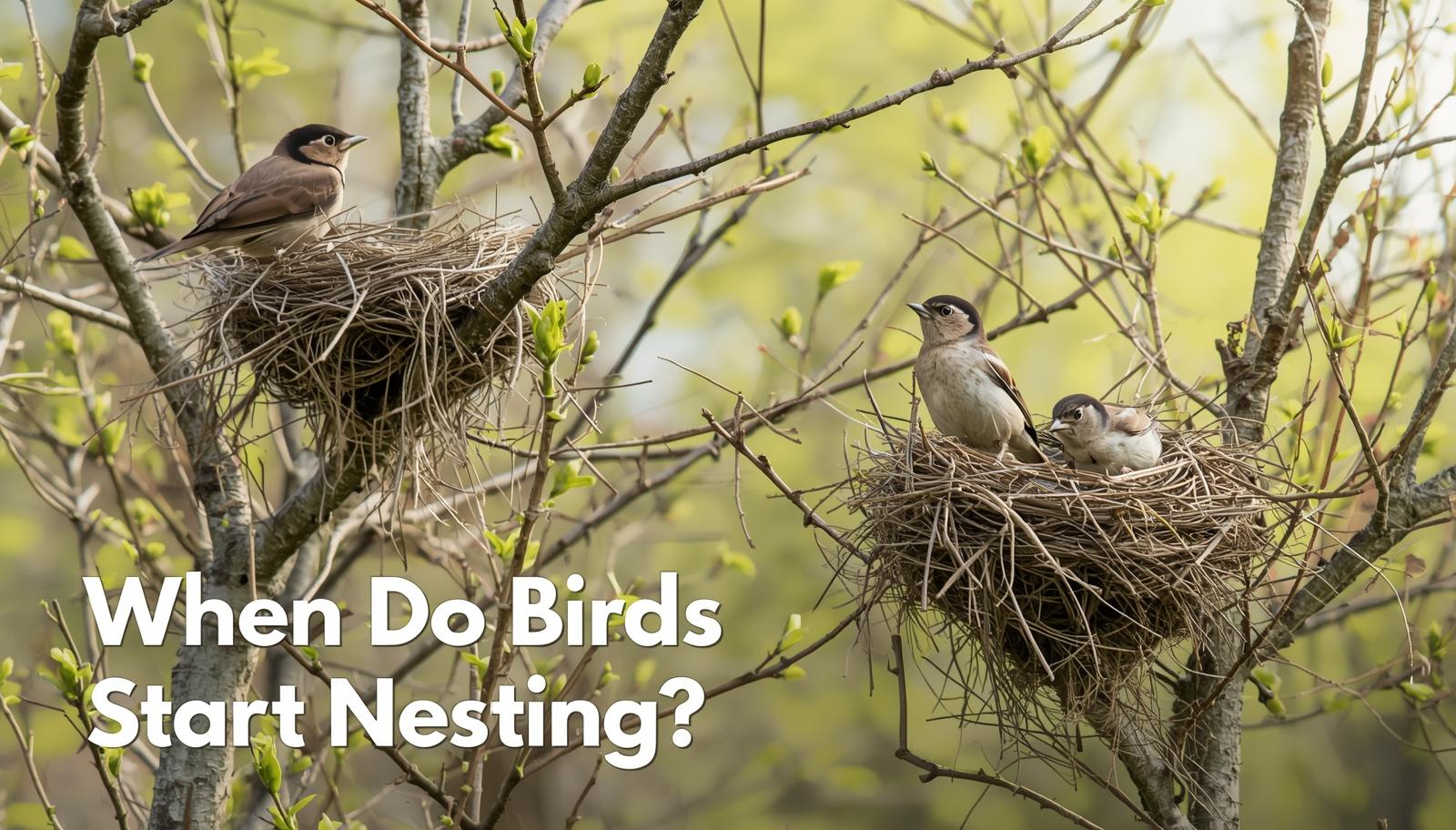
Birds protect their chicks by choosing safe places to build nests. The location helps keep predators away. Nest sites can hide the young birds or make it hard for predators to reach them.
Choosing the right nest spot is one of the best ways birds keep their chicks safe. They use nature to help hide and guard their young.
Camouflaged Nesting Sites
Birds often build nests where the colors match the surroundings. This camouflage helps protect the chicks by making the nest hard to see. Leaves, bark, and grass help nests blend in well.
By using colors and textures from the environment, birds reduce the chance that predators will find their nests. This is a natural way to hide their chicks.
Hidden And Hard-to-reach Spots
Birds pick places that are tough for predators to get to. High branches, thick bushes, or small holes can keep chicks safe. These spots make it harder for animals to climb or enter.
Nests in hidden places protect chicks by limiting access. Predators often move on if they cannot reach the nest easily.
Use Of Natural Barriers
Natural barriers like thorns, rocks, or water protect nests. Birds place nests near or inside these barriers. The barriers act like walls that keep predators away.
These barriers slow down or stop predators from reaching the chicks. Birds use the environment to build safe homes for their young.
Alarm And Warning Calls
Birds use alarm and warning calls to keep their chicks safe. These calls alert others about nearby danger. They help parents and chicks react quickly to threats.
Different types of calls warn about predators. Birds also work together using special calls. Some even copy predator sounds to scare enemies away.
Types Of Alarm Calls
Birds have many alarm calls. Some are sharp and loud to warn of predators. Others are soft to avoid drawing attention.
- Sharp calls warn about nearby predators.
- Chatter calls confuse the predator.
- Soft calls alert chicks quietly.
- Flight calls signal to escape quickly.
Coordinated Group Alerts
Birds often call together to protect chicks. Group calls help alert many birds at once. This makes predators less likely to attack.
| Type of Group Alert | Purpose |
| Mass Calling | Warns all nearby birds at once |
| Chorus Calls | Confuses predators with many sounds |
| Coordinated Flights | Distracts predator from nests |
Mimicking Predator Sounds
Some birds copy sounds of predators. This scares away other animals. Mimicking helps protect chicks from danger.
Examples of Mimicked Sounds:
- Hawk calls to warn intruders
- Snake hisses to scare predators
- Fox barks to create confusion
Physical Defense Mechanisms
Birds use many ways to protect their chicks from danger. Physical defense mechanisms help keep the young safe. These defenses rely on the parent birds’ actions and body features.
Some birds work together to scare off predators. Others use tricks or their size to guard their nests. These methods increase the chance that their chicks will survive.
Aggressive Mob Attacks
Many birds join forces to attack predators. They fly close, make loud noises, and peck at the threat. This teamwork can confuse and scare away the enemy.
- Birds circle the predator in groups.
- They dive and swoop near the attacker.
- Squawking loudly to draw attention.
- Pecking or hitting the predator to cause pain.
Distraction Displays
Parents use distraction to protect chicks by leading predators away. They may pretend to be hurt or show off strange behaviors to catch attention.
| Distraction Method | Purpose |
| Feather Dragging | Looks like injury to lure predator |
| Fake Nesting | Confuses predator about chick location |
| Alarm Calls | Warns chicks and distracts enemy |
| False Flights | Draws attention away from nest |
Using Body Size And Strength
Some birds rely on their size and power to defend chicks. Larger birds stand firm and may attack predators directly. Strong legs and sharp beaks help in fights.
Here are key physical traits birds use:
- Sharp claws to scratch attackers
- Powerful wings to hit or push away threats
- Strong beaks to peck and injure predators
- Large body size to intimidate enemies
Parental Care Strategies
Birds use many ways to keep their chicks safe from predators. Parents work hard to protect their young. They feed, warm, and teach chicks to survive.
These strategies help chicks grow strong and avoid danger. Each method plays a role in chick survival.
Feeding And Keeping Chicks Quiet
Parents feed chicks often to keep them healthy and calm. Quiet chicks are less likely to attract predators. Many birds use special ways to feed and soothe their young.
- Parents bring small, easy-to-eat food pieces.
- Feeding happens quickly to reduce noise.
- Parents use soft calls to calm chicks.
- Some birds feed at night to avoid predators.
Brooding For Warmth And Safety
Brooding means parents keep chicks warm by sitting on them. This also hides chicks from enemies. The parent’s body acts as a shield.
| Benefit | Details |
| Warmth | Protects chicks from cold weather |
| Safety | Hides chicks under feathers from predators |
| Comfort | Reduces stress and helps chicks sleep |
Teaching Escape Techniques
Parents teach chicks how to escape danger. This skill helps chicks survive after leaving the nest. Teaching includes showing how to fly and hide.
- Parents make alarm calls to warn chicks.
- They lead chicks to safe hiding spots.
- Chicks practice flying short distances.
- Parents show how to freeze or run fast.
Chemical And Visual Deterrents
Birds use many ways to protect their chicks from predators. Chemical and visual signals help keep danger away.
These defenses confuse or scare predators. They give the chicks a better chance to survive.
Use Of Strong Odors
Some birds release strong smells to keep predators away. These odors can be foul or irritating.
- Skunk-like smells warn predators to stay back.
- Certain chemicals can make the nest area unpleasant.
- These scents often come from special glands or secretions.
Bright Colors And Patterns
Bright colors warn predators that the chicks or parents might be dangerous or taste bad. Patterns can also confuse attackers.
| Bird Species | Color Pattern | Purpose |
| American Oystercatcher | Bright orange bill and legs | Warning signal to predators |
| Killdeer | Bold black and white bands | Camouflage and distraction |
| European Starling | Speckled feathers with iridescence | Confuses predators visually |
Feigning Injury To Distract Predators
Some birds pretend to be hurt. This tricks predators into following the adult bird away from the nest.
- The parent bird moves slowly and looks weak.
- It flaps its wings as if it cannot fly well.
- This draws the predator far from the chicks’ location.
Credit: www.chickencoopcompany.com
Collaborative Defense Tactics
Birds use teamwork to protect their chicks from predators. They work with others nearby to keep their young safe. This helps them spot danger early and react quickly.
These tactics include helping neighbors, forming groups, and watching together. Each method increases the chance of survival for their chicks.
Helping Neighboring Nests
Birds often help nests close to theirs. If one bird sees a predator, it warns nearby nests with loud calls. This early warning gives all chicks a better chance to hide.
- Alarm calls alert others
- Birds chase predators together
- Shared defense confuses the threat
- Parents take turns watching each other's nests
Forming Protective Flocks
Birds gather in flocks to protect their young. Many eyes spot danger faster. The flock can mob predators to drive them away. This group defense works well against bigger threats.
| Benefit | How It Helps |
| More eyes | Spot predators early |
| Mobbing | Scare predators away |
| Safety in numbers | Reduce chance of any chick being caught |
| Shared work | Parents take turns on watch |
Shared Vigilance And Patrols
Birds share the job of watching for danger. They take turns flying patrols around the area. These patrols help find predators before they get close.
Patrol Roles:
- Lookout birds watch from high places
- Flying birds scout the area
- Alarm callers warn the group
- Guard birds chase away threats

Credit: m.youtube.com
Frequently Asked Questions
How Do Birds Warn Chicks Of Nearby Predators?
Birds use alarm calls and specific sounds to alert their chicks. These calls signal danger, prompting chicks to hide or stay still. This early warning helps chicks avoid detection by predators and increases their chances of survival.
What Physical Behaviors Protect Chicks From Predators?
Parent birds often perform distraction displays like feigning injury. This behavior lures predators away from the nest. By drawing attention to themselves, they protect their vulnerable chicks from being attacked.
How Do Nests Help Shield Chicks From Predators?
Birds build nests in concealed or hard-to-reach places. This natural camouflage makes it difficult for predators to find or access chicks. Strategic nest placement is a key defense mechanism for chick safety.
Can Parent Birds Fight Off Predators To Protect Chicks?
Yes, many bird species aggressively defend their nests. They use pecking, swooping, or loud calls to drive predators away. This active defense reduces the risk to their chicks significantly.
Conclusion
Birds have unique ways to protect their chicks from predators. They use clever tactics. Distraction displays confuse threats. Some birds pretend to be injured. This draws danger away. Nesting in hard-to-reach places helps too. Safety in numbers is another strategy.
Birds often form groups. This makes it hard for predators to attack. Nature provides these amazing skills. These survival techniques are crucial. They ensure the survival of the next generation. Observing these behaviors is fascinating. It shows the brilliance of nature's design.
Protecting chicks is vital for species continuation. Every bird plays its part in this cycle.