A Bird Perched on a Branch: Simple Nature Beauty
Have you ever paused to notice a bird perched on a branch? That simple moment holds a quiet beauty that can calm your mind and spark your curiosity.
Imagine how that small scene connects you to nature and offers a brief escape from your busy day. You’ll discover why these gentle visitors capture our attention and how they can inspire a fresh perspective in your life. Keep reading to unlock the hidden stories behind a bird’s quiet rest on a branch.
Birds In Their Natural Habitat
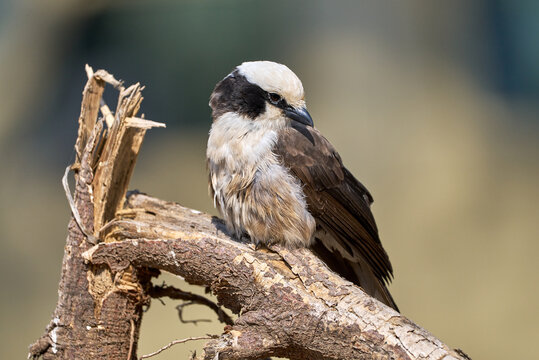
Birds live in many places like forests, parks, and gardens. They use branches to rest and watch their surroundings.
Branches give birds a safe spot to perch. Birds choose branches that suit their size and behavior.
Common Perching Birds
Many birds like to perch on branches. Small birds often sit quietly to stay safe from predators.
Examples of common perching birds include sparrows, finches, and robins. They rest on branches to eat or sing.
- Sparrows are small and quick. They like thin branches.
- Finches have strong feet for gripping. They often perch in groups.
- Robins use branches to spot insects on the ground.
Preferred Branch Types
Birds pick branches that fit their size and needs. Sturdy branches support larger birds safely.
Branches with rough bark help birds hold on. Some birds prefer branches with leaves for cover.
- Thin branches suit small birds like finches and sparrows.
- Thick branches are good for bigger birds like crows and hawks.
- Branches with leaves offer shelter and hide birds from predators.
- Branches near water attract birds that hunt insects or fish.

Credit: freerangestock.com
Capturing The Perfect Moment
Photographing a bird perched on a branch takes skill and care. It is about waiting for the right time and setting the camera well.
Each shot tells a story. The goal is to catch the bird in a natural and clear way.
Timing And Patience
Birds move fast and can fly away anytime. You must watch quietly and wait for the perfect pose.
Early mornings or late afternoons are great times. Birds are calm, and the light is soft and warm then.
- Stay still and avoid sudden movements
- Use binoculars to spot birds from a distance
- Keep your camera ready to shoot quickly
- Observe bird behavior to predict actions
Camera Settings For Bird Photography
Choose fast shutter speed to freeze the bird’s movement. This keeps the photo sharp and clear.
Use a wide aperture to blur the background. This makes the bird stand out on the branch.
| Setting | Recommended Value | Reason |
|---|---|---|
| Shutter Speed | 1/1000 sec or faster | Freeze bird motion |
| Aperture | f/4 to f/6.3 | Blur background, focus on bird |
| ISO | 400-800 | Keep image bright without noise |
| Focus Mode | Continuous autofocus | Track moving birds |
Lighting And Composition
Capturing a bird perched on a branch requires attention to light and framing. Good lighting highlights the bird’s features. Proper composition makes the photo more engaging.
Two key factors to focus on are the advantages of shooting during the golden hour and how to frame birds on branches well.
Golden Hour Advantages
The golden hour is the time just after sunrise or before sunset. The light is soft and warm, which adds beauty to bird photos. Shadows are less harsh, and colors look richer.
- Soft light reduces glare on feathers.
- Warm tones enhance the bird’s natural colors.
- Long shadows add depth and texture to the scene.
- Low sun angle helps create pleasing background blur.
Framing Birds on Branches
Framing a bird on a branch means arranging elements in the photo to focus on the bird. The branch can guide the viewer’s eye toward the subject. Leaves or sky can fill empty spaces.
| Framing Tip | Effect |
| Use the branch as a leading line | Draws attention to the bird |
| Include some leaves or buds | Adds natural context |
| Keep space in front of the bird | Gives a sense of direction |
| Blur the background | Makes the bird stand out |
Behavioral Insights
Birds often perch on branches for many reasons. Watching their behavior helps us understand them better.
Perching shows how birds rest, stay safe, and observe their surroundings.
Why Birds Perch
Birds perch to rest and save energy. It helps them stay alert for predators and food.
Perching also allows birds to keep a good view of their area and communicate with others.
- Rest between flights
- Look out for danger
- Search for food
- Sing or call to other birds
Signs Of Comfort and Alertness
A comfortable bird sits calmly with feathers smooth. It may close its eyes or preen.
An alert bird stands tall and looks around. It often flicks its head or moves quickly.
- Comfort: relaxed posture, soft feathers, slow breathing
- Alertness: upright stance, quick head movements, sharp eyes
Iconic Bird Perch Shots
Birds perched on branches create some of the most memorable nature photos. These shots show birds in calm moments, often revealing details about their beauty and behavior.
Photographers capture these scenes with care, focusing on lighting, background, and the bird’s pose. These photos tell stories about the birds and their environment.
Famous Photographs
Many bird perch photos have become famous because they capture rare moments or show birds in unique ways. Here are some well-known examples:
- The Blue Jay in Snow: A bright blue jay sitting on a frosty branch during winter.
- The Red Cardinal at Dawn:A red cardinal glowing in the soft morning light.
- The Kingfisher with a Fish: A kingfisher holding a small fish while resting on a branch.
What Makes Them Stand Out
Each iconic bird perch photo stands out for different reasons. Some show strong colors, while others capture rare actions or perfect light.
| Feature | Why It Matters |
| Lighting | Highlights feathers and shapes clearly |
| Background | Keeps focus on the bird without distractions |
| Pose | Shows natural behavior or emotion |
| Color | Makes the photo visually striking |
| Timing | Captures a unique moment |
Equipment Tips
Capturing a bird perched on a branch needs the right gear. Good equipment helps get sharp and clear photos.
Using proper lenses and support tools can improve your bird photography results. Here are some tips to guide you.
Best Lenses For Bird Photography
Telephoto lenses are great for bird photography. They let you zoom in close without disturbing the bird.
- 300mm to 600mm lenses give good reach for small or distant birds.
- Fast lenses with a wide aperture (f/4 or f/5.6) capture more light.
- Image stabilization helps reduce blur from hand shake.
- Prime lenses offer sharp images but less zoom flexibility.
- Zoom lenses allow quick framing changes for moving birds.
Using Tripods And Stabilizers
Stable support keeps your camera steady and improves photo sharpness. Tripods and stabilizers work well for this.
| Equipment | Use | Benefits |
| Tripod | Hold camera steady | Reduces blur, allows slow shutter speeds |
| Gimbal head | Supports heavy telephoto lenses | Smooth tracking of moving birds |
| Monopod | Portable support | Better mobility with some stability |
| Image Stabilizer | Built in lens or camera | Reduces shake in handheld shots |
Ethical Wildlife Photography
Wildlife photography shows the beauty of animals in nature. It is important to take photos with care.
Respecting birds and their homes helps keep them safe. You can enjoy photography without harm.
Respecting Bird Habitats
Birds need quiet and safe places to live and breed. Stay on paths to protect their homes.
- Keep distance from nests and roosting sites
- Do not remove plants or branches
- Avoid loud noises near bird areas
- Use natural light without flash
- Leave no trash behind
Avoiding Disturbance
Disturbing birds can cause stress or make them leave. Move slowly and stay calm around them.
| Action | Effect on Birds |
| Sudden movements | Causes alarm and flight |
| Getting too close | May abandon nest |
| Loud sounds | Increases stress levels |
| Using flash | Can harm eyes and disturb |

Credit: www.shutterstock.com
Editing And Enhancing Photos
Editing photos helps you bring out the best parts of your image. It lets you improve colors, sharpness, and details.
Good editing keeps the photo natural and shows the true beauty of the subject. It makes the picture look clear and bright.
Post-processing Basics
Start by adjusting brightness and contrast. This step makes the image easier to see and adds depth. Crop the photo to remove distractions and focus on the main subject.
- Adjust exposure to brighten or darken the photo
- Increase contrast to make details stand out
- Crop to remove unwanted parts
- Use sharpening tools to enhance edges
- Reduce noise for a cleaner look
Highlighting Natural Beauty
To show a bird perched on a branch in the best light, focus on natural colors and textures. Avoid heavy filters that change the original feel.
| Editing Aspect | Purpose | Example |
| Color Correction | Make colors true to life | Adjust the green of leaves and blue of the sky |
| Detail Enhancement | Bring out feathers and bark texture | Use sharpening carefully |
| Background Blur | Focus on the bird | Apply subtle blur to branches behind |
| Light Adjustment | Keep natural sunlight feel | Increase shadows slightly to add depth |
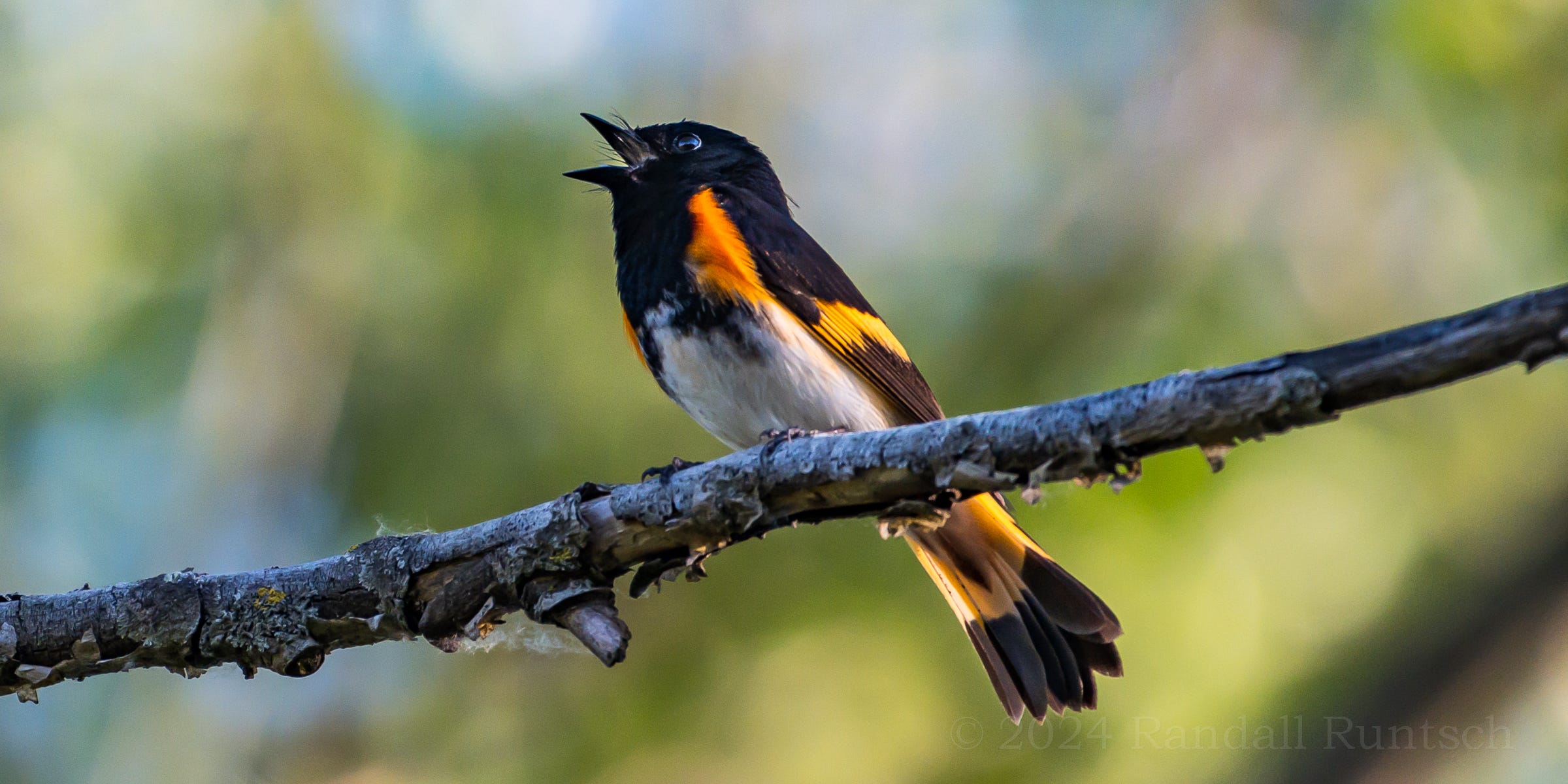
Credit: medium.com
Frequently Asked Questions – Bird Perched on a Branch
What Does A Bird Perched On A Branch Symbolize?
It often symbolizes peace and freedom, balance, and mindfulness, inspiring appreciation of simple moments.
Why Do Birds Choose Specific Branches To Perch On?
They select branches for safety, visibility, comfort, and proximity to food, preferring sturdy spots for easy takeoff and landing.
How Does Perching Benefit A Bird’s Survival?
Perching conserves energy, provides vantage points for spotting predators or prey, and serves as a place for singing to attract mates.
What Types Of Birds Commonly Perch On Branches?
Songbirds, woodpeckers, and raptors frequently perch, using branches for resting, hunting, or territorial display.
Conclusion
A bird perched on a branch teaches us simplicity and beauty. Watching it, we learn about peace and balance in nature. Every chirp and flutter brings joy and harmony. Observing these moments can calm our busy minds. They remind us to pause, breathe, and enjoy life’s simple wonders.
Nature offers endless lessons if we choose to see them. So, next time you see a bird, take a moment. Enjoy its grace and presence. It’s a small reminder of nature’s wonders around us. Appreciate these little moments for a happier, more mindful life.