Have you ever wondered how baby birds get their food and grow strong? Understanding bird chick feeding behavior can give you a fascinating glimpse into nature’s care system.
When you learn how parent birds feed their chicks, you’ll see the amazing ways they protect and nurture their young. This article will reveal surprising facts and simple patterns that make bird families so special. Keep reading to discover how these tiny creatures survive and thrive with the help of their devoted parents.
Your curiosity about birds is about to be rewarded!
Credit: stock.adobe.com
Feeding Techniques In Bird Chicks
Bird chicks rely on their parents for food. Their feeding behavior shows many interesting techniques.
These techniques help chicks get enough food to grow strong and healthy. The methods vary by species and situation.
Begging Calls And Movements
Chicks use begging calls to tell parents they are hungry. These sounds can be loud and frequent.
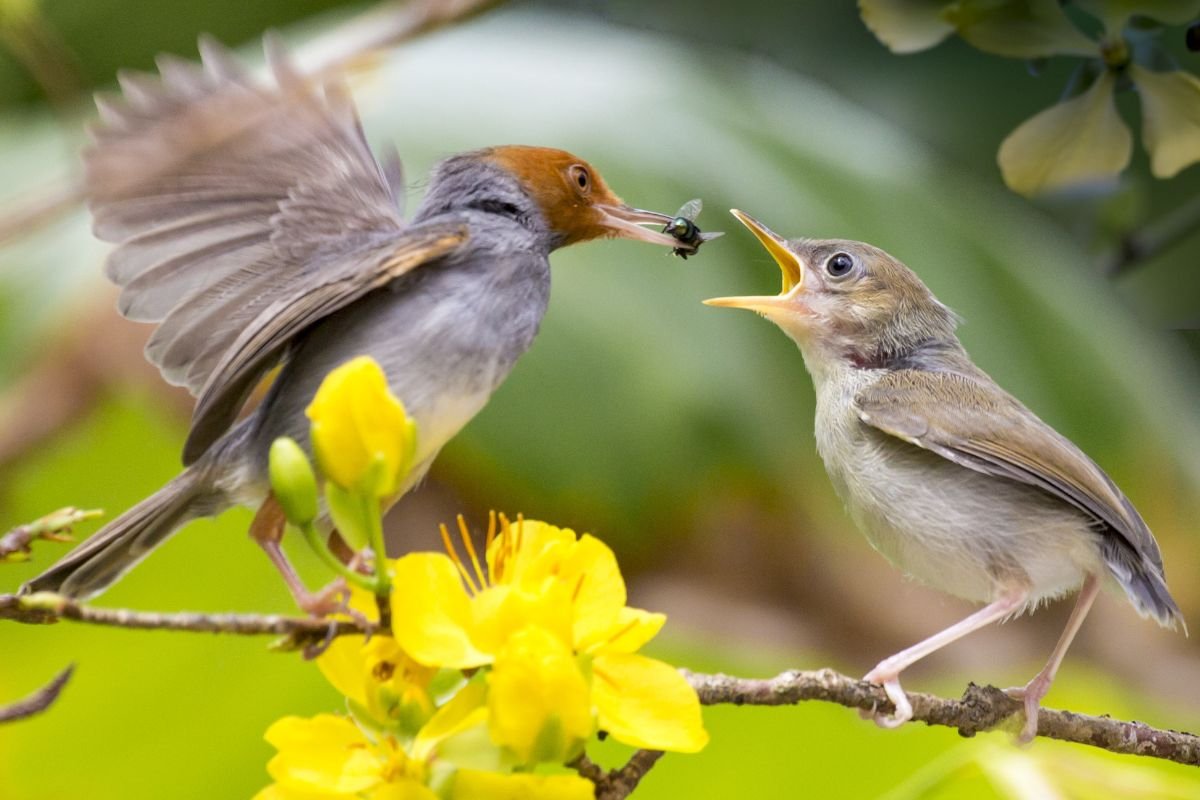
Besides sounds, chicks move their heads and open their mouths wide. This shows they want food.
- High-pitched calls attract parents
- Rapid movements signal eagerness
- Bright mouth colors help parents aim food
- Begging intensity often matches hunger level
Parent-to-chick Food Transfer
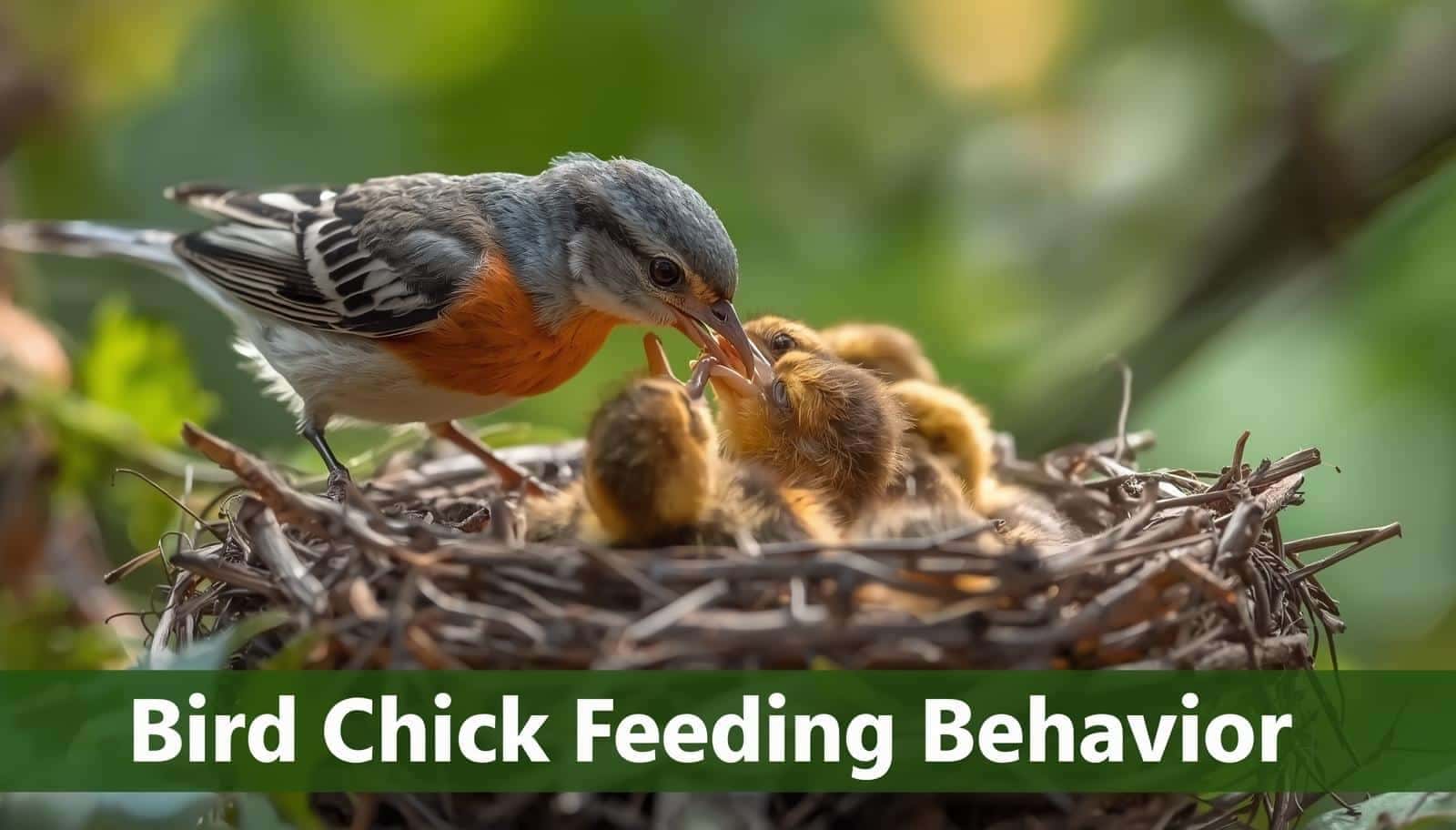
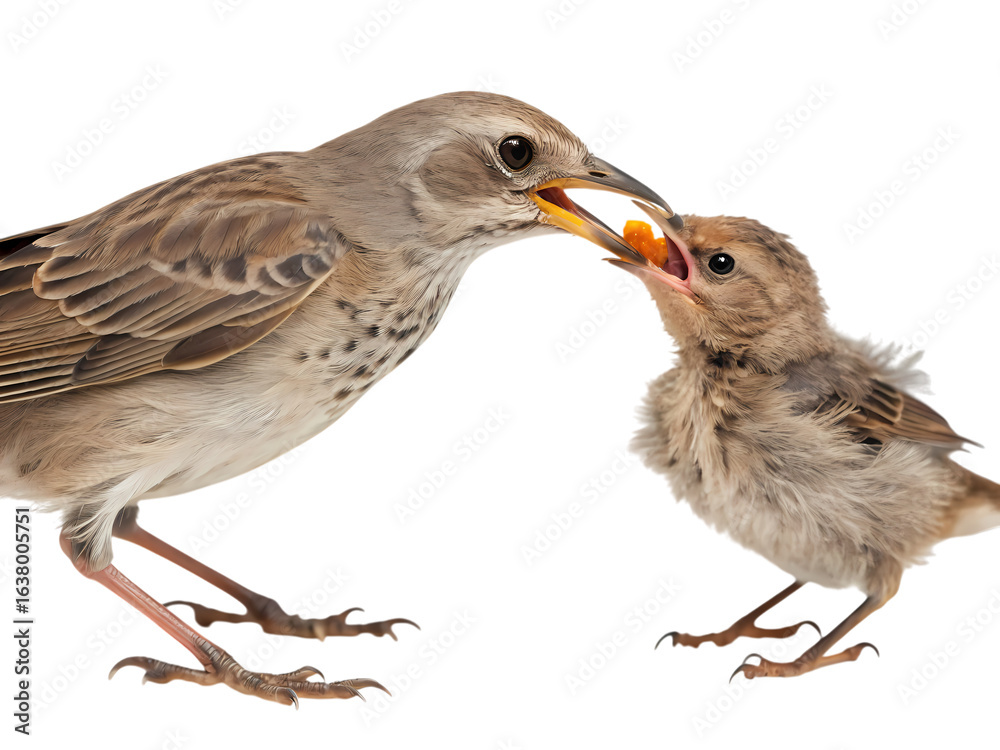
Parents catch or find food to feed their chicks. They often pass food directly into the chick’s mouth.
This transfer needs skill and care. Parents must avoid harming the chick while feeding.
| Feeding Method | Description | Example Species |
|---|---|---|
| Regurgitation | Parents bring up softened food for chicks | Seagulls, pigeons |
| Direct transfer | Food passed from beak to beak | Robins, sparrows |
| Food dropping | Food dropped near chicks to peck | Some ground birds |
- Ornithologists study chick targeting: “The bright color inside a chick’s mouth is an evolutionary adaptation known as the gaping flange. In many species, this bright coloration is a crucial visual target that guides the parent bird in delivering food, especially in the low-light conditions of a deep nest cavity. The intensity and color often change with the chick’s health, providing an immediate, reliable visual cue on which chick needs the most attention.”
Variation Across Species
Feeding styles differ by bird species. Some chicks beg loudly, others stay quiet.
The type of food and feeding frequency also change. This depends on the environment and chick needs.
- Frequency of feeding per hour
- Types of food given (insects, seeds, regurgitated)
- Begging behavior intensity and style
- Parental feeding roles (both or one parent feeds)
Role Of Sibling Competition
Bird chicks often compete with their siblings for food and attention. This competition can affect their survival and growth. Parents bring food, but not all chicks get the same amount.
Sibling competition shapes how chicks behave and how strong they become. It helps determine which chicks will live longer and grow better.
Sibling Rivalry For Food
Chicks often fight or push each other to get food from their parents. The strongest chick usually gets more meals. This rivalry can be loud and intense.
Parents may feed the chick that begs the loudest or looks the healthiest. This causes siblings to try harder to get attention during feeding time.
Impact On Chick Growth
When siblings compete, some get less food and grow slower. Smaller chicks may stay weaker and have less chance to survive. Bigger chicks grow faster and stronger.
Unequal food sharing can lead to differences in size and health among the chicks. This affects how well they can fly and find food later in life.
Chicks use many ways to get more food than their brothers or sisters. Some shout loudly to catch the parent’s attention. Others stretch their necks or open their mouths wide.
- Beg louder and more often
- Push or shove siblings aside
- Stay close to the parent during feeding
- Use bright colors or movements to attract attention
Parental Investment And Feeding
Bird parents spend much time feeding their chicks. Feeding helps chicks grow strong and healthy.
Parents work hard to find food and feed their young. This care is part of their parental investment.
Feeding Frequency And Timing
Parents feed their chicks many times each day. Feeding often keeps chicks warm and full.
- Young chicks need food every 15 to 30 minutes.
- Older chicks are fed less often, about every hour.
- Feeding happens mostly during daylight hours.
- Parents may feed more when weather is cold or rainy.
Food Selection And Nutritional Value
Parents choose food that helps chicks grow fast. Protein and fat are very important for young birds.
| Food Type | Benefit | Example |
| Insects | High protein for muscle growth | Caterpillars, beetles |
| Seeds | Energy from fats and carbs | Sunflower seeds, millet |
| Fruit | Vitamins and water content | Berries, small fruits |
| Worms | Rich in nutrients and moisture | Earthworms |
Shared Feeding Responsibilities
Both parents often share feeding duties. Sharing helps feed chicks more often and evenly.
Typical feeding roles include:
- Mother stays near nest to protect chicks and feed them.
- Father searches for food and brings it back.
- Parents take turns feeding to avoid leaving chicks alone.
- Some species have helpers that assist in feeding.
Credit: wildbloo.com
Surprising Feeding Adaptations
Bird chicks rely on their parents for food. Feeding methods vary widely across species.
Some birds have developed unique ways to feed their young. These adaptations help chicks grow strong.
Regurgitation And Crop Milk
Many birds feed chicks by regurgitating food. Parents partially digest food and bring it back up.
Some birds, like pigeons, produce crop milk. This special secretion feeds their young with nutrients.
- Regurgitation allows easy food transfer to chicks
- Crop milk is rich in fats and proteins
- Both methods ensure chicks get soft, digestible food
Food Sharing Among Chicks
Chicks sometimes share food with siblings. This behavior helps weaker chicks survive.
Parents also may feed chicks in turn. This prevents stronger chicks from getting all food.
- Food sharing reduces competition
- It promotes fair food distribution
- Helps all chicks grow evenly
Adaptive Responses To Food Scarcity
When food is scarce, parents change feeding habits. They may bring less food or different types.
Chicks can also slow their growth. This helps them survive until food returns.
- Parents search wider areas for food
- Chicks reduce activity to save energy
- Families may delay fledging until stronger
Environmental Influences On Feeding
Bird chicks depend on their parents for food during their early life. The environment around them affects how and what they eat. Many factors can change feeding habits.
Understanding these environmental influences helps us learn more about bird survival and growth. It also shows how nature and human actions shape feeding behavior.
Seasonal Food Availability
Food changes with the seasons. Some insects and fruits appear only in certain months. Bird parents must find enough food during these times for their chicks.
In winter, food is often scarce. Birds may feed their chicks less or find different types of food. In spring and summer, food is usually more plentiful.
- Spring and summer bring many insects for chicks
- Winter food includes seeds or stored food
- Parents adjust feeding to match food supply
Habitat Impact On Feeding Behavior
The place where birds live affects how they feed their chicks. Forests, wetlands, and urban areas all have different food types and amounts. These differences change feeding habits.
Birds in rich habitats find food more easily. In poor habitats, parents must spend more time searching. This can slow chick growth and survival.
- Forests offer many insects and fruits
- Wetlands provide aquatic insects and small fish
- Urban areas may limit natural food but offer human scraps
Human Effects On Feeding Patterns
Humans change bird feeding by altering habitats and food availability. Pollution, deforestation, and urban growth reduce natural food sources. Feeding patterns can shift or become irregular.
Sometimes, humans provide extra food like bird feeders. This can help chicks but also change natural behaviors. Birds may rely more on humans and less on natural hunting.
- Habitat loss reduces insect and plant food
- Pollution harms food quality and availability
- Feeding stations offer extra food but affect natural habits

Credit: www.discovermagazine.com
Frequently Asked Questions
How Do Parent Birds Feed Their Chicks?
Parent birds feed chicks by regurgitating partially digested food. This method ensures the chicks receive nutrients easily. Feeding frequency depends on the species and chick age. Parents often share feeding duties to maximize chick survival.
What Types Of Food Do Bird Chicks Eat?
Bird chicks primarily eat insects, worms, and small invertebrates. Some species feed their chicks seeds or fruit pulp. The diet is rich in protein to support rapid growth and development.
Why Do Chicks Beg For Food Loudly?
Chicks beg loudly to signal hunger and attract parental attention. The noise helps parents locate them in dense nests. Loud begging also encourages more frequent feeding, boosting chick survival chances.
How Often Are Bird Chicks Fed Daily?
Feeding frequency varies but can be up to every 10-20 minutes. Younger chicks require more frequent feeding due to high energy needs. Parents work continuously to meet these demands until chicks mature.
Conclusion
Bird chick feeding behavior fascinates many bird watchers. Observing chicks reveals much about survival and growth. Parents tirelessly feed their young. They select food carefully to provide nutrients. This ensures healthy development. Watching these interactions deepens our understanding of nature.
It highlights the bond between parent and chick. Such behavior is crucial for species continuation. Learning about these habits can inspire us. It reminds us of nature’s wonders and complexity. Encourage others to observe and appreciate these tiny creatures. They play a vital role in our ecosystem.
Nature’s marvel, right in front of us.
Rehabilitators offer advice for the public: “If you find a young bird, the best thing to do is almost always leave it alone. The parent is usually nearby. However, if you see a chick with its eyes closed, shivering, or covered in ants, it’s in immediate distress. The critical rule is never attempt to give food or water—this can accidentally aspirate the chick. Instead, place it in a dark, quiet, warm container and contact a licensed wildlife rehabilitator immediately.”