
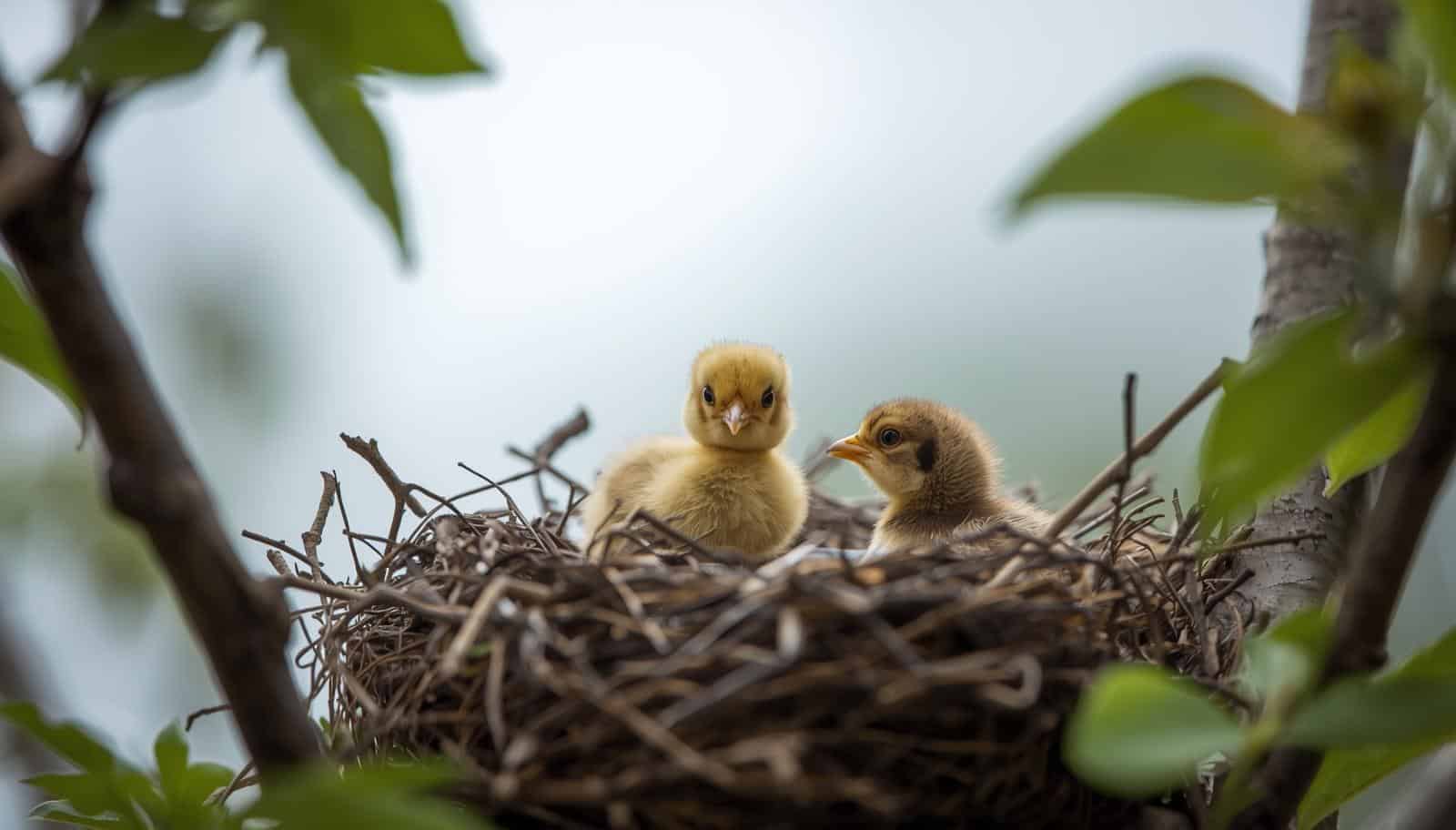
Have you ever wondered what dangers bird chicks face before they grow up? If you care about birds or simply enjoy watching nature, understanding the predators that threaten young birds is important.
These tiny chicks are vulnerable and need protection to survive. But who are these predators, and how do they find their way to the nests? Keep reading to discover the surprising threats to bird chicks and learn how nature’s balance depends on this delicate fight for survival.
Your curiosity will lead you to fascinating facts you won’t want to miss.

Credit: swibirds.org
Common Bird Chick Predators
Bird chicks face many dangers from different predators. These predators come from mammals, reptiles, birds, and insects. Knowing about these threats helps us understand bird survival better.
Each group of predators uses different ways to hunt bird chicks. Some sneak quietly, while others attack quickly. Bird chicks need to be alert to stay safe.
Mammalian Threats
Mammals are common predators of bird chicks. They often raid nests for easy food. Many mammals are good climbers or diggers, making nests unsafe.
- Raccoons: They climb trees and eat eggs and chicks.
- Foxes: Hunt near nests on the ground.
- Weasels: Small and fast hunters of bird nests.
- Domestic cats: Often hunt birds in gardens.
Reptilian Hunters
Reptiles like snakes are a big danger to bird chicks. Many snakes can climb trees to reach nests. They eat eggs and young birds without warning.
| Reptile | Hunting Method |
| Rat snakes | Climb trees to find nests |
| Garter snakes | Search ground nests for chicks |
| Monitor lizards | Use speed to catch chicks |
Avian Predators
Some birds hunt other birds’ chicks. These avian predators watch nests and strike fast. They can fly and catch chicks both in the air and on the ground.
- Hawks: Spot chicks from high above and swoop down.
- Crows: Often steal eggs and young birds from nests.
- Owls: Hunt at night when chicks are less protected.
- Magpies: Known to raid nests for food.
Invertebrate Dangers
Insects and other invertebrates can also harm bird chicks. These dangers are less known but still serious. Some insects attack chicks directly or damage nests.
| Invertebrate | Effect on Bird Chicks |
|---|---|
| Mosquitoes | Spread diseases to chicks |
| Ants | Attack weak or unattended chicks |
| Fleas | Feed on blood, causing weakness |
| Spiders | Trap very small chicks or eggs |
Credit: birdlife.org.au
Predator Hunting Techniques
Bird chick predators use special ways to catch their prey. They rely on skills that help them hunt young birds safely and quickly.
Each predator uses different methods like hiding, chasing, or blending in. These methods increase their chances of success.
Stealth And Ambush
Many predators quietly move close to bird nests. They wait for the right moment to surprise the chicks.
- Move slowly to avoid noise
- Use natural cover like bushes or trees
- Stay still and watch for movement
- Strike quickly when chicks are unprotected
Speed And Pursuit
Some predators chase after bird chicks with fast speed. They rely on quick bursts to catch their prey before it escapes.
| Predator | Hunting Speed | Chase Style |
| Hawks | Up to 120 mph | Dive and grab |
| Foxes | Up to 30 mph | Run and pounce |
| Snakes | Slow | Follow and strike |
Camouflage And Mimicry
Some predators blend into the environment or look like harmless animals. This helps them get close to chicks without being noticed.
Examples of camouflage and mimicry in predators:
- Owls have feathers that match tree bark.
- Some snakes look like vines or leaves.
- Certain birds mimic calls of other species to lure chicks.
Vulnerable Nesting Sites
Bird chicks face many dangers from predators. Their nesting sites play a big role in their safety.
Some nests are easier for predators to find and reach. We will look at the most vulnerable nesting sites.
Ground Nests
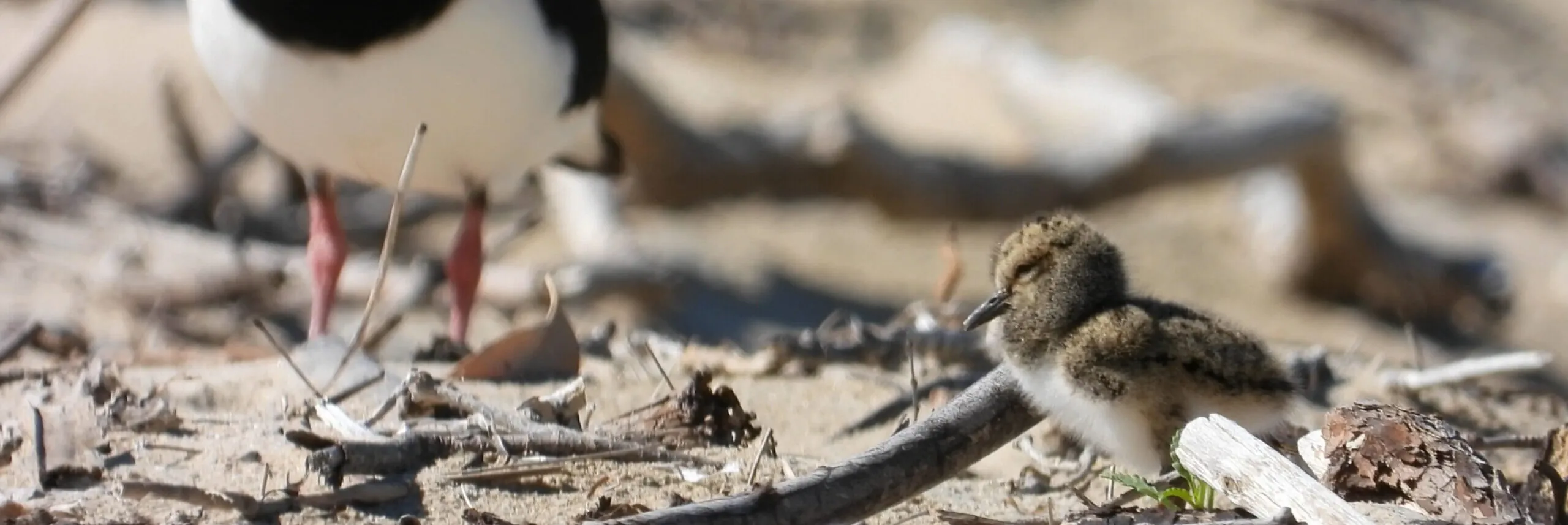
Ground nests are built on the soil or low vegetation. They are common for many shorebirds and some songbirds.
These nests are easy for predators like foxes, snakes, and raccoons to find. The chicks have little protection.
- Predators include mammals and reptiles
- Nests are often hidden with leaves or grass
- Human activity can also disturb these nests
Tree Nests
Tree nests are placed on branches or in tree holes. Many songbirds and raptors use these sites.
Although higher up, tree nests still face threats. Climbing predators like squirrels and snakes can reach them.
- Nests often built with twigs and leaves
- Predators include snakes, squirrels, and birds of prey
- Strong winds can also damage the nest
Cliffside And Burrow Nests
Some birds nest on cliffs or in burrows underground. These sites offer some protection from many predators.
Still, predators like foxes and large birds can attack chicks. Floods and rockfalls can harm these nests too.
- Cliff nests are often hard to access
- Burrow nests can be invaded by mammals
- Environmental risks include floods and landslides
Bird Defense Strategies
Bird chicks face many threats from predators. Birds use smart ways to keep their young safe.
These defense strategies help birds protect their nests and warn others about danger.
Nest Concealment
Many birds hide their nests in thick leaves or tall grass. This makes it hard for predators to find the chicks.
Some birds build nests that blend into the environment, using twigs, moss, and mud.
Alarm Calls
Birds use loud alarm calls to warn their chicks and other birds about nearby predators.
- Sharp calls alert chicks to hide or stay still.
- Some calls scare predators away.
- Alarm calls help nearby birds join in defense.
Aggressive Behavior
Parent birds sometimes attack or chase predators. They use pecking, swooping, or loud noises to protect their chicks.
| Behavior | Purpose |
| Pecking | Drive predators away |
| Swooping | Startle and scare threat |
| Loud noises | Warn chicks and others |
Decoy Tactics
Some birds use fake nests or injured wing acts to fool predators. These tricks lead predators away from the real nest.
Common Decoy Tactics:
- Fake nests built far from the real one
- Parent birds pretending to be hurt
- Distracting predators with noise or movement
Impact On Bird Populations
Bird chick predators play a big role in shaping bird populations. They affect how many young birds survive to adulthood.
Understanding these impacts helps us learn about bird survival and changes in their numbers over time.
Predation Rates And Survival
Predators can reduce the number of bird chicks that grow up. Some nests lose many chicks each season. Survival rates vary by predator type and environment.
| Predator Type | Average Predation Rate | Effect on Survival |
| Snakes | 30% | High chick loss |
| Raptors | 20% | Moderate chick loss |
| Mammals (e.g., raccoons) | 25% | Significant chick loss |
| Corvids (crows, jays) | 15% | Lower chick loss |
Adaptive Responses Over Time
Birds change their behavior to protect chicks from predators. Some build nests in hidden places. Others stay near nests to guard them.
- Use camouflaged nest materials
- Choose safer nesting sites
- Increase alarm calls to warn others
- Alter breeding times to avoid peak predator activity
Human Influence On Predator-prey Dynamics
Human actions change how predators and birds interact. Habitat loss can increase predator access to nests. Feeding wildlife may boost predator numbers.
Here are some ways humans affect these dynamics:
- Urban development removes natural hiding spots for nests.
- Artificial lights attract predators at night.
- Pets like cats hunt bird chicks near homes.
- Conservation efforts can reduce predator numbers in key areas.
Protecting Bird Chicks In The Wild
Bird chicks face many dangers from predators in the wild. Protecting them helps keep bird populations healthy.
Many groups work hard to create safe environments for these young birds. Their efforts focus on reducing risks and supporting natural growth.
Conservation Efforts
Conservation programs track bird chick numbers and protect nesting areas. They use special techniques to reduce predator threats.
- Monitoring nests to prevent disturbance
- Using predator guards on trees and poles
- Educating people about bird protection
- Rescuing and rehabilitating injured chicks
Habitat Management
Good habitats keep bird chicks safe and fed. Managing these areas means removing harmful plants and encouraging native growth.
| Habitat Action | Benefit for Bird Chicks |
| Planting native shrubs | Provides cover from predators |
| Controlling invasive species | Improves food availability |
| Maintaining wetlands | Supports insect populations |
| Creating safe nesting sites | Reduces chick mortality |
Community Involvement
Communities help by watching bird nests and reporting dangers. They also join events to learn and spread awareness.
Ways to get involved:
- Join local birdwatching groups
- Report sightings and threats
- Participate in habitat clean-up days
- Support bird-friendly policies

Credit: www.thepioneerchicks.com
Frequently Asked Questions
What Animals Commonly Prey On Bird Chicks?
Common predators of bird chicks include snakes, raccoons, hawks, crows, and domestic cats. These animals often raid nests to feed on eggs or young birds. Predation varies by habitat and bird species but remains a major threat to chick survival.
How Do Bird Parents Protect Their Chicks From Predators?
Bird parents protect chicks by building concealed nests, aggressively defending the nest, and using distraction displays. Some species also time breeding to avoid peak predator activity. These strategies help reduce chick predation and improve survival rates.
Which Bird Species Face The Most Chick Predation?
Ground-nesting birds like quail, plovers, and terns face high chick predation. Their nests are more exposed to predators. Tree-nesting birds generally experience lower predation but are not immune to threats from climbing predators.
Can Habitat Affect Bird Chick Predation Rates?
Yes, habitat type influences predation rates. Dense vegetation can hide nests, reducing detection by predators. Open areas expose chicks more, increasing risk. Human-altered habitats often increase predator presence, raising chick predation risks.
Conclusion
Bird chick predators pose a real threat to young birds. Many animals hunt chicks for food. Birds use nests in hidden spots to stay safe. Parent birds stay alert and protect their young. Nature shows a tough fight for survival every day.
Understanding these predators helps us appreciate bird life more. Protecting bird habitats can lower risks for chicks. Watching birds grow strong and safe feels rewarding. Every chick that survives adds to nature’s balance.



