
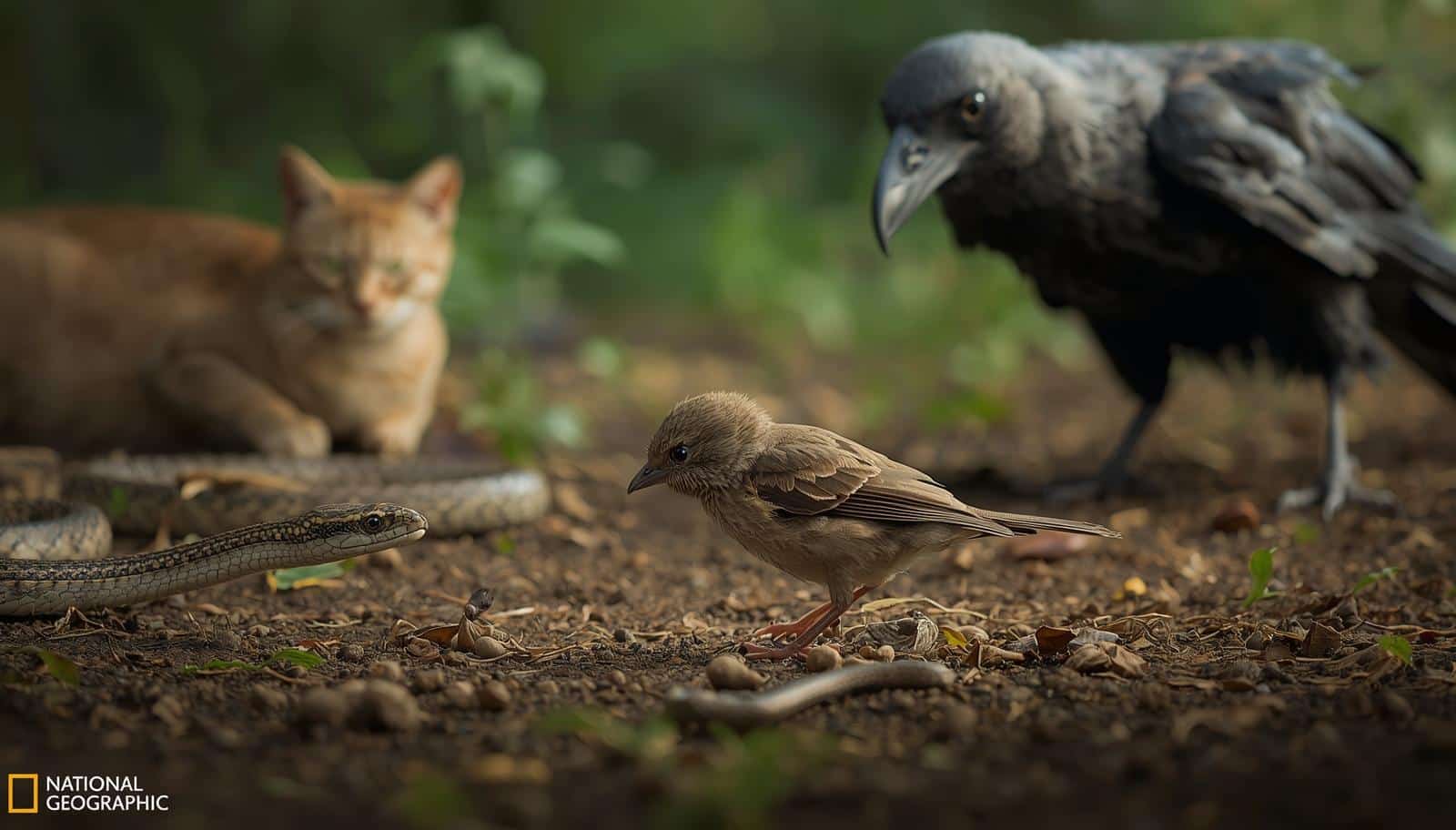
Have you ever wondered what dangers young birds face right after they leave the nest? Bird fledglings are at a critical stage, learning to fly and survive, but they are also easy targets for many predators.
Understanding who these predators are and how they threaten fledglings can help you appreciate the challenges these young birds face every day. You’ll discover the main Bird Fledgling Predators and learn why their survival is so important to the balance of nature.
Keep reading to uncover surprising facts that might change the way you see your feathered neighbors.
Common Fledgling Predators
Young birds, called fledglings, face many dangers from predators. These threats come from different animals that hunt them.
Understanding these predators helps protect fledglings in the wild and gardens.
Mammalian Hunters
Mammals are common hunters of fledglings. They can catch birds on the ground or near nests.
Some mammals use their speed, sharp teeth, or climbing skills to catch young birds.
- Raccoons often raid nests at night.
- Foxes hunt fledglings on the ground.
- Domestic cats catch birds near homes.
- Weasels and minks climb trees for prey.
Avian Threats
Birds of prey and other birds hunt fledglings from the air. They spot young birds easily.
These birds use sharp claws and strong beaks to catch their prey quickly.
- Hawks and falcons swoop down to grab fledglings.
- Crows and jays may attack young birds or steal eggs.
- Owls hunt at night, catching sleeping fledglings.
Reptilian Predators
Some reptiles eat fledglings when they can reach nests or catch birds on the ground.
Snakes are major nest predators, using stealth to surprise young birds.
Tree snakes climb to find nests.
Ground snakes hunt fledglings on forest floors.
Lizards sometimes catch very small birds.
Insect And Parasite Risks
Insects and parasites do not hunt fledglings but harm them in other ways. They cause sickness and weakness.
These tiny threats can affect growth and survival of young birds.
- Mosquitoes spread diseases to young birds.
- Mites and lice irritate skin and feathers.
- Flies lay eggs in nests, harming fledglings.

Credit: www.reddit.com
Predator Behavior and Hunting Tactics
Bird fledglings are young birds that have just learned to fly. They are easy targets for many predators. These predators use special behaviors and tactics to catch them.
Understanding how predators hunt fledglings helps us learn about nature’s balance. Predators use different strategies depending on their environment and the prey’s habits.
Stealth And Ambush Strategies
Predators often use stealth to approach young birds in danger quietly. They hide behind leaves or branches to avoid being seen. This allows them to get close before attacking. Ambush is a common hunting tactic. Predators wait patiently near nests or feeding areas. When the fledgling moves, they strike quickly to catch it off guard.
- Use camouflage to blend into surroundings
- Move slowly to avoid making noise
- Choose hiding spots near fledgling activity
- Attack suddenly to surprise the prey
Nest Raiding Patterns
Some predators raid bird nests to find fledglings or eggs. They learn where nests are and visit them regularly. This helps them know the best time to attack.
Nest raiding can happen during the day or night. Predators look for nests that are easy to reach. They often destroy the nest after taking the young birds.
- Target nests in low branches or on the ground
- Return to nests multiple times during breeding season
- Destroy nests to stop birds from returning
- Use smell or sound to locate nests
Seasonal Variations In Predation
Predation rates change with seasons. Many predators hunt more during bird breeding seasons. This is when fledglings are most vulnerable.
In some seasons, food is scarce. Predators rely more on bird fledglings for meals. Weather and daylight hours also affect how and when predators hunt.
- Spring and early summer have highest predation
- Winter predation drops due to fewer fledglings
- Rainy seasons may reduce hunting activity
- Longer daylight increases hunting time
Vulnerable Nesting Sites
Bird fledglings face many dangers from predators. Their nests are often easy targets. Some nesting sites are more at risk than others. Understanding which nests are vulnerable helps ensure fledgling survival. Predators look for nests that are easy to find and reach.
Ground Nests
Ground nests are built on or very close to the soil. They are common for birds like plovers and ducks. These nests are easy for many animals to find.
Predators such as foxes, snakes, and raccoons can easily reach ground nests. Human activity also disturbs these sites. Eggs and chicks are at high risk here.
- Low cover makes nests visible
- Many land predators hunt near the ground
- Floods can wash away nests
Tree And Shrub Nests
Birds often build nests in trees and shrubs. This gives some protection from ground predators. Still, many animals climb to reach these nests.
Squirrels, snakes, and some birds eat eggs and chicks. Strong winds or storms can also damage these nests. Dense foliage helps hide nests from predators.
- Height offers some safety
- Climbing predators are a threat
- Weather can cause nest damage
Artificial And Urban Nests
Some birds nest in man-made places like buildings and nest boxes. These sites can protect fledglings from natural predators. But they come with new risks.
Domestic cats and rats hunt in urban areas. Human disturbance can scare adult birds away. Artificial nests need proper care to keep young birds safe.
- Protection from some natural predators
- Threat from pets and urban wildlife
- Risk of human disturbance

Credit: roadsendnaturalist.com
Signs Of Predator Presence
Bird fledglings are vulnerable to many predators. Learning to spot signs of predators helps protect young birds. Observing nests and nearby areas can reveal important clues.
This guide shows common signs to watch for that may mean a predator is near. Knowing these signs helps you act quickly and keep birds safe.
Disturbed Nest Indicators
A nest that looks damaged or unusual may show predator visits. Look for torn leaves, broken twigs, or missing eggs. Sometimes feathers scatter near the nest.
- Eggshells outside the nest
- Broken or missing eggs
- Loose or scattered feathers
- Damaged nesting material
- Birds acting restless near the nest
Tracks And Scat Around Nests
Predators leave tracks and droppings near bird nests. Different animals have unique footprints and scat shapes. Spotting these helps identify the predator type.
| Predator | Track Shape | Scat Description |
| Fox | Oval paw prints with claws | Dark, tubular with fur pieces |
| Raccoon | Five-toed hand-like prints | Chunky, contains seeds and insect parts |
| Snake | Slither marks, no footprints | Sticky, often near shed skin |
| Cat | Rounded paw prints without claw marks | Small, compact droppings |
Sounds And Calls Of Alarm
Birds use alarm calls to warn of danger. Different sounds mean different threats. Listening closely helps detect predators early.
- Sharp, repeated chirps mean a nearby threat
- Loud squawks show strong alarm
- Silent behavior may mean hiding from a predator
- Parent birds may swoop or dive to scare predators
- Young birds often freeze or stay quiet
Protecting Nestlings In The Wild
Bird nestlings face many dangers from predators in the wild. Protecting these young birds is vital for their survival and the continuation of their species.
Birds use different strategies to keep their nestlings safe. These include clever nest designs, active defense, and tricks to confuse attackers.
Natural Camouflage And Nest Design
Many birds build nests that blend into the environment. This natural camouflage helps hide nestlings from predators.
- Nests are often made with materials matching the surroundings, like leaves, twigs, and moss.
- Some birds place their nests in thick bushes or high trees to reduce visibility.
- Shape and color patterns of nests can break up their outline, making them harder to spot.
Parental Defense Behaviors
Parent birds protect their young by staying close and watching for danger. They use loud calls and physical actions to scare off predators.
| Behavior | Description |
| Alarm Calls | Sharp sounds to warn nestlings and scare predators |
| Physical Attacks | Diving or pecking at predators to drive them away |
| Distraction Flights | Flying near predators to distract them from the nest |
Using Decoys And Distractions
Some birds use tricks to protect their nestlings. Decoys and distractions can confuse predators and lead them away from the nest.
Examples of decoys and distractions include:
- Fake nests placed away from the real nest.
- Broken-wing acts to lure predators away.
- Dropping feathers or food to distract attackers.
Human Interventions For Nest Protection
Bird fledglings face many dangers from predators. Humans can help protect their nests. Methods for protecting fledglings improve the chances of young birds surviving. People use different ways to keep nests safe. These include physical barriers and creating safe environments. Careful monitoring also helps understand threats.
Installing Predator Guards
Predator guards stop animals like snakes, raccoons, and cats from reaching nests. These guards are placed around tree trunks or poles holding nests.
Materials for guards include metal sheets, plastic cones, or mesh. Proper installation is key to keep predators away without harming birds.
- Use smooth metal or plastic to prevent climbing
- Attach guards firmly to avoid gaps
- Regularly check guards for damage
- Place guards high enough to protect the nest
Creating Safe Nesting Habitats
Safe habitats reduce predator risks for fledglings. Planting dense shrubs and trees offers hiding spots. Avoid areas near roads or heavy foot traffic.
Providing natural cover helps birds feel secure. Clearing invasive plants can improve habitat quality. Human-made nest boxes can also offer protection.
- Plant native shrubs for cover
- Keep nests away from open spaces
- Use nest boxes with small entrance holes
- Maintain natural vegetation around nests
Monitoring And Research Techniques
Monitoring nests helps track predator activity and fledgling survival. People use cameras or direct observation for this task. Data helps improve protection methods.
Research includes counting eggs and chicks. It also checks for signs of predators. Monitoring helps spot problems early and adjust human actions.
- Install motion-activated cameras near nests
- Record number of eggs and hatchlings
- Note predator visits and damage
- Share data with wildlife experts
Impact Of Predation On Bird Populations
Bird fledglings face many dangers from predators. These threats affect their chances to survive and grow.
Predation plays a key role in shaping bird populations. It influences how many birds live and how species interact.
Effects On Species Survival
Predators reduce the number of young birds that reach adulthood. This can lower the population size of some species.
- High predation can cause local bird populations to shrink.
- Some species may adapt by nesting in safer areas.
- Others develop behaviors to avoid predators.
- Predation can influence which species survive over time.
Balancing Ecosystem Dynamics
Predators help keep ecosystems healthy. They control bird numbers and prevent overpopulation.
| Role | Impact on Ecosystem |
| Predators | Control bird populations |
| Birds | Spread seeds and insects |
| Plants | Provide food and shelter |
Conservation Strategies
Protecting bird fledglings means managing predators carefully. Conservation helps balance nature.
- Remove invasive predators from bird habitats.
- Create safe nesting areas for young birds.
- Monitor bird and predator populations regularly.
- Educate the public about bird protection.
Credit: www.backtothewild.org
Frequently Asked Questions
What Animals Commonly Prey on Bird Fledglings?
Common predators include snakes, raccoons, cats, hawks, and crows. These predators target vulnerable fledglings in nests or on the ground.
How Do Fledglings Protect Themselves From Predators?
Fledglings use camouflage, stay quiet, and remain still to avoid detection. Parent birds also aggressively defend their young from threats.
When Are Fledglings Most At Risk From Predators?
Fledglings face the highest risk soon after leaving the nest. This period is critical as they learn to fly and evade predators.
Can Human Activity Increase Fledgling Predation Risks?
Yes, habitat destruction and domestic pets can raise predation risks. Protecting nesting areas from Bird Fledgling Predators and keeping pets indoors helps safeguard fledglings.
Conclusion
Safeguarding young birds from Bird Fledgling Predators is crucial for their survival. Simple steps can make a difference. Keep cats indoors during fledgling season. Trim trees after nesting periods. This gives birds a chance to grow. Use decoys to distract predators. Make your garden a safe haven for birds.
Encourage natural habitats for fledglings to hide. Small actions help preserve bird populations. Everyone can contribute to protecting fledglings. Awareness is key. Let’s ensure fledgling survival in our environments. Your efforts can support bird conservation. Working together, we can make a positive impact.



