

Bird Migration Scientists: Discovering Nature’s Amazing…
Have you ever wondered how millions of birds know exactly when and where to fly each year? Bird migration scientists are the experts who study these incredible journeys. Their work helps you understand the mysteries of nature and reveals surprising facts about the world around you. Keep reading, and you’ll discover how these scientists unlock secrets that can change the way you see the skies above.
Bird Migration Basics
Bird migration is the regular movement of birds between breeding and non-breeding areas. It helps birds find food and better living conditions.
Scientists study bird migration to understand how and why birds travel long distances each year.
Seasonal Patterns
Birds usually migrate in spring and fall. They move to warmer places in fall and return in spring.
These seasonal trips help birds avoid cold weather and find food during winter months.
Common Routes
Birds follow specific paths called flyways. These routes often follow coastlines, rivers, and mountain ranges.
- Atlantic Flyway along the East Coast of the U.S.
- Pacific Flyway along the West Coast of the U.S.
- Mississippi Flyway through the central U.S.
- Central Flyway covering parts of the Great Plains
Types Of Migratory Birds
Birds migrate in different ways. Some travel long distances, and others move shorter distances.
- Long-distance migrants travel thousands of miles between continents.
- Short-distance migrants move a few hundred miles within the same region.
- Partial migrants have some birds that migrate and others that stay year-round.
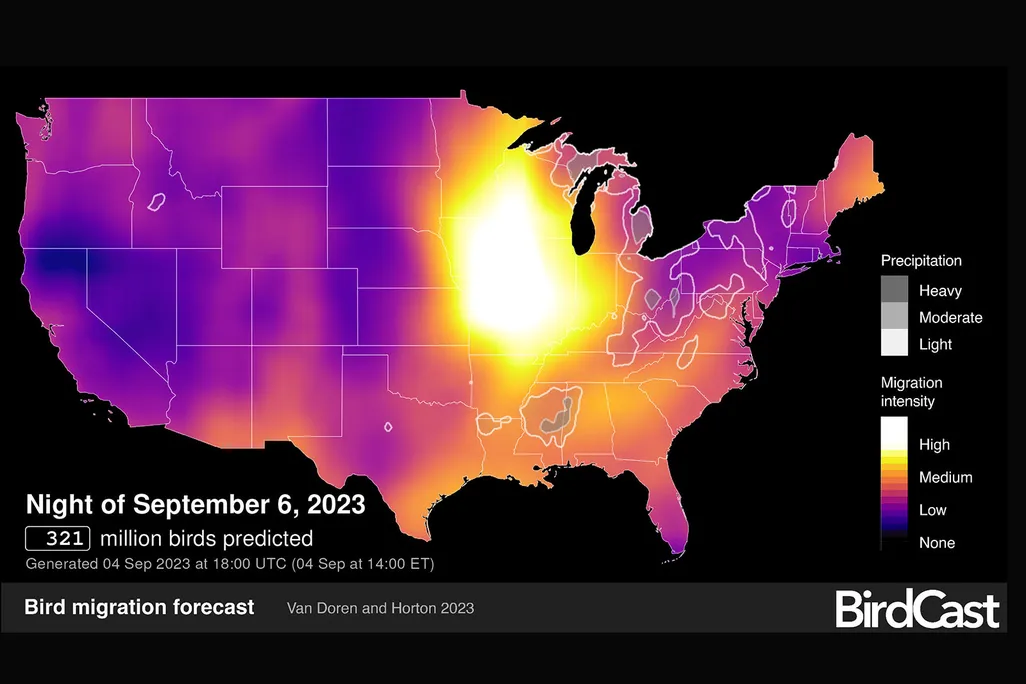
Credit: www.smithsonianmag.com
Tracking Techniques
Scientists use many tools to study bird migration. These tools help track birds over long distances. Tracking helps understand where birds travel and how they live.
Each tracking method has strengths and limits. Some tools work better for certain bird sizes or types. Researchers choose tools based on the study goals.
Satellite Tagging
Satellite tags attach to birds to send signals to satellites. These tags give exact locations over many months. Scientists get data on bird migration routes and stopover sites. Satellite tagging works best for large birds. The tags can be heavy for small birds. But they provide accurate, real-time tracking data.
Geolocators And Rfid
Geolocators record light levels to estimate bird locations. They are small and light for small birds. But data must be retrieved by recapturing the bird.
- Geolocators track day length and sunrise times
- RFID tags use radio waves to detect bird presence
- RFID needs nearby readers to collect data
- Both methods help study migration timing and routes
Radar And Acoustic Monitoring
Radar detects groups of birds flying at night. Acoustic monitoring records bird calls during migration. Both methods track large scale movements.
| Technique | What It Tracks | Strength | Limitation |
|---|---|---|---|
| Radar Monitoring | Bird flocks and flight paths | Works in all weather | Cannot identify species |
| Acoustic Monitoring | Bird calls and species presence | Species identification | Limited to calling birds |
Navigation Mysteries
Bird migration puzzles scientists because birds travel long distances with great accuracy. Researchers study how birds find their way across continents.
Birds use different natural signals to guide their routes. These signals include Earth’s magnetic field, stars, and smells.
Magnetic Field Sensing
Birds sense Earth’s magnetic field to know direction. Special cells in their bodies detect these magnetic signals.
This ability helps birds stay on course even on cloudy days or at night.
Celestial Cues
Birds use the sun and stars to guide them. They learn star patterns and use the sun’s position during the day.
- Stars help birds fly at night
- The sun helps with daytime navigation
- Birds adjust their path as the day changes
Olfactory Maps
Some birds use smells to find their way. They create mental maps of scents from different places.
| Sense | Function |
| Magnetic Field | Direction detection |
| Celestial Cues | Sun and star navigation |
| Olfactory Maps | Smell-based location mapping |

Credit: nationalzoo.si.edu
Challenges Faced By Birds
Birds face many dangers during migration. These challenges make their journeys hard and risky.
Scientists study these challenges to help protect migrating birds and their habitats.
Climate Change Effects
Climate change changes weather patterns. Birds may find food and water sources missing.
Warmer temperatures can change migration times. Birds might arrive too early or late.
- Shift in seasons affects bird migration timing
- Extreme weather can harm birds during travel
- Food shortages due to changing climates
Habitat Loss
Birds need safe places to rest and feed on their journey. Many habitats are disappearing.
Wetlands, forests, and fields are often turned into cities or farms. This reduces bird habitats.
- Cutting down trees removes nesting spots
- Filling wetlands reduces feeding areas
- Urban growth limits safe resting places
Human-made Obstacles
Birds face many man-made dangers like buildings, power lines, and wind turbines.
These obstacles can cause collisions and injuries. Bright lights can also confuse birds at night.
- Glass windows cause many bird collisions
- Power lines can electrocute birds
- Wind turbines may harm flying birds
- Light pollution confuses night migrators
Scientific Discoveries
Scientists study bird migration to learn how birds travel long distances. These studies help us understand changes in migration patterns and bird behavior.
New tools and technologies allow researchers to track birds more accurately. This leads to important discoveries about their routes and biology.
New Migration Routes
Recent studies reveal that some birds use new migration routes. These changes may happen because of climate shifts or habitat loss.
- Some species travel farther north in spring.
- New stopover sites appear along migration paths.
- Birds avoid areas with heavy human activity.
Behavioral Adaptations
Birds show new behaviors to survive migration challenges. They adjust flight times, rest longer, and change feeding habits.
| Behavior | Purpose |
| Flying at night | Avoid heat and predators |
| Group flying | Save energy |
| Changing diet | Use available food sources |
Genetic Insights
Genetic research shows how migration traits pass from one generation to the next. Scientists find genes linked to navigation and endurance.
Key genetic findings include:
- Genes that help birds sense the Earth’s magnetic field
- DNA markers related to fat storage for long flights
- Genetic differences between populations using different routes
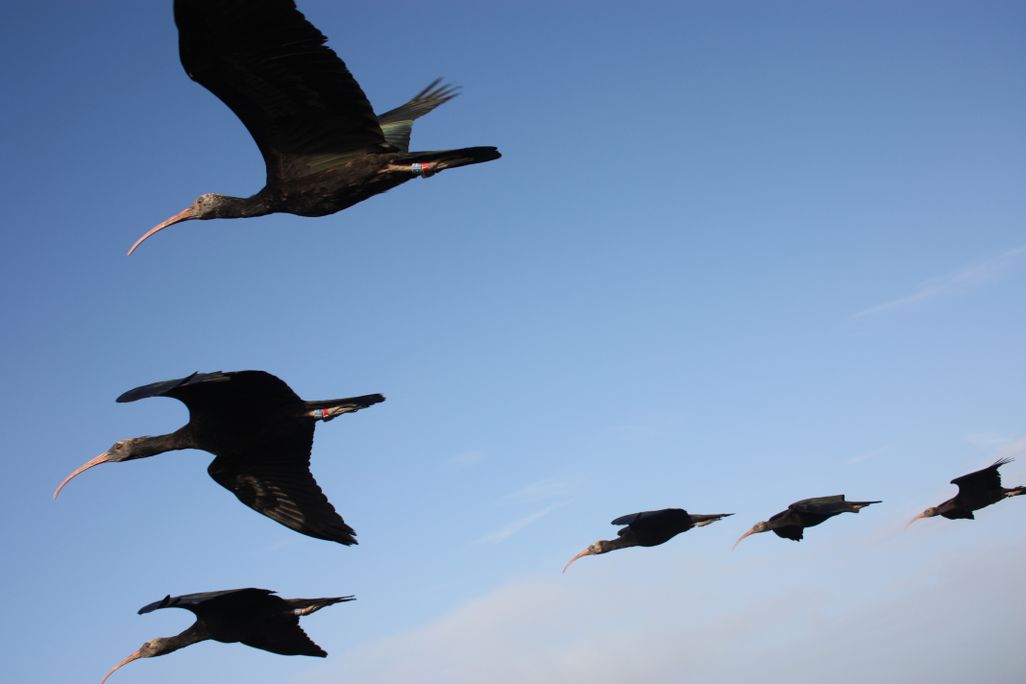
Credit: www.smithsonianmag.com
Conservation Efforts
Bird migration is a natural wonder that needs protection. Scientists work hard to keep these journeys safe.
Conservation helps birds survive and thrive during their long travels across continents.
Protected Flyways
Flyways are routes birds use during migration. Protecting these paths keeps birds safe from harm.
- Establishing protected areas along flyways
- Reducing habitat loss in key stopover sites
- Monitoring bird populations during migration
- Promoting international cooperation for flyway protection
Community Involvement
Local people help by watching birds and sharing information. This support is vital for conservation.
| Community Role | Actions |
|---|---|
| Volunteers | Count birds and report sightings |
| Educators | Teach about bird migration and threats |
| Farmers | Protect habitats on their land |
| Local Leaders | Support conservation policies |
Policy And Legislation
Rules and laws help protect birds during migration. Governments make policies to stop hunting and habitat loss.
- Pass laws to protect key bird habitats
- Ban hunting of migratory birds
- Enforce penalties for harming birds or their homes
- Promote international agreements on bird conservation
Future Research Directions
Bird migration scientists study how birds travel long distances. They want to learn more about the routes and reasons for migration. New research will help us understand changes in bird behavior and the environment.
Future studies will use new tools and ideas. They will also involve many people working together. This will give better knowledge about bird migration and its challenges.
Technological Innovations
Scientists use new technology to track birds more accurately. Devices like tiny GPS trackers and satellite tags help follow birds on their journeys. These tools give detailed data on flight paths and stopover spots.
Technology also helps study bird health and weather conditions during migration. Drones and automated recording devices collect data in hard-to-reach areas.
- Mini GPS trackers for real-time location
- Satellite tags for long-distance tracking
- Drones for observing bird behavior
- Automated sound recorders for bird calls
Interdisciplinary Approaches
Bird migration research benefits from many fields working together. Ecology, climate science, and technology all play a part. This teamwork helps explain how migration changes over time.
Social science also helps understand how human activities affect birds. Combining different skills and knowledge leads to better solutions for bird protection.
- Ecologists study bird habitats and food sources
- Climate scientists analyze weather impact on migration
- Technologists develop new tracking tools
- Social scientists study human effects on birds
Citizen Science Contributions
Many bird watchers help scientists by sharing observations. Citizen science projects gather large amounts of data from many locations. This helps track bird migration patterns across wide areas.
Involving the public raises awareness about bird conservation. It also gives scientists more information than they could collect alone.
- Bird counts and sightings reported by volunteers
- Use of smartphone apps for easy data sharing
- Community involvement in protecting habitats
- Education programs that encourage participation
Frequently Asked Questions
What Do Bird Migration Scientists Study?
Bird migration scientists study the patterns, routes, and behaviors of migrating birds. They analyze environmental factors affecting migration and use tracking technology to gather data. Their research helps understand bird navigation, survival, and the impact of climate change on migration.
How Do Scientists Track Bird Migration?
Scientists track bird migration using GPS devices, satellite tags, and radar technology. These tools provide precise data on flight paths, speed, and stopover sites. Tracking helps identify critical habitats and informs conservation strategies to protect migratory birds.
Why Is Bird Migration Important To Study?
Studying bird migration reveals ecological health and biodiversity trends. It helps predict environmental changes and supports conservation efforts. Understanding migration patterns aids in protecting threatened species and maintaining balanced ecosystems worldwide.
What Challenges Do Bird Migration Scientists Face?
Challenges include tracking small or distant species and limited funding for research. Weather and habitat loss also complicate data collection. Scientists must innovate methods to overcome these obstacles and gather accurate migration information.
Conclusion
Bird migration scientists play a vital role in understanding avian journeys. Their research helps us learn why birds travel such vast distances. These scientists use technology and observation to track migratory patterns. Their findings aid in bird conservation efforts worldwide.
Through their work, we gain insight into the challenges birds face. This knowledge is crucial for protecting bird species and their habitats. As our climate changes, their research becomes increasingly important. Supporting these scientists helps ensure the future of migratory birds.
So, let’s appreciate their dedication and support their ongoing efforts. Together, we can help protect our feathered friends.



