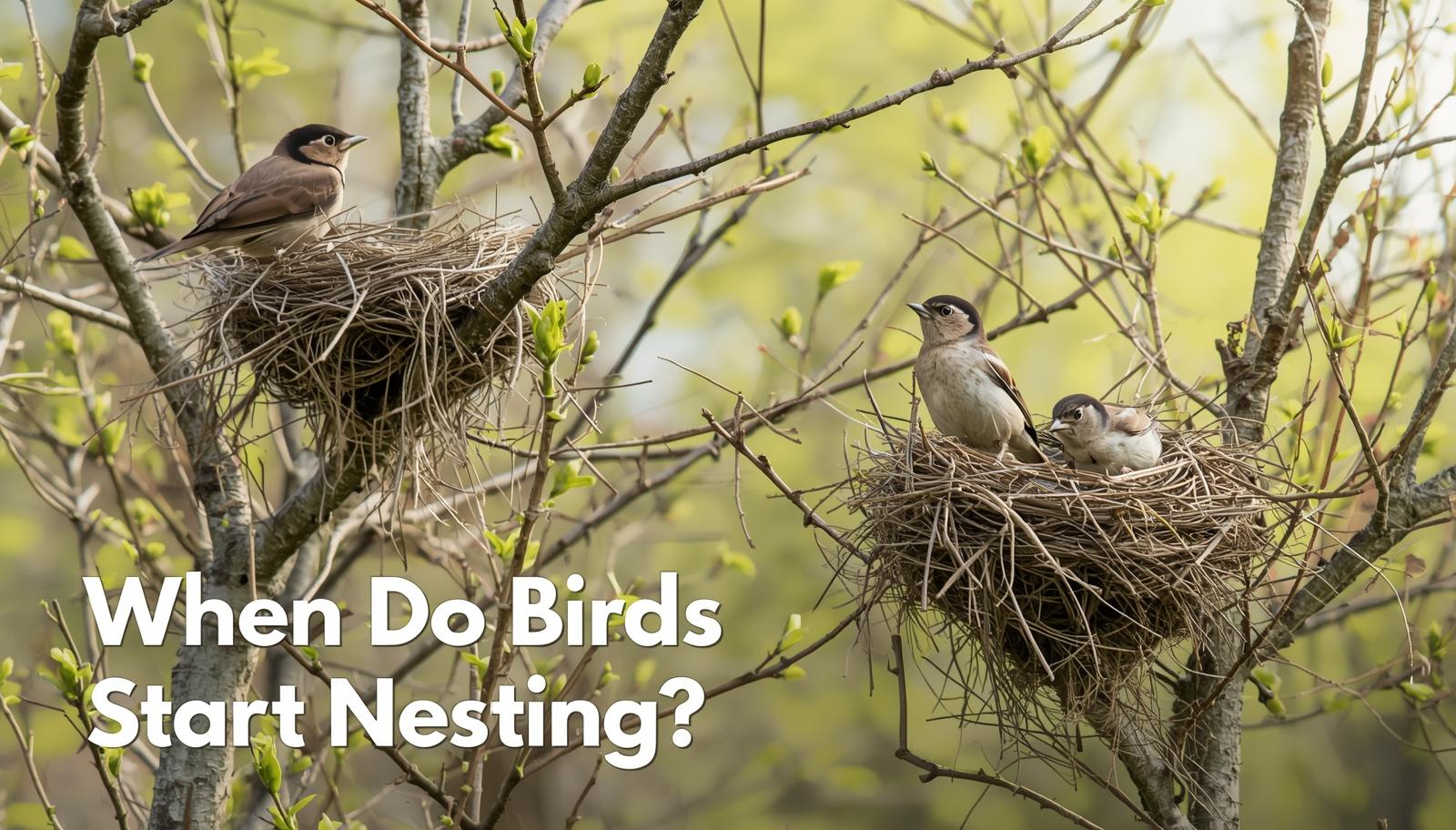
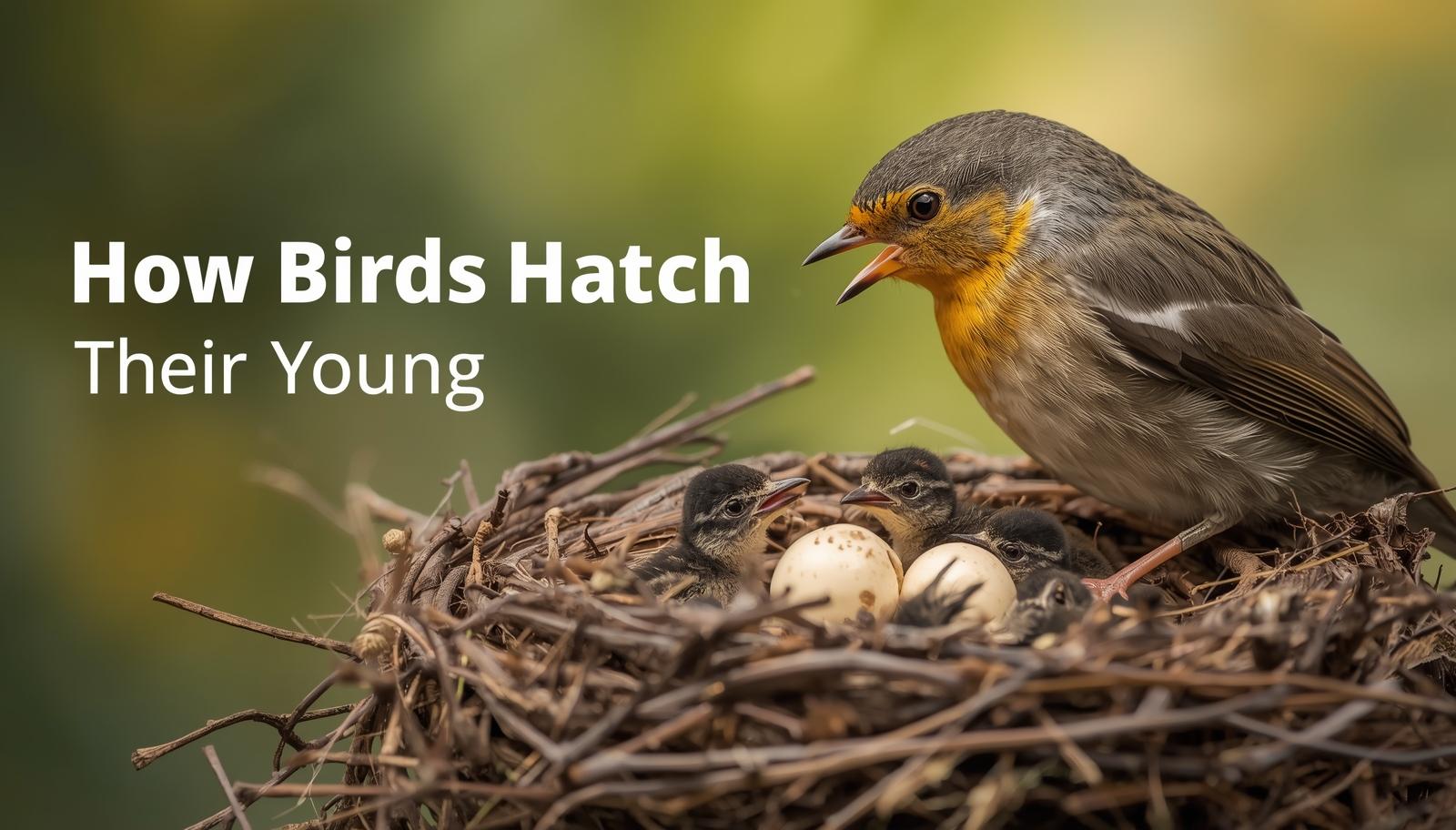
Have you ever wondered where some of nature’s most delicate creatures start their lives? Bird nesting beaches are hidden gems where seabirds come ashore to lay their eggs and raise their young.
These special places hold a quiet magic, full of life and stories waiting to be discovered. If you care about wildlife or simply want to witness a rare and beautiful part of nature, understanding bird nesting beaches is a must.
Keep reading, and you’ll find out why these beaches matter, how you can spot them, and what you can do to help protect these vital habitats. Your next outdoor adventure might just begin here.
Coastal Birds And Their Nesting Habits
Coastal birds live near the ocean or large bodies of water. They build nests on beaches, cliffs, or dunes.
These birds have unique habits to protect their eggs and chicks from predators and weather.
Common Coastal Bird Species
Many bird species nest along coasts. Some are well-known for their beach nesting habits.
- Seagulls – Often nest on sandy beaches and rocky shores.
- Terns – Prefer open sandy areas with little vegetation.
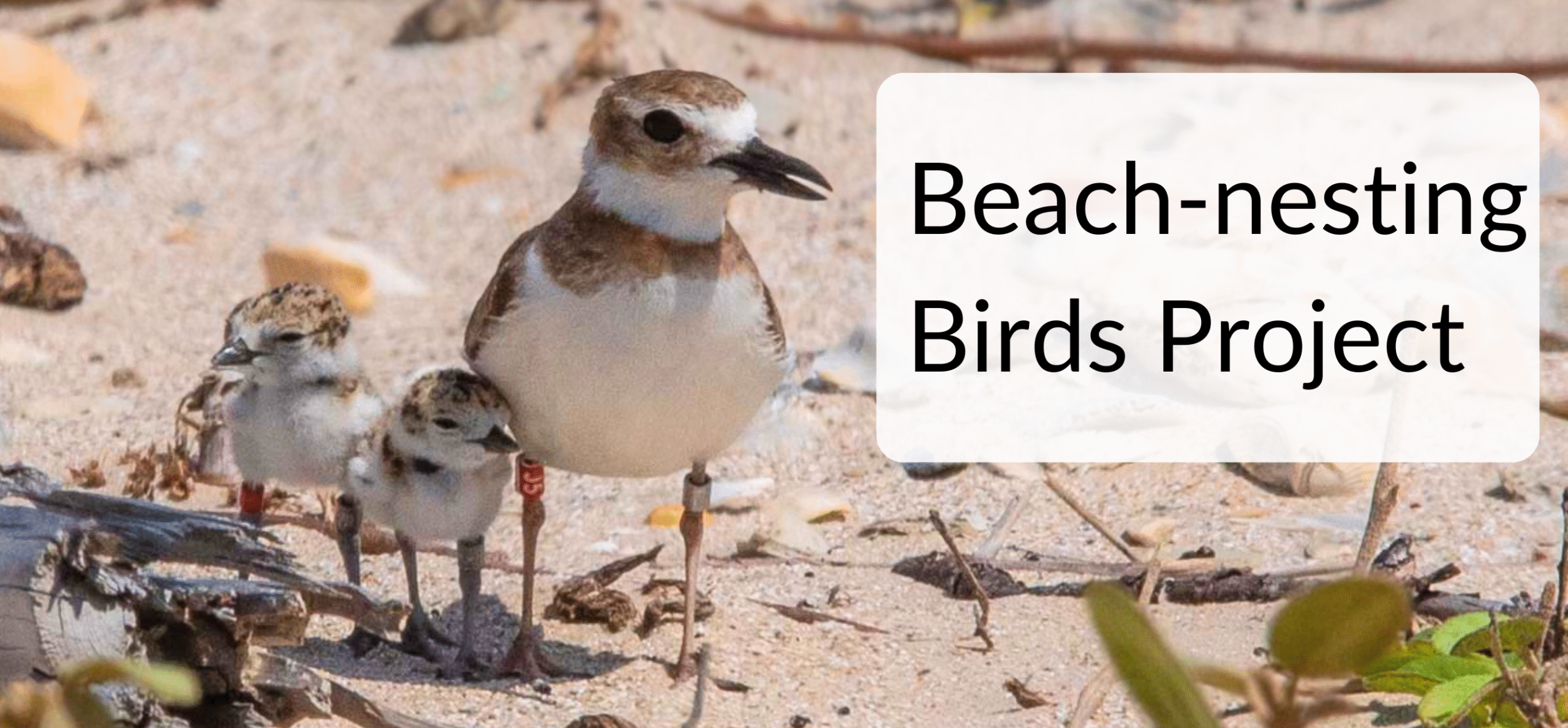
- Piping Plovers – Use shallow scrapes in the sand to lay eggs.
- Oystercatchers – Nest on rocky shores and shell beaches.
- Sandpipers – Build nests in hidden spots near water.
- Trained Monitors know the camouflage challenge: "Piping Plover nests are not built up; they are shallow depressions, or 'scrapes,' lined with tiny pebbles or shells. The eggs are a perfect pale tan with speckles, rendering them nearly invisible. The most reliable way for a visitor to know they are near a nest they can't see is to watch the adult behavior. If a bird appears to be feigning a broken wing and running away from you, you are likely too close to its eggs or chicks. Stop, back away slowly, and observe from a distance until the adult returns to its normal behavior."
Nesting Seasons And Patterns
Coastal birds nest during specific times of the year. This timing helps chicks grow when food is plentiful.
Most coastal birds nest in spring and early summer. They return to the same nesting sites each year.
- Nesting usually starts from March to July.
- Birds lay eggs in small groups called clutches.
- Many species use the same beach each year.
- Chicks hatch after about three to four weeks.
Breeding Behaviors
Coastal birds show special behaviors during breeding. They protect their nests and care for their young.
Parents take turns sitting on eggs and feeding chicks after hatching. They also warn others of danger.
- Some birds build simple nests on the sand.
- Others use shells, grass, or small sticks.
- Many birds are very protective and aggressive near nests.
- Parents teach chicks to find food and avoid predators.

Credit: gulfcoastmedia.com
Characteristics Of Ideal Nesting Beaches
Birds choose nesting beaches with specific features to keep their eggs safe. These beaches provide comfort and protection during nesting season. Understanding these features helps in preserving important habitats.
Ideal nesting beaches have the right sand, enough shelter, and low human activity. Each factor plays a key role in successful bird nesting.
Sand Quality And Terrain
Soft, loose sand is best for birds to dig nests. The terrain should be flat or gently sloping to avoid water flooding nests. Sand that stays cool helps protect eggs from heat.
- Fine grains that are easy to dig
- Stable ground to support nests
- Good drainage to prevent flooding
- Sand color that reflects heat
Vegetation And Shelter
Plants near nesting areas offer shade and hide nests from predators. Small bushes and grasses create safe spots for birds. Too much vegetation can block access, so balance is important.
| Type of Vegetation | Purpose |
| Low bushes | Provide shade and cover |
| Grasses | Help hide nests |
| Sparse trees | Offer wind protection |
| Dense shrubs | May block access |
Minimal Human Disturbance
Birds need quiet and safety to lay eggs and raise chicks. Beaches with little human traffic reduce stress on nesting birds. Signs and barriers help keep people away from nesting zones.
- Set up protected nesting areas
- Limit beach access during nesting season
- Educate visitors about nesting birds
- Enforce rules against disturbing nests
Notable Pristine Bird Nesting Beaches
Bird nesting beaches are special places where many bird species lay eggs. These beaches stay clean and safe for birds to raise their young.
Many people work hard to protect these areas. They help birds live and grow without harm from humans or predators.
Protected Reserves Worldwide
Protected reserves keep bird nesting beaches safe from damage. These areas have strict rules to stop pollution and hunting.
Reserves help many bird species, like sea turtles, gulls, and terns, to raise their chicks safely.
- RSPB Bempton Cliffs, UK – famous for puffins and gannets
- Galápagos Islands, Ecuador – home to blue-footed boobies
- Cape May, USA – a site for migrating shorebirds
- Great Barrier Reef Islands, Australia – supports many seabirds
- Isla Magdalena, Chile – hosts Magellanic penguins
Hidden Gems Off The Beaten Path
Some bird nesting beaches are quiet and less known. These hidden gems offer peaceful spots for birds to nest.
These places often have fewer visitors, which helps birds feel safe and undisturbed.
- Playa Blanca, Costa Rica – a quiet beach for sea turtles and shorebirds
- Kauai’s Secret Beaches, Hawaii – nesting sites for endangered seabirds
- Chole Island, Tanzania – home to rare crab-plover nests
- Little Tobago, Trinidad – a refuge for red-billed tropicbirds
Beaches With Unique Bird Populations
Some beaches host unusual bird species found nowhere else. These birds add special value to the nesting sites.
Protecting these beaches helps keep rare bird populations healthy and growing.
- Lord Howe Island, Australia – home to the rare Providence petrel
- Fernando de Noronha, Brazil – nests for the rare Noronha elaenia
- Bird Island, Seychelles – famous for sooty terns and fairy terns
- Maldives Atolls – host ground-nesting black-naped terns
Credit: www.gcbo.org
Threats To Bird Nesting Beaches
Bird nesting beaches are vital habitats for many bird species. These areas provide safe places for birds to lay eggs and raise their young. Sadly, these beaches face many threats that harm bird populations.
Protecting these nesting sites is important to keep bird species safe. Understanding the main dangers can help us take better care of these places.
Pollution And Waste
Pollution is one of the biggest threats to bird nesting beaches. Trash like plastic, fishing lines, and other waste can harm birds. Birds may eat the trash or get tangled in it, which can cause injury or death.
- Plastic waste can block bird nests or be eaten by mistake.
- Oil spills can coat feathers, making it hard for birds to fly or stay warm.
- Chemicals in the water can poison birds and their eggs.
- Seabird Researchers document the physical harm: "Necropsies of deceased seabirds, particularly chicks, consistently reveal that plastic fragments mistakenly fed to them by parents accumulate in the digestive system. The plastic doesn't pass through; it replaces the space required for nutritious food, leading to false satiety and physical blockage. The bird feels full but is starving. In some vulnerable species like the Laysan Albatross, plastic ingestion has been found to be a factor in the deaths of up to forty percent of their chicks before they fledge."
Coastal Development
Building homes, hotels, and roads near beaches can destroy bird habitats. Coastal development often removes the natural plants and dunes birds use for shelter. It can also bring more people and noise, which scares birds away from their nests.
| Impact | Effect on Birds |
| Habitat loss | Less space for nesting and feeding |
| Increased human activity | Disturbs nesting birds and causes stress |
| Light pollution | Confuses birds and affects their behavior |
Climate Change Impact
Climate change changes the weather and sea levels. Rising seas can flood nesting areas and wash away eggs. Changing weather patterns may also affect food supplies for birds.
Effects of climate change on bird nesting beaches include:
- Higher sea levels reducing nesting space
- More storms damaging nests and eggs
- Changes in temperature affecting egg development
- Shifts in food availability for chicks
Conservation Efforts And Success Stories
Bird nesting beaches are vital for many species. Protecting these areas helps birds grow their populations. Many groups work hard to keep beaches safe for nesting.
Conservation efforts focus on restoring habitats, involving communities, and creating laws. These actions have led to many success stories in bird protection.
Beach Restoration Projects
Beach restoration improves the natural home for nesting birds. Projects remove trash, plant native vegetation, and repair dunes. These efforts create safer spaces for birds to lay eggs.
- Clean up debris and plastic waste
- Plant native beach grasses and shrubs
- Build sand dunes as natural barriers
- Install signs to keep visitors away from nests
Community Involvement
Local communities help protect nesting birds by volunteering and spreading awareness. Schools, clubs, and families join beach patrols and count nests. Their actions support long-term conservation.
How communities help:
- Organize beach clean-up days
- Watch for predators and human disturbances
- Report injured or lost birds to experts
- Educate visitors about bird safety
Legislation And Protected Areas
Governments create laws to protect bird nesting beaches. They set up protected areas where human activity is limited. These rules reduce threats and help bird numbers grow.
| Law/Policy | Purpose | Impact |
| Beach Nesting Bird Act | Limits beach access during nesting | Fewer nest disturbances |
| Protected Coastal Reserves | Designates safe zones for birds | More successful hatchlings |
| Wildlife Protection Laws | Prohibits hunting or harming birds | Improved bird survival |

Credit: www.sevenmiletimes.com
How To Visit Without Disturbing Wildlife
Bird nesting beaches are delicate places where many birds raise their young. Visitors must act carefully to protect these birds and their homes.
Following simple rules helps keep the birds safe and lets us enjoy watching them without harm.
Responsible Birdwatching Tips
Watching birds without disturbing them takes thought. Keep these tips in mind to respect the wildlife.
- Stay on marked paths and do not walk on the sand dunes.
- Keep a safe distance from nests and birds.
- Use binoculars or zoom lenses to observe from afar.
- Keep noise low to avoid stressing the birds.
- Do not feed the birds or leave trash behind.
Seasonal Restrictions
Bird nesting seasons are sensitive times. Beaches may have rules that change by season to protect birds.
| Season | Allowed Activities | Restrictions |
| Spring | Birdwatching from designated spots | No walking on nesting areas |
| Summer | Guided tours only | Restricted beach access |
| Fall | General beach access | Keep dogs on leash |
| Winter | Open access | Respect wildlife habitats |
Guided Tours And Volunteer Opportunities
Joining guided tours or volunteering helps protect birds and learn more about them. These options guide visitors safely.
- Learn from experts about bird behavior.
- Help monitor bird populations and habitats.
- Support conservation efforts directly.
- Experience beaches with minimal impact.
Frequently Asked Questions
What Are Bird Nesting Beaches?
Bird nesting beaches are coastal areas where birds lay eggs and raise chicks. These beaches provide essential habitats for various bird species. They offer safety from predators and access to food sources. Protecting these beaches is crucial for bird conservation and biodiversity.
Why Are Bird Nesting Beaches Important?
Bird nesting beaches play a vital role in bird conservation. They provide safe spaces for birds to breed and raise young. These areas contribute to maintaining bird populations and biodiversity. Protecting them ensures healthy ecosystems and supports local wildlife.
How Can We Protect Bird Nesting Beaches?
Protecting bird nesting beaches involves minimizing human disturbances. Avoid walking on nesting areas and keep pets away. Support conservation efforts and follow local guidelines. Educating others about their importance can also help in preserving these critical habitats.
When Is Bird Nesting Season On Beaches?
Bird nesting season varies by location and species but generally occurs in spring and summer. During this time, birds lay eggs and raise chicks. Beaches may have restricted access to protect nesting sites, ensuring birds can breed safely.
Conclusion
Bird nesting beaches play a key role in nature’s balance. These sandy shores give birds a safe place to lay eggs. Protecting these areas helps many bird species survive. People can enjoy watching birds without disturbing them. Simple actions, like keeping beaches clean, make a big difference.
Respecting wildlife means a healthier planet for all. Visiting these beaches teaches us about nature’s wonders. Let’s value and protect bird nesting beaches today.