Have you ever wondered how birds learned to build their intricate nests? The story of bird nesting evolution is more fascinating than you might think.
Understanding how birds developed these unique skills can change the way you see nature and its incredible creativity. You’ll discover surprising facts about how nests have transformed over millions of years, helping birds survive and thrive. Keep reading, and you’ll unlock secrets that make bird nests one of the most amazing inventions in the animal kingdom.
Your curiosity about nature is about to be rewarded!

Credit: eatmorecookies.wordpress.com
Origins Of Nesting Behavior
Nesting is a key behavior in birds. It helps protect their eggs and young. Birds build nests in many shapes and sizes.
Scientists study how this behavior started. They look at early birds and their environment. This helps explain why nests evolved.
Early Birds And Their Nests
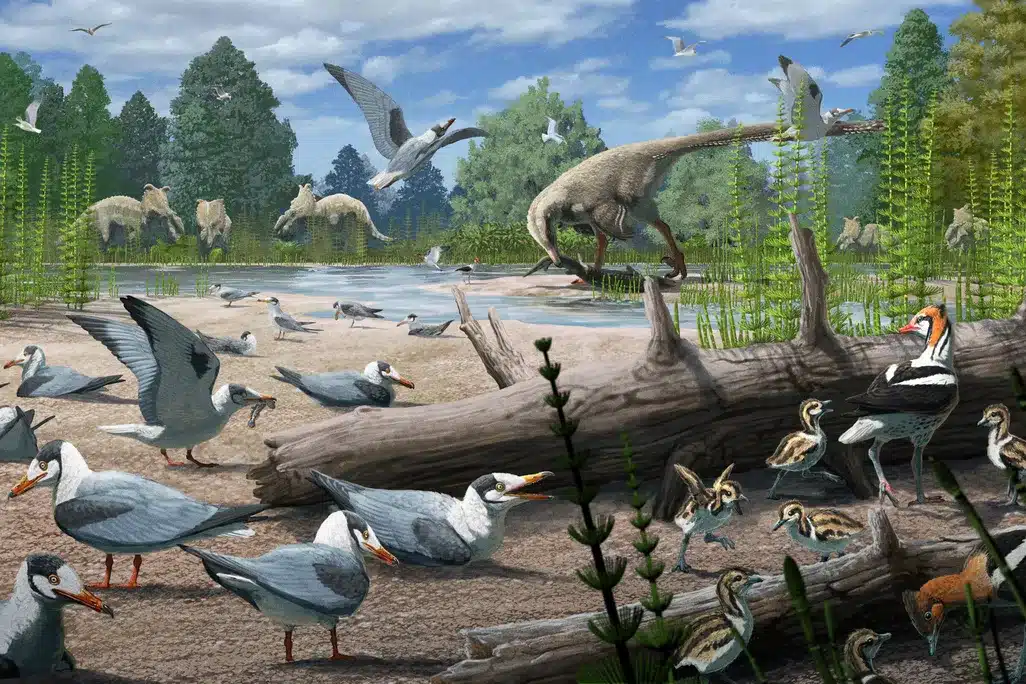
Early birds lived millions of years ago. They used simple materials to build nests. These nests were often on the ground or in trees.
- Some nests were made from twigs and leaves.
- Others used mud to hold the nest together.
- Birds chose safe places to avoid predators.
- Eggs were carefully placed to stay warm.
Evolutionary Drivers Of Nest Building
Birds build nests for many reasons. These reasons helped nests change over time. Birds that built better nests had more babies survive.
| Driver | Effect on Nesting |
| Predator Avoidance | Birds built nests in hidden spots |
| Climate Protection | Nests became insulated to keep eggs warm |
| Reproductive Success | Better nests improved baby bird survival |
| Material Availability | Birds used local materials like twigs or mud |
Types Of Bird Nests
Bird nests come in many shapes and sizes. They help protect eggs and young birds.
Different birds build different nests depending on their environment and needs.
Ground Nests
Many birds build nests directly on the ground. These nests are often simple.
Birds use leaves, grass, and small twigs to make these nests. They hide them well.
- Killdeer create shallow scrapes on bare soil.
- Some ducks use grass-lined depressions near water.
- Plovers cover nests with stones or shells for camouflage.
Tree And Shrub Nests
Many birds build nests in trees or shrubs to stay safe from predators.
These nests can be cups, platforms, or hanging structures made from twigs and leaves.
- Robins build cup-shaped nests with mud and grass.
- Weaver birds create hanging nests woven from grasses.
- Thrushes often use twigs and moss to line their nests.
Cliff And Cavity Nests
Some birds nest on cliffs or inside natural cavities in trees and rocks.
These nests offer good protection from weather and predators.
- Peregrine falcons nest on high cliff ledges.
- Woodpeckers create holes in tree trunks for nesting.
- Swifts use caves or rock crevices as nest sites.
Unique And Unusual Nests
Some birds build very unusual nests using special techniques or materials.
These nests can be complex and very strong or made from surprising items.
- Bowerbirds build decorated nests to attract mates.
- Oropendolas hang large woven nests from tree branches.
- Some swallows use mud to build enclosed nests under bridges.
Materials Birds Use
Birds build nests to protect their eggs and babies. They use many materials found in nature and nearby areas.
The choice of materials depends on the bird species and the environment where they live.
Natural Fibers And Twigs
Many birds use twigs and natural fibers for the nest’s structure. Twigs provide a strong frame that holds the nest together.
Fibers come from plants like grass, leaves, and bark. These materials are flexible and help shape the nest.
- Twigs from trees and shrubs
- Grass blades and leaves
- Bark strips
- Plant fibers such as cotton or moss
Mud And Clay
Some birds use mud or clay to build or strengthen their nests. These materials dry hard and hold the nest firmly.
Using mud helps protect the eggs from wind and rain. It also makes the nest more durable.
- Wet mud mixed with grass or straw
- Clay found near rivers or ponds
- Used to seal gaps between twigs
Feathers And Soft Linings
Birds often line their nests with soft materials for warmth and comfort. Feathers are a common choice.
Other soft linings include animal fur, moss, or plant down. These materials keep eggs and chicks safe.
- Feathers from their own body or others
- Animal fur or hair
- Moss and lichen
- Soft plant fibers like seed down
Human-made Materials
Some birds use human-made materials like string, paper, or plastic. These are found in urban areas and parks.
Human materials can help build nests but may also cause problems if they get tangled or are harmful.
- String, yarn, or thread
- Paper scraps and cloth pieces
- Plastic strips and wrappers
- Wire or fishing line
Credit: nestwatch.org
Nest Architecture And Design
Bird nests show amazing variety in structure and style. They serve as homes for eggs and chicks. Each design fits the needs of the bird species.
Nests protect eggs from weather and predators. Birds have evolved many ways to build nests that help survival.
Structural Complexity
Nests range from simple scrapes on the ground to complex woven structures. Some birds use mud and twigs. Others use leaves and spider silk for strength.
- Simple nests: shallow holes or scrapes
- Platform nests: built with sticks and leaves
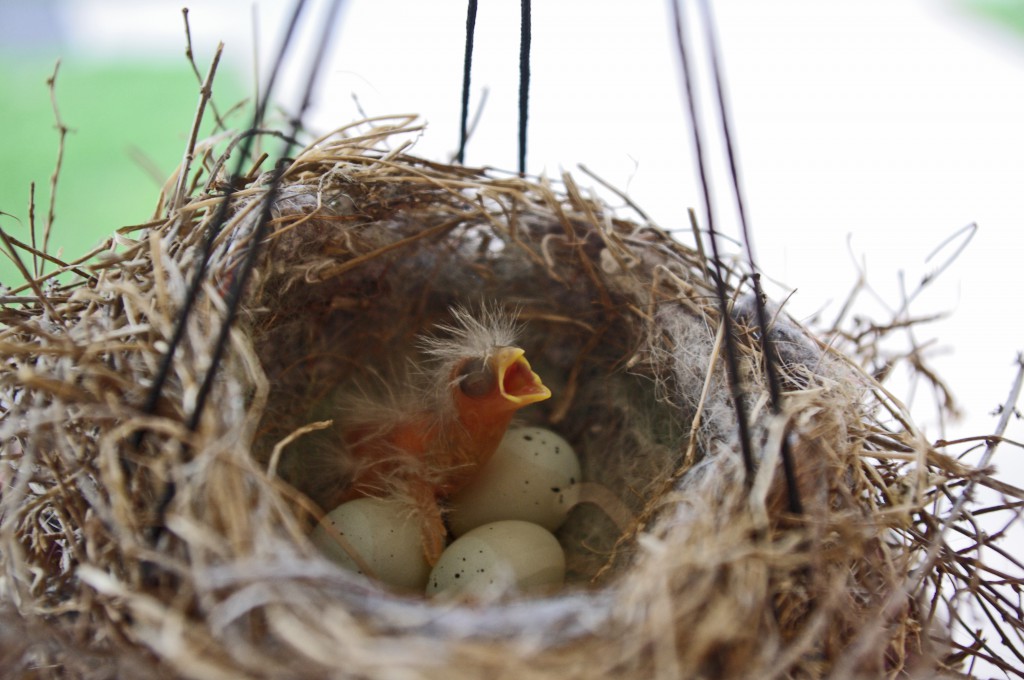
- Cup nests: round and deep, woven tightly
- Burrow nests: underground tunnels
- Hanging nests: suspended from branches
Camouflage And Protection
Birds use colors and materials that blend with the environment. This hides nests from predators. Some nests also have thorny branches around them for defense.
| Camouflage Method | Example | Purpose |
| Color matching | Ground-nesting plovers | Hide from predators |
| Use of leaves and moss | Warblers | Blend with trees |
| Thorny surroundings | Weaver birds | Physical barrier |
| Nest shape | Leaf-cutter ants’ mimic nests | Confuse predators |
Thermal Regulation
Nests keep eggs warm or cool depending on climate. Birds use feathers, moss, and grass as insulation. Some nests have air spaces to control temperature.
Common thermal regulation features include:
- Thick lining for cold climates
- Open structures for hot climates
- Waterproof materials to keep dry
- Orientation to sun exposure
Adaptations To Environment
Bird nests adapt to local weather and predators. Coastal birds build nests that resist wind and salt. Forest birds use dense foliage for cover.
- Desert birds use mud to keep nests cool
- Mountain birds build compact nests to resist cold
- Wetland birds place nests above water level
- Urban birds choose hidden spots in buildings
Behavioral Adaptations In Nesting
Birds have many behaviors to help them build safe nests. These behaviors help their young survive.
They choose sites carefully, work together to build nests, and share care duties.
Nest Site Selection
Birds pick nest sites that protect eggs and chicks. They look for places safe from predators and bad weather.
- High trees or cliffs to avoid ground animals
- Dense bushes for cover and camouflage
- Near water sources for food and hydration
- Using old nests or natural cavities for shelter
Collaborative Nest Building
Some birds build nests with help from others. This teamwork speeds up construction and improves nest quality.
| Bird Species | Collaboration Type | Benefit |
| Weaver Birds | Group weaving | Stronger nests |
| Florida Scrub-Jays | Helpers at nest | Better protection |
| Woodpeckers | Pair building | Faster completion |
Parental Roles And Care
Parents share tasks to raise chicks. Each has a role in feeding and guarding.
- One parent may watch for danger
- Another parent feeds the chicks
- Both keep the nest clean and warm
- Parents take turns sitting on eggs
Impact Of Environment On Nest Evolution
Bird nests have changed over time. The environment plays a big role in these changes. Different factors shape how nests look and where they are built.
Birds adapt their nesting habits to survive. They respond to weather, predators, and human actions. These factors guide how nests evolve.
Climate Influences
Climate affects nest size, shape, and location. Birds build warmer nests in cold areas. In hot places, nests allow more airflow to keep eggs cool.
- Cold climates: thick and insulated nests
- Hot climates: open and airy nests
- Rainy areas: waterproof materials used
- Windy zones: nests anchored tightly
Predation Pressures
Predators force birds to change nests. Birds may hide nests better or build them in hard-to-reach places. Some nests become smaller or less visible.
| Predator Type | Nest Adaptation |
| Snakes | High placement in trees |
| Birds of prey | Camouflaged nests |
| Mammals | Strong outer shells |
| Insects | Nest materials with repellents |
Human Disturbance Effects
Humans change habitats. Birds may move nests or build in new places. Noise and pollution cause stress and affect nest success.
Common human impacts on bird nests include:
- Loss of trees and plants
- Increased noise levels
- Pollution in air and water
- Urban lighting at night
- Presence of pets and people
Case Studies Of Ingenious Nests
Birds build nests that protect their eggs and babies. Their nests show amazing skills and creativity. These nests help birds survive in many environments.
Studying these nests helps us learn about nature and how birds adapt. Some nests are very complex and use clever building tricks.
Weaver Birds’ Complex Structures
Weaver birds make nests by weaving grass and leaves tightly. Their nests hang from tree branches. The nests look like small balls with entrances at the bottom.
These nests protect the birds from predators and bad weather. The weaving is so strong that it holds the whole family safely inside.
- Nests made from grass, leaves, and twigs
- Hanging, round shape with a small entrance
- Strong weaving keeps the nest safe
- Built high on tree branches to avoid danger
Swallows’ Mud Nests
Swallows build nests using mud mixed with saliva. They gather mud from wet places and shape it into small cups or bowls. The nests stick to walls or cliffs.
These mud nests are hard when dry and protect eggs from rain and wind. Swallows often return to the same nests year after year.
- Made from mud and saliva
- Built on vertical surfaces like walls or cliffs
- Dry hard to protect eggs and chicks
- Reusable nests for many seasons
Hummingbirds’ Tiny Cup Nests
Hummingbirds build very small nests that look like tiny cups. They use soft plant fibers and spider silk to hold the nest together. The silk makes the nest stretchy.
The small size helps the nest stay hidden in trees or bushes. The stretchy material lets the nest grow as baby hummingbirds get bigger.
- Tiny cup shape, often less than 2 inches wide
- Made from soft fibers and spider silk
- Stretchy nest adjusts as babies grow
- Hidden in leaves or branches for safety

Credit: www.cell.com
Future Of Bird Nesting
Bird nesting is changing as the world changes. Birds must find new ways to build nests in different places.
The future of bird nesting depends on how birds adapt to new challenges and environments.
Adaptation To Urbanization
Birds are building nests in cities more often. They use new materials like plastic and metal scraps.
Some birds choose buildings, bridges, and streetlights as safe nesting spots. Urban areas offer food but also dangers.
- Use of man-made materials in nests
- Nesting on buildings and other structures
- Increased noise and light affecting nesting
- Finding food in urban environments
Conservation Challenges
Many bird species face habitat loss and pollution. This makes it hard for them to find safe nesting places.
Protecting nesting sites is important to keep bird populations healthy. Conservation efforts focus on habitat restoration.
- Loss of natural nesting areas
- Pollution harms nesting materials
- Predators increase near human areas
- Need for protected nesting zones
Technological Insights And Research
Scientists use new tools to study bird nesting. Cameras and sensors track nests without disturbing birds.
Data helps understand how birds choose nesting sites and how they react to environmental changes.
- Use of drones to monitor nests
- GPS tracking of bird movements
- Data analysis on nesting success
- Research on impact of climate change
Frequently Asked Questions
What Is Bird Nesting Evolution?
Bird nesting evolution refers to how birds have developed diverse nest-building behaviors and structures over time. These changes improve survival and reproductive success.
How Do Bird Nests Adapt To Environments?
Bird nests evolve to suit climate, predators, and food availability. Adaptations include materials, location, and construction style for protection and comfort.
Why Do Birds Build Different Types Of Nests?
Different bird species build unique nests to match their habitat and lifestyle. Nest types reflect evolutionary strategies for offspring safety and resource use.
When Did Bird Nesting Behaviors First Appear?
Bird nesting behaviors likely appeared millions of years ago, evolving alongside bird species to enhance egg protection and chick development.
Conclusion
Bird nesting evolution showcases nature’s adaptability and creativity. Birds build nests to protect their young. Each species has unique nesting habits. This diversity supports their survival in changing environments. From simple to complex structures, nests vary widely. Studying these changes helps us understand bird behavior.
It also highlights the importance of preserving habitats. Protecting bird environments ensures continued evolution. Observing bird nesting offers insights into nature’s wonders. Nature’s resilience is evident in these small, delicate creations. Bird nests inspire awe and curiosity. They remind us of the beauty and complexity of the natural world.