Have you noticed Bird Nesting in Sheds? It might seem harmless at first, but this little surprise can quickly turn into a bigger problem.
Your shed is more than just a storage space—it’s part of your home’s environment. When birds choose it for nesting, it can affect your belongings, create noise, and even bring unwanted pests. If you want to protect your shed and keep your outdoor space peaceful, understanding why birds nest there and how to manage it is key.
Keep reading, because what you learn here could save you time, money, and stress.

Credit: www.reddit.com
Why Birds Choose Sheds
Birds often look for safe places to build their nests. Sheds provide many benefits that attract them.
These small buildings offer shelter and a quiet space for birds to raise their young. Let’s explore why sheds are popular nesting spots.
Shelter And Safety
Sheds protect birds from bad weather like rain, wind, and cold. The walls and roof keep nests dry and warm.
Birds also feel safe from predators inside sheds. The enclosed space hides them from cats, larger birds, and other threats.
Proximity To Food
Sheds are often near gardens or trees. These places provide easy access to seeds, insects, and berries.
Birds do not have to travel far to find food. This helps parents feed their chicks quickly and safely.
Quiet Environment
Sheds are usually calm and less busy than open areas. Birds prefer quiet spots to avoid stress and danger.
The low noise helps birds hear sounds around them. This alertness keeps the nest safe from intruders.

Credit: www.reddit.com
Common Bird Species In Sheds
Sheds provide safe places for many birds to build nests. Birds like sheds because they offer shelter from weather and predators.
Different bird species prefer different parts of sheds. Some choose rafters, others use corners or windowsills.
Sparrows And Wrens
Sparrows are small birds that often nest inside sheds. They build cup-shaped nests with grass and feathers.
Wrens like tight spaces and make nests in corners or cracks. They use twigs and moss to create cozy homes.
- Sparrows build open cup nests near beams
- Wrens prefer dark corners and narrow gaps
- Both species sing loudly around their nests
Pest Management Professionals focus on the House Sparrow: “When birds nest in sheds, the biggest structural concern is the House Sparrow (Passer domesticus). Unlike native birds, which are protected by the Migratory Bird Treaty Act (MBTA), the House Sparrow is an invasive, non-native species. This distinction is critical because it means their active nests, eggs, and chicks can legally be managed or removed at any time. Their nests are particularly messy and fire-prone, making prevention—by permanently blocking a 1-inch access point—a top priority.”
Swallows And Martins
Swallows often build mud nests under shed eaves. They use mud and grass to form cup-shaped nests.
Martins build similar nests but prefer hanging from rafters. They live in groups and nest close together.
- Swallows use mud to stick nests to walls
- Martins nest in colonies inside shed rafters
- Both birds eat flying insects near sheds
Pigeons And Doves
Pigeons build simple nests with sticks in shed corners. They often stay near humans and use sheds for shelter.
Doves prefer quiet, hidden spots inside sheds. Their nests are loose collections of twigs and leaves.
- Pigeons nest in open corners using sticks
- Doves choose hidden spots for safety
- Both birds lay one or two eggs per nest
Signs Of Bird Nesting
Birds often choose sheds to build their nests. It is important to know the signs they leave behind. This helps you identify if birds are nesting inside your shed.
Recognizing bird nesting early can help you protect your shed and the birds. Look for visible clues and listen for sounds that show birds are active nearby.
Visible Nests
Nests are the clearest sign of bird nesting. Birds use twigs, leaves, and grass to build their homes. You may find nests in corners, rafters, or shelves inside the shed.
Look closely in dark or quiet areas of the shed. Nests may be hidden behind stored items or inside vents.
- Check shed corners and rafters
- Look behind stored boxes or tools
- Inspect vents and small openings
Feathers And Droppings
Feathers near entrances or inside the shed show birds have been there. Droppings also appear below nesting spots or perches.
Feathers and droppings can help you find where birds spend time. They are often scattered on the floor or on shelves.
- Spot feathers near windows or doors
- Look for droppings on the shed floor
- Check shelves and ledges for bird remains
Bird Sounds And Activity
Birds make chirping and fluttering noises when they are nesting. Listen for these sounds inside or near your shed, especially in the morning and evening.
You may see birds flying in and out of the shed. Watch for repeated visits to one spot. This shows birds are caring for eggs or young chicks.
- Listen for chirping sounds at dawn and dusk
- Watch for birds entering and leaving the shed
- Notice if birds stay near the shed for long periods
Risks Of Bird Nesting In Sheds
Birds often find sheds a good place to build nests. While this seems harmless, it can cause several problems. Knowing the risks helps you protect your shed and health.
Bird nests in sheds can lead to property damage, health issues, and attract unwanted animals. Each risk needs attention to keep your space safe and clean.
Damage To Property
Birds build nests using twigs, leaves, and other materials. These can block vents or gutters in your shed. Nesting can also stain walls and ceilings with droppings. Over time, droppings may cause wood to rot or metal to rust.
- Blocked vents reduce airflow and cause dampness.
- Droppings can stain paint and wood surfaces.
- Nests may block gutters and cause water damage.
- Wood damage from moisture and droppings.
Health Concerns
Bird droppings carry bacteria and fungi. These can lead to illnesses in people nearby. Dust from nests may cause allergies or breathing problems. Parasites like mites and ticks can spread from nests to humans.
| Health Risk | Cause | Effect |
| Respiratory Issues | Fungal spores in droppings | Coughing, asthma attacks |
| Allergic Reactions | Dust and feathers | Sneezing, skin irritation |
| Infections | Bacteria in droppings | Fever, fatigue |
| Parasite Bites | Mites, ticks in nests | Itching, rashes |
Attracting Predators
Bird nests often attract predators to your shed. Animals like rats, snakes, and raccoons may come looking for eggs or chicks. These predators can cause more damage and bring extra health risks.
- Rats may chew wires and spread disease.
- Snakes can scare or harm people and pets.
- Raccoons may tear up property searching for food.
- Predators increase the risk of parasites spreading.
Preventing Birds From Nesting
Birds often build nests in sheds for shelter and safety. This can cause damage and mess. Preventing birds from nesting helps keep your shed clean and intact.
Use simple steps to stop birds from settling inside your shed. Focus on blocking entry, using scare tactics, and keeping the area tidy.
Sealing Entry Points
Birds enter sheds through small gaps and holes. Seal these openings to keep them out. Use mesh, caulk, or wood to close spaces around doors, windows, and vents.
- Inspect your shed regularly for holes
- Cover vents with wire mesh
- Fix broken door seals
- Fill cracks with weatherproof caulk
Using Deterrents
Bird deterrents make your shed less attractive. Use visual and sound devices to scare birds away. Move them often so birds do not get used to them.
| Deterrent Type | Description |
| Reflective Tape | Shines light and moves in wind to scare birds |
| Fake Owls | Mimics predators to frighten birds |
| Sound Machines | Emit bird distress calls or predator sounds |
| Spikes | Prevent birds from landing on ledges |
- Behavior Consultants advise on placement: “If you use visual deterrents like fake predator statues or reflective tape, the key to success is mobility. Birds are highly intelligent; if a fake owl or hawk sits in the exact same spot for more than three days, the birds quickly recognize it as harmless. You must move the deterrent every few days or use a rotating device to maintain the illusion of a mobile threat.”
Maintaining Cleanliness
Keep your shed clean to avoid attracting birds. Remove old nests, food scraps, and standing water. A tidy shed sends a message that it is not a safe place to nest.
- Clear debris and leaves regularly
- Store pet food in sealed containers
- Fix leaks to prevent water pooling
- Dispose of trash properly and often
Safe Removal Of Bird Nests
Bird nests in sheds can cause problems. Removing them safely protects both birds and your property.
It is important to follow rules and use kind ways to remove nests. This helps keep birds safe.
Legal Considerations
Laws protect many birds and their nests. Removing nests without permission can lead to fines.
Check local wildlife laws before touching any bird nests in your shed.
- Some birds are fully protected year-round
- Other species have seasonal protections
- Permits may be needed for nest removal
Timing Removal
Remove nests only when birds are not using them. This usually means waiting until chicks have left.
Early spring and late summer are often safe times to check nests for activity.
- Look for eggs or baby birds before removal
- Do not disturb nests during breeding season
- Schedule removal after birds have flown away
Humane Methods
Use gentle ways to remove nests. Avoid harming birds or their eggs.
After removal, clean the area to stop birds from returning.
- Wear gloves to protect yourself and birds
- Remove nests by hand carefully
- Use bird deterrents after nest removal
- Keep sheds well sealed to prevent future nesting
Creating Bird-friendly Alternatives
Birds often try to nest in garden sheds. This can cause damage and make a mess. You can help birds by giving them safer places to live.
Creating bird-friendly spots keeps your shed clean. It also helps birds find good homes nearby.
Installing Birdhouses
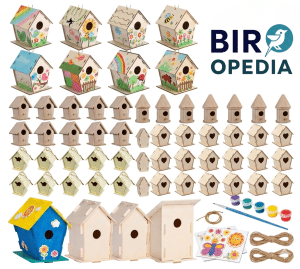
Put birdhouses near your shed but not on it. Use wood birdhouses with small entrances to keep birds safe.
Place them high enough to avoid cats and predators. Clean the birdhouses yearly to prevent disease.
- Use untreated wood birdhouses
- Mount at least 5 feet above ground
- Position entrances away from wind
- Clean inside once a year
Designing Garden Spaces
Make the garden near your shed friendly for birds. Plant native shrubs and trees for cover and food.
Add layers of plants to create safe spots. Avoid using chemicals that can harm birds or insects.
- Grow berry bushes and flowering plants
- Create dense shrubs for shelter
- Keep some leaf litter for insects
- Avoid pesticides and herbicides
Providing Food And Water
Offer clean water near the shed for birds to drink and bathe. Use shallow dishes or birdbaths.
Feed birds with natural seeds and suet. Change the food often to avoid mold and pests.
- Use fresh, clean water daily
- Choose sunflower seeds and millet
- Place feeders in safe, visible spots
- Keep feeding areas clean

Credit: www.callnorthwest.com
Regular Shed Maintenance
Birds often use sheds as safe places to build nests. Regular maintenance helps keep your shed in good shape. It also prevents unwanted nesting inside.
Checking your shed regularly can stop damage and keep the area clean. This protects both your shed and the birds.
Inspecting For New Nests
Look for bird nests inside and around your shed each week. Early detection helps you manage the situation safely. Check corners, shelves, and rafters.
- Use a flashlight to see dark corners
- Look for twigs, feathers, and leaves
- Check under eaves and vents
- Note any bird activity near the shed
Repairing Damage
Bird nests can cause wear or holes in your shed. Fix damage quickly to prevent bigger problems. Use weatherproof materials for repairs.
| Damage Type | Repair Method |
| Holes in walls | Seal with wood filler or caulk |
| Broken window screens | Replace or patch screens |
| Loose roof shingles | Reattach or replace shingles |
| Damaged vents | Install bird-proof vent covers |
Keeping The Area Tidy
A clean shed area discourages birds from nesting. Remove clutter and food scraps regularly. Trim plants near the shed to reduce hiding spots.
- Store tools in closed containers
- Clear leaves and debris weekly
- Keep trash bins sealed
- Use bird deterrents if needed
Frequently Asked Questions
Why Do Birds Nest In Sheds?
Birds find sheds safe and sheltered from predators and weather. Sheds offer quiet, undisturbed spaces ideal for nesting. The structure’s warmth and protection increase their chicks’ survival chances.
How To Prevent Birds Nesting In Sheds?
Seal entry points like gaps and holes to block access. Use bird deterrents such as reflective tape or sound devices. Regularly clean the shed to remove nesting materials and discourage birds.
What Are Common Birds Nesting In Sheds?
Sparrows, swallows, and robins frequently nest in sheds. These birds prefer dark, sheltered spots with easy access. Knowing common species helps tailor prevention and coexistence strategies effectively.
Can Bird Nests Damage Sheds?
Yes, nests can cause damage by blocking vents or gutters. Droppings may corrode surfaces and attract pests. Regular inspection and cleaning help protect the shed’s integrity.
Conclusion
Birds find sheds a safe place to nest. They seek shelter and security. Sheds offer protection from predators and harsh weather. Observing them can be a delightful experience. Their presence adds life and charm to your space. But sometimes, nests can create problems.
So, it’s important to manage their presence responsibly. Ensure both birds and property stay safe. Enjoy nature’s beauty while maintaining a balance. Respect their role in our ecosystem. With care, sheds and birds can coexist peacefully. An opportunity to connect with nature right at home.