Have you ever stopped to watch a bird carefully building its nest in the open, right out in the open air? Open cup nesting birds create some of nature’s most fascinating homes, using twigs, leaves, and feathers to craft delicate nests that are both beautiful and vulnerable.
If you want to understand how these birds choose their spots, protect their eggs, and raise their young in plain sight, this article is made for you. Keep reading, and you’ll discover surprising facts about these open-air architects that will change the way you see your backyard visitors forever.

Credit: chicagobirdalliance.org
Open Cup Nesting Birds
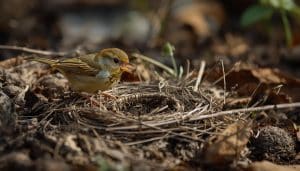
Open cup nesting birds build nests that are open at the top. These nests look like small cups made of natural materials. The nest holds their eggs safely.
These birds choose different places to build their nests. They often pick spots that protect the nest from weather and predators.
Common Species
Many bird species build open cup nests. These birds are easy to spot during breeding seasons. They include songbirds and small woodland birds.
- American Robin
- Song Sparrow
- Chickadees
- Warblers
- Bluebird
Habitat Preferences
Open cup nesting birds live in many habitats. They often build nests in trees, shrubs, or tall grasses. The location gives good cover from predators.
Some birds prefer forests, while others live near water or in gardens. They look for places with enough food and safety.
- Woodlands and forests
- Wetlands and marshes
- Gardens and parks
- Grasslands and fields
Nesting Materials
Birds use many materials to build open cup nests. They pick soft and flexible items to shape the nest. These materials help keep eggs warm and safe.
Common materials include twigs, grass, leaves, and feathers. Some birds add mud or spider silk to hold the nest together.
- Twigs and small sticks
- Grass and leaves
- Feathers and fur
- Mud and clay
- Spider silk and plant fibers
Ornithological Researchers highlight a “secret ingredient” in many cup nests: “While twigs provide the frame, many open cup nesters—especially Hummingbirds and Gnatcatchers—rely on spider silk as a primary building material. Spider silk is high-tensile and elastic. This ‘biological glue’ allows the nest to actually expand as the chicks grow, preventing the cup from bursting while maintaining a tight, camouflaged grip on the tree branch even during high winds.”
Identifying Open Cup Nests
Open cup nests are common homes for many bird species. These nests have a simple, bowl-like shape. They are easy to spot if you know what to look for.
This guide explains how to identify open cup nests. Learn about their structure, where to find them, and when birds build them.
Nest Structure
Open cup nests look like small bowls made from twigs, grass, and leaves. They are usually shallow and not fully enclosed. You can see the eggs or chicks inside easily.
- The nest rim is often uneven or ragged.
- Materials used are soft on the inside for comfort.
- They are strong enough to hold eggs but light in weight.
- Some nests have mud or spider silk to hold parts together.
Location Clues
Birds choose safe spots for open cup nests. These locations help hide the nest from predators and bad weather. Look carefully in these common places:
| Location | Description |
| Tree branches | Often found in forks or near leaves |
| Shrubs | Low to medium height, well-covered |
| Tall grasses | Hidden among dense grass blades |
| Buildings | Under eaves or ledges |
Seasonal Patterns
Birds build open cup nests mostly in spring and early summer. This timing matches when food is plenty and weather is mild. Watch for these signs:
- In early spring, birds gather nesting materials.
- Egg laying happens soon after nests are built.
- Chicks hatch in late spring or early summer.
- Parents feed young until they can fly away.
Bird Behavior During Nesting
Birds show many interesting behaviors when they nest. Their actions help protect their young and ensure survival.
Understanding these behaviors can help us learn more about nature and bird life cycles.
Mating Rituals
Birds use different displays to attract mates. These include songs, dances, and bright feathers.
- Male birds often sing loud songs to call females.
- Some birds perform dances to show strength and health.
- Colorful feathers or special markings catch the female’s eye.
- Birds may bring gifts like food or nesting materials.
Nest Building Process
Birds build nests to keep eggs safe and warm. They use twigs, leaves, and soft materials.
- Find a safe location, like a tree or bush.
- Gather nesting materials nearby.
- Weave and shape the materials into a cup or platform.
- Line the nest with feathers or moss for comfort.
- Both parents often help in building the nest.
Protective Actions
Birds guard their nests with care. They act quickly to scare off threats.
| Protective Behavior | Description |
| Alarm Calls | Sharp sounds warn other birds of danger nearby. |
| Distraction Display | Birds pretend to be hurt to draw predators away. |
| Physical Defense | Some birds attack intruders with pecks or wing strikes. |
| Camouflage | Nests and birds blend in to hide from enemies. |
Avian Biologists warn about a specific challenge for open-cup nesters: “Open cup nests are the primary targets for Brown-headed Cowbirds, which are ‘brood parasites.’ They lay their eggs in the nests of other birds, often at the expense of the host’s own chicks. Authority Tip: If you see a larger, speckled egg in a nest of smaller blue or white eggs, it is likely a Cowbird. However, experts advise not to remove it; some birds will abandon the entire nest if they detect human interference, or ‘mafia-like’ retaliation from the parent Cowbird can occur.”
Credit: foxglovecovert.org.uk
Caring For Nesting Birds
Nesting birds need special care during their breeding time. Providing safe places and food helps them thrive.
Learning how to care for nesting birds supports nature and helps young birds grow strong.
Creating Safe Environments
Birds need quiet and protected spots to build nests. Avoid disturbing their homes.
Use natural materials like branches and leaves to help birds make nests. Keep pets away from nesting areas.
- Place nesting boxes away from busy areas
- Keep windows covered to prevent bird collisions
- Trim tall grass and shrubs to reduce predators
- Do not use pesticides near nesting sites
Feeding Tips
Feed birds with safe and natural foods during nesting season. Avoid processed or salty foods.
Offer water and seeds that match the birds’ natural diet. Fresh food helps parent birds care for their chicks.
- Provide fresh water daily
- Offer seeds like sunflower and millet
- Include insects such as mealworms for protein
- Clean feeders regularly to prevent disease
Avoiding Common Threats
Watch for predators like cats and snakes near nests. Protect birds by keeping these threats away.
Avoid loud noises and sudden movements. These can scare birds and cause them to leave their nests.
- Keep pets indoors or on leashes
- Secure garbage to avoid attracting predators
- Do not touch or move eggs or chicks
- Minimize human activity near nesting sites
Observing Without Disturbing
Watching open cup nesting birds can be a rewarding experience. It is important to do this without causing harm or stress to the birds.
Careful observation helps protect bird families and their fragile nests. Respecting their space keeps them safe.
Best Practices
Keep a safe distance from the nest to avoid scaring the birds. Use quiet movements and avoid sudden noises.
- Approach the area slowly and calmly
- Do not touch the nest or eggs
- Limit your observation time to avoid disturbance
- Observe during daylight hours only
- Wear neutral colors to blend with the environment
Using Binoculars and Cameras
Binoculars and cameras help you see details without getting too close. Use zoom lenses to keep your distance.
| Tool | Tip |
| Binoculars | Use steady hands or a tripod for clear views |
| Camera | Use a telephoto lens to avoid approaching the nest |
| Smartphone | Use digital zoom but avoid flash photography |
Signs Of Stress to Watch For
Birds show stress in many ways. Watch for these signs to stop and move away if needed.
- Frequent alarm calls or loud noises
- Parent birds leaving the nest for long periods
- Fluffed feathers or rapid breathing
- Agitated movements or attempts to distract you
- Visible damage to the nest or eggs

Credit: www.npr.org
Supporting Nesting Success
Open cup nesting birds build nests that are open on top. These birds need safe places to lay eggs and raise chicks. Helping them can improve their chances of survival.
Providing the right support helps birds find food, shelter, and protection. This support also helps maintain healthy bird populations.
Providing Nesting Materials
Birds use natural items to build their nests. You can offer materials like twigs, leaves, and grasses. These help birds create strong and cozy nests.
Avoid using materials that can harm birds, such as plastic or string. Clean, safe materials encourage birds to stay and raise their young.
- Small sticks and twigs
- Dry grass and leaves
- Feathers and soft moss
- Natural fibers like cotton or wool (avoid synthetic)
Gardening For Birds
Plant native flowers, shrubs, and trees to provide shelter and food. Native plants attract insects and seeds that birds eat. They also offer safe spots for nesting.
Keep your garden free from pesticides. These chemicals can harm birds and their food sources. Water sources like birdbaths also help birds stay healthy.
- Plant native shrubs and trees
- Grow flowers that produce seeds and attract insects
- Provide fresh water with birdbaths
- Avoid chemicals and pesticides
Community Involvement
Work with neighbors to create bird-friendly spaces. Sharing knowledge and resources can improve nesting success in your area. Communities can also protect local habitats together.
Join local birdwatching groups or conservation projects. These groups often organize events to build nest boxes and clean habitats. Your help supports many birds at once.
- Organize neighborhood planting days
- Build and place nest boxes
- Take part in bird counts and surveys
- Educate others about bird conservation
Frequently Asked Questions
What Are Open Cup Nesting Birds?
Open cup nesting birds build exposed, cup-shaped nests in trees or shrubs. These nests are often made from twigs, grass, and mud, providing a secure place for eggs and chicks while allowing easy access and ventilation.
Which Birds Commonly Use Open Cup Nests?
Birds like robins, sparrows, and warblers often build open cup nests. These species prefer open cup nests because they offer good visibility and protection, helping parents monitor their young and nearby predators effectively.
How Do Open Cup Nests Protect Bird Eggs?
Open cup nests use natural materials to create a sturdy structure. The nest’s location, often hidden in foliage, helps shield eggs from predators and harsh weather while maintaining airflow to keep eggs at a stable temperature.
When Do Open Cup Nesting Birds Lay Eggs?
Most open cup nesting birds lay eggs during spring and early summer. This timing ensures warmer weather and abundant food, which supports the growth and development of their chicks after hatching.
Conclusion
Exploring open cup nesting birds reveals nature’s beauty and complexity. These birds use their environment creatively. Their nests showcase adaptability and resourcefulness. Understanding their habits helps us appreciate their role in ecosystems. We can learn from their resilience and strategies.
Observing these birds encourages a deeper connection with nature. Protecting their habitats ensures they continue to thrive. Every small action counts in conserving their world. Let’s cherish and support these fascinating creatures. They enrich our lives and the planet. Their presence adds wonder to our surroundings.
Embrace the opportunity to learn from them.