Have you ever wondered how tiny, fragile baby birds survive their early days? The way parent birds care for their chicks is truly amazing.
From keeping them warm to feeding them just the right food, these devoted parents work nonstop. If you want to discover the surprising and heartwarming ways birds protect and nurture their young, keep reading. You’ll be amazed at the lengths your feathered neighbors go to ensure their chicks grow strong and healthy.

Credit: en.wikipedia.org
Nest Building And Preparation
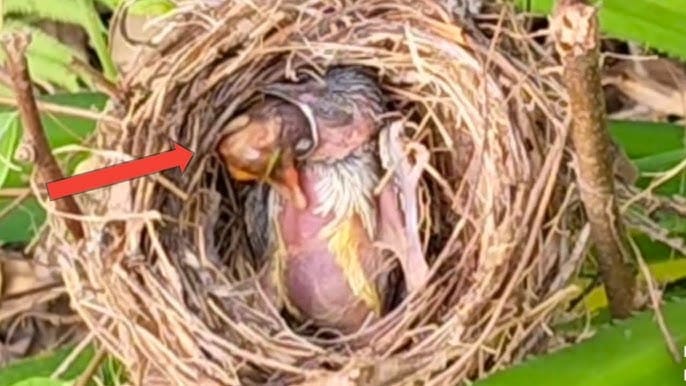
Parent birds work hard to build nests for their chicks. These nests protect the young birds from danger and keep them warm.
Building a good nest starts with choosing the right place. Then, birds gather materials and carefully build their nests.
Selecting The Right Location
Birds pick safe spots to build their nests. They look for places hidden from predators and harsh weather.
Some birds choose high tree branches. Others use bushes or even ledges on buildings.
- Hidden from predators like cats and snakes
- Protected from strong wind and rain
- Close to food sources for easy feeding
- Stable and secure to hold the nest well
Materials Used For Nests
Birds use many natural materials to build nests. These materials help keep the nest strong and cozy.
Common materials include twigs, leaves, and soft feathers. Some birds use mud or spider silk to hold the nest together.
- Twigs and small sticks for structure
- Leaves and grass for softness
- Feathers and fur to keep chicks warm
- Mud or clay for extra strength
- Spider silk or plant fibers to bind materials
Nest Construction Techniques
Birds use different ways to build their nests. They carefully place materials to make a safe home.
Some birds weave twigs tightly. Others pack soft materials inside to make a cozy cup shape.
- Weaving twigs and fibers for strength
- Lining nests with soft materials for warmth
- Shaping nests to hold eggs securely
- Using sticky substances to keep nests intact
- Constantly repairing nests during the breeding season

Credit: www.youtube.com
Feeding And Nourishment
Parent birds play a vital role in feeding and nourishing their chicks. They provide food that helps young birds grow strong and healthy.
Understanding how parent birds feed their chicks shows how nature supports new life. Different species have unique ways to care for their young.
Types Of Food Provided
Parent birds feed their chicks many types of food. The kind of food depends on the species and the chick’s needs.
- Insects and worms are common protein sources.
- Seeds and grains give energy and nutrients.
- Fruits and nectar provide vitamins and hydration.
- Small fish or amphibians are fed by some water birds.
Feeding Frequency And Methods
Parents feed their chicks many times a day. Young chicks need frequent feeding to grow quickly.
| Age of Chick | Feeding Times per Day | Feeding Method |
| Newly hatched | Every 10-20 minutes | Regurgitation of soft food |
| 1-2 weeks | Every 30 minutes | Direct delivery of food items |
| 3-4 weeks | Every 1-2 hours | Food dropped near nest edge |
Role Of Both Parents
Both mother and father birds often share feeding duties. This teamwork helps keep the chicks well-fed and safe.
Here are typical roles of parent birds during feeding:
- One parent gathers food while the other guards the nest.
- Parents take turns feeding the chicks to avoid exhaustion.
- Both parents teach chicks to eat solid food as they grow.
Protection And Safety
Parent birds work hard to keep their chicks safe. They use many ways to protect their young from harm. Safety is key for the chicks’ growth and survival.
Parents watch closely and act fast to guard their nests. They also use nature’s tricks to hide and warn their chicks.
Guarding Against Predators
Parent birds stay near the nest to watch for dangers. They chase away animals that try to get close. Some birds use loud calls to scare off threats.
- Stay close to the nest at all times
- Use sharp calls to warn predators
- Attack or distract animals that come near
- Hide or move chicks if danger is very close
Camouflage And Alarm Calls
Many parent birds and their chicks blend in with their surroundings. Their colors help them stay hidden from enemies. Birds also have special sounds to warn their young.
| Camouflage Methods | Alarm Call Types |
| Brown or green feathers | Short sharp whistles |
| Speckled patterns like leaves | Rapid repeated chirps |
| Mimicking natural shadows | Low growls or rattles |
Weather Protection Strategies
Parent birds protect chicks from cold, heat, and rain. They use their bodies and nests to keep chicks safe and warm.
- Brooding chicks under feathers for warmth
- Building nests with thick materials to block wind
- Finding shaded spots to avoid sun
- Covering chicks during rain with wings

Credit: www.youtube.com
Temperature Regulation
Parent birds work hard to keep their chicks warm. They use special behaviors to control temperature. This helps chicks grow healthy and strong.
Young chicks cannot keep their body temperature steady. Parent birds protect them from cold and heat by adjusting their care.
Brooding Behavior
Brooding means a parent bird sits on the chicks to keep them warm. This is very important, especially in the first weeks.
- Parent birds spread their feathers to cover the chicks.
- They use their body heat to warm the chicks.
- Parents may huddle close to stop heat loss.
- They adjust their position to cover all chicks evenly.
Adjusting To Environmental Changes
Parent birds change how they care for chicks when the weather changes. They watch the temperature and act fast.
| Weather Condition | Parent Bird Action |
| Cold | Increase brooding time and fluff feathers |
| Hot | Reduce brooding and shade chicks with wings |
| Rain | Cover chicks with feathers and shelter them |
| Windy | Huddle tightly to block cold air |
Teaching And Development
Parent birds play a big role in helping their chicks grow strong. They teach skills that young birds need to survive. This care shapes the chicks’ future.
Learning from parents includes flying, finding food, and social skills. These lessons help chicks live well outside the nest.
Encouraging First Flights
Parent birds gently encourage chicks to try flying. They may call or flap their wings near the nest. This helps chicks build confidence.
Parents often stay close to support young birds. They watch to make sure the first flights go safely. This stage is very important for growth.
Guiding Hunting And Foraging Skills
Bird parents show chicks how to find food. They catch prey and share it or lead chicks to food sources. This teaching helps chicks learn hunting.
Chicks watch and copy parents’ hunting moves. Parents may also drop food nearby for practice. This hands-on learning is key to survival.
- Parents catch insects or small animals
- They bring food to the nest
- Chicks practice catching food themselves
- Parents give tips by example
Social Interaction And Learning
Parent birds teach chicks how to interact with others. They show calls and body language used in bird groups. This helps chicks join social life.
Chicks learn to recognize family and other birds. Parents protect young birds from danger while teaching social rules. These lessons help chicks fit in.
Communication Between Parents And Chicks
Parent birds use different ways to talk to their chicks. This helps keep the chicks safe and fed.
Communication is very important. It helps parents know what their chicks need at all times.
Vocal Signals
Bird parents and chicks use sounds to share messages. These sounds can mean hunger, danger, or comfort.
Chicks often make soft calls to ask for food. Parents respond with different chirps or songs.
- Chicks chirp when hungry
- Parents use loud calls to warn
- Soft sounds calm the chicks
Body Language
Birds use movements to send signals. Parents and chicks watch each other closely for signs.
Parents may fluff their feathers or tilt their heads. Chicks open their mouths wide to show hunger.
- Feather fluffing shows care
- Head tilting helps parents see chicks
- Open mouth means the chick is hungry
Responding To Needs
Parents watch their chicks all the time. They act fast when chicks need food or warmth.
If a chick is cold, parents keep it warm by sitting close. If hungry, they bring food quickly.
- Feed chicks when they call
- Keep chicks warm in cold weather
- Protect chicks from danger
Frequently Asked Questions
How Do Parent Birds Feed Their Chicks?
Parent birds feed their chicks through a process called regurgitation. They consume food, partially digest it, and then bring it back up to feed their chicks. This ensures the chicks receive soft, easily digestible nutrients. Parent birds may also bring whole prey directly to older chicks as they grow.
When Do Parent Birds Teach Chicks To Fly?
Parent birds typically teach their chicks to fly when they are a few weeks old. The exact timing depends on the species. Flying lessons usually begin with short flights and gradually increase in distance. Parents encourage and motivate chicks through calls and demonstrations, ensuring their young are ready for independent life.
How Do Birds Protect Chicks From Predators?
Birds protect their chicks using various strategies. They may build nests in hidden or high places. Some species use distraction techniques, like pretending to be injured, to lure predators away. Parent birds are also vigilant, often taking turns guarding the nest and using alarm calls to warn chicks of approaching danger.
Do Both Parent Birds Care For Chicks?
In many bird species, both parents actively participate in caring for their chicks. They share responsibilities such as feeding, cleaning, and protecting the young. This cooperative effort increases the chances of chick survival. However, in some species, only one parent may be involved in chick-rearing.
Conclusion
Parent birds show great care for their chicks every day. They feed them, keep them warm, and protect them from danger. This care helps chicks grow strong and healthy. Watching these actions teaches us about nature’s kindness and hard work.
Caring for young ones is important in many animal families, just like in birds. Their efforts remind us how love and attention help life thrive. Understanding bird care connects us with the natural world around us. It’s a simple, powerful example of family and survival.