Have you ever paused to watch a bird carefully building its nest? That tiny home is more than just twigs and leaves—it’s a safe haven for new life.
Understanding Bird Nesting Protection isn’t just about birds; it’s about preserving the delicate balance of nature that surrounds you every day. You’ll discover simple yet powerful ways to help keep bird nests safe and support the incredible creatures that rely on them.
Ready to make a real difference in your backyard and beyond? Let’s dive in.
Why Bird Nesting Matters
Bird nesting is a key part of nature’s cycle. It helps birds raise their young safely. Protecting nests means helping birds survive and thrive.
Many birds face threats from habitat loss and human activity. Understanding why nesting matters can guide us to protect these important spaces.
Bird Nesting Supports Species Survival
Nests provide a safe place for eggs and chicks. Birds need quiet and shelter to raise healthy babies. Without nests, many bird species could disappear.
Nests Help Maintain Biodiversity
Birds play a role in spreading seeds and controlling insects. Healthy bird populations keep ecosystems balanced. Protecting nests supports biodiversity.
How You Can Help Protect Bird Nests
- Keep a safe distance from nests in the wild
- Avoid cutting trees during nesting season
- Support local habitat conservation projects
- Use bird-friendly building designs
- Educate others about the importance of nesting sites
Common Nesting Habits Of Local Birds
| Bird Species | Nesting Location | Nesting Season |
| American Robin | Tree branches | Spring to Early Summer |
| House Sparrow | Building eaves | April to August |
| Eastern Bluebird | Tree cavities | March to July |
| Chickadee | Hollow trees | April to June |

Credit: www.amazon.ca
Common Threats To Bird Nests
Bird nests are vital for raising young birds safely. Many dangers threaten these nests every day.
Understanding these threats helps protect birds and their homes better.
Predators
Predators like snakes, raccoons, and crows often eat eggs or baby birds. They can find nests in trees or on the ground.
Some predators climb trees, while others sneak into bushes. Birds need to hide their nests well to stay safe.
- Snakes eat eggs and chicks.
- Raccoons climb trees to reach nests.
- Crows steal eggs and young birds.
- Domestic cats catch baby birds.
Human Interference
People sometimes disturb bird nests by touching or moving them. This can scare parent birds away from their eggs.
Building, loud noises, and pet animals near nests cause stress to birds. They may leave the nest and not return.
- Touching nests can cause birds to abandon them.
- Construction noise frightens nesting birds.
- Pets may harm birds or destroy nests.
- Removing branches or trees removes nest sites.
Habitat Loss
Cutting down trees and clearing land destroys places where birds build nests. Birds lose safe spots for their young.
Pollution and climate change also affect bird habitats. This makes nesting harder for many bird species.
- Deforestation removes nesting trees.
- Urban growth shrinks natural bird areas.
- Pollution damages food and water sources.
- Climate changes alter nesting seasons.
How To Identify Active Bird Nests
Active bird nests are homes where birds lay eggs or raise their young. Knowing how to spot these nests helps protect birds during nesting season.
It is important to identify active nests carefully. This prevents disturbing birds and harming their eggs or chicks.
Signs Of Nesting
Birds show certain signs when they are nesting. Spotting these signs helps you find active nests without getting too close.
- Birds frequently visit the same spot carrying twigs or grass
- Sounds of chirping or begging calls come from a hidden area
- Feathers or small droppings near a tree branch or bush
- Visible eggs or baby birds inside a carefully built nest
- Birds acting protective or alarmed when you come near
Safe Observation Practices
Watching bird nests is exciting but must be done safely. Keep a distance to avoid stressing the birds.
Use binoculars or zoom lenses to see nests clearly without approaching. Avoid touching or moving the nest.
- Stay at least 10 feet away from the nest
- Limit observation time to a few minutes
- Do not use flash photography near nests
- Avoid making loud noises or sudden movements
- Do not disturb the area around the nest

Credit: www.familyhandyman.com
Creating Safe Nesting Spaces
Birds need safe places to build their nests. Protecting these spaces helps birds raise their young. You can help by creating safe nesting areas.
This guide shows how to make safe spaces for birds to nest and grow their families.
Natural Habitat Enhancement
Keep natural plants and trees around your yard. Birds use leaves, branches, and shrubs to hide their nests. Native plants provide food and shelter.
Remove invasive plants that harm the natural habitat. Plant bushes and trees that birds like for nesting.
- Keep dead trees for woodpeckers and other birds
- Grow berry bushes for food
- Allow shrubs to grow dense for cover
Building Nest Boxes
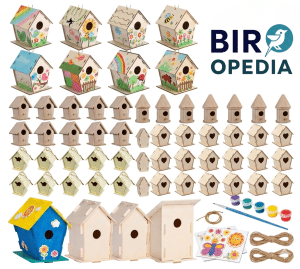
Nest boxes give birds safe places to lay eggs. Use wood to build boxes with the right size holes. Avoid using metal or plastic.
Make sure the box has drainage holes and is easy to clean. Place a small roof to keep rain out.
- Use untreated wood like cedar or pine
- Hole size should match the bird species
- Include ventilation holes near the top
- Make the box easy to open for cleaning
Choosing The Right Location
Place nest boxes in quiet areas away from predators. Choose spots that get morning sun and afternoon shade. Avoid busy places with loud noise.
Mount boxes on poles or trees at the right height. Keep them out of reach from cats or other animals.
- Height should be 5 to 10 feet off the ground
- Face the entrance away from prevailing winds
- Keep boxes 20 to 30 feet apart
- Check boxes regularly but do not disturb birds
Seasonal Considerations for Nest Protection
Protecting bird nests requires careful attention to the seasons. Birds build nests and raise chicks at certain times of the year.
Knowing when birds breed helps us avoid disturbing them. This keeps the nests safe and birds healthy.
Breeding Seasons
Bird breeding seasons vary by species and location. Most birds breed in spring and summer when food is plentiful.
- Spring: Many small songbirds start nesting.
- Summer: Larger birds and some waterfowl breed.
- Fall and Winter: Few bird’s nest during colder months.
Timing Of Interventions
Interventions to protect nests must be timed to avoid harm. Disturbing nests during active breeding can cause birds to abandon them.
| Action | Safe Timing | Reason |
| Checking nests | After breeding season | Prevents disturbing eggs or chicks |
| Clearing vegetation | Before nesting starts | Keeps nests intact |
| Installing protection | Early spring | Protects nests before birds arrive |
Minimizing Human Impact
Bird nesting areas are fragile places. Human presence can cause stress and harm to birds. Minimizing our impact helps protect these animals and their young.
Simple actions can keep birds safe. Respecting their space and lowering noise levels are key steps for bird lovers and visitors alike.
Respecting Nesting Areas
Keep a safe distance from nests. Do not touch or move anything near the nest. Birds need quiet and calm to raise their chicks.
- Stay on marked paths to avoid trampling nests
- Do not collect feathers, eggs, or nesting materials
- Avoid shining lights directly on nests during evening visits
- Do not use drones or other devices near nesting sites
Limiting Noise And Disturbance
Noise can scare birds away from their nests. Loud sounds may cause parents to leave eggs or chicks unattended. Keep noise low and calm near nesting zones.
| Type of Noise | Effect on Birds |
| Shouting or loud talking | Causes stress and nest abandonment |
| Music or radios | Distracts and confuses birds |
| Dogs barking | May scare birds and increase alertness |
| Vehicle engines | Disturbs natural behavior and feeding |
Legal Protections For Nesting Birds
Birds rely on safe nesting sites to raise their young. Many laws protect these birds and their nests. These protections help keep bird populations healthy.
Understanding these laws helps people avoid harming birds or their habitats. It also guides how to report any illegal activity.
Relevant Wildlife Laws
Several laws protect nesting birds in the United States. These laws make it illegal to disturb or destroy bird nests.
- The Migratory Bird Treaty Act (MBTA): Protects most native birds and their nests from harm.
- The Bald and Golden Eagle Protection Act: Specifically protects eagles and their nests.
- The Endangered Species Act (ESA): Protects birds listed as threatened or endangered, including their habitats.
These laws help maintain healthy bird populations by preventing nest destruction and disturbance.
Reporting Violations
If you see someone harming a bird nest, you should report it. Reporting helps authorities protect wildlife and enforce the law.
| How to Report | Who to Contact | What to Include |
| Call a hotline | U.S. Fish and Wildlife Service | Location and details of the violation |
| Submit online form | State wildlife agency | Photos or videos if possible |
| Inform local police | Local law enforcement | Exact time and place of the incident |
Act quickly to protect nesting birds. Your report can stop illegal actions and help save wildlife.
Community Involvement And Education
Protecting bird nests helps keep nature safe and balanced. People in the community play a big role in this effort.
Education makes sure everyone understands how to help birds during nesting season. Learning together builds a stronger community.
Engaging Local Groups
Local groups bring people together to protect bird nests. Schools, clubs, and neighborhood teams can all join in.
- Organize nest monitoring walks
- Host clean-up events near nesting areas
- Share information through newsletters and meetings
- Create signs to mark protected nesting zones
Educational Programs
Programs teach people about birds’ needs and how to avoid harm. They use simple facts and hands-on activities.
| Program Type | Focus Area | Audience |
| Workshops | Nest safety tips | Families and kids |
| School Visits | Bird life cycles | Students |
| Community Talks | Local bird species | Residents |
Monitoring And Reporting Nesting Activity
Protecting bird nests starts with careful monitoring. Watching nesting birds helps track their health and safety.
Reporting nesting activity helps scientists and communities protect bird habitats better. It shows where birds need help.
Citizen Science Projects
Citizen science projects let regular people help watch bird nests. Volunteers share their observations with researchers.
These projects collect data on nest locations, bird species, and nest success. This information guides bird protection efforts.
- Observe nests without disturbing birds
- Record the number of eggs or chicks
- Note any threats like predators or weather
- Submit data through apps or websites
Using Technology For Tracking
Technology helps track nesting birds more easily and accurately. Devices like cameras and GPS tags give detailed data.
Smart tools reduce the need for constant human presence. They also help spot dangers early to protect nests.
- Remote cameras capture nest activity day and night
- GPS tags track bird movements near nests
- Data sensors monitor temperature and humidity
- Mobile apps allow quick reporting of nest sightings

Credit: www.amazon.ca
Frequently Asked Questions
What Is Bird Nesting Protection?
Bird nesting protection involves safeguarding bird nests from disturbance or harm. It ensures birds can breed and raise chicks safely. This protection helps maintain bird populations and biodiversity. It includes legal measures and habitat conservation efforts.
Why Is Bird Nesting Protection Important?
Protecting bird nests supports species survival and ecosystem health. It prevents nest destruction and reduces stress on breeding birds. This protection aids in maintaining balanced wildlife populations. It also promotes biodiversity and environmental sustainability.
How Can I Protect Bird Nests At Home?
Avoid disturbing nests during breeding season. Keep pets and children away from nesting areas. Use bird-friendly plants and avoid pesticides. Provide safe nesting spots like birdhouses. Respect local wildlife laws to ensure legal protection.
When Is The Best Time For Bird Nesting Protection?
The best time is during the breeding season, typically spring to early summer. During this time, birds build nests and raise chicks. Protecting nests in this period maximizes breeding success and reduces disturbance risks.
Conclusion
Protecting bird nests is vital for our environment. Each nest holds life and future generations. Small actions can make a big difference. Plant native trees or shrubs. Avoid disturbing nesting sites. Support local wildlife organizations. Awareness spreads the message of bird safety.
Educate others about nesting seasons and risks. Birds play crucial roles in ecosystems. Keeping them safe ensures a balanced nature. Our efforts today will benefit tomorrow’s world. Let’s protect these feathered friends together. Every action counts. Every nest matters.