Understanding Bird Protection: A Guide for Homeowners
Are you curious about the rules that protect birds when they build their nests? Understanding Bird Nesting Regulations isn’t just for wildlife experts—it affects you too.
Whether you’re a homeowner, gardener, or nature lover, knowing these laws helps you avoid fines and supports the well-being of our feathered friends. You’ll discover what these rules mean, why they matter, and how you can stay on the right side of the law while enjoying the beauty of nature.
Keep reading to find out how your actions can make a difference for birds and your community.
Bird Nesting Laws
Bird nesting laws protect birds and their habitats. These rules help keep bird populations safe. Many laws stop people from disturbing nests during breeding.
Understanding these laws helps you act responsibly. You can enjoy nature without harming birds or breaking rules.
Federal Protections
The federal government sets laws to protect many bird species. The Migratory Bird Treaty Act is one key law. It makes it illegal to harm nesting birds or take their eggs.
- No disturbing or destroying active nests
- Prohibits killing or capturing protected birds
- Applies across all states in the U.S.
- Penalties include fines and legal action
State And Local Rules
States and cities may have extra rules to protect birds. These rules vary by location. They often cover species important to local ecosystems.
| State | Additional Rules | Protected Species |
| California | Limits tree removal during nesting season | California Condor, Songbirds |
| Florida | Requires permits for nest disturbance | Florida Scrub-Jay, Herons |
| New York | Seasonal restrictions on construction | Osprey, Bald Eagle |
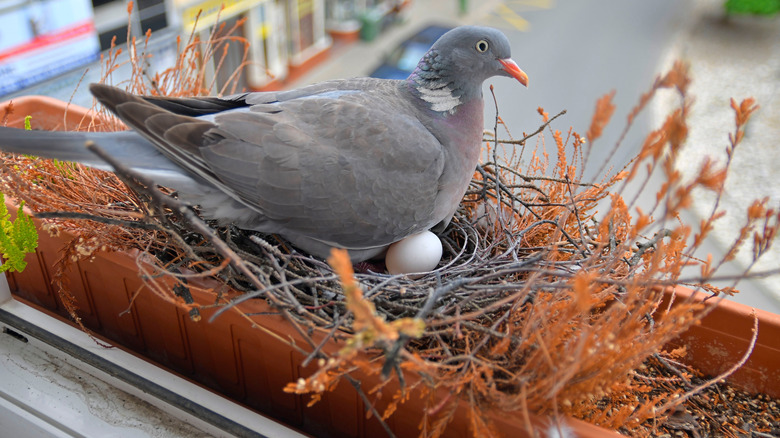
Credit: www.housedigest.com
Common Bird Species Protected
Many bird species receive protection under Bird Nesting Regulations during breeding seasons. Understanding which birds are protected can help people follow rules and avoid harming them.
Migratory Birds
Migratory birds travel long distances between breeding and wintering areas. Their nests are protected by law.
- American Robin
- Canada Goose
- Swainson’s Thrush
- Sandhill Crane
- Yellow Warbler
Disturbing or destroying nests of these birds is illegal during nesting season.
Endangered Species
Endangered bird species have very few members left. Their nests need strong protection to help them survive.
| Species | Habitat | Protection Status |
| Bald Eagle | Forests near water | Endangered |
| Whooping Crane | Wetlands | Endangered |
| Kirtland’s Warbler | Pine forests | Threatened |
| California Condor | Mountainous areas | Endangered |
Nesting Season Timing
Bird nesting seasons vary by species and region. Timing is important to protect birds during this sensitive period.
Understanding nesting season timing helps avoid disturbing nests and supports conservation efforts.
Peak Nesting Periods
Most birds build nests and raise chicks during specific months. These peak periods differ by species and location.
- Songbirds usually nest from April to July.
- Waterfowl nest from March to June.
- Raptors start nesting as early as February.
- Some tropical birds nest year-round depending on climate.
Seasonal Restrictions
Many laws limit activities near nests during breeding seasons. These rules protect eggs and young birds.
| Restriction | Season | Purpose |
| Tree cutting bans | March to August | Protect nesting trees |
| Construction limits | April to July | Reduce noise and disturbance |
| Access restrictions | Variable by species | Prevent nest destruction |
| Pet control rules | Year-round | Protect nesting birds from predators |
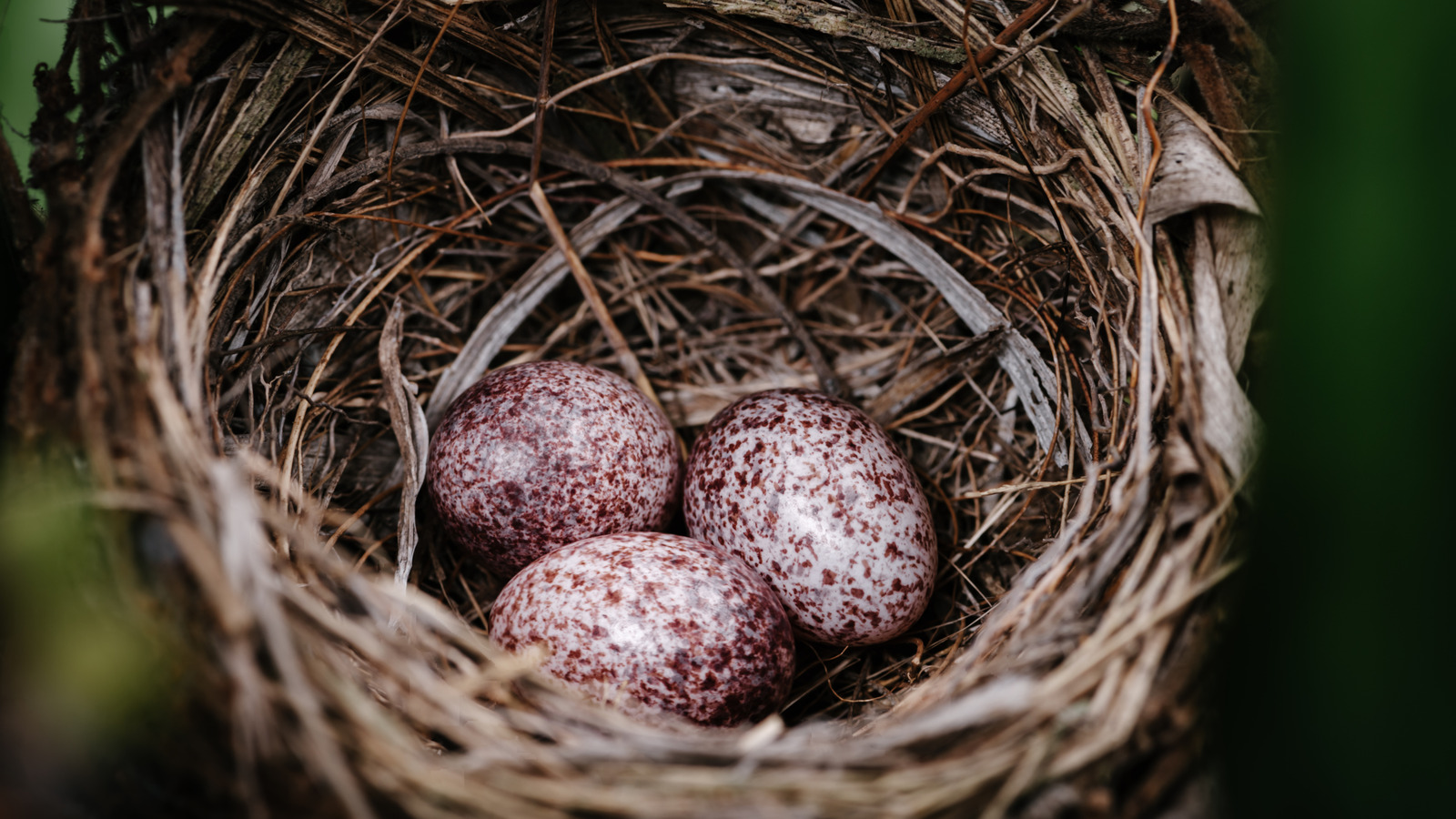
Credit: www.housedigest.com
Homeowner Responsibilities
Homeowners must protect bird nests on their property. Bird Nesting Regulations help keep birds safe during nesting seasons.
Knowing your duties helps avoid legal problems and supports local wildlife.
Avoiding Nest Disturbance
It is important not to disturb bird nests. Disturbing nests can harm birds and break laws.
- Do not remove or damage nests during breeding season.
- Keep pets away from nesting areas.
- Avoid loud noises near nests.
- Do not trim trees or bushes with nests.
- Inform family and workers about nest protection rules.
Reporting Violations
If you see someone harming nests, report it to local wildlife authorities. Reporting helps protect birds and enforce laws.
| What to Report | Who to Contact | How to Report |
| Destroying nests | Wildlife agency | Phone or email |
| Disturbing nesting bird’s | Local police | non-emergency line |
| Illegal tree trimming | City environmental office | Online form |
Handling Nests On Property
Bird nesting is protected by laws in many areas. Handling nests on your property needs care and respect for these rules.
Understanding how to deal with nests safely helps protect birds and keeps you legal.
Safe Removal Practices
Removing nests is allowed only if they cause harm or danger. Never remove active nests with eggs or chicks unless the law permits.
Use gentle methods and avoid disturbing birds. Wear gloves and tools to prevent damage to the nest or birds.
- Check local laws before removing any nest
- Remove nests only if they are inactive
- Use gloves and soft tools for removal
- Avoid handling nests during breeding season
- Dispose of nests carefully to avoid spreading parasites
Relocation Guidelines
Relocating nests must be done with care and legal permission. It is best done by wildlife experts or authorities.
Move nests only if the location is unsafe or threatened. Place nests nearby in a similar environment to keep birds safe.
- Get legal approval before moving nests
- Handle nests gently to avoid damage
- Relocate nests close to the original site
- Choose a sheltered, safe spot for the new location
- Monitor the nest after moving to check on the birds
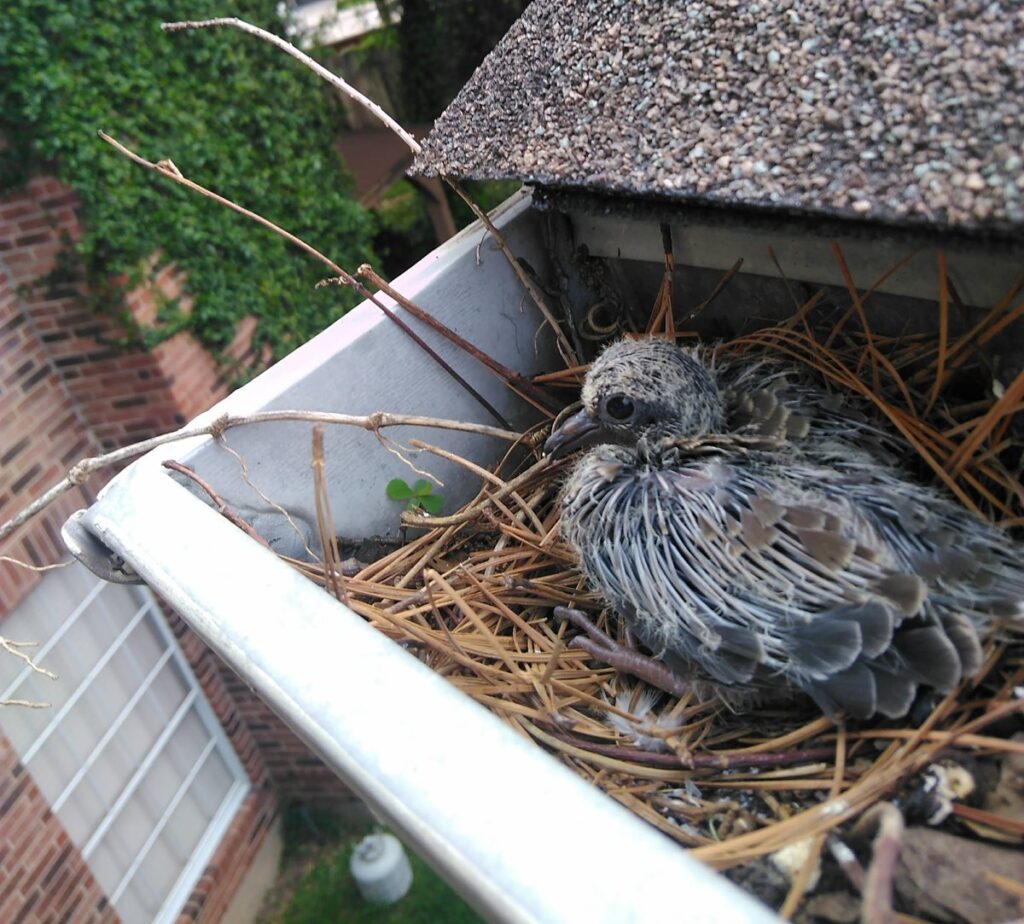
Credit: www.crittercontrol.com
Penalties For Violations
Bird Nesting Regulations protect wildlife and their habitats. Breaking these rules can lead to serious penalties.
Penalties aim to stop harm to birds and encourage respect for nature.
Fines And Legal Actions
Violators face fines and legal steps. The amount depends on how severe the offense is.
- Small fines for minor disturbances near nests
- Higher fines for destroying nests or eggs
- Possible jail time for repeated or severe violations
- Confiscation of equipment used in illegal activities
- Mandatory community service related to wildlife protection
Enforcement Agencies
Several agencies monitor and enforce bird nesting laws. They work to catch and punish offenders.
| Agency | Role | Contact |
| Fish and Wildlife Service | Monitors habitats and enforces federal laws | 1-800-WILDLIFE |
| State Environmental Departments | Handle local violations and issue fines | Varies by state |
| Local Conservation Officers | Patrol areas and investigate reports | Local police or park services |
Preventing Nesting Issues
Bird nesting in unwanted areas can cause damage and safety problems. Preventing these issues helps protect both buildings and birds.
Using smart strategies can stop birds from nesting in places you do not want. These include physical barriers and creating bird-friendly spaces.
Deterrents And Barriers
Deterrents and barriers keep birds away from certain areas. They stop birds from building nests where they could cause harm or mess.
- Install bird spikes on ledges and beams
- Use netting to block access to small openings
- Place reflective objects to scare birds
- Apply bird gel to surfaces to make them sticky
- Use sound devices that emit bird distress calls
Designing Bird-friendly Spaces
Designing spaces with birds in mind helps prevent nesting problems. It also supports bird safety by giving them suitable places to live.
| Design Feature | Purpose | Example |
| Provide natural nesting boxes | Give birds safe homes away from buildings | Wooden birdhouses in gardens |
| Plant native shrubs and trees | Offer food and shelter | Berry bushes and tall trees |
| Keep open spaces clear | Reduce hidden spots for unwanted nests | Trimmed lawns and cleaned gutters |
| Use smooth building materials | Make it hard for birds to perch or nest | Metal or glass surfaces |
Frequently Asked Questions
What Are Bird Nesting Regulations?
Bird Nesting Regulations protect birds and their habitats during breeding seasons. They prevent disturbance and harm to nests. These laws vary by region and species.
Why Are Bird Nesting Laws Important?
Bird nesting laws safeguard vulnerable bird species during reproduction. They reduce nest destruction and ensure successful breeding. Protecting nests supports biodiversity and ecosystem health. These laws help maintain stable bird populations for future generations.
When Do Bird Nesting Restrictions Apply?
Restrictions usually apply during the breeding season, typically spring to summer. Exact timing depends on local species and climate. During this period, disturbing nests or removing eggs is prohibited. Compliance ensures birds can raise their young safely.
How To Identify Protected Bird Nests?
Protected nests are often in trees, shrubs, or on the ground. Look for active birds or fresh nesting material. Some species have legal protection, so avoid disturbing any nest. Consult local wildlife guidelines for specific protected bird species.
Conclusion
Respecting Bird Nesting Regulations is crucial for wildlife protection. These rules help ensure birds thrive and maintain ecological balance. By following them, we contribute to preserving nature’s beauty. It’s a shared responsibility that benefits everyone. Education and awareness can make a big difference.
Encourage others to learn about these regulations. Together, we can support bird populations and their habitats. Simple actions have a positive impact. Every effort counts. Observing and respecting these laws shows our commitment to nature. Let’s protect our feathered friends for future generations.
A little care goes a long way in conservation.