Have you ever wondered the Effects of Pollution on Bird Migration and how it impacts the birds you see flying across the sky? Every year, millions of birds travel thousands of miles during migration, relying on clear skies and clean air to guide their way.
But pollution is changing their world—and it could be changing your world too. Understanding the Effects of Pollution on Bird Migration helps you see the hidden risks to nature and to yourself. Keep reading to discover the surprising ways pollution impacts these incredible travelers and what it means for the environment you care about.
Pollution Types Impacting Birds
Bird migration faces many threats from pollution. Different pollution types affect birds in unique ways.
Understanding these pollution types helps protect bird species during their long journeys.
Air Pollution And Migration
Air pollution causes breathing problems for birds. It can reduce their energy and delay migration.
Toxins in the air also harm the insects and plants birds depend on for food along their routes.
Water Contamination Effects
Polluted water harms birds that drink or feed near lakes and rivers. Chemicals and waste poison fish and insects.
| Pollutant | Effect on Birds |
| Heavy metals | Cause poisoning and weaken immune system |
| Oil spills | Damage feathers and reduce insulation |
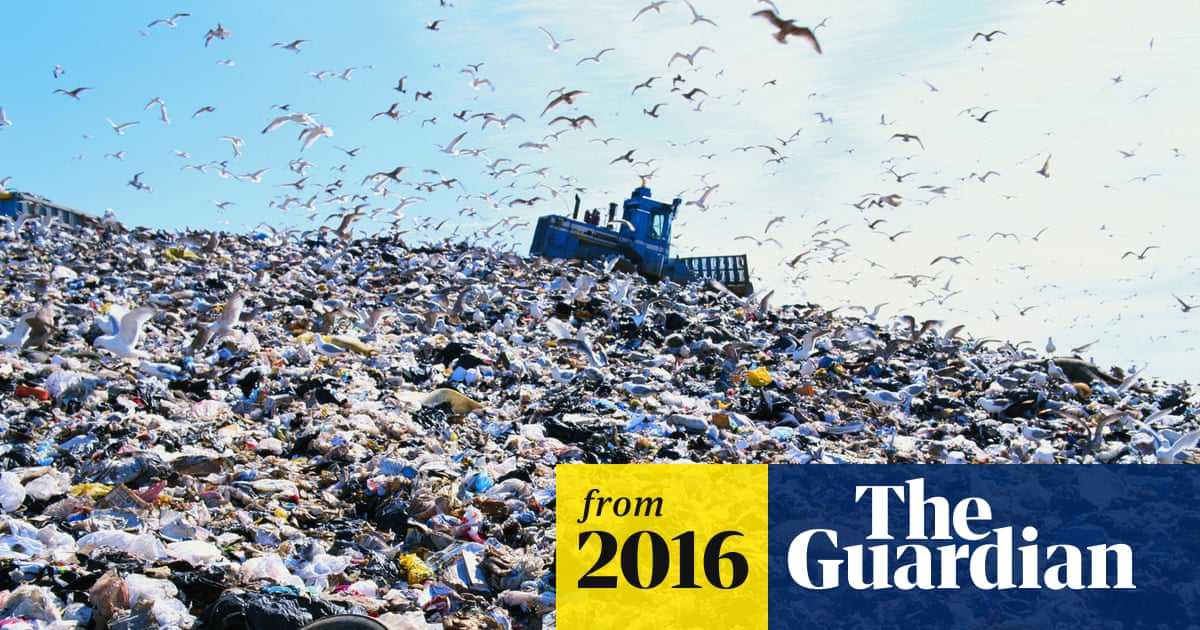
| Plastic waste | Block digestive tracts and cause starvation |
| Pesticides | Reduce food supply and cause reproductive problems |
Noise Pollution Challenges
Loud noises from cities and machines confuse birds. They may stop singing or fail to hear calls during migration.
- Disrupts communication between birds
- Causes stress and exhaustion
- Leads birds away from safe habitats
Light Pollution Disruptions
Bright city lights confuse migrating birds. They lose their way and crash into buildings or get trapped.
Light pollution effects include:
- Disorientation during night flights
- Altered sleep patterns
- Increased energy use leading to exhaustion
- Neurobiologists explain the fatal attraction: “Migrating birds, particularly those flying at night, rely on magnetic cues and star patterns for navigation. Bright, unshielded city lights, especially red and white light, create an illuminated halo in the sky that effectively scrambles the bird’s magneto-reception system. The disoriented birds are then drawn in toward the light source, often circling until they become exhausted or collide directly with the buildings.”
Credit: www.theguardian.com
Migration Patterns Altered
Pollution affects birds in many ways. One major impact is on their migration patterns.
Changes in air, water, and land quality make it hard for birds to travel as they used to.
Delayed Departure And Arrival
Pollution can delay when birds leave and reach their destinations. Poor air quality affects their health and energy.
This delay can cause birds to miss the best times for feeding and breeding.
Route Changes And Detours
Birds often change their routes to avoid polluted areas. This adds extra distance and risk to their journey.
- Increased energy use due to longer travel
- Exposure to unknown dangers on new routes
- Less chance to rest in safe places
Reduced Stopover Site Quality
| Stopover Site | Pollution Impact | Effect on Birds |
|---|---|---|
| Wetlands | Water contamination | Fewer insects to eat |
| Forests | Air pollution | Reduced food availability |
| Grasslands | Soil pollution | Less shelter and rest |
Health Risks For Migratory Birds
Pollution creates serious health problems for birds that travel long distances. These birds face many dangers from dirty air, water, and land.
Understanding these health risks helps us protect migratory birds and their journeys.
Respiratory And Physical Damage
Polluted air harms birds’ lungs and breathing systems. Dust, smoke, and chemicals cause breathing problems and lung infections.
Physical damage also happens when birds come into contact with polluted water or oil spills. These can harm their feathers and skin, making it hard to fly and stay warm.
- Breathing polluted air causes coughing and weakness
- Oil spills damage feathers and reduce insulation
- Physical injuries lower flying ability
Toxic Substance Accumulation
Birds eat plants and insects that may contain toxic chemicals. These poisons build up in their bodies over time.
High levels of toxins can cause organ damage and reduce birds’ chances of survival during migration.
- Mercury and pesticides enter birds through food
- Toxins collect in body tissues
- Long-term poison effects reduce lifespan
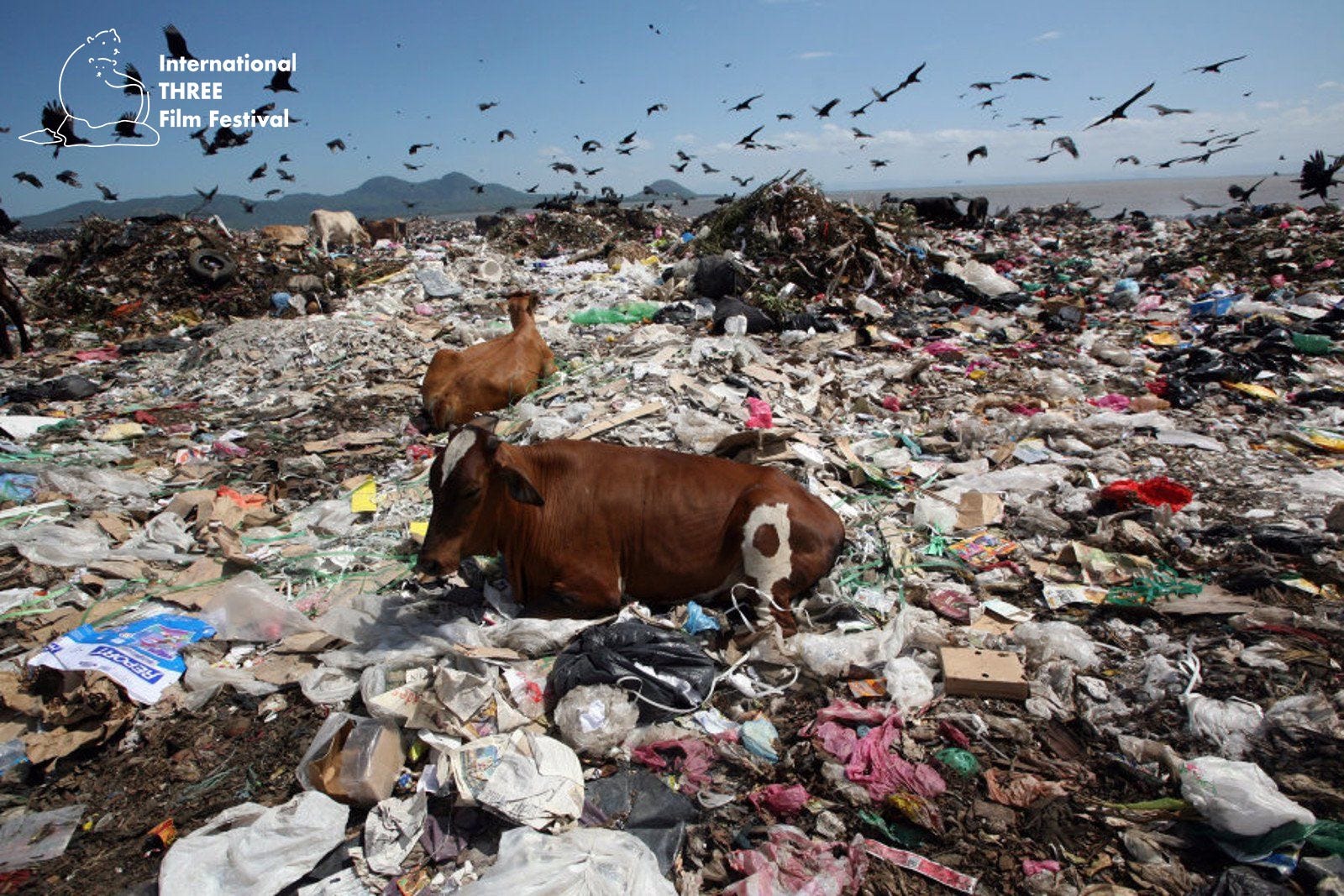
Weakened Immune Systems
Pollution lowers birds’ ability to fight diseases. Chemicals and stress weaken their immune defenses.
Weaker immune systems make migratory birds more likely to get sick and less able to recover.
- Exposure to pollutants reduces immune response
- Increased risk of infections and parasites
- Lower disease resistance affects survival rates
Credit: medium.com
Breeding And Reproduction Issues
Pollution affects bird migration and causes problems in breeding. Birds face challenges in finding safe places to nest.
These issues reduce the number of young birds that survive. Pollution also changes how birds behave during mating.
Reduced Nesting Success
Pollution makes it hard for birds to find clean areas for nesting. Chemicals and trash can damage nests or kill eggs.
Birds may also avoid polluted areas, reducing good nesting sites. This lowers the chance that eggs will hatch safely.
- Polluted water harms aquatic nesting birds
- Air pollution weakens eggshells
- Trash and debris block nesting materials
Impact On Offspring Survival
Pollution causes birth defects in baby birds. Toxins in food or water harm young birds’ growth and health.
Fewer chicks survive to adulthood because of disease and weak bodies caused by pollution.
- Heavy metals cause brain and organ damage
- Plastic pieces can choke or poison chicks
- Polluted food lowers chick immune systems
- Toxicologists link pollutants to breeding failure: “Chemical contaminants, particularly historically widespread pesticides like DDT and industrial toxins like PCBs, cause severe issues for avian reproduction through endocrine disruption. The classic sign is Eggshell Thinning, where the pollutant interferes with the bird’s ability to properly metabolize calcium. This results in eggs that are too fragile to survive incubation, leading to catastrophic breeding failure and population crashes.”
Disrupted Mating Behaviors
Pollution changes bird songs and displays used for attracting mates. Noise pollution masks their calls.
Toxic chemicals affect hormones that control mating. Birds may fail to find partners or breed properly.
- Noise pollution reduces mate communication
- Light pollution confuses mating timing
- Pollutants disrupt hormone balance
Ecosystem And Biodiversity Effects
Pollution changes how birds migrate and affects the places they live. It also harms the balance of nature and the variety of life in ecosystems.
Bird migration plays a key role in keeping many ecosystems healthy. Pollution can disrupt this and cause problems for many species.
Altered Food Webs
Pollution affects the food sources birds rely on during migration. Chemicals and waste can kill insects and plants that birds eat. This change affects the entire food chain.
- Fewer insects reduce food for insect-eating birds.
- Contaminated water harms fish and amphibians eaten by some birds.
- Plants may grow poorly in polluted areas, reducing fruit and seed availability.
Loss Of Species Diversity
Pollution causes some bird species to disappear from their migration routes. This loss lowers the variety of birds in an area. Fewer bird species mean less balance in ecosystems.
| Pollution Type | Effect on Bird Species |
| Air pollution | Harms respiratory health, reducing survival |
| Water pollution | Reduces aquatic food sources |
| Soil pollution | Destroys plant life used for food and shelter |
Long-term Habitat Changes
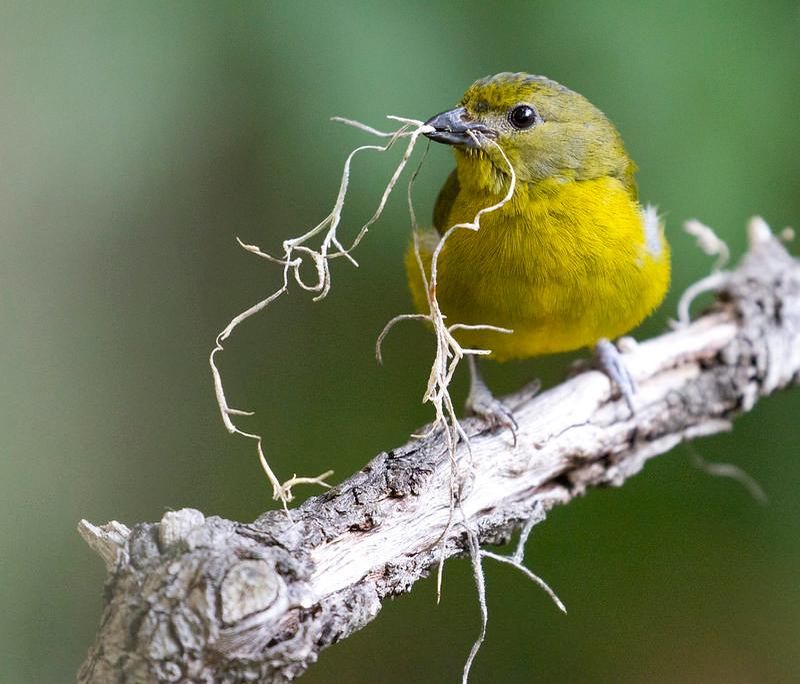
Pollution changes the places where birds rest and feed during migration. These changes can last many years. Birds may lose safe spots to stop and find food.
Key habitat changes caused by pollution include:
- Wetlands drying up due to chemical runoff
- Forests damaged by acid rain
- Urban areas expanding with toxic waste
Credit: www.smithsonianmag.com
Conservation And Mitigation Efforts
Bird migration faces many threats due to pollution. Efforts to protect these birds focus on reducing pollution and improving their habitats. These actions help birds survive their long journeys.
People and governments work together to create rules and projects. These efforts aim to keep the environment safe for migrating birds.
Pollution Control Policies
Many countries have laws to limit pollution. These laws reduce harmful chemicals in the air and water. Cleaner environments help birds stay healthy during migration.
- Regulate industrial waste disposal
- Limit use of pesticides and chemicals
- Enforce clean air and water standards
- Promote renewable energy sources
Habitat Restoration Projects
Restoring natural habitats gives birds safe places to rest and feed. Wetlands, forests, and grasslands are often restored for this reason. These projects improve the quality of life for migrating birds.
| Project Type | Benefit to Birds |
| Wetland Restoration | Provides water and food sources |
| Forest Replanting | Offers shelter and nesting areas |
| Grassland Preservation | Supports insects and seeds for food |
Community And Citizen Science Roles
Local people help by watching birds and reporting data. Citizen science projects track bird migration and pollution effects. This information guides better conservation actions.
- Join local bird counts
- Report pollution sightings
- Plant native trees and shrubs
- Reduce plastic and waste
- Citizen science leaders recommend simple home actions: “The most immediate and effective action an individual can take to protect night-migrating birds is to participate in the ‘Lights Out’ movement. This involves turning off non-essential exterior lights, especially during peak migration periods (spring and fall), and drawing blinds or curtains on interior lights after 11 PM. This simple act drastically reduces the light pollution halo that disorients and traps millions of birds.”

Frequently Asked Questions
How Does Pollution Impact Bird Migration Patterns?
Pollution disrupts bird navigation by affecting air quality and magnetic fields. This causes delays, route changes, and increased energy use during migration.
Can Polluted Habitats Affect Bird Health During Migration?
Yes, polluted habitats expose birds to toxins and diseases. This weakens their immune system, lowers survival rates, and reduces reproductive success.
What Types Of Pollution Harm Migrating Birds Most?
Air pollution, chemical runoff, and light pollution are most harmful. They interfere with birds’ navigation, feeding, and resting during migration.
Why Is Light Pollution A Problem For Migrating Birds?
Light pollution confuses birds’ natural orientation. It causes disorientation, collisions with buildings, and exhaustion, endangering their migration success.
Conclusion
Pollution disrupts bird migration, posing serious challenges for survival. Birds struggle with altered routes and habitats. Contaminated environments affect their health. Food scarcity becomes a pressing issue. Migration patterns change, impacting ecosystems. Protecting birds requires urgent action. Cleaner environments support their natural journeys.
Everyone can help by reducing pollution. Awareness and conservation efforts are crucial. Simple actions lead to significant impact. Join the fight for bird survival. Let’s ensure safe paths for migrating birds. Their future depends on our choices today.