Have you ever wondered how birds keep their eggs warm and safe until they hatch? The process of incubating eggs is more fascinating than you might think.
It’s not just about sitting on the nest—birds use clever techniques to make sure their future chicks survive. You’ll discover the secrets behind how birds incubate eggs, why it matters, and what makes this natural process so incredible. Keep reading, and you’ll see nature’s own way of nurturing life in action.
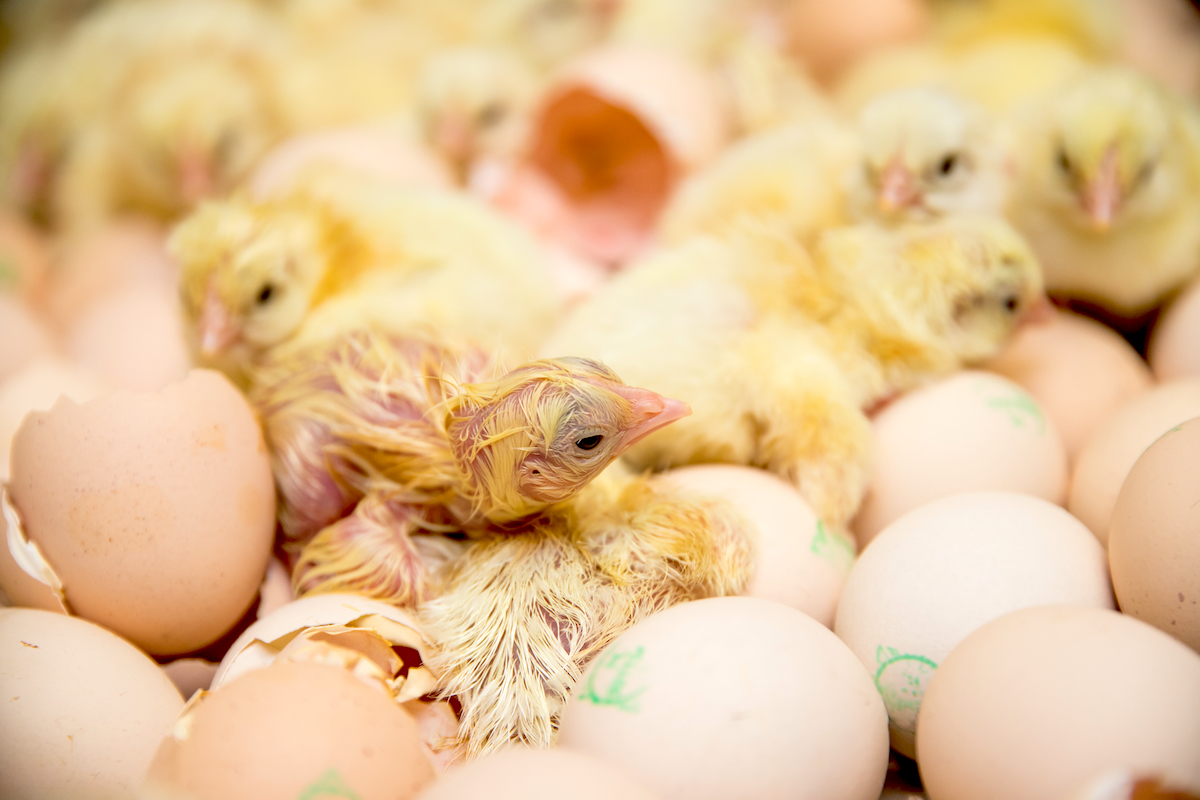
Credit: practicalselfreliance.com
Egg Incubation Basics
Birds keep their eggs warm to help the baby birds grow inside. This process is called incubation. It needs the right care and conditions.
Different birds have different ways to keep their eggs safe and warm until they hatch.
Temperature And Humidity Needs
Eggs need a steady temperature to develop properly. Too cold or too hot can stop the baby bird from growing.
- Most birds keep eggs around 99°F (37°C)
- Humidity helps stop eggs from drying out
- Humidity levels are usually between 40% and 60%
- Some water may be added near the nest to raise humidity
Role Of Parent Birds
Parent birds take turns sitting on the eggs. This keeps the eggs warm and safe from predators.
They also turn the eggs often. This helps the baby bird inside grow evenly and prevents it from sticking to the shell.
Field Ornithologists use this behavioral cue: “In species where both parents are similar in appearance and share incubation duties, the parent who is typically calmer, less fidgety, and more dedicated to sitting tight on the nest is often the female. The male, whose role may also include territorial defense, is often more alert, frequently changing position, or leaving the nest more quickly when disturbed. This pattern of dedication often aligns with the greater energetic investment of the female.”
Incubation Periods Across Species
| Bird Species | Incubation Time |
| Chicken | 21 days |
| Duck | 28 days |
| Ostrich | 42 days |
| Robin | 14 days |
| Eagle | 35 days |
Nest Construction And Location
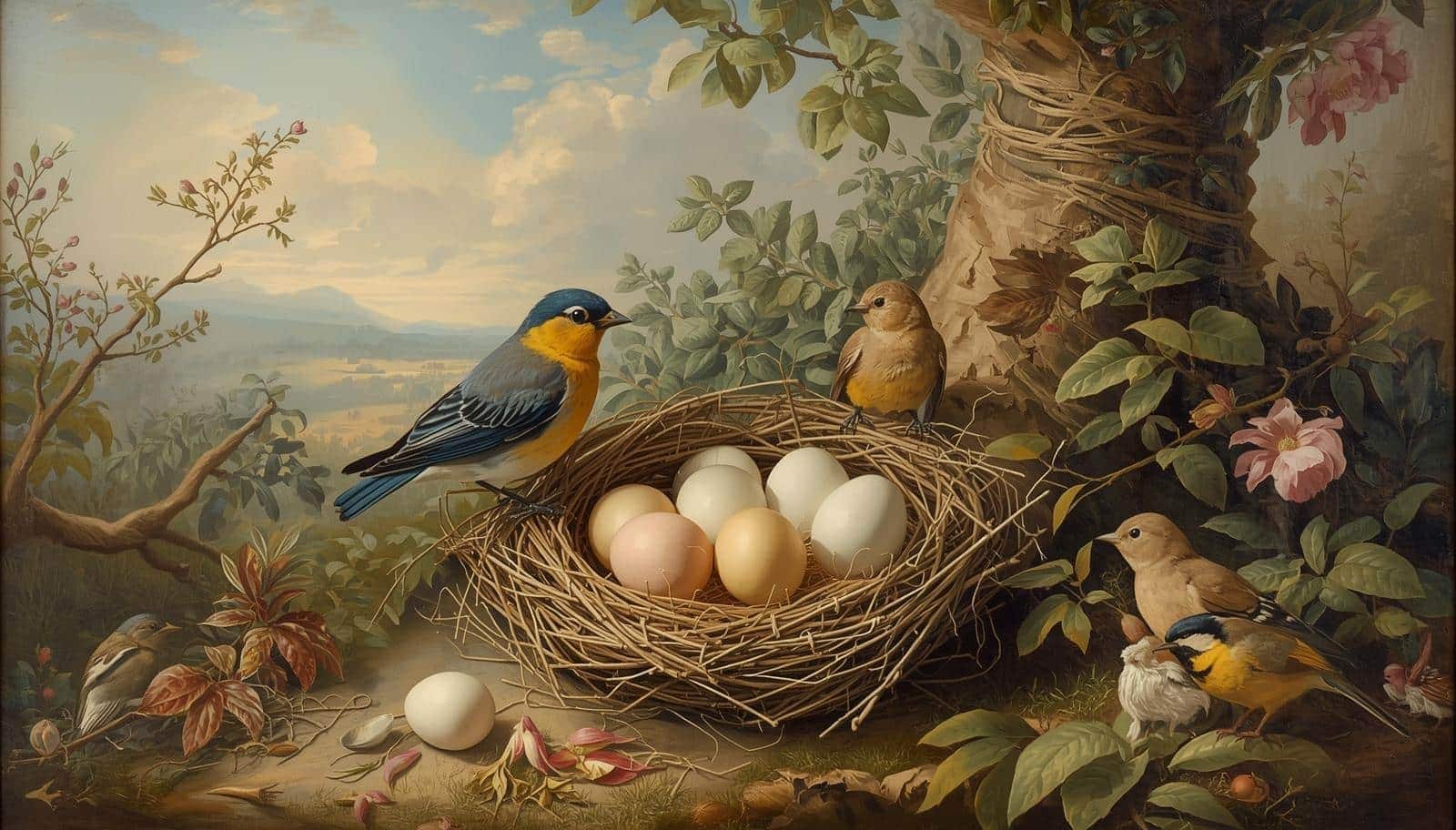
Birds carefully build nests to keep their eggs safe and warm. They pick the right place and materials to help eggs grow well.
The nest’s location and how it is made play a big role in protecting the eggs from cold and predators.
Materials That Aid Incubation
Birds use soft and warm materials to line their nests. These help keep the eggs warm and stop them from breaking.
- Feathers provide extra warmth
- Grass and leaves offer cushioning
- Moss keeps moisture away
- Twigs and sticks create structure
Choosing Safe Nest Sites
Birds choose places that protect eggs from weather and predators. Good sites keep eggs hidden and safe.
- High branches avoid ground dangers
- Thick bushes hide nests from animals
- Near water for easy food access
- Stable spots to prevent falling
Impact On Egg Survival
The nest’s materials and location affect how many eggs hatch. Safe, warm nests help eggs survive until birds are ready to hatch.
When nests are well-built and well-placed, eggs stay warm and safe from harm.
Incubation Behavior
Birds show special care when they incubate their eggs. They keep eggs warm and safe. This helps the baby birds develop inside the eggs.
Different birds have different habits. These habits help keep the eggs at the right temperature and protect them from danger.
Turning Eggs Regularly
Birds turn their eggs many times each day. This stops the embryo from sticking to the shell. It also helps the heat spread evenly inside the egg.
- Eggs are turned about every hour.
- Turning helps the baby grow strong.
- It keeps the yolk in the center of the egg.
- Turning also helps keep the shell clean and healthy.
Balancing Time On And Off The Nest
Birds must stay on the nest to keep eggs warm. But they also need breaks to find food and rest.
| Activity | Purpose | Typical Time |
| On the Nest | Keep eggs warm | Most of the day and night |
| Off the Nest | Find food and water | Short breaks several times a day |
Communication During Incubation
Birds use sounds and movements to talk while incubating eggs. This helps keep the eggs safe and the parents coordinated.
Common communication methods include:
- Soft calls between mates
- Gentle tapping on the eggshell
- Posture changes to signal readiness to switch incubation duties
Physiological Adaptations
Birds have special body traits to keep their eggs warm. These traits help eggs develop well until hatching.
Incubation needs steady heat and protection. Birds use their bodies to make this happen.
Heat Generation Mechanisms
Birds produce heat by using their muscles. They shiver to raise their body temperature.
This heat transfers to the eggs through the skin and feathers. It keeps the eggs at a safe temperature.
- Muscle contractions create warmth
- Blood flow increases near the skin
- Heat moves from body to eggs
Feather And Skin Adaptations
Birds have thick feathers around their belly. These feathers form a warm cover over the eggs.
The skin below these feathers has many blood vessels. This helps move heat directly to the eggs.
- Dense feathers trap heat
- Feathers shield eggs from cold air
- Thin skin allows heat transfer
Avian Physiologists define the heat transfer point: “The direct transfer of heat to the eggs is facilitated by the brood patch. This is an area of skin on the bird’s lower abdomen that loses its feathers, becomes swollen and wrinkled, and develops a significantly increased blood supply (vascularization) just before incubation begins. The absence of feathers and the high blood flow allow for maximal heat transfer with minimal energy loss, making it the most efficient biological ‘heating pad’ in nature.”
Energy Conservation Strategies
Birds rest a lot during incubation. They lower their activity to save energy for warmth.
Some birds reduce their body temperature slightly. This lowers the energy needed to keep eggs warm.
- Resting reduces energy use
- Body temperature drops a little
- Birds eat energy-rich foods
Challenges To Successful Hatching
Birds face many challenges to hatch eggs successfully. These challenges come from nature and human activities.
Understanding these threats helps us protect birds and their young.
Predators And Environmental Threats
Many animals try to eat eggs or baby birds. Predators include snakes, raccoons, and crows. Weather also harms eggs. Heavy rain, strong wind, or heat can stop eggs from hatching.
- Snakes and mammals may eat eggs in the nest
- Birds of prey can steal eggs or chicks
- Cold weather may slow embryo growth
- Flooding can destroy nests
- Strong winds can damage nests
Disease And Parasites
Eggs and chicks can get sick from germs and tiny bugs. Parasites like mites live in nests and feed on birds. These pests cause weak chicks or death.
| Type | Effect on Eggs or Chicks |
|---|---|
| Fungal infections | Damage eggshell, stop development |
| Mites | Weaken chicks by feeding on blood |
| Infectious bacteria | Cause illness and death in chicks |
Human Impact On Nesting
Humans can harm bird nests by cutting trees or building near them. Pollution also affects egg health. Noise and light disturb parent birds.
- Tree removal reduces nest sites
- Pollution weakens eggshells
- Disturbance causes parents to leave nests
- Urban lights confuse birds
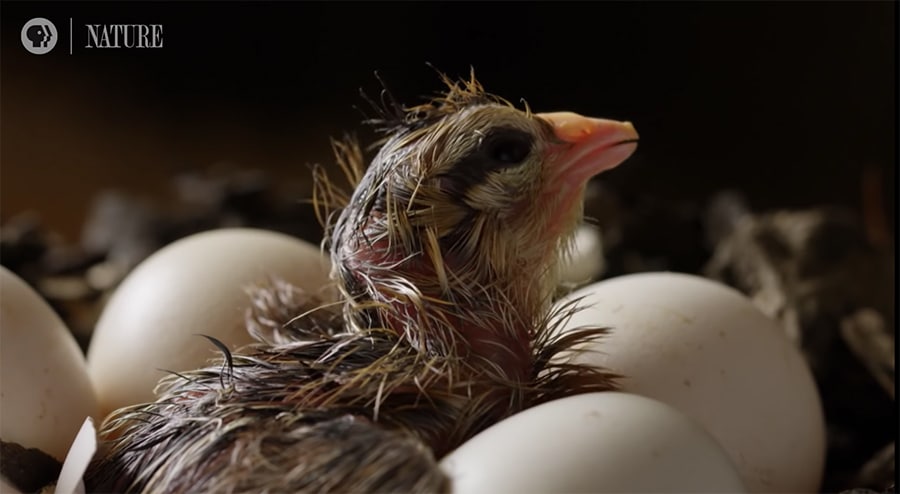
Credit: thekidshouldseethis.com
Fascinating Incubation Strategies
Birds use many interesting ways to keep their eggs warm. Incubation helps the eggs grow into healthy chicks. Different species have unique habits to protect and warm their eggs.
These strategies show how birds adapt to their environment. Some birds share the work, while others trick other birds to care for their eggs.
Brood Parasitism
Some birds lay eggs in other birds’ nests. This is called brood parasitism. The host bird then incubates the eggs and raises the chicks.
Parasitic birds do not care for their eggs. They save energy by letting others do the work. The host birds may not notice the extra eggs.
- Common cuckoo is a famous brood parasite
- Host birds incubate and feed the parasite chicks
- Parasite chicks often hatch earlier and outgrow host chicks
Communal Incubation
Some bird species share incubation duties in groups. Many birds take turns sitting on the eggs. This helps keep eggs warm all day and night.
Communal incubation also protects eggs from predators. More adults watch the nest and warn of danger. This teamwork helps eggs survive better.
- Emperor penguins huddle together to keep eggs warm
- Some swallows share nests and take turns incubating
- Cooperative breeding birds help each other with eggs
Unique Species Adaptations
Many birds have special ways to incubate eggs. Some use body heat, while others use the environment. These adaptations fit their habitats well.
For example, megapodes use warm soil or volcanic heat instead of body heat. Other birds build nests that trap heat or protect eggs from cold winds.
- Megapodes bury eggs in warm sand or soil
- Some birds cover eggs with leaves to keep them warm
- Ostriches use their large bodies to shade and warm eggs

Credit: www.99oaksfarm.com
Frequently Asked Questions
How Do Birds Keep Eggs Warm During Incubation?
Birds use body heat to keep eggs warm. They sit on eggs, transferring warmth through their brood patch, a featherless skin area. This constant heat ensures proper embryo development and successful hatching.
How Long Do Birds Typically Incubate Eggs?
Incubation duration varies by species, usually between 10 to 30 days. Smaller birds tend to have shorter periods, while larger birds may incubate eggs longer for full embryo growth.
What Role Does Humidity Play In Egg Incubation?
Humidity prevents eggs from drying out during incubation. Maintaining the right moisture level ensures embryos develop properly and hatch successfully. Birds adjust incubation behavior to regulate humidity naturally.
Do Both Bird Parents Incubate Eggs?
In many species, both parents share incubation duties. This teamwork helps maintain consistent warmth and protection. However, some species rely solely on the female or male for incubation.
Conclusion
Birds carefully nurture their eggs to ensure healthy hatchlings. Each species has unique incubation methods. These techniques help maintain the right temperature and humidity. Parents often share the responsibility, taking turns sitting on the nest. This teamwork ensures the eggs are always warm and safe.
Birds’ instincts guide them throughout this critical process. Observing them offers a glimpse into nature’s wonders. Understanding bird incubation deepens our appreciation for their dedication. It also highlights the delicate balance in nature. Watching them, we learn the importance of care and patience.
Nature truly is an incredible teacher.