How is a Bird Adapted to Fly? Learn Bird Anatomy
Have you ever wondered how birds manage to soar effortlessly through the sky? It’s not just luck or magic—it’s all about amazing adaptations built into their bodies.
Understanding how a bird is adapted to fly is essential for appreciating their incredible abilities. How is a Bird Adapted to Fly is a question that many ask when they see birds in action.
Understanding how a bird is adapted to fly will change the way you see these creatures. You’ll discover secrets hidden in their wings, feathers, and even bones that make flight possible. Keep reading, and you’ll unlock the fascinating science behind every flap, glide, and dive.
Your curiosity about flight is about to take off!

Credit: www.amazon.com
Lightweight Skeleton
Birds have skeletons that are light but strong. This helps them fly easily and stay in the air longer.
Their bones are different from those of land animals. They are designed to reduce weight while keeping strength.
These unique features are part of the answer to the question: How is a Bird Adapted to Fly?
Hollow Bones
Bird bones have hollow spaces inside. These spaces make the bones much lighter without losing too much strength.
- Hollow bones reduce the bird's overall weight.
- They contain air sacs connected to the lungs.
- This helps birds breathe better during flight.
- The structure supports strong muscles needed for flying.
Fused Bones for Strength
Some bird bones are fused together. This fusion makes the skeleton stronger and more stable.
| Fused Bone | Purpose |
| Furcula (wishbone) | Stores energy during wing beats |
| Synsacrum | Supports the body during landing |
| Carpometacarpus | Strengthens the wing structure |
Credit: www.animatornotebook.com
Wing Structure
Birds have special wings that help them fly. Their wing structure is strong but light.
When considering the topic of how is a bird adapted to fly, we cannot overlook the importance of their wings.
The shape and parts of the wing work together for smooth flying.
Feather Arrangement
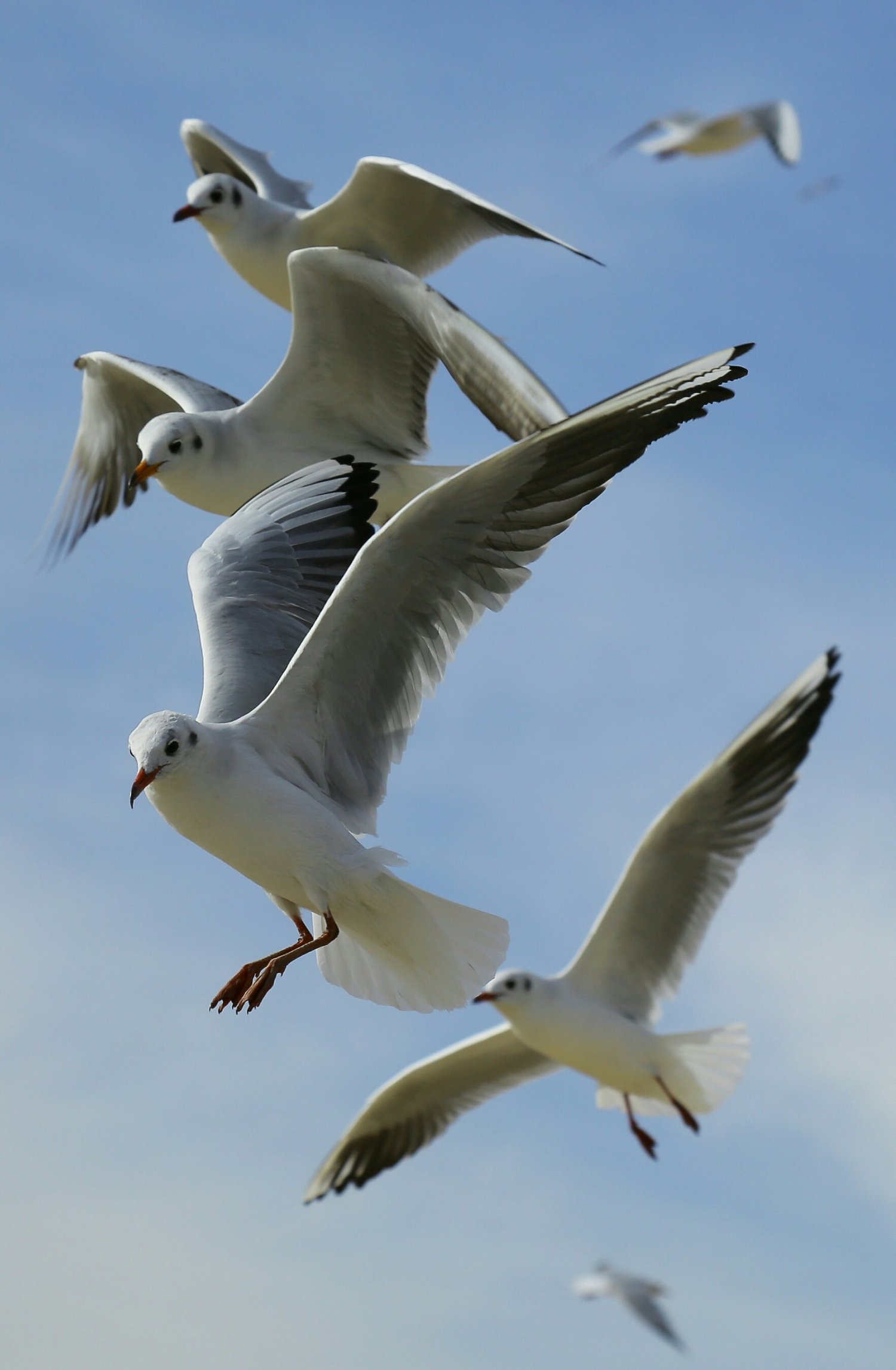
Feathers cover the bird’s wings in layers. Each feather has a role in flight.
Primary feathers are at the wing tip. They help push air backward for lift.
These adaptations are crucial when we ask ourselves, how is a bird adapted to fly at different heights and speeds?
- Secondary feathers are near the middle of the wing
- They help keep the bird steady in the air
- Coverts are smaller feathers that smooth airflow over the wing
Wing Shape And Flight Styles
Bird wings come in many shapes. Each shape fits a different flying style.
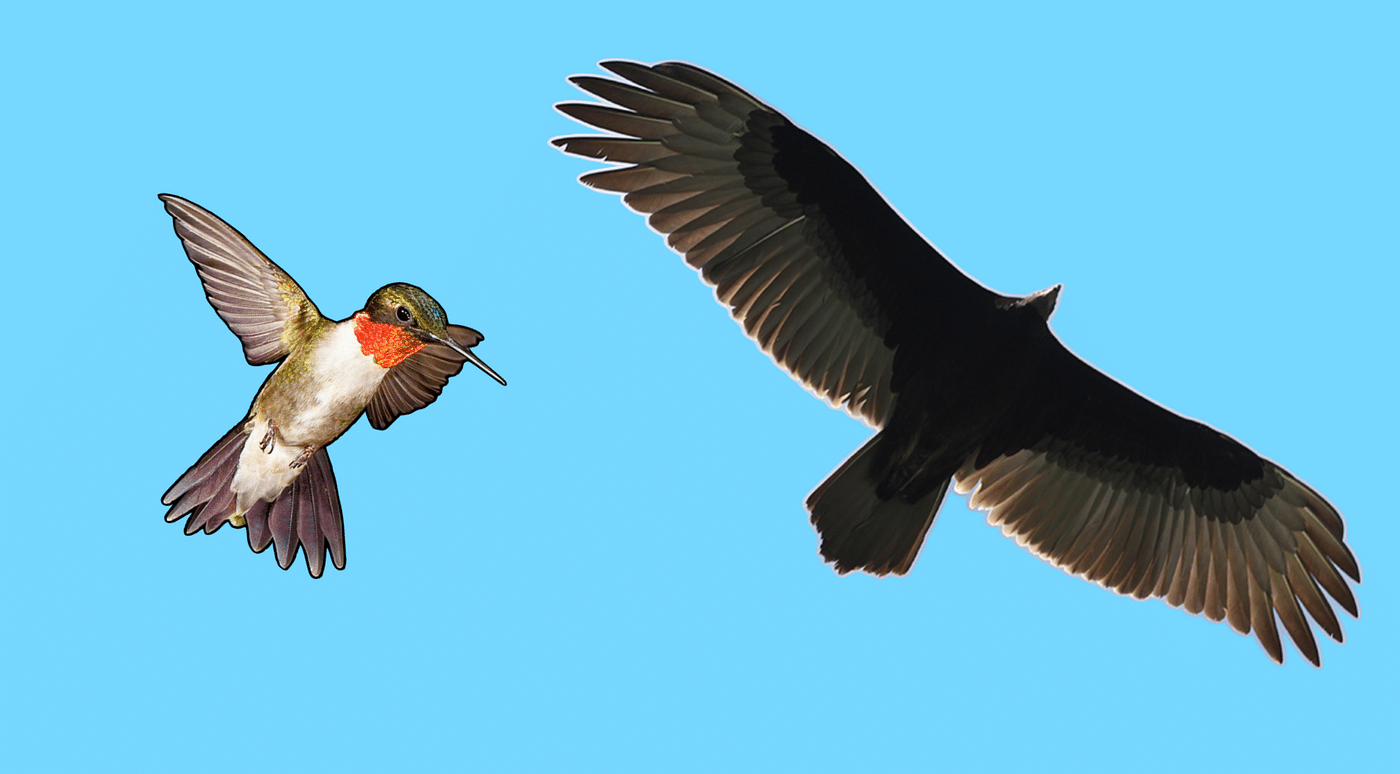
Long, narrow wings help birds glide far with little effort. Short, rounded wings allow quick turns.
- Soaring wings are wide and long for riding air currents
- Flapping wings are shorter and rounder for fast, strong flight
- High-speed wings are narrow and pointed for fast flying
Powerful Muscles
Birds have strong muscles that help them fly. These muscles give the power needed for wing movement.
These muscles play a vital role in how is a bird adapted to fly, providing the necessary strength for sustained movement.
Muscles work quickly and efficiently to keep birds in the air for a long time.
Breast Muscles Role
The breast muscles are the biggest muscles in a bird’s body. They control the wings during flight.
These muscles pull the wings down to create lift and help the bird move forward.
- The pectoralis muscle moves the wings down.
- The supracoracoideus muscle lifts the wings up.
- Both muscles work together for smooth flying.
Muscle Efficiency
Bird muscles use energy very well. This helps them fly long distances without getting tired.
The muscles have many tiny fibers that contract fast and strong. This makes flying easier and faster.
This efficiency is key to answering how is a bird adapted to fly long distances without exhaustion.
- High number of mitochondria in muscle cells
- Fast oxygen delivery to muscles
- Quick muscle recovery after use
Respiratory System
The respiratory system of birds is unique and helps them fly efficiently. It allows a constant flow of fresh air through their lungs. This system keeps their bodies supplied with oxygen during flight.
The respiratory system is another critical aspect of how is a bird adapted to fly, ensuring optimal oxygen delivery.
Birds breathe in a way that lets oxygen reach their muscles quickly. Their lungs and air sacs work together to meet the high oxygen demand in flight.
Air Sacs Function
Birds have nine air sacs that act like bellows to move air. These sacs do not exchange oxygen but help air flow in one direction. This keeps oxygen-rich air moving through the lungs at all times.
- Air sacs store fresh air and old air separately
- They help cool the bird's body during flight
- Air sacs reduce the bird's weight by making the skeleton lighter
- They allow continuous airflow through the lungs
Oxygen Exchange Efficiency
This efficiency in oxygen exchange answers the question of how is a bird adapted to fly in various environments.
Bird lungs have tiny tubes called parabronchi. These tubes allow air to flow in one direction. This system is more efficient than the back-and-forth breathing in mammals.
| Feature | Benefit |
| One-way air flow | Keeps oxygen levels high during breathing |
| Crosscurrent exchange system | Maximizes oxygen absorption in blood |
| Thin lung walls | Allows quick oxygen transfer to blood |
| Large surface area | Supports high oxygen demand in flight muscles |
Circulatory Adaptations
Birds have special circulatory features that help them fly well. Their heart and blood flow work hard to supply muscles with oxygen.
These circulatory adaptations are integral to how is a bird adapted to fly for extended periods.
These adaptations allow birds to keep up energy and stay strong during flight.
Large Heart Size
Birds have a larger heart compared to their body size. This helps pump more blood to muscles during flight.
A bigger heart means stronger beats and better oxygen delivery for energy.
Fast Blood Circulation
Blood moves very quickly in birds. Fast circulation sends oxygen and nutrients to wing muscles fast.
Quick blood flow also removes waste products, keeping muscles healthy and ready to work.
Streamlined Body
A bird's body shape helps it move easily through the air. This shape reduces resistance and saves energy during flight.
Moreover, the streamlined body shape is essential for understanding how is a bird adapted to fly efficiently.
The streamlined form is one of the main ways birds adapt to fly well and fast.
Aerodynamic Shape
Birds have a smooth, tapered body that cuts through air. Their head, neck, and body align to reduce air pressure.
- The head is small and rounded to avoid air resistance.
- The neck is flexible but fits closely to the body in flight.
- The body narrows toward the tail, guiding airflow smoothly.
- Feathers lay flat and overlap to keep the surface sleek.
Reduced Drag Features
Birds have special features to lower drag. These features help them fly faster and use less energy.
By examining these features, we can better appreciate how is a bird adapted to fly through diverse habitats.
| Feature | Purpose | Effect on Flight |
| Feather Arrangement | Overlap tightly | Creates a smooth surface to reduce air friction |
| Wing Shape | Curved and tapered | Improves lift and cuts drag |
| Tail Shape | Fan-shaped and adjustable | Helps steer and control air flow |
| Leg Position | Held close to body | Minimizes extra air resistance |
Vision And Navigation
Birds have special features that help them see clearly and find their way. Their vision and navigation skills are very important for flying.
This skill is vital in answering the question: how is a bird adapted to fly when navigating complex environments?
These abilities help birds avoid obstacles, find food, and travel long distances during migration.
Sharp Eyesight
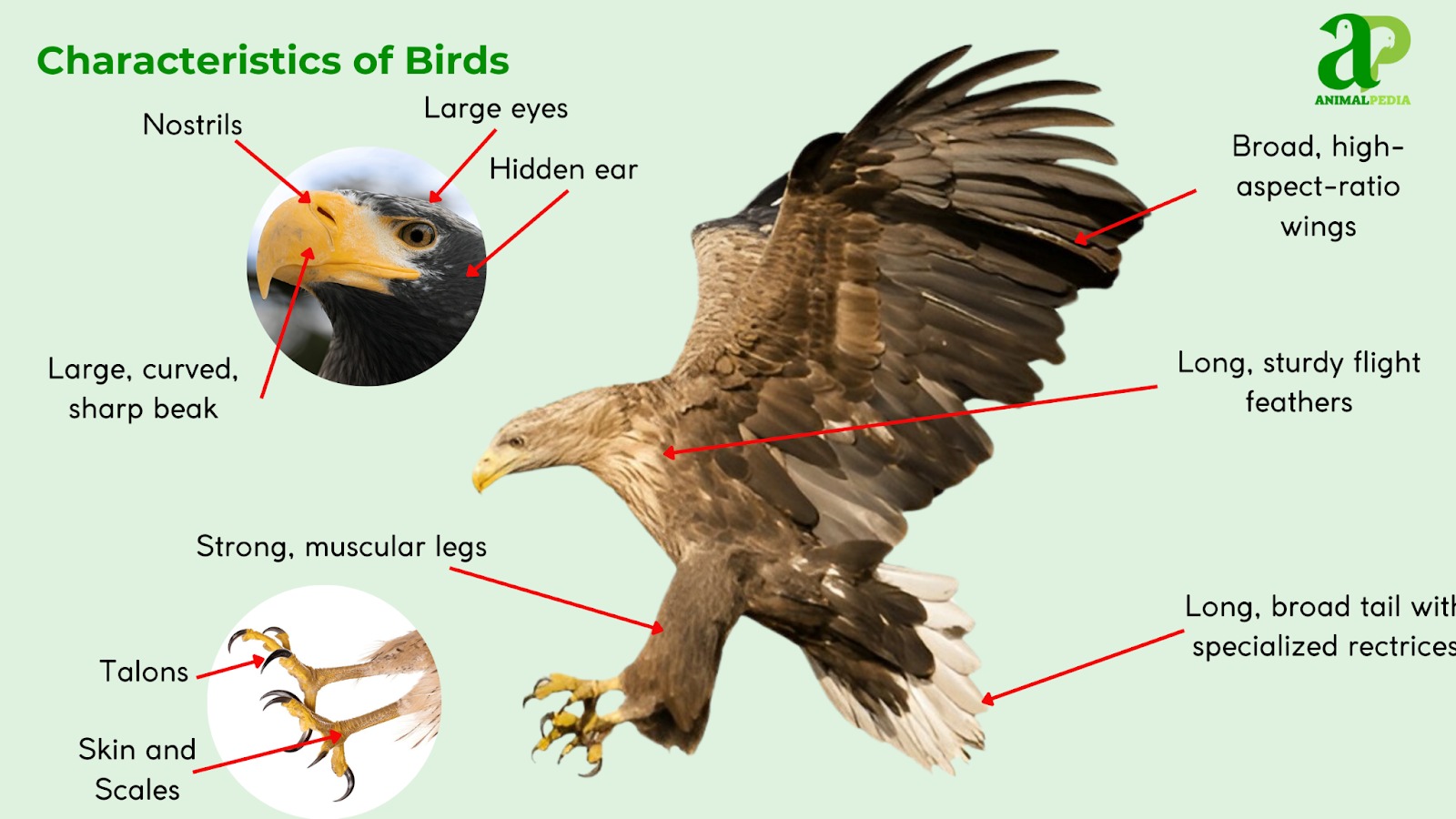
Birds have very sharp eyesight that is better than humans. Their eyes have more light-sensitive cells, which helps them see small details.
They can spot prey or dangers from far away while flying. Their eyes also help them judge distances and speed accurately.
- More cone cells for color vision
- Large eyes relative to body size
- Wide field of view
- Fast focus adjustment
Magnetic Field Detection
Many birds can sense the Earth's magnetic field. This ability helps them know direction during flight.
Understanding this ability enriches our knowledge of how is a bird adapted to fly over long migrations.
The magnetic field acts like a natural compass. Birds use it to navigate when flying long distances, especially during migration.
- Special cells detect magnetic signals
- Works even without visible landmarks
- Helps in night and cloudy weather travel
Credit: animal-pedia.org
Frequently Asked Questions
How Do Birds' Hollow Bones Help Them Fly?
Hollow bones reduce a bird's body weight without sacrificing strength. This lightweight structure makes flying easier and more energy efficient.
Why Do Birds Have Powerful Chest Muscles?
Strong chest muscles power wing flapping. These muscles provide the strength needed for lift and sustained flight.
Thus, the question of how is a bird adapted to fly illustrates the remarkable design of these creatures.
What Role Do Feathers Play In Bird Flight?
Feathers create an aerodynamic surface for lift and thrust. They also help with steering and insulation during flight.
How Does A Bird's Respiratory System Support Flying?
Birds have efficient lungs and air sacs that provide a constant oxygen supply. This supports high energy needs during flight.
Ultimately, understanding how is a bird adapted to fly reveals the intricate relationship between form and function.
Conclusion
Birds soar through the skies with unique adaptations. Their lightweight bones reduce weight, aiding flight. Feathers play a crucial role, providing lift and warmth. Strong muscles power their wings, ensuring swift, agile movement. Birds have keen eyesight, spotting food from high above.
In conclusion, how is a bird adapted to fly is a testament to nature's genius in evolution.
Their streamlined bodies reduce air resistance, enhancing speed. Hollow bones help with buoyancy and balance. Each adaptation shows nature's ingenuity in design. Understanding these features reveals how birds have mastered flight. Observing them in action inspires awe and appreciation. Their journey through the skies remains a wonder to behold.
We continually marvel at how is a bird adapted to fly, inspiring us to explore and learn more about these amazing creatures.