How Long Does It Take for Bird Eggs to Hatch 2026 Guide
Have you ever wondered how long it takes for bird eggs to hatch? If you’re curious about what happens from the moment an egg is laid until a baby bird breaks free, you’re in the right place.
Understanding the hatching process can make watching birds even more exciting and meaningful. Whether you’re a bird lover, a nature enthusiast, or just someone who wants to learn something new, this guide will answer your questions clearly and simply. Keep reading to discover the fascinating timeline of bird egg hatching and what affects it.
Egg Incubation Periods
Bird eggs need time to hatch after they are laid. This time is called the incubation period. It starts when the parent bird begins to keep the eggs warm.
Incubation times vary widely among bird species. Some eggs hatch in just a few days. Others take several weeks to hatch.
Variation Among Species
Different bird species have different incubation periods. Small birds usually have shorter times. Larger birds often take longer to hatch their eggs.
- Hummingbird eggs hatch in about 14 to 23 days
- Chicken eggs take around 21 days to hatch
- Eagle eggs may take 35 to 45 days to hatch
- Albatross eggs can take up to 80 days to hatch
The egg size, bird size, and environment affect how long eggs take to hatch. Each species has a natural incubation time suited for its young.
Factors Affecting Incubation Time
Temperature is a key factor for egg development. Warmer temperatures usually speed up hatching. Cooler temperatures slow it down or stop development.
The parents’ care also matters. They must keep eggs warm and safe. If eggs are moved or cooled too often, hatching may take longer or fail.
- Temperature stability is important for healthy embryos
- Humidity levels affect egg moisture and hatching success
- Turning eggs regularly helps embryo growth
- Disturbances can delay or stop incubation

Credit: ajaysharda.blogspot.com
Stages Of Egg Development
Bird eggs go through several important stages before they hatch. Each stage helps the chick grow inside the egg safely.
Understanding these stages helps us learn how long it takes for eggs to hatch and what happens inside the shell.
Fertilization To Embryo Formation
Fertilization happens when a sperm joins with an egg cell inside the female bird. This starts the growth of a new chick.
The fertilized egg moves down the oviduct, where it gets layers of membranes and the shell. Inside, the embryo begins to form.
- Fertilization occurs shortly after mating.
- The single cell divides rapidly into many cells.
- Cells start to organize into layers.
- The embryo begins to take shape.
- Protective membranes form around the embryo.
Growth Inside The Egg
Once the embryo forms, it starts to grow and develop organs. The egg provides food and protection during this time.
| Stage | Development Activity | Timeframe (Days) |
|---|---|---|
| Early Growth | Heart and blood vessels form | 1–3 |
| Organ Development | Brain, limbs, and eyes develop | 4–10 |
| Final Growth | Feathers grow, chick prepares to hatch | 11–End |
The chick uses the yolk inside the egg as food. The shell keeps the chick safe from harm and keeps moisture inside.
Incubation Methods
Bird eggs need warmth to develop and hatch. The way eggs are kept warm is called incubation. Different birds use different incubation methods to help their eggs hatch successfully.
People also use artificial ways to incubate eggs. This helps when birds cannot sit on their eggs or when more eggs need to hatch at once.
Natural Nest Incubation
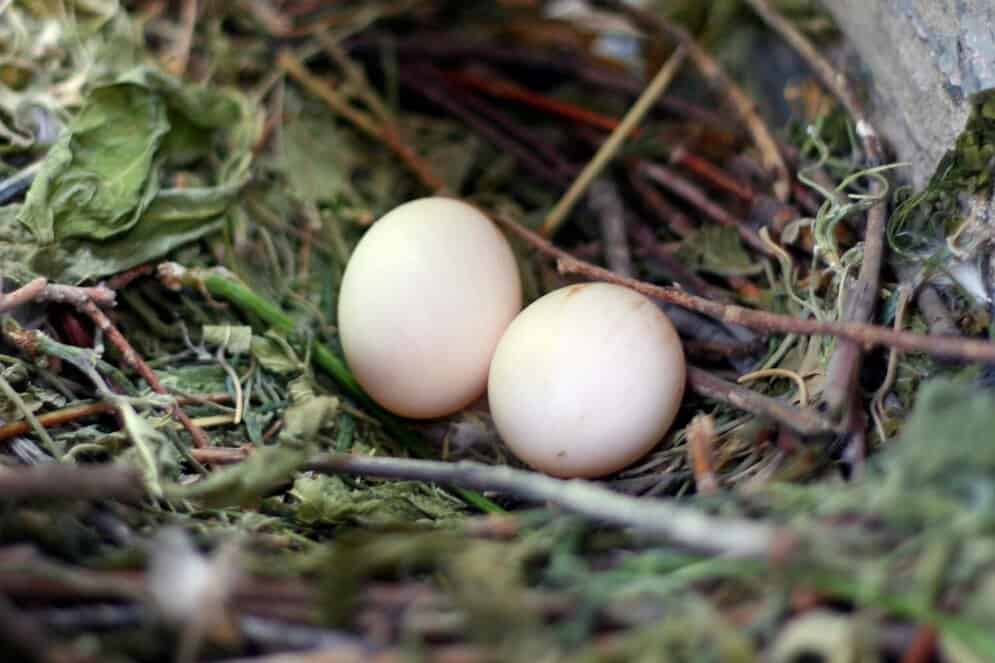
Many birds sit on their eggs to keep them warm. This is called brooding. The bird uses its body heat to keep the eggs at the right temperature.
The parent bird often turns the eggs. This helps the baby birds grow evenly inside the shells. The time eggs take to hatch depends on the bird species.
- Parents stay close to protect the eggs
- Egg temperature is kept steady by the parent's body
- Turning eggs prevents the embryo from sticking to the shell
- Incubation time ranges from about 10 to 30 days
Artificial Incubation Techniques
Artificial incubation uses machines called incubators. These devices keep eggs warm and turn them automatically. People can control temperature and humidity in incubators.
Incubators are useful for hatching many eggs at once. They are common in bird breeding and farming. Proper care is needed to make sure eggs hatch well.
- Incubators provide steady warmth like a bird’s body
- Humidity is controlled to keep eggs from drying out
- Automatic turning helps embryos develop properly
- Temperature is usually kept between 99°F and 102°F (37°C to 39°C)
Credit: birdwatchingbuzz.com
Environmental Influences
Bird egg hatching time depends on several environmental factors. These factors affect the development speed of the embryo inside the egg.
Understanding these influences helps explain why hatching times can vary widely among bird species and even within the same species.
Temperature Impact
Temperature is the most important factor for egg incubation. Warm temperatures help embryos grow faster. Cold temperatures slow development or stop it altogether.
- Optimal temperature usually ranges between 99°F to 102°F (37°C to 39°C).
- Too high temperature can harm the embryo or cause early hatching.
- Too low temperature can delay hatching or cause death.
- Fluctuations in temperature can reduce hatch success.
Humidity Role
Humidity controls how much water the egg loses during incubation. Proper humidity keeps the egg shell moist enough for the embryo.
| Humidity Level | Effect on Eggs |
| High (above 70%) | Too much moisture, risk of mold and poor air exchange |
| Optimal (40%-60%) | Good moisture loss and healthy embryo growth |
| Low (below 40%) | Excessive water loss, embryo dehydration, and hatch failure |
Parental Care Effects
Parents keep the eggs warm and safe. They turn the eggs to stop the embryo from sticking to the shell. This care affects hatching time and success.
- Regulate temperature by sitting on the eggs
- Keep eggs clean and free from bacteria
- Turn eggs regularly to support even development
- Protect eggs from predators and harsh weather
Signs Of Hatching
Bird eggs take time to hatch, depending on the species. As the hatching day nears, you can see signs that the chick is ready to come out.
These signs show the chick is growing and preparing to break free from the shell. Watching closely helps you understand the process better.
Eggshell Cracking
The first sign of hatching is when the eggshell starts to crack. The chick inside uses a special tool called an egg tooth to break the shell.
You may see small cracks or tiny holes on the shell. These cracks grow larger as the chick pecks more. This can take several hours or even a day.
- Small cracks or holes appear on the eggshell
- Cracks get bigger as the chick pecks
- The chick uses its egg tooth to break the shell
- Cracking may take hours or a whole day
Chick Movement Inside
Before the eggshell cracks, you can sometimes see the chick moving inside the egg. The movements become stronger as hatching time approaches.
The chick pushes and turns inside the egg. These motions help it get into the right position to break the shell. You might notice the egg rocking slightly.
- Chick moves and shifts inside the egg
- Movements grow stronger before hatching
- Egg may rock or wobble due to chick’s pushing
- Movement helps chick get ready to hatch
Common Challenges During Hatching
Bird eggs face many challenges before they hatch. Understanding these can help in protecting the eggs and chicks.
Some problems delay hatching or stop it completely. Predators also threaten the eggs and young birds.
Infertile Eggs
Infertile eggs do not develop into chicks. They often look normal but never hatch. This can happen if the egg was not fertilized properly.
Birds may lay infertile eggs due to age, health, or lack of a mate. These eggs usually stay cold and do not show signs of growth.
Delayed Hatching
Sometimes eggs take longer than usual to hatch. This delay can be caused by temperature changes or illness in the embryo.
- Low temperature can slow embryo growth.
- Humidity levels affect shell strength and hatching.
- Illness or genetic problems may delay hatching.
- Disturbance by humans or animals can stress the parent birds.
Predation Risks
| Predator | Risk to Eggs | Common Defense |
|---|---|---|
| Snakes | Eat eggs directly from the nest | Parent birds stay alert and chase snakes away |
| Squirrels | Steal eggs for food | Nest placement in hard-to-reach spots |
| Other Birds | Destroy or steal eggs to reduce competition | Parent birds guard the nest closely |
| Raccoons | Break eggs for food | Use of nest covers or hidden nests |
Tips For Supporting Successful Hatching
Bird eggs need the right care to hatch well. Small changes can help the baby birds grow strong inside the eggs.
Understanding what eggs need during incubation helps you support hatching. Good care makes a big difference.
Maintaining Optimal Conditions
Eggs need steady warmth to develop properly. Keep the temperature steady and avoid big changes.
Humidity also helps eggs stay healthy. Too dry or too wet can harm the baby bird inside.
- Keep temperature between 99°F and 102°F (37°C to 39°C)
- Maintain humidity around 50% to 60% during most incubation
- Increase humidity to 65% to 75% in the last days before hatching
- Turn eggs gently several times a day to help the baby grow evenly
Minimizing Disturbances
Bird eggs need quiet and calm to hatch well. Avoid loud noises and sudden movements near the nest.
Touch eggs as little as possible. Too much handling can harm the baby bird or cause temperature drops.
- Keep pets and children away from the nesting area
- Do not open incubators often or for long times
- Use soft light and low noise near hatching eggs
- Watch eggs carefully but limit physical contact

Credit: swibirds.org
Frequently Asked Questions
How Long Do Most Bird Eggs Take To Hatch?
Most bird eggs take about 10 to 30 days to hatch. The exact time depends on the species and environmental conditions. Smaller birds generally have shorter incubation periods than larger birds. Proper temperature and humidity are crucial for successful hatching.
What Factors Affect Bird Egg Hatching Time?
Temperature, humidity, and species type affect hatching time. Warmer temperatures speed up development, while cooler temperatures slow it down. Parental care also plays a role in maintaining optimal conditions for the eggs to hatch successfully.
Can Incubation Time Vary Within The Same Bird Species?
Yes, incubation time can vary slightly within the same species. Differences in temperature, humidity, and parental behavior cause this variation. Even individual egg health can affect how quickly an egg hatches.
How Do Birds Keep Eggs Warm During Incubation?
Birds keep eggs warm by sitting on them, called brooding. They use body heat to maintain a steady temperature. Birds may also turn eggs regularly to ensure even heat distribution and proper embryo development.
Conclusion
Understanding bird egg hatching times enriches your bird-watching experience. Different birds have various incubation periods. This knowledge helps you predict when chicks will emerge. Observing these stages can be truly fascinating. Watching life unfold is a rewarding experience. Patience and observation are key.
Each bird species offers unique insights. This makes your bird-watching more enjoyable and insightful. Remember, nature unfolds at its own pace. Enjoy every moment of discovery. Happy birdwatching!