If you want to bring a splash of bold color and unique beauty to your garden or home, the Desert Bird of Paradise is a fantastic choice. But How to Care for Desert Bird of Paradise to keep it healthy and vibrant?
You might be wondering what kind of care it needs, how often to water it, or where to place it for the best growth. You’ll discover simple, practical tips to help your Desert Bird of Paradise thrive. Keep reading, and you’ll learn everything you need to know to enjoy this amazing plant for years to come.
Credit: plantcareforbeginners.com
Desert Bird Of Paradise Basics
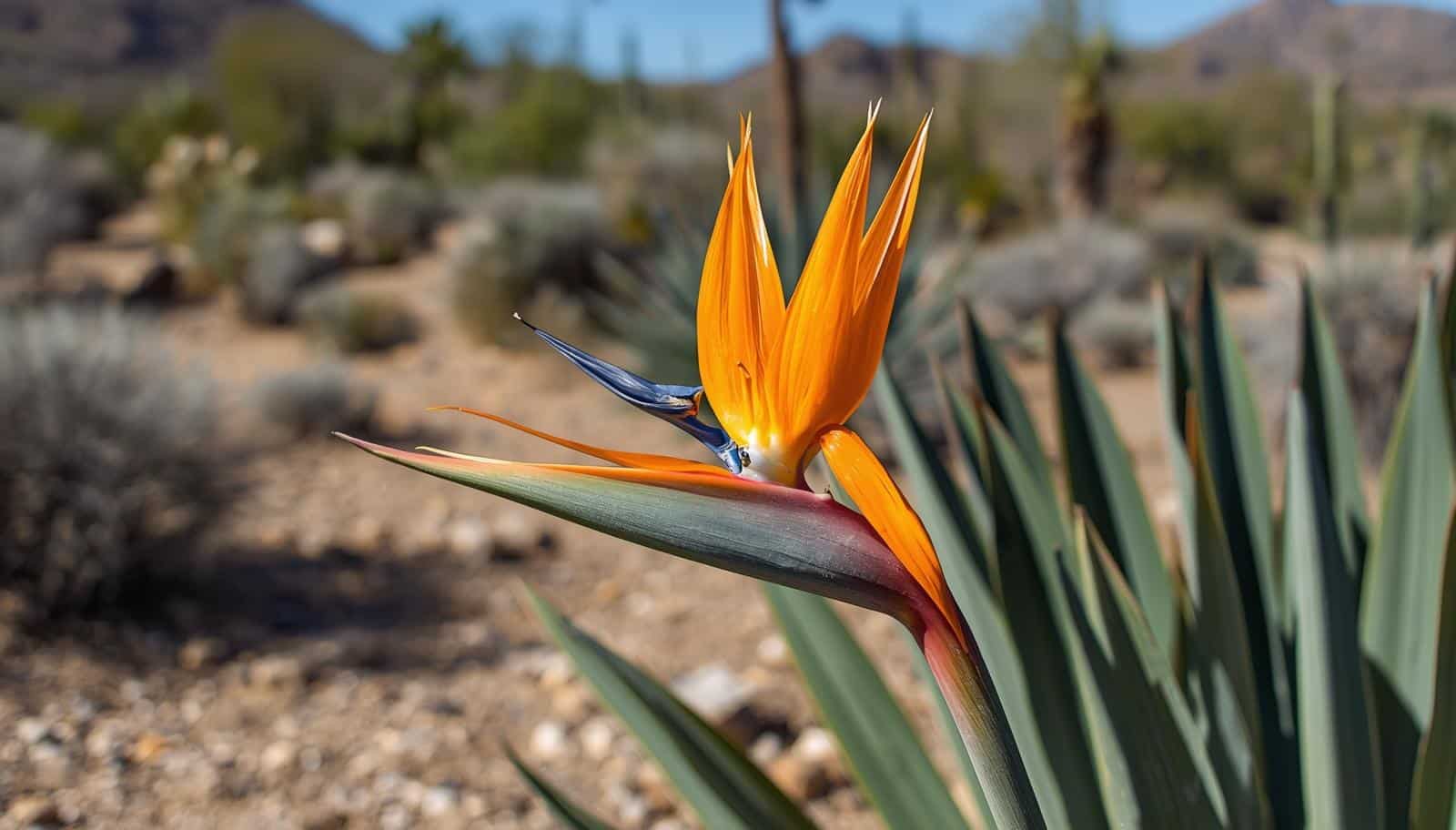
The Desert Bird of Paradise is a striking plant with bright flowers. It adds color to dry gardens and landscapes.
This plant is easy to grow and needs little water. It is perfect for hot, sunny places.
- Horticulturists clarify the confusion: “It is crucial to distinguish the Desert Bird of Paradise (Caesalpinia species) from the tropical Bird of Paradise (Strelitzia reginae). The Desert variety is a drought-tolerant legume shrub with fern-like leaves and red stamens, while the tropical variety has large, banana-like leaves and requires high humidity. Treating a Desert Bird of Paradise like its tropical namesake—by overwatering or planting in rich, wet soil—is the fastest way to kill it.”
Plant Description
The Desert Bird of Paradise has long, narrow leaves that look like grass. Its flowers are orange and yellow, shaped like a bird in flight.
- Height: 3 to 6 feet
- Flower color: Bright orange and yellow
- Leaf shape: Thin and pointed
- Bloom time: Spring to fall
Native Habitat
This plant grows naturally in desert areas of the southwestern United States and northern Mexico. It thrives in sandy or rocky soil with little water.
The Desert Bird of Paradise prefers full sun and can survive hot temperatures. It does well in places with dry air and low humidity.
Common Varieties
| Variety | Flower Color | Height |
| Caesalpinia gilliesii | Yellow with red | 4 to 6 feet |
| Caesalpinia pulcherrima | Orange and red | 3 to 10 feet |
| Caesalpinia mexicana | Orange and yellow | 3 to 5 feet |

Credit: wanderlustnursery.com
Ideal Growing Conditions
The Desert Bird of Paradise is a beautiful plant that thrives in certain conditions. It needs the right environment to grow healthy and strong.
Understanding its needs helps you care for it better. This guide covers sunlight, temperature, and soil needs.
Sunlight Needs
This plant loves bright sunlight. It grows best in full sun, which means at least six hours of direct sunlight daily.
If it does not get enough sun, it may grow slowly or produce fewer flowers.
- Place it in a spot with full sun exposure
- Avoid heavy shade or indoor low-light areas
- More sunlight encourages blooming and healthy leaves
Temperature Preferences
The Desert Bird of Paradise prefers warm temperatures. It thrives between 65°F and 85°F (18°C to 29°C).
This plant can tolerate brief cold spells but not freezing temperatures. Protect it if frost is expected.
- Ideal daytime temperature: 65°F to 85°F (18°C to 29°C)
- Keep above 50°F (10°C) at night
- Bring indoors or cover during frost or freezing weather
Soil Requirements
This plant grows best in well-draining soil. It does not like to sit in water because roots may rot.
Use sandy or loamy soil with good drainage. Adding organic matter helps soil hold some moisture.
- Well-draining sandy or loamy soil
- pH level between 6.0 and 7.5
- Add compost to improve soil nutrients and moisture retention
Watering Tips
The Desert Bird of Paradise is a tough plant that needs careful watering. Giving it the right water helps it grow strong and stay healthy.
Too much or too little water can harm this plant. Learn how often and how much to water it for the best care.
Frequency And Amount
Water the Desert Bird of Paradise once every 1 to 2 weeks. Check the soil before watering to avoid overwatering.
Give enough water to moisten the soil to about 6 inches deep. Do not let the soil stay soggy.
- Master Gardeners use the knuckle rule: “To prevent root rot in desert plants, use the ‘Second Knuckle Test’. Stick your finger into the soil up to the second knuckle (about 2 inches deep). If you feel any moisture at the tip of your finger, do not water. Only water when the soil is completely dry at that depth. It is always better to underwater a desert plant than to overwater it.”
Signs Of Overwatering
Overwatering can hurt the roots and cause the plant to rot. Watch for soft, yellow leaves or a bad smell from the soil.
- Yellowing or wilting leaves
- Soft or mushy stems
- Soil that stays wet for many days
- Foul odor from the soil
Drought Tolerance
This plant can survive dry times better than many others. It stores water in its thick stems and leaves.
During drought, water less often but make sure the soil does not dry out completely. The plant will recover well after rain or watering.

Credit: windflowerflorist.com
Fertilizing The Plant
Fertilizing the Desert Bird of Paradise helps it grow strong and healthy. This plant needs proper nutrients to bloom well. Using the right fertilizer and timing is important for best results.
Too much or too little fertilizer can harm the plant. Learn how to feed your Desert Bird of Paradise correctly to keep it thriving.
Best Fertilizer Types
Choose fertilizers that provide balanced nutrients. Look for formulas with equal amounts of nitrogen, phosphorus, and potassium. Slow-release fertilizers work well for this plant.
- Use a 10-10-10 or 14-14-14 balanced fertilizer
- Organic options like compost or well-rotted manure help soil health
- Liquid fertilizers can be used for quick nutrient boosts
Application Timing
Feed the Desert Bird of Paradise during its active growing months. Avoid fertilizing in winter when the plant rests. Regular feeding encourages more flowers and stronger leaves.
| Season | Fertilizing Frequency |
| Spring | Every 4-6 weeks |
| Summer | Every 4-6 weeks |
| Fall | Once, early in the season |
| Winter | No fertilizer needed |
Avoiding Overfeeding
Too much fertilizer can damage roots and leaves. Watch for signs like leaf burn or yellowing. Use the recommended amounts and do not feed more often than suggested.
- Measure fertilizer carefully before use
- Flush the soil with water if buildup occurs
- Do not fertilize stressed or sick plants
- Follow product instructions closely
Pruning And Maintenance
Pruning helps keep the Desert Bird of Paradise healthy and attractive. Regular maintenance removes old growth and encourages new blooms.
Proper care involves knowing when and how to prune. This guide covers key pruning steps to follow.
When To Prune
Prune the plant after it finishes flowering. This timing avoids cutting flower buds by mistake. Early spring or late winter is best for heavy pruning.
Proper Pruning Techniques
- Use sharp, clean pruning shears to prevent damage.
- Cut stems at a 45-degree angle for better healing.
- Remove no more than one-third of the plant at a time.
- Trim back long shoots to maintain shape and size.
- Wear gloves to protect against sharp edges on the plant.
Removing Dead Growth
| Type of Growth | Signs | Action |
| Dead leaves | Brown, dry, and brittle | Cut at base near stem |
| Dead stems | Soft, discolored, or hollow | Prune back to healthy tissue |
| Old flowers | Faded color, dried petals | Remove to encourage new blooms |
Pest And Disease Control
Taking care of your Desert Bird of Paradise means watching for pests and diseases. These problems can harm your plant if not treated quickly.
Good pest and disease control keeps your plant healthy and growing strong. Learn how to spot issues and protect your plant.
Common Pests
Desert Bird of Paradise can attract several pests that damage leaves and stems. Check your plant often for signs of bugs.
- Aphids: small, soft-bodied insects that suck plant juices
- Spider mites: tiny, spider-like pests that cause yellow spots
- Mealybugs: white, cotton-like bugs found on stems and leaves
- Scale insects: hard or soft bumps on stems and leaf undersides
Disease Prevention
Diseases often start from too much water or poor air flow. Avoid overwatering and keep plants spaced apart.
Remove dead or damaged leaves quickly. Clean your tools to stop spreading germs between plants.
- Water only when soil feels dry
- Plant in well-draining soil
- Space plants to allow air circulation
- Prune damaged leaves and stems
- Disinfect pruning tools after use
Natural Remedies
You can use natural treatments to control pests and diseases. These are safe and help keep your plant healthy.
- Spray a mix of water and mild soap to remove pests
- Use neem oil to stop insects from feeding
- Introduce ladybugs to eat harmful bugs
- Apply a baking soda spray to prevent fungal infections
Propagation Methods
The Desert Bird of Paradise is a unique and beautiful plant. Knowing how to grow new plants helps you expand your garden. There are a few ways to propagate this plant successfully.
This guide covers seed propagation, cuttings, and transplanting tips. Each method has simple steps to follow for best results.
Seed Propagation
Start by collecting seeds from mature pods. Soak the seeds in warm water for 24 hours to soften their hard shell.
Plant seeds in well-draining soil. Keep the soil moist but not wet. Place the pot in a warm spot with indirect sunlight.
- Use sandy or cactus potting mix
- Plant seeds about half an inch deep
- Water lightly every few days
- Germination takes two to four weeks
Cuttings Technique
Choose healthy stems that are about 6 inches long. Cut just below a leaf node using a clean, sharp knife or scissors.
Remove the lower leaves and dip the cut end in rooting hormone. Plant the cutting in a pot with moist, well-drained soil.
- Keep soil slightly moist
- Place in bright, indirect light
- Wait four to six weeks for roots to grow
- Avoid direct sun which can dry out cuttings
Transplanting Tips
Transplant young plants when they have several sets of leaves. Choose a sunny spot with well-draining soil.
Water the plant well before and after transplanting. Handle roots gently to avoid damage during the move.
- Dig a hole twice the size of the root ball
- Loosen soil around roots before planting
- Water deeply after planting
- Add mulch to keep soil moist and cool
Seasonal Care Adjustments
The Desert Bird of Paradise needs different care in each season. Adjusting care helps keep the plant healthy year-round. This guide explains how to care for it during summer and winter. It also covers how to handle extreme weather.
Following simple seasonal tips ensures the plant grows well and stays strong. Pay attention to watering, temperature, and protection needs as seasons change.
Summer Care
Summer is the growing season for the Desert Bird of Paradise. It needs more water and sun but avoid overwatering. Too much water can cause root rot.
- Water deeply once or twice a week depending on heat.
- Place the plant where it gets full sunlight for at least six hours.
- Apply a balanced fertilizer every 4 to 6 weeks.
- Remove dead leaves to keep the plant healthy.
Winter Protection
Winter brings cooler temperatures that can stress the Desert Bird of Paradise. Protect it from frost and cold winds. Reduce watering because the plant uses less water in winter.
| Care Task | Details |
| Watering | Water once every 2 weeks |
| Location | Move to a sheltered spot if possible |
| Frost Protection | Cover with frost cloth or bring indoors |
| Pruning | Prune only dead or damaged leaves |
- Landscape Specialists warn about dormancy: “Don’t panic if your Desert Bird of Paradise looks like a bundle of dead sticks in the winter. It is naturally deciduous in many climates, meaning it will drop its leaves to conserve energy during the cold season. Resist the urge to increase watering to ‘save’ it; simply reduce water, let it rest, and wait for the explosion of green growth when temperatures rise in spring.”
Handling Extreme Weather
Extreme weather like heat waves or cold snaps can harm the plant. Quick action helps reduce damage and stress.
- Provide shade during the hottest part of the day.
- Increase watering frequency but avoid waterlogging.
- Use mulch to keep soil cool and moist.
- Cover the plant with blankets or frost cloth at night.
- Use outdoor heaters or heat lamps if available.
- Move potted plants indoors temporarily.
Enhancing Plant Growth
The Desert Bird of Paradise is a beautiful plant that needs care to grow well. Good care helps it stay healthy and strong.
Simple actions like mulching, supporting, and encouraging blooming make a big difference in its growth.
Mulching Benefits
Mulching keeps the soil moist and cool around the plant. It stops weeds from growing and taking nutrients.
Use organic mulch like bark or straw. Apply it around the base but not touching the stem.
- Retains soil moisture
- Keeps soil temperature stable
- Reduces weed growth
- Adds nutrients as it breaks down
Supporting Structures
The Desert Bird of Paradise can grow tall and heavy. It needs support to stay upright and avoid damage.
Use stakes or trellises to hold the plant gently. Tie stems loosely to avoid cutting the plant.
- Prevents bending and breaking
- Keeps plant stable during wind
- Helps shape the plant’s growth
- Makes maintenance easier
Encouraging Blooming
To get more flowers, give the plant enough sunlight and water. Avoid overwatering to keep roots healthy.
Feed with a balanced fertilizer during the growing season. Remove old flowers to invite new blooms.
- Provide 6-8 hours of sunlight daily
- Water when the top soil feels dry
- Use fertilizer with equal NPK
- Prune spent flowers regularly
Frequently Asked Questions
How Often Should I Water Desert Bird Of Paradise?
Water the Desert Bird of Paradise deeply every 1-2 weeks during growing season. Reduce watering in winter to prevent root rot. Always let the soil dry out between waterings for healthy growth.
What Type Of Soil Suits Desert Bird Of Paradise Best?
Desert Bird of Paradise thrives in well-draining, sandy or loamy soil. Avoid heavy clay soils that retain water. Good drainage prevents root rot and promotes strong root development.
How Much Sunlight Does Desert Bird Of Paradise Need?
This plant requires full sun to partial shade for optimal growth. Ideally, provide at least 6 hours of direct sunlight daily. Too little light slows growth and reduces flowering.
When Is The Best Time To Fertilize Desert Bird Of Paradise?
Fertilize in spring and summer using a balanced, slow-release fertilizer. Apply every 4-6 weeks to encourage vibrant blooms. Avoid fertilizing in fall and winter when growth slows.
Conclusion
Caring for a Desert Bird of Paradise is rewarding. This stunning plant thrives with proper attention. Ensure it gets enough sunlight. Water sparingly to avoid root rot. Use well-draining soil for best results. Prune dead branches to maintain its beauty.
Fertilize during the growing season for vibrant blooms. Keep an eye on pests, treating them quickly if they appear. With these simple steps, your plant will flourish. Enjoy the vibrant colors and unique structure. A true piece of nature in your garden or home.
Appreciate the beauty of your thriving Desert Bird of Paradise.