Have you heard the birds singing? They are not just making noise. Bird sounds are a secret language full of meaning.
Understanding What Do Bird Chirps Mean helps you connect with nature. You can discover what happens outside. Do you want to decode these small messages? Read on to feel more aware of the world. You will be surprised what those small chirps tell you!
Bird Chirps and Their Jobs
Bird chirps are sounds birds use to talk. These sounds help birds share facts and stay safe. Different chirps mean different things. We learn how birds live by hearing their sounds.
Talking Basics
Birds chirp to send important messages. Chirps warn about danger. They also help birds find others. Birds use sounds to mark their homes. They use them to attract mates too. Chirps keep their groups connected. This is an example of Bird chirps meaning in everyday life.
Kinds of Bird Calls
Bird calls include many types of sounds. There are alarms and contact calls. Begging calls are also common. Each call has a special job.
-
Alarm Calls: They warn others about danger.
-
Contact Calls: They keep birds in touch while flying.
-
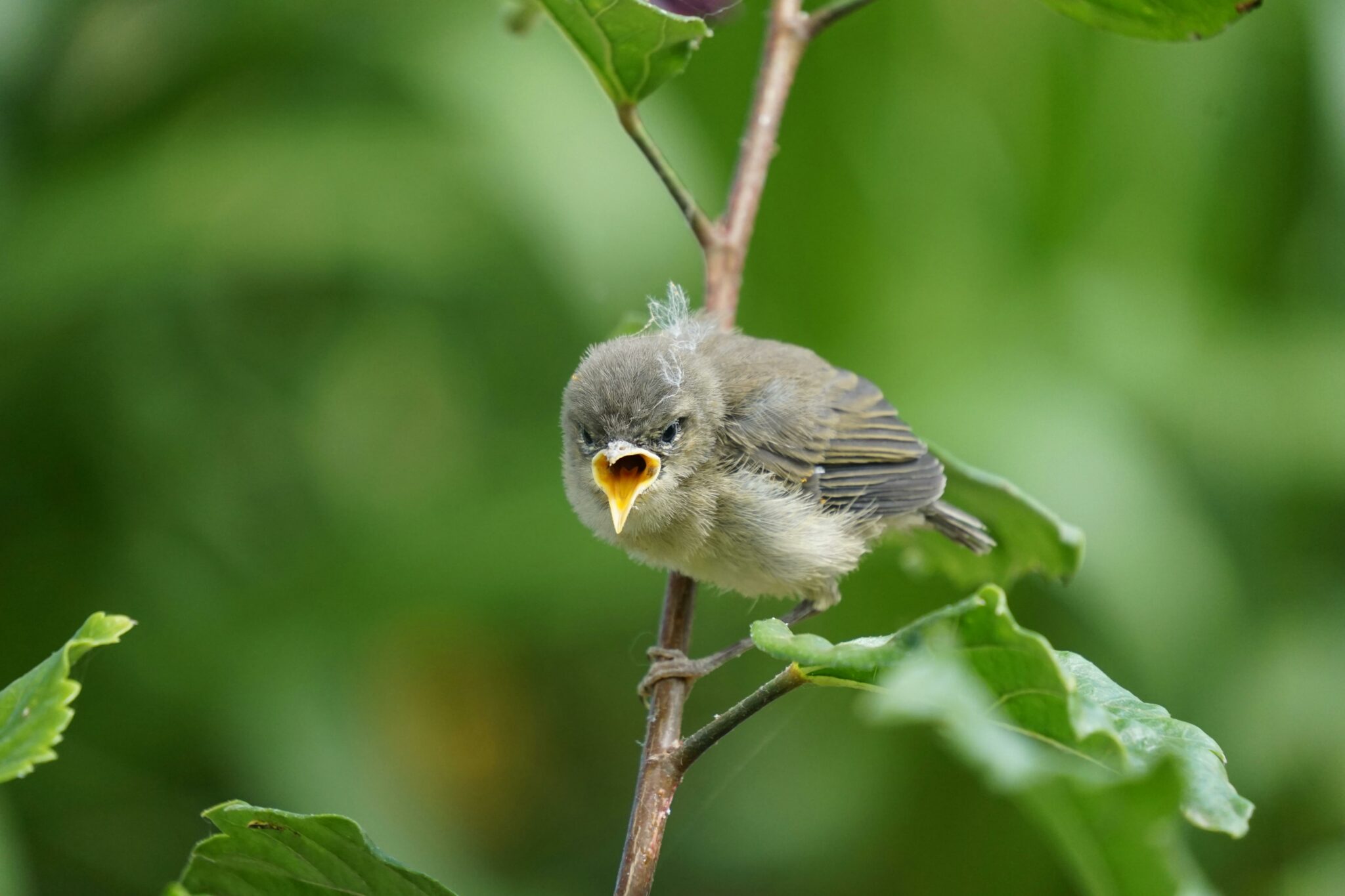
Begging Calls: Young birds use them to ask for food.
-
Territorial Calls: They show other birds an area is taken.
Songs Versus Chirps
Bird songs are longer and more complex. Songs often help males find mates. Chirps are short and very simple. Birds use chirps for fast messages. These include greetings or quick warnings.
-
Songs: They are long. They are used for mating and home defense.
-
Chirps: They are short. They are used for simple talks.
Credit: www.purplegarden.co
What Bird Chirps Mean
Birds chirp to send many messages. Each sound tells other birds something key. These chirps help birds survive. They help them find mates and live together. Learning their meaning is interesting.
Home Territory Warnings
Birds chirp to mark their territory. These sounds tell other birds to leave. The chirps are loud and strong. They tell others the area is claimed.
-
This defends nesting and food spots.
-
It stops fights by warning others.
-
It shows the bird’s presence and strength.
This is a clear example of Territorial bird chirps.
Mating Songs
Birds sing special chirps to find a partner. These calls show they are healthy. They also show they are ready to pair up. The sounds are often musical and long. This helps them find mates for breeding.
-
Strong songs attract female birds.
-
It signals good genes and care skills.
-
It helps partners bond tightly.
Danger and Alarm Sounds
Birds make quick, sharp chirps to warn of danger. These calls tell others to be alert. Alarm chirps signal threats or predators. Birds often stop moving and hide right away.
The Smithsonian Migratory Bird Center studied these warnings. Birds use different calls for different threats. A high-pitched, thin ‘seet’ call warns of a flying hawk. A louder, broader call is for a ground threat, like a cat. This specific warning helps the group defend itself.
This shows the importance of Bird alarm calls in survival.
-
This warns about nearby predators.
-
It keeps the whole flock safe.
-
Birds may freeze or fly away fast.
Social Talk
Birds chirp to talk with their group. These sounds keep friends calm and together. Social chirps help with sharing food. They keep contact and help with play. They show the bird’s mood and needs.
-
It helps groups stay bonded.
-
It signals stress or friendliness.
-
It coordinates group movements.
How Birds Learn Their Calls
Bird chirps are not random sounds. Birds learn their calls. This mixes natural skill and experience. Knowing how birds get their songs helps us. We learn what their chirps mean.
Born vs. Learned Sounds
Some bird sounds are natural. They appear with no practice. Others must be learned from adults.
Some bird sounds are natural. They appear with no practice. Others must be learned from adults. The Cornell Lab of Ornithology says simple calls, like alarms, are innate. Complex songs, used for mating, are learned. This learning is like how humans learn language. Birds need practice to make the song structure perfect.
-
Natural chirps are simple. They signal basic needs like danger.
-
Learned songs are complex. They are used to find mates.
-
Young birds listen and copy adult songs.
-
Learning helps birds make better, varied songs.
The Role of Location
A bird’s environment changes its song style. Local sounds shape what birds sing.
- Dr. Elizabeth Derryberry explains this change. She notes birds change their calls to talk farther. In loud city areas, birds sing with higher pitch. They may also shorten their notes. This helps their messages cut through city traffic noise. It shows birds constantly change how they sing.
Regional Accents
Birds in different areas sing unique tunes. These are like human accents for people.
-
Song Sparrows use different tunes across North America.
-
White-crowned Sparrows change songs based on their group.
-
Swamp Sparrows show clear song changes nearby.
Credit: www.whatspiritual.com
Decoding Bird Chirps
Bird chirps have messages. They help birds talk to each other. They signal danger or find mates. Understanding these sounds is key. It helps people learn bird behavior and nature. This is an example of Bird calls and songs.
How to Listen
Good listening helps you understand chirps. Find a quiet spot. Focus on all sounds around you.
-
Use your ears for different rhythm and pitch.
-
Note the time of day birds sing most.
-
Look for sounds that repeat often.
-
Record chirps to check later.
Tools for Decoding
Some tools help you decode bird sounds. Apps on phones can record and check the sounds.
Known Bird Calls
Different birds have unique chirps. Learning common birds helps you know their calls.
-
American Robin: A clear, repeated whistle.
-
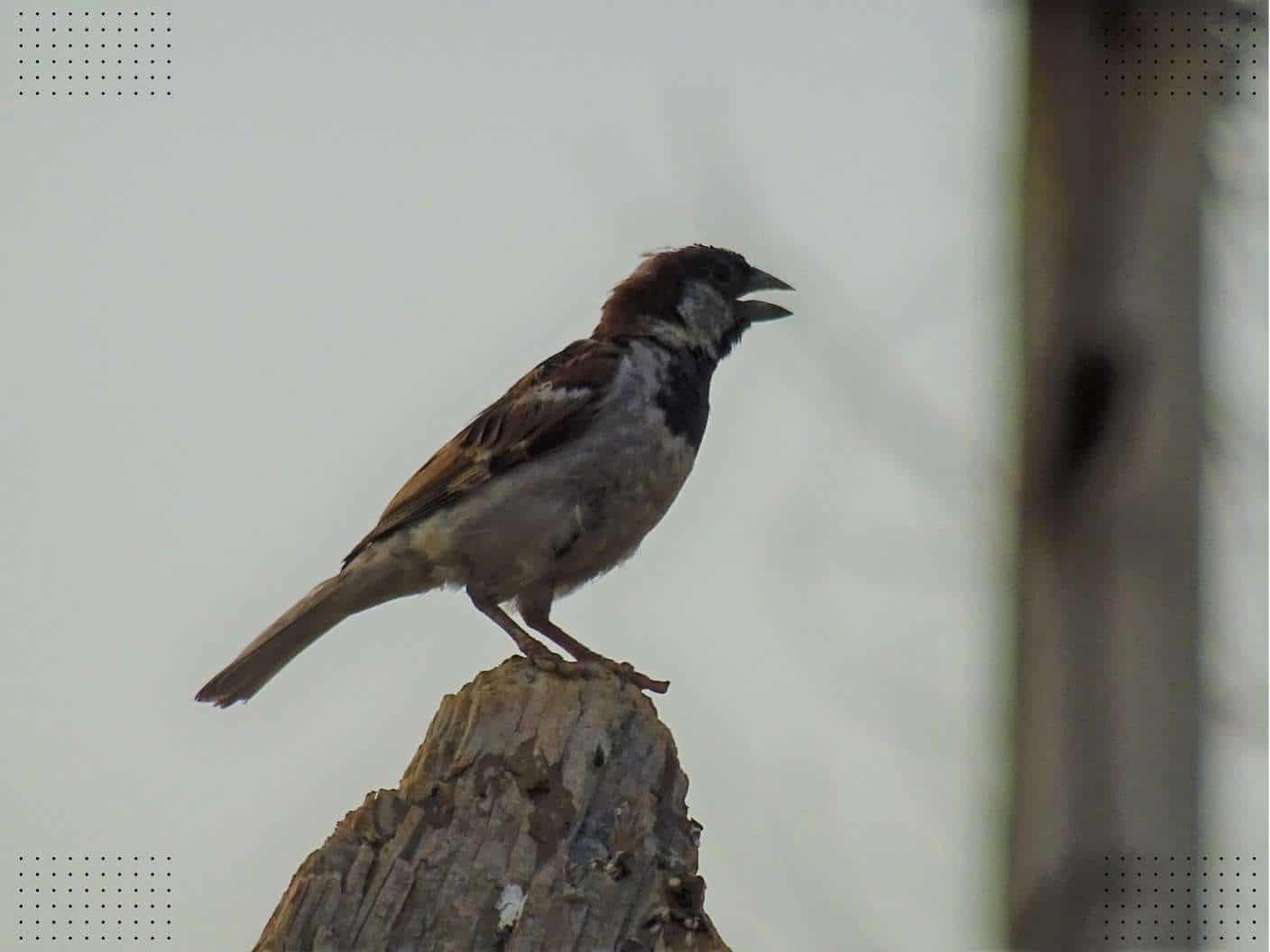
House Sparrow: A quick, short, chirpy chatter.
-
Northern Cardinal: A loud, sharp call for its home.
-
Blue Jay: Many harsh, jay-jay sounds for alerts.
Birds and People
Bird chirps are more than just noise. They help us connect to nature easily. Listening to birds can calm your mind. People have always wanted to know what chirps mean. These sounds show how birds live and act.
Birdwatching Is Good
Watching birds helps people enjoy nature. It helps them learn about bird lives. It lowers stress and helps focus.
-
It makes you feel better.
-
It gets you active outside.
-
It teaches you to watch and wait.
-
It helps you learn about wildlife.
Chirps in Human Culture
Bird chirps are in many stories and art. They mean freedom, peace, and happiness.
Why Chirps Matter to Science
Bird chirps help scientists check bird health. They help check bird homes. Changes in chirping show a place is in danger.
-
They monitor bird numbers.
-
They detect changes in the environment.
-
They help save birds at risk.
-
They guide efforts to fix bird homes.

Credit: mysticsclarity.com
Frequently Asked Questions
What do bird chirps tell us?
Chirps signal many things. They mean territory, mating calls, or warnings. They help the flock talk. The pattern and tone show the Bird chirps meaning, helping you understand each message birds are sending.
How do I find bird species by their chirp?
Each species has its own sound. Listen to the tone and rhythm. Apps or guides help find the species name.
Why do birds chirp more in the morning?
Birds chirp most at dawn to claim home and find mates. This is called the “dawn chorus.” They talk actively before looking for food.
Do bird chirps warn of danger?
Yes, birds use sharp, loud chirps to warn of threats. These alarm calls make the flock hide fast. This keeps them safe from danger.
How can I quickly learn bird sounds?
Listening regularly is the key. Note the different patterns and pitches. Apps or field guides can help you track and understand each chirp. This practice improves your recognition of Bird chirps meaning, making it easier to identify messages from different species.
Conclusion
Bird chirps hold amazing secrets. They warn, attract, and talk with each other. Each chirp tells a story. Knowing these sounds deepens our love for nature. Next time you hear a bird, stop. Listen closely to its song. Discover their world through those sounds. Their voices are a natural symphony. They remind us of life’s beauty. By learning these chirps and Bird calls and songs, we connect more deeply to nature.
Paying attention to morning chirps or evening calls can teach us about bird behavior and habits. Understanding these patterns enhances our appreciation for wildlife and helps in conservation efforts. Every chirp is a lesson in nature’s communication, showing how intricate and fascinating bird life truly is.