Have you ever stopped to listen carefully to the birds in the forest and wondered What Do the Bird Mean in the Forest? Those sounds aren’t just random noise—they carry messages that tell stories about the forest’s life.
Understanding what the birds mean can change the way you see nature around you. You’ll discover the secret language of birds and how it connects to the forest’s hidden world. Get ready to unlock the mystery behind every chirp and call you hear on your next visit to the woods.
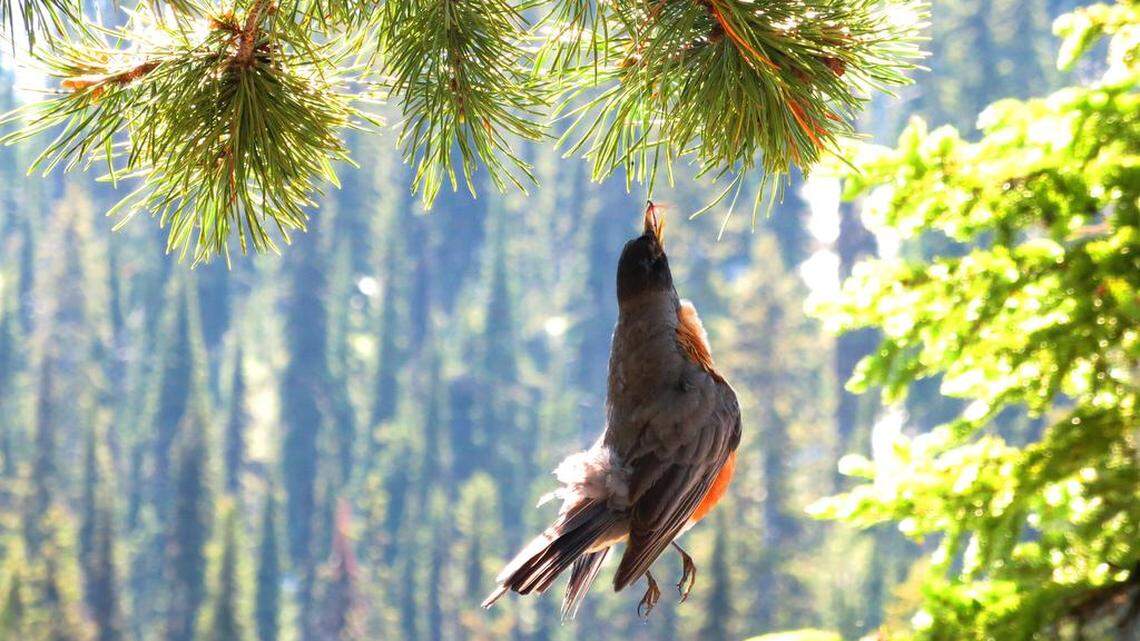
Credit: www.ledger-enquirer.com
Birds As Forest Messengers
Birds use sounds to send messages in the forest. Their calls help them talk to each other.
These sounds tell about danger, territory, or finding a mate. Birds keep the forest alive with their voices.
Communication Through Calls
Birds use calls to share information quickly. Calls warn others about nearby predators or food.
Different calls mean different things. Some sounds alert danger, while others call for help or food.
- Alarm calls warn of predators
- Contact calls keep flock members together
- Food calls show where food is found
Territorial Signals
Birds use sounds to mark their home area. Singing loudly tells others to stay away.
These signals stop fights over space. Birds keep their territory safe with clear messages.
- Loud songs mark territory borders
- Repeated calls warn intruders
- Songs show strength and size
- Bioacoustics Researchers model sound transmission: “Birds use acoustic adaptation to ensure their message is heard. In dense, closed forests, songs with lower frequencies and fewer trills (like the Barred Owl’s hoot) travel farthest because high-frequency notes scatter and degrade when hitting leaves and branches. Conversely, birds in open habitats or high in the canopy can use higher, rapid trills that are more easily localized, revealing the bird’s exact position to a rival or mate.”
Mating And Courtship Sounds
Birds sing to attract a mate. Special sounds show health and readiness to pair.
Mating calls help birds find the best partner. These songs can be soft or loud depending on the species.
- Complex songs attract females
- Courtship calls show fitness
- Duets strengthen pair bonds
- Evolutionary Biologists explain the complexity: “The complexity and duration of a male bird’s song are reliable indicators of his overall fitness. Producing a long, intricate song requires significant energy, neurological capacity, and robust health—resources that a sick or weak bird cannot afford to expend. Therefore, a complex song functions as a non-falsifiable advertisement of superior genes and foraging ability, which females use as a primary decision factor in mate choice.”

Credit: theforest.fandom.com
Bird Behavior And Forest Health
Birds are important parts of the forest. Their actions tell us a lot about the forest’s health. Watching birds helps us understand how well the forest is doing.
Birds react quickly to changes in their homes. Their behavior can show if the forest is safe or if problems exist. Learning about birds helps protect forests.
Indicators Of Biodiversity
Birds show the variety of life in a forest. Different bird types mean many plants and animals live there. A rich bird population means a healthy ecosystem.
Forests with many bird species usually have good food and shelter. Some birds eat seeds and spread plants. This helps the forest grow strong and diverse.
- Many bird species indicate many plant types
- Birds help spread seeds to new places
- Varied birds show good forest balance
- Ecologists formally categorize the role: “Birds are formally recognized by many governmental and ecological bodies as bioindicators of forest health. Because they are highly mobile, occupy multiple trophic levels, and are sensitive to subtle changes in habitat structure and prey availability, shifts in their population sizes, species diversity, or reproductive success are often the first and most reliable warning signs that an ecosystem is under stress from pollution or climate change.”
Signs Of Environmental Changes
Birds quickly change their habits when the forest changes. If birds leave or stop singing, it can mean a problem. Their behavior warns us about pollution or damage.
Changes in bird numbers or types tell us if the forest is stressed. Watching bird behavior helps detect early signs of trouble. This helps people take action fast.
- Birds stop singing if the air is dirty
- Fewer birds may mean loss of trees
- New bird types can show climate shifts
Role In Pest Control
Many birds eat insects that harm trees. They help keep pests under control without chemicals. This natural pest control keeps forests healthy and strong.
Birds reduce damage from bugs that eat leaves or wood. Healthy bird populations lower the chance of big pest outbreaks. This helps trees grow better and live longer.
- Birds eat harmful insects in the forest
- They reduce the need for pesticides
- Natural pest control supports tree health
Symbolism Of Birds In Nature
Birds have inspired humans for thousands of years. They often symbolize freedom, hope, and connection to the earth.
In forests, birds play a special role. Their songs and flights carry deep meanings across many cultures.
Cultural Interpretations
Different cultures see birds in unique ways. Some view them as messengers, while others see them as symbols of power.
- In Native American culture, the eagle represents strength and courage.
- In ancient Egypt, the ibis symbolized wisdom and knowledge.
- Japanese culture often links cranes with peace and longevity.
- In Celtic traditions, ravens are seen as protectors and guides.
Spiritual Connections
Birds often connect the physical and spiritual worlds. People believe their presence can bring messages from beyond.
| Bird | Spiritual Meaning | Common Belief |
| Dove | Peace | Brings calm and hope |
| Owl | Wisdom | Guide through darkness |
| Hawk | Vision | Sees hidden truths |
| Swallow | Renewal | Signs of new beginnings |
Birds In Folklore
Folklore often tells stories about birds. These stories explain nature and teach lessons.
Here are some popular bird tales:
- The myth of the phoenix rising from ashes, symbolizing rebirth.
- The story of the nightingale, known for its beautiful song and loyalty.
- The legend of the crow, often seen as a trickster or wise figure.
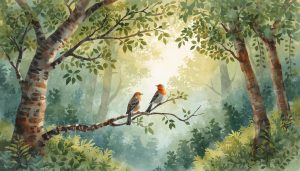
Credit: theforest.fandom.com
Common Forest Birds And Their Messages
Birds in the forest do more than just sing. They give clues about the environment. Each type of bird has its own message.
By watching and listening to birds, we learn about the health of trees, time of day, and seasons.
Woodpeckers And Tree Health
Woodpeckers tap on trees to find food. Their pecking can show if a tree is healthy or sick. They look for insects inside the bark.
If you hear many woodpecker taps, it may mean the tree has bugs or is decaying. Healthy trees have fewer insects.
- Strong tapping means insects under bark
- Quiet woodpeckers may signal healthy trees
- Woodpecker holes can help other animals
Owls And Nighttime Signals
Owls are active at night. Their calls tell us about the forest’s night life. Different owl sounds mean different things.
Owls also warn about danger or mark their territory. Hearing owls means the forest is alive after dark.
- Hooting signals presence of owls nearby
- Different calls show different owl species
- Silent wings help owls sneak on prey
Songbirds And Seasonal Changes
Songbirds sing mostly in the morning. Their songs change with seasons. They use songs to attract mates and claim space.
Bird songs can tell you if spring or fall is near. Some birds migrate when seasons change.
- Bright songs often mean spring is here
- Quiet or absent songs may show winter is coming
- Bird migration matches seasonal changes
How To Listen And Observe
Birds speak a language of sounds and movements. Learning to listen and watch helps you understand their world.
Quiet observation and patient listening reveal many secrets about birds in the forest.
Tips For Birdwatching
Start by finding a quiet spot where birds are active. Stay still and avoid sudden moves to not scare them away.
- Wear neutral colors to blend in with the environment
- Use binoculars to see birds from a distance
- Note the time of day; birds are often more active in early morning
- Keep a notebook to write down what you see and hear
- Be patient and enjoy the moment
Interpreting Bird Calls
Bird calls have different meanings. Some warn of danger, others attract mates or mark territory.
| Call Type | Meaning | Example |
| Alarm Call | Warning of predators | Sharp, repeated notes |
| Song | Attract mates or defend territory | Melodic and long |
| Contact Call | Keep in touch with flock | Short and soft |
- Ornithologists teach listening for stealth: “When listening for danger, don’t just focus on the loud, frantic chatter. Many small songbirds use a very high-pitched, thin ‘seet’ alarm call to warn of aerial predators, like falcons. This sound is challenging for predators (which have poor high-frequency hearing) but is easily heard by other small birds. If you hear a series of these quiet, high-frequency ‘seet’ calls, it’s a trustworthy sign that a bird of prey is actively hunting overhead.”
Using Technology To Aid Observation
Technology can help you record sounds and identify birds faster. Use apps and devices to improve your experience.
- Bird call recording apps to capture sounds
- Identification apps with pictures and sounds
- Digital cameras with zoom lenses for photos
- GPS devices to mark bird locations
Frequently Asked Questions
What Do Birds Symbolize In Forest Ecosystems?
Birds symbolize the health and balance of forest ecosystems. They act as pollinators, seed dispersers, and pest controllers. Their presence indicates biodiversity and a thriving environment. Birds help maintain the natural cycle, supporting forest regeneration and ecological stability.
How Do Bird Calls Indicate Forest Health?
Bird calls reflect the diversity and activity of forest life. Rich, varied bird songs suggest a healthy habitat with ample food and shelter. A decline in bird vocalizations may signal environmental stress or habitat loss in the forest.
Why Are Birds Important For Forest Regeneration?
Birds aid forest regeneration by dispersing seeds over wide areas. They carry seeds from fruit-bearing trees and shrubs, helping new plants grow. This natural process supports forest growth and species diversity, ensuring forest sustainability.
Can Bird Behavior Predict Forest Weather Changes?
Bird behavior can hint at upcoming weather changes. For example, increased bird activity or changes in flight patterns often precede storms or rain. Birds sense atmospheric pressure shifts, using these cues to adjust their behavior in forests.
Conclusion
Birds in the forest offer more than just beauty. They play a key role in the ecosystem. They help control insects and spread seeds. Their songs bring peace to the heart. Observing them teaches us about the environment. Each bird species has a unique story.
They connect us to nature in simple ways. Next time, listen to their songs and watch their flight. Appreciate their presence and role in the forest. They are nature’s storytellers and guardians. Respect and protect their habitat. It’s essential for a balanced ecosystem.
Let’s cherish these winged wonders.