Incredible What Type of Bird Is the Mountain Blue Bird
Have you ever spotted a bright blue bird perched high up on a mountain and wondered, “What Type of Bird is the Mountain”? The Mountain Bluebird is a fascinating creature that catches your eye with its stunning color and graceful flight. If you want to know more about this beautiful bird—from where it lives to what makes it special—you’re in the right place.
Keep reading, and you’ll discover everything you need to recognize and appreciate the Mountain Bluebird on your next outdoor adventure.
Mountain Bluebird Basics
The Mountain Bluebird is a small bird known for its bright blue color. It belongs to the thrush family and is a favorite among bird watchers.
This bird lives mostly in western North America. It is famous for its beautiful sky-blue feathers and clear, sweet songs.
Physical Features
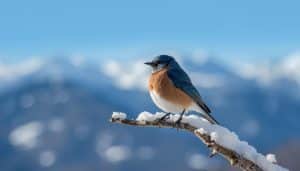
Mountain Bluebirds have a slim body and a short tail. Males are bright blue all over, while females have a softer blue and gray mix.
- Length: about 7 inches (18 cm)
- Weight: around 1.5 ounces (43 grams)
- Bright blue feathers on males
- Grayish-blue and white on females
- Thin, pointed beak
Habitat Range
Mountain Bluebirds live in open areas like meadows and fields. They often nest in tree cavities or old woodpecker holes.
| Region | Type of Habitat |
| Western Canada | Open forests and grasslands |
| Western United States | Mountain meadows and shrublands |
| Mexico (northern parts) | High deserts and open plains |
Behavior Traits
Mountain Bluebirds are active and often seen perched on fences or wires. They hunt insects by swooping down from a high spot.
- Feed mainly on insects and berries
- Use open perches to spot prey
- Build nests in tree holes or boxes
- Often seen in small groups outside breeding season
- Known for soft, musical calls
Credit: www.reddit.com
Distinctive Coloring
The Mountain Bluebird is known for its bright and clear colors. This bird’s coloring helps it stand out in its mountain habitat. Both males and females have unique features in their feathers.
Understanding the differences in their plumage and how it changes with the seasons helps bird watchers identify them easily.
Male Vs Female Plumage
Male Mountain Bluebirds have bright blue feathers that cover most of their body. Their color is vivid and eye-catching. Females, on the other hand, have duller colors. They are mostly gray with some blue on their wings and tail.
- Male: Bright sky blue all over.
- Female: Soft gray with pale blue wings and tail.
- Male’s color is more vibrant for attracting mates.
- Female’s color helps with camouflage while nesting.
Seasonal Changes
The colors of Mountain Bluebirds shift slightly with the seasons. Their feathers wear down and renew to keep their colors bright. Males show their brightest blues during the breeding season in spring and early summer.
| Season | Male Plumage | Female Plumage |
|---|---|---|
| Spring | Bright and vivid blue | Gray with blue highlights |
| Summer | Bright blue, slightly faded | Gray with blue highlights |
| Fall | More muted blue | Duller gray and brown tones |
| Winter | Dull blue-gray | Brownish gray |
Diet And Feeding Habits
The Mountain Bluebird mainly feeds on insects and berries. Its diet changes with the seasons. In warmer months, it eats mostly insects. In colder months, it turns to fruit and seeds.
Feeding habits help the bird survive in mountain regions. It uses different techniques to find food. This allows it to eat a variety of foods throughout the year.
Preferred Foods
The Mountain Bluebird prefers foods rich in protein during the breeding season. Fruits become important in fall and winter. Here is a list of its main foods:
- Insects like beetles, grasshoppers, and caterpillars
- Spiders and other small arthropods
- Wild berries such as juniper, elderberry, and dogwood
- Seeds and small fruits in colder months
Foraging Techniques
The Mountain Bluebird uses several ways to find food. It often hunts on the ground or in low bushes. It spots prey from a perch and then swoops down to catch it.
| Technique | Description |
| Perch Hunting | Bird watches from a high spot to find insects below. |
| Ground Foraging | Walks or hops on the ground to catch insects or find berries. |
| Hovering | Flies briefly in place to pick insects off leaves or branches. |
| Berry Picking | Plucks berries from shrubs and small trees. |

Credit: boisedev.com
Breeding And Nesting
The Mountain Bluebird breeds in open areas with scattered trees. It prefers places like meadows and mountain slopes. These birds migrate to find good spots for raising young.
During the breeding season, the Mountain Bluebird looks for safe places to build nests. Both parents help care for the eggs and chicks. Their breeding habits show how they survive in harsh environments.
Mating Rituals
Male Mountain Bluebirds show bright blue feathers to attract females. They sing soft songs and fly in short loops. These actions help them find a mate and defend their territory.
- Males display bright blue plumage
- They sing to attract females
- Flight patterns include short loops
- Males defend nesting areas
Nest Construction
Mountain Bluebirds use old woodpecker holes or natural tree cavities. They do not build nests on open branches. Both parents may help clean the nest before laying eggs.
| Material | Purpose |
| Dry grass | Base lining for the nest |
| Feathers | Soft layer for eggs |
| Small twigs | Support for structure |
| Hair or fur | Extra insulation |
Raising Chicks
Both parents feed the chicks insects and berries. The chicks stay in the nest for about three weeks. Parents protect them from predators during this time.
Here is how parents care for their young:
- Feed chicks every 15-20 minutes
- Keep the nest clean by removing waste
- Warm chicks during cold weather
- Teach fledglings to fly after leaving nest
Migration Patterns
The Mountain Bluebird is known for its seasonal migration. It moves between breeding and wintering areas to find food and suitable climates.
Understanding its migration helps protect its habitats and ensures the bird’s survival during different seasons.
Migration Routes
Mountain Bluebirds travel along specific routes in western North America. They breed in mountainous regions and move to lower elevations in winter.
- Spring migration leads them to open meadows and mountain forests.
- In fall, they fly down to grasslands and deserts.
- Some birds travel from Canada to the southwestern United States.
- Others remain in the Rocky Mountains during mild winters.
Timing And Triggers
Migration starts as days get longer and temperatures rise. Mountain Bluebirds sense these changes and prepare to move.
| Season | Migration Activity |
| Early Spring | Begin northward migration to breeding grounds |
| Late Spring | Establish territories and nest |
| Fall | Move southward to winter areas |
| Winter | Stay in milder climates with food access |
Conservation Status
The Mountain Bluebird is a small, bright blue bird found in western North America. It lives in open areas like meadows and mountains. Its population is generally stable but faces some risks.
Understanding its conservation status helps protect this beautiful bird. This section explains the threats it faces and efforts to protect it.
Threats To Population
The Mountain Bluebird population faces several threats. Loss of habitat due to farming and development is a major problem. These changes reduce the places where the birds can nest and find food.
Other threats include competition from invasive species and climate change. These factors make it harder for Mountain Bluebirds to survive and raise young.
- Habitat loss from agriculture and urban growth
- Competition for nesting sites with other birds
- Effects of climate change on food availability
- Pesticide use reducing insect food supply
Protection Efforts
People work to protect the Mountain Bluebird through habitat restoration. They preserve open spaces and plant native vegetation. This helps provide safe places for the birds.
Nest box programs also help increase their population. Volunteers put up boxes where natural nesting sites are scarce. These boxes give Mountain Bluebirds a safe place to lay eggs and raise chicks.
- Protecting and restoring open habitats
- Installing nest boxes in key areas
- Reducing pesticide use near nesting sites
- Monitoring populations to track health
Cultural Significance
The mountain bluebird is more than a pretty bird. It holds a special place in many cultures.
People admire its bright blue color and gentle nature. These traits give the bird deep meaning.
Symbolism
The mountain bluebird often stands for happiness and hope. Its blue feathers remind people of the sky.
Many see the bird as a sign of good luck and new beginnings. It inspires feelings of peace and calm.
- Represents joy and freedom
- Symbolizes clear skies and calm
- Linked to hope and renewal
Presence In Folklore
Stories about the mountain bluebird appear in Native American legends. It is often seen as a messenger.
Some tales say the bird brings news from the spirit world. It guides people through hard times.
- Seen as a messenger of good news
- Believed to carry messages from spirits
- Guides people toward hope and happiness

Credit: www.reddit.com
Frequently Asked Questions
What Type Of Bird Is The Mountain Bluebird?
The Mountain Bluebird is a small migratory thrush. It belongs to the family Turdidae and is known for its vibrant blue color. It is native to western North America and prefers open mountain habitats.
Where Does The Mountain Bluebird Typically Live?
Mountain Bluebirds inhabit open areas like meadows and grasslands. They are often found in mountainous regions across western North America. These birds prefer elevations between 4,000 to 12,000 feet, especially during breeding season.
What Does The Mountain Bluebird Eat?
Mountain Bluebirds mainly eat insects and berries. Their diet includes beetles, grasshoppers, and caterpillars in summer. In winter, they consume fruits and seeds to survive colder months.
How Can You Identify A Mountain Bluebird?
Male Mountain Bluebirds have bright sky-blue feathers. Females are duller, with grayish-blue wings and tail. Both have slender bodies and short bills, making them easy to recognize.
Conclusion
The Mountain Bluebird captivates with its vibrant blue feathers. A true marvel in nature. This small bird thrives in open spaces. Its song adds melody to the landscape. Easy to spot against the sky. Watching them offers peace and wonder.
Their presence indicates a healthy ecosystem. Protecting habitats ensures their survival. Bird lovers find joy in their beauty. These birds remind us of nature’s grace. Observing them can be a calming experience. So, next time you’re outdoors, look for these stunning creatures.
They truly are a symbol of nature’s splendor.