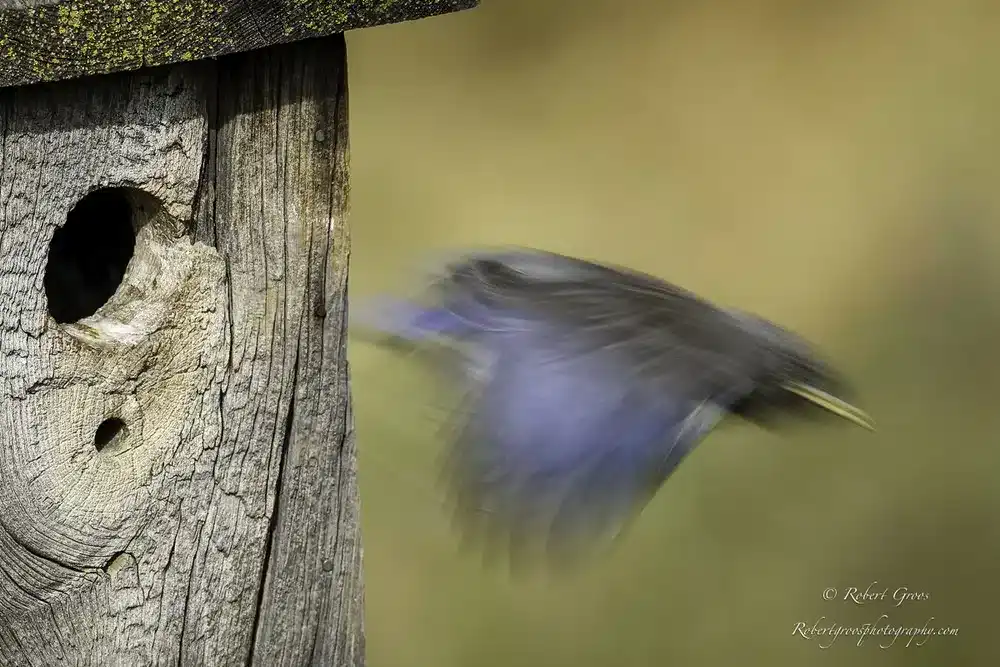
Have you ever watched a young bird take its first flight? That moment when fledglings leave nests is full of wonder and excitement.
But it’s more than just a cute scene—it’s a crucial step in their survival. You might be surprised to learn how this natural event shapes their future and what challenges they face right after leaving home. Stick with me, and you’ll discover why this stage matters so much—not just for birds, but for understanding growth and independence in life.
Ready to explore When Fledglings Leave Nests? Let’s dive in.

Credit: www.youtube.com
Fledgling Stage Basics
The fledgling stage is when young birds begin to leave the nest. This stage is important for their growth and learning.
During this time, fledglings develop key skills needed to survive on their own. They start exploring the world beyond the nest.
Defining Fledglings
Fledglings are young birds that have grown feathers and can leave the nest. They are not fully independent yet.
These birds still rely on their parents for food and protection while learning to fly and find food.
Key Developmental Changes
Fledglings grow stronger wings and learn to fly during this stage. Their feathers become fully developed.
They practice hunting or foraging and improve their balance and coordination skills.
- Feathers grow fully
- Flight muscles strengthen
- Learning to find food
- Improving balance and coordination
Typical Timeline
The fledgling stage usually starts a few weeks after hatching. It lasts until the bird can fly well and find food alone.
The exact length varies by species but often lasts from two to four weeks.
- Week 1-2: Feathers grow, first flights begin
- Week 3: More flying and food searching
- Week 4: Becoming independent from parents
Reasons For Leaving The Nest
Fledglings leave their nests for several important reasons. This step helps them grow and survive on their own.
Understanding why young birds leave the nest shows how nature helps them become independent.
Instinctual Behaviors
Fledglings have natural instincts that tell them when to leave the nest. These instincts help them learn to fly and find food.
Leaving the nest is part of their built-in behavior to grow stronger and survive in the wild.
Environmental Triggers
Changes in the environment can signal fledglings to leave the nest. Warm weather and daylight hours affect their timing.
Other triggers include food availability and safety from predators, which encourage young birds to explore outside.
- Warmer temperatures increase activity
- Longer daylight helps with flying practice
- More food means they can feed themselves
- Less danger encourages them to leave
Parental Encouragement
Parent birds play a big role in helping fledglings leave the nest. They teach flying skills and guide them to find food.
Parents may also reduce feeding to encourage young birds to try on their own. This helps fledglings become independent.
Challenges Faced By Young Birds
Young birds face many dangers after leaving their nests. They must learn to survive on their own quickly. This time is full of risks and tests for them.
Understanding these challenges helps us protect young birds better. They need care and safe environments to grow strong.
Predation Risks
Young birds are easy targets for many predators. They have limited flying skills and less experience hiding.
- Snakes often hunt young birds in low branches.
- Large birds like hawks may catch them in flight.
- Domestic cats are a common threat near homes.
- Foxes and other small mammals can attack nests or young birds on the ground.
Weather Hazards
Young birds face many weather dangers after leaving the nest. Rain, wind, and cold can harm them greatly.
| Weather Hazard | Effect on Young Birds |
| Heavy Rain | Soaking feathers, causing cold and weakness |
| Strong Wind | Difficulty flying and staying warm |
| Cold Temperatures | Lower body heat, risk of hypothermia |
| Heat | Risk of dehydration and overheating |
Finding Food
Young birds must find food alone after leaving the nest. This task is hard without adult help.
Here are some ways young birds find food:
- Watching adults catch insects or gather seeds.
- Pecking at the ground for worms or bugs.
- Trying to eat small fruits or berries.
- Learning which plants or insects are safe to eat.

Credit: masterofhort.com
Signs Of Healthy Fledglings
Fledglings are young birds learning to fly and survive outside the nest. Watching their signs helps us know if they are healthy and ready for the world.
Healthy fledglings show clear physical features and strong behaviors. These signs tell us they are growing well and can find food and protect themselves.
Physical Indicators
Physical signs tell a lot about a fledgling’s health. Look at their feathers, eyes, and body condition to check if they are strong.
- Bright, clean feathers without bald spots
- Clear and alert eyes
- Strong and steady wing muscles
- Good weight for their species and age
- Clean beak and legs without sores
Behavioral Cues
Behavior shows how fledglings handle their new skills and environment. Healthy fledglings act active and aware.
| Behavior | Meaning |
| Flapping wings often | Building muscle strength |
| Following parents or siblings | Learning to find food |
| Chirping loudly | Good energy and communication |
| Exploring nearby areas | Gaining confidence |
| Quick reactions to danger | Healthy alertness |
How Wildlife Lovers Can Help
Fledglings leave their nests as they learn to fly and survive. This time can be risky for young birds. Wildlife lovers can help protect them safely.
Knowing when to act and how to create safe spaces helps fledglings grow strong. Careful actions support nature without causing harm.
Licensed Rehabilitators clarify a long-standing myth: “You will not ‘contaminate’ a fledgling by touching it. Most birds have a very poor sense of smell and will not reject their baby just because a human moved it. If a fledgling is in the middle of a sidewalk or a cat’s path, it is perfectly safe to pick it up and move it to a nearby bush where it can hide while the parents continue to feed it.”
When To Intervene
Not every fledgling needs help. Many young birds stay on the ground while learning to fly. Parents watch closely and feed them.
Intervene only if the bird is hurt or in danger from pets or traffic. If it is cold or rainy, help may be needed.
- Look for visible injuries or bleeding
- Watch if parents return to feed the fledgling
- Check if the bird is in a risky place like roads or near pets
- Avoid moving healthy birds too soon
Creating Safe Habitats
Safe habitats give fledglings places to hide and learn. Plant native trees and shrubs that provide food and cover.
Keep your yard free from hazards like chemicals and loose wires. Place bird feeders and water sources at safe spots.
- Grow bushes with thick leaves for shelter
- Provide fresh water in shallow dishes
- Keep cats indoors or in enclosed areas
- Avoid using pesticides or herbicides
Avoiding Common Mistakes
Do not touch fledglings more than needed. Human scent does not scare birds, but excess handling stresses them.
Never put fledglings back in nests if they fell. Parents often leave the nest for safety. Let birds stay where they are safe.
- Avoid feeding wild birds by hand
- Do not keep birds as pets
- Keep pets away from young birds
- Contact wildlife experts if unsure how to help
Monitoring Fledgling Progress
Watching young birds grow outside the nest helps us understand their development. Careful tracking shows how they learn to survive on their own.
Monitoring also helps spot any problems early. It gives a clear picture of their health and behavior as they gain independence.
Tracking Growth
Measuring fledglings regularly shows how well they grow. Weight, wing length, and feather development are key signs of progress.
| Measurement | What to Check | Why It Matters |
| Weight | Regularly weigh the bird | Shows health and nutrition |
| Wing Length | Measure wing from base to tip | Indicates flight readiness |
| Feather Condition | Check for new feather growth | Reflects age and strength |
Noting Behavioral Milestones
Tracking actions gives clues about fledgling skills. Watching behavior helps predict their survival chances.
- First flights: Notice when fledglings take short flights.
- Feeding habits: Observe what and how they eat.
- Social interactions: Watch how they interact with siblings or parents.
- Vocalization: Listen for calls and songs as signs of communication.
Impact Of Human Activity
When young birds leave their nests, their survival can be affected by human actions. People change the land and environment around nests. These changes can make it hard for fledglings to find food and shelter.
Understanding how humans impact fledglings helps us protect them better. This article looks at two main areas: urbanization effects and conservation efforts.
Urbanization Effects
Urban areas grow quickly, taking over natural spaces. This growth changes the places where birds live and raise their young.
- Loss of natural habitats reduces safe nesting spots.
- Increased noise and light pollution confuse young birds.
- More cars and people raise the risk of accidents.
- Fewer trees and plants mean less food for fledglings.
These effects make it harder for fledglings to survive after leaving the nest.
Conservation Efforts
People work to help young birds by protecting their habitats and creating safe spaces. Conservation efforts focus on making the environment better for fledglings.
| Conservation Action | How It Helps Fledglings |
| Planting native trees | Provides shelter and food |
| Building birdhouses | Offers safe nesting spots |
| Creating quiet zones | Reduces noise stress |
| Educating the public | Promotes bird-friendly behavior |

Credit: www.sanluisobispo.com
Frequently Asked Questions
When Do Fledglings Typically Leave the Nest?
Fledglings usually leave the nest between 10 to 30 days after hatching. This timing varies by bird species and environmental conditions.
How Do Fledglings Learn to Fly After Leaving Nests?
Fledglings practice wing flapping and short flights near the nest. Parents guide them as they develop flight skills.
What Challenges Do Fledglings Face Post-Nest Departure?
Fledglings face predators, weather, and finding food. They rely on parents for protection and feeding during this stage.
How Can I Help Fledglings That Leave Nests Early?
Avoid handling fledglings unless injured. Keep pets away and observe quietly. Contact wildlife experts if necessary.
Conclusion
Watching fledglings leave their nests is a remarkable journey. It marks growth and new beginnings. Birds spread their wings, embracing the skies. This moment is significant in nature’s cycle. Young birds face challenges but gain independence. Parents watch proudly as they soar.
Every leap strengthens their survival skills. These experiences shape their future flights. Observing this teaches us resilience and courage. Nature’s lessons inspire and guide our own lives. So, next time you see a fledgling, remember their brave adventure. Appreciate the beauty and strength in their flight.
It’s truly a moment of wonder and inspiration.