When Do Birds Migrate — have you ever looked up and wondered why some birds suddenly disappear from your backyard? Understanding when birds migrate can change the way you see the seasons around you.
Knowing their migration times helps you connect with nature in a deeper way and even plan your outdoor activities better. You’ll discover the key moments when birds take flight and the surprising reasons behind their journeys. Stick with me, and you’ll never miss a chance to witness these incredible natural events.

Credit: birdcast.info
Migration Seasons
Bird migration happens when birds travel to find better places to live. They move to find food, warmer weather, or safe spots to raise babies during different bird migration seasons.
Birds usually migrate during two main times of the year. These times are called migration seasons.
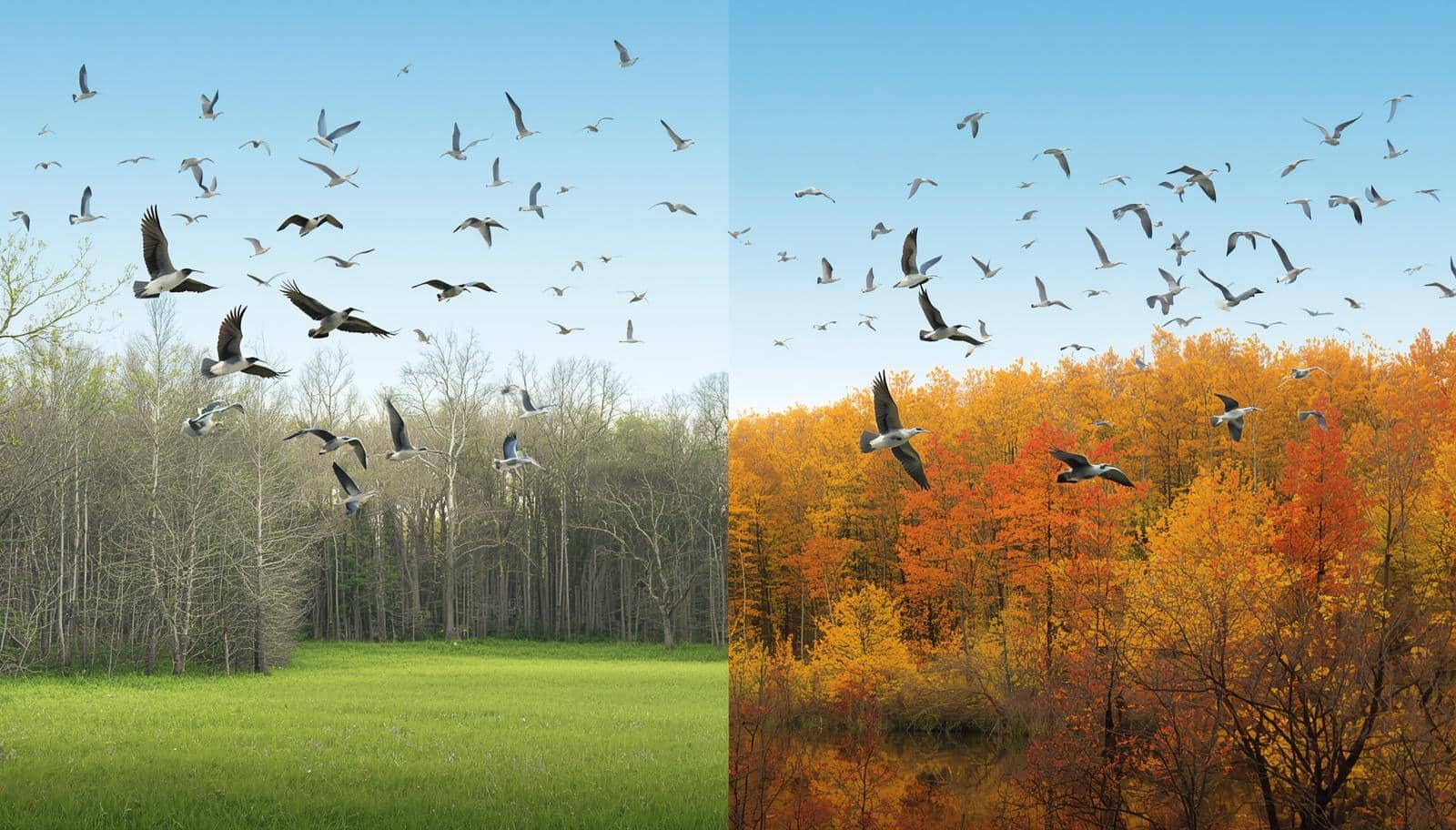
Spring Migration
Spring migration happens when birds fly back to their homes after winter. They return to places where they can find food and lay eggs as part of their bird migration timing.
Many birds travel long distances in spring. They use the warmer weather to find insects and plants to eat.
Fall Migration
Fall migration happens when birds leave their summer homes. They fly to warmer places to survive the cold winter.
During fall, birds gather food to build energy for their trip. They often fly at night to avoid predators.
Variations By Region
Migration timing changes depending on geography. Understanding when do birds migrate also depends on where the birds live.
Birds in northern regions migrate earlier
Tropical birds may migrate shorter distances
Mountain birds adjust migration based on snowfall
Coastal birds often follow shorelines
Bird migration timing is never identical across all regions.
Triggers For Migration
Bird migration happens because of many natural changes. These changes explain why birds migrate at certain times of the year.
Birds respond to signals in their environment to start their long journeys. Understanding these triggers helps us learn about their behavior.
Daylight Changes
Shorter or longer days tell birds when to migrate. Daylight affects their internal body clocks and hormones.
As days get shorter in autumn, many birds prepare to fly south. In spring, longer days signal them to return north.
Temperature Shifts
Temperature changes alert birds about the coming season. Cold weather makes food harder to find.
- Cold nights and frost mean time to leave
- Warm days in spring invite birds back
- Sudden drops in temperature speed migration
Food Availability
Birds need enough food to survive and breed. When food runs low, they must move to better places.
| Food Source | Effect on Migration |
| Insects | Decrease triggers early departure |
| Seeds | Scarcity leads to longer travel |
| Fruits | Abundance delays migration |
Migration Routes
Bird migration follows specific routes each year. These routes form predictable bird migration patterns used generation after generation.
Understanding migration routes reveals how birds use different landscapes and stopover spots along the way.
Flyways Explained
Flyways are large paths birds follow during migration. These paths cover thousands of miles across continents.
- Atlantic Flyway: along the east coast of North America
- Mississippi Flyway: through the central United States
- Pacific Flyway: along the west coast of the Americas
- Central Asian Flyway: across Asia and parts of Europe
- East Asian-Australasian Flyway: from Siberia to Australia
Land Vs. Sea Paths
Birds choose routes over land or sea depending on species and distance. Land paths offer more places to rest.
| Route Type | Advantages | Challenges |
| Land Paths | More food and shelter spots | Predators and human obstacles |
| Sea Paths | Shorter distances over water | Few resting places, weather risks |
Stopover Sites
Stopover sites are places where birds rest and eat during migration. These spots are vital for their survival.
- Wetlands provide food and water
- Forests offer shelter from predators
- Fields supply seeds and insects
- Coastal areas give access to fish and marine life

Credit: www.youtube.com
Bird Navigation Techniques
Birds travel long distances during migration. They use different ways to find their path. This helps them reach their destinations safely.
Understanding these techniques shows how smart birds are. They use natural cues from the earth and sky to guide them.
Magnetic Field Sensing
Birds sense the Earth’s magnetic field to know direction. This natural compass helps them fly straight even on cloudy days. They have special cells that detect magnetic signals.
Sun And Star Positioning
Birds use the sun during the day and stars at night to guide themselves. They remember the position of the sun and stars to keep their course. This method works well on clear days and nights.
- During the day, birds watch the sun’s position.
- At night, they use star patterns to find direction.
- They adjust their path as the sun or stars move across the sky.
Landmark Recognition
Birds recognize landmarks like rivers, mountains, and buildings. These help them confirm their location. Birds learn these features on their first trips and use them later.
| Type of Landmark | How Birds Use It |
| Rivers | Follow as natural paths |
| Mountains | Use as large guide points |
| Buildings | Help locate cities or resting spots |
Species-specific Patterns
Bird migration varies widely among species. Some travel thousands of miles, while others move shorter distances.
Understanding these patterns helps us learn how birds survive and adapt to changing seasons.
Long-distance Travelers
These birds fly very far between breeding and wintering grounds. They cross continents and oceans during migration.
Examples include the Arctic Tern and the Swainson’s Thrush. Their journeys can be over 10,000 miles.
Short-distance Movers
Short-distance movers travel only a few hundred miles. They usually move within the same country or region.
- American Robin moves south only a little.
- Dark-eyed Junco shifts to lower elevations in winter.
- Many sparrows stay within a few hundred miles of their homes.
Partial Migrants
Partial migrants have populations that migrate while others stay put. This depends on food and weather.
| Species | Migrates | Stays Year-Round |
| European Robin | In north Europe | In south Europe |
| Canada Goose | In northern areas | In southern areas |
| Blue Tit | Some Populations | Others |
Challenges During Migration
Migration is dangerous. Birds face many threats that make when do birds migrate a matter of survival.
Many factors make migration hard. Birds deal with weather, predators, and human effects. Each challenge tests their survival skills.
Weather Hazards
Birds face strong winds, heavy rains, and cold temperatures. Storms can blow them off course or cause exhaustion. Sudden weather changes can stop their flight.
- High winds make flying difficult and slow.
- Rain can soak feathers, causing birds to lose heat.
- Cold weather increases energy needs for warmth.
- Storms can force birds to land in unsafe places.
Predators
Birds are at risk of attack by predators during migration. Hawks, falcons, and other birds of prey hunt migrating birds. Ground predators can also attack during rest stops.
| Predator | Hunting Method | Risk Time |
| Hawks | High-speed dive attacks | During flight |
| Falcons | Quick chase and grab | During flight |
| Foxes | Ambush at resting spots | On ground |
| Snakes | Hide and strike at nests | On ground |
Human Impact
Human actions can harm migrating birds. Buildings, lights, and pollution cause many dangers. Birds may get confused or trapped by these hazards.
Common human impacts include:
- Collisions with tall buildings and towers
- Light pollution that disrupts navigation
- Loss of resting habitats due to land development
- Pollution poisoning water and food sources
Tracking Migration Today
Bird migration is a natural event where birds travel long distances. Scientists use new tools to track these journeys.
Tracking helps us understand when birds migrate and where they go. This knowledge protects birds and their habitats.
Satellite Tracking
Satellite tracking uses small devices attached to birds. These devices send signals to satellites in space.
Scientists get real-time data on bird locations and routes. This method works well for large birds that can carry the trackers.
Banding And Tagging
Banding means putting a small ring on a bird’s leg. Each ring has a unique code for identification.
Tagging uses small marks or devices on birds. When birds are found or caught again, scientists learn about their travel.
- Banding helps track bird lifespan and migration paths.
- Tagging shows stopover spots and migration speed.
- This method works for many bird sizes and types.
Citizen Science Contributions
People everywhere watch and record bird sightings. Their reports help track migration patterns over large areas.
Citizen scientists use apps and websites to share data. This teamwork gives scientists more information than ever before.
- Bird watchers note first and last migration dates.
- Data helps map bird routes and timing.
- Community input improves conservation efforts.
Credit: www.thecooldown.com
Frequently Asked Questions
When Do Most Birds Start Migrating?
Most birds begin migrating in early spring and late summer. They move to find food and suitable breeding areas. Migration timing depends on the species and location.
Why Do Birds Migrate at Specific Times?
Birds migrate based on daylight length, temperature, and food availability. These factors signal when to start traveling. It ensures their survival and reproductive success.
How Long Does Bird Migration Last?
Bird migration duration varies widely. Some birds travel for days, others for months. It depends on distance, weather, and species-specific habits.
What Triggers Birds to Migrate South?
Shorter daylight and cooler temperatures trigger migration south. Birds follow food sources and warmer climates for winter survival.
Conclusion
Bird migration is one of nature’s greatest wonders. Understanding when do birds migrate helps us connect with seasonal changes and wildlife behavior. Birds travel vast distances to survive, guided by instinct and environmental signals.
Each species follows its own migration schedule. Weather, food, and daylight shape their journeys. By learning when birds migrate, we gain respect for their resilience and the natural world.
So next time you see birds flying overhead, remember—you are witnessing one of Earth’s most incredible journeys.