Have you ever wondered why certain birds disappear as the seasons change? You’re about to discover which birds migrate to Africa and why this incredible journey matters.
Understanding these travelers can change how you see the skies above and connect you to nature in a whole new way. Keep reading to unlock the secrets of these amazing feathered explorers and learn what makes Africa the perfect stop on their long voyage.
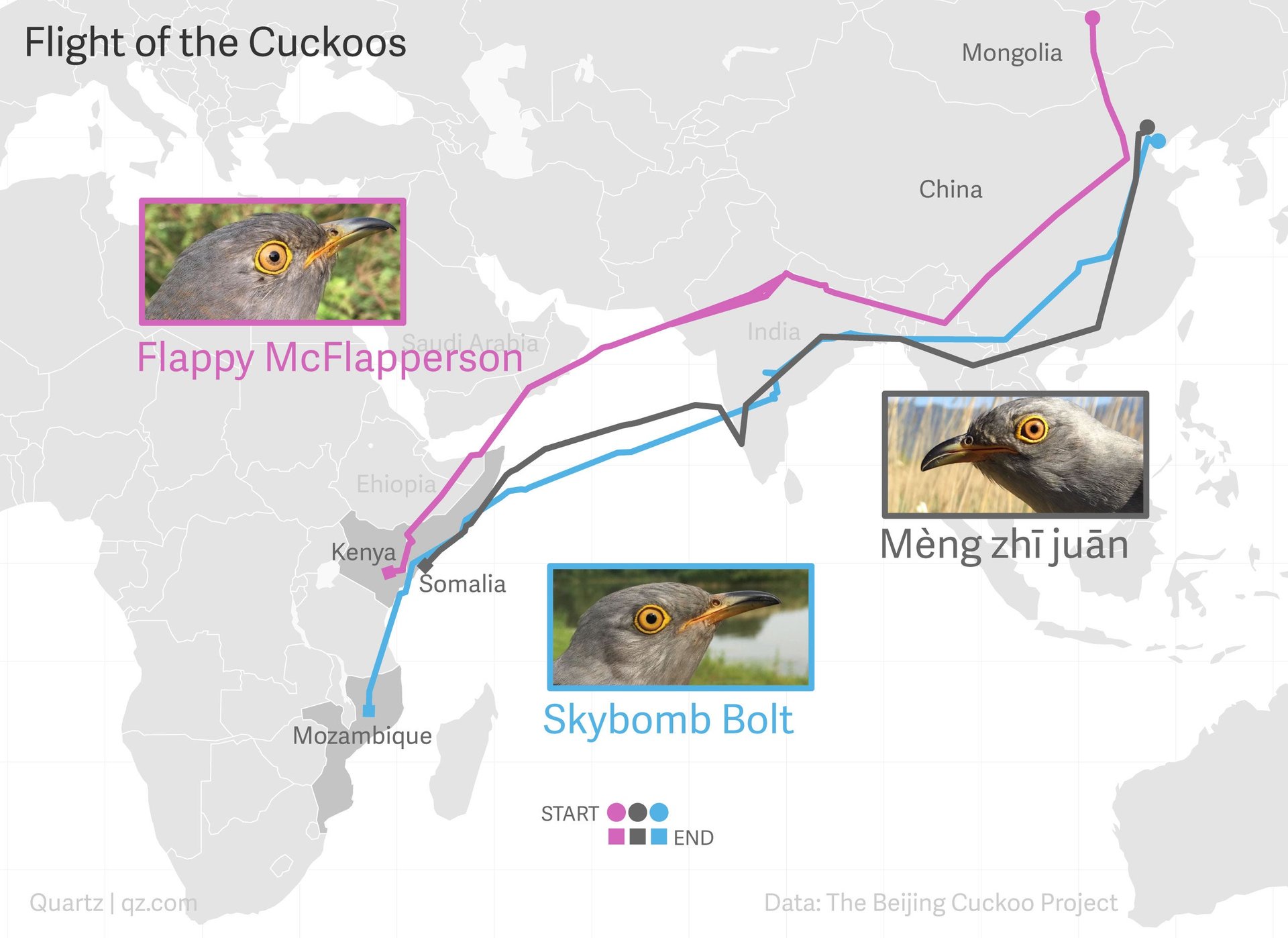
Credit: qz.com
Common Migratory Birds To Africa
Many birds travel long distances to Africa each year. They move to find food and warmer places during cold seasons.
Birds from Europe, Asia, and other parts of the world migrate to Africa. This helps them survive and raise their young.
Swallows And Martins
Swallows and martins are small birds with strong wings. They fly thousands of miles to reach Africa.
These birds eat insects while flying. They arrive in Africa from Europe and Asia in the fall.
- Barn Swallow
- Common House Martin
- Red-rumped Swallow
Storks And Cranes
Storks and cranes are large birds with long legs and necks. They migrate to Africa for better food and weather. Many migratory birds to Africa, such as storks, fly in large groups during their journey.
-
White Stork
-
Marabou Stork
-
Common Crane
Birds Of Prey
Birds of prey include hawks and eagles. They travel to Africa to hunt in warm places during winter.
These birds have sharp eyes and strong claws. They fly long distances across deserts and seas.
- Pallid Harrier
- Steppe Eagle
- European Honey Buzzard
Warblers And Flycatchers
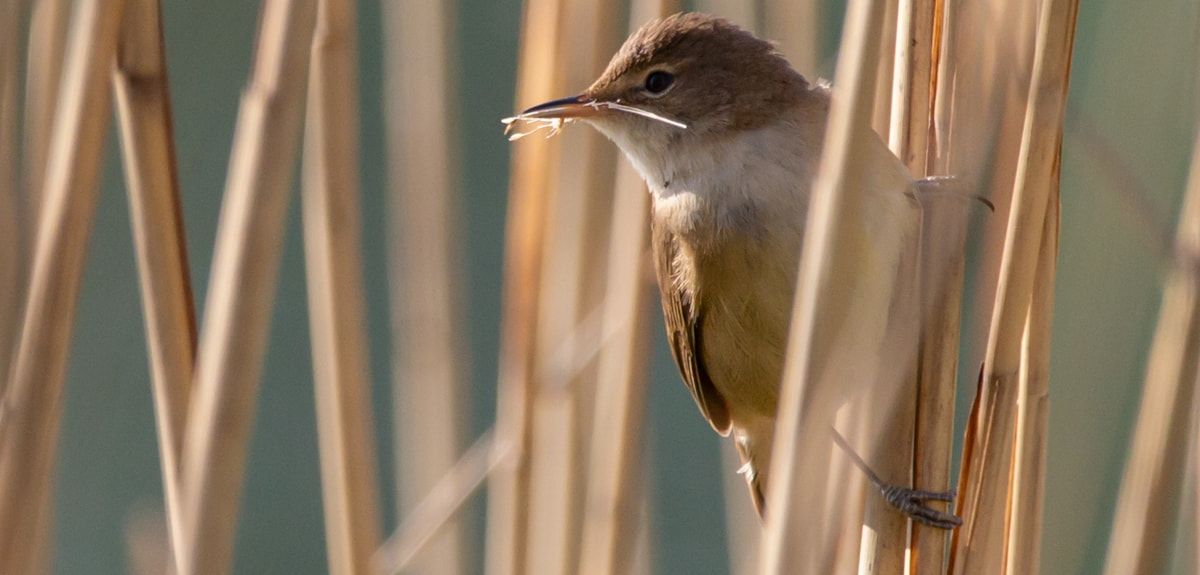
Warblers and flycatchers are small songbirds. They migrate to Africa to find insects and build nests.
These birds sing beautiful songs during spring and summer. They rest in forests and bushes in Africa.
- Willow Warbler
- Wood Warbler
- Spotted Flycatcher
Credit: www.ox.ac.uk
Migration Routes To Africa
Many birds migrate to Africa every year to find warmer weather and food. These migrations follow specific routes across continents.
Birds use natural landmarks like rivers and coasts to guide their journeys. Three main routes lead birds from Europe and Asia to Africa.
Western Flyway
The Western Flyway runs from northern Europe down the west coast of Africa. Birds follow this path across Spain and Morocco.
Many waterbirds and songbirds use this route. They cross the Strait of Gibraltar to reach Africa quickly.
- Common migrants: storks, swallows, and warblers
- Key stopovers: Spain, Morocco, Senegal
- Route highlights: crossing the Strait of Gibraltar
Eastern Flyway
The Eastern Flyway starts in eastern Europe and western Asia. Birds travel through Turkey and the Middle East to reach Africa. This route is favored by many birds migrating to Africa, specifically large species like raptors and cranes that avoid long sea crossings.
-
Common migrants: eagles, buzzards, and cranes
-
Key stopovers: Turkey, Egypt, Sudan
-
Route highlights: crossing the Sinai Peninsula
Central Flyway
The Central Flyway links central Europe to Africa through the Mediterranean Sea. Birds cross over Italy, Sicily, and Malta.
Songbirds and small birds use this route. They make short flights over the sea and rest on islands.
- Common migrants: nightingales, flycatchers, and thrushes
- Key stopovers: Italy, Sicily, Malta
- Route highlights: short sea crossings over the Mediterranean
Reasons For Migration
Many birds migrate to Africa each year. They travel long distances to find better living conditions. Migration helps birds survive and reproduce.
Birds move to Africa for several key reasons. These include changes in climate, the search for food, safe breeding places, and avoiding predators.
Climate And Food Availability
Birds migrate to Africa to escape cold weather. Africa offers warmer climates during the birds’ winter months. This helps birds keep their energy and stay healthy.
- Warmer temperatures help birds survive winter
- Food sources like insects and fruits are more plentiful
- Water is more available in many African regions
Breeding Grounds
Africa provides safe and suitable places for birds to breed. Many birds return to the same areas each year to nest and raise their young. The environment supports their breeding needs. Understanding bird migration to Africa helps researchers identify which habitats are most critical for these species.
| Bird Species | Preferred Breeding Area |
| Swallow | Wooded savannas |
| European Bee-eater | Riverbanks and sandy soil |
| Common Cuckoo | Open woodlands |
Avoiding Predators
Birds move to Africa to avoid predators found in their home areas. The new environment offers safer places to live. This lowers the risk of being hunted during migration and winter.
Birds use these methods to avoid predators:
- Flying in large groups for safety
- Choosing remote or hidden resting spots
- Timing migration to avoid predator peaks
Challenges Faced By Migratory Birds
Migratory birds travel thousands of miles to reach Africa. They face many challenges on their journey. These challenges affect their survival and ability to breed.
Understanding these challenges helps protect these birds and their habitats. Three main problems are habitat loss, climate change, and human interference.
Habitat Loss
Many bird habitats shrink due to farming, logging, and city growth. Loss of wetlands and forests reduces places to rest and feed. Birds struggle to find safe stops during migration.
- Wetlands drained for farming
- Forests cut down for wood
- Urban areas expanding
- Pollution harming plants and insects
Climate Change
Climate change changes weather patterns and seasons. Birds may arrive too early or late to find food. Extreme weather like storms can kill many birds during flight.
| Effect | Impact on Birds |
| Temperature Rise | Changes in migration timing |
| Rainfall Changes | Less food and water at stopovers |
| Storms and Winds | Physical harm and exhaustion |
Human Interference
Humans can harm migratory birds directly and indirectly. Hunting, pollution, and power lines cause injury or death. Noise and lights confuse birds at night. Many European birds migrating to Africa face significant threats from urban infrastructure during their passage.
Common Human Threats to Migratory Birds:
-
Illegal hunting and trapping
-
Collisions with buildings and wind turbines
-
Pollution of air, water, and soil
-
Disturbance from urban noise and lights
Conservation Efforts
Many birds migrate to Africa each year. These journeys are long and hard. Conservation efforts help protect these birds and their habitats.
Saving migratory birds requires teamwork. People, scientists, and governments work together to keep birds safe.
Protected Areas
Protected areas are special places where birds can rest and feed during migration. These areas keep habitats safe from harm.
National parks and reserves in Africa are important for many bird species. They provide safe homes and food sources.
- Wetlands for water birds
- Forests for songbirds
- Savannas for ground-nesting birds
- Coastal areas for shorebirds
Tracking And Research
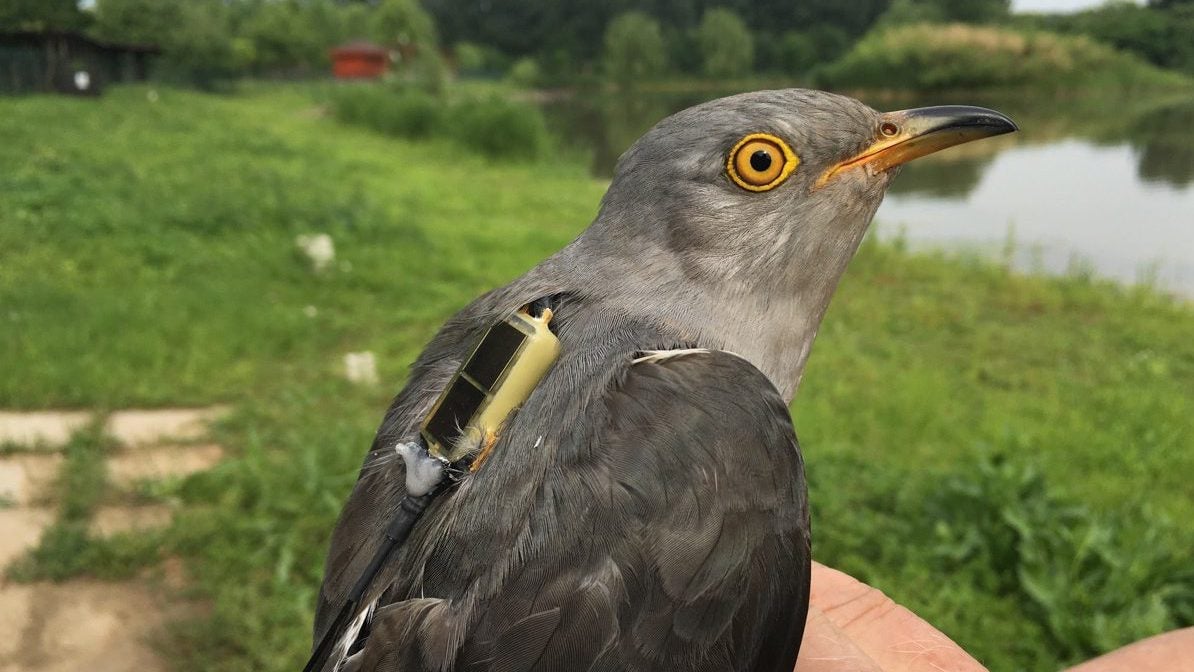
Scientists use tracking devices to follow birds’ migration routes. This helps understand where birds travel and stop.
Research shows which places are most important for the birds. This guides efforts to protect those sites.
- Satellite tags track long distances
- Banding helps identify individual birds
- Data helps improve conservation plans
Community Involvement
Local communities play a key role in bird conservation. They protect habitats and reduce threats like hunting.
Education programs teach people about the importance of migratory birds. Many join efforts to keep birds safe.
- Community patrols prevent illegal hunting
- Bird watching creates local income
- Schools promote bird-friendly actions
Notable Birdwatching Spots In Africa
Africa is home to many birds that migrate from other continents. These birds travel long distances to find food and better climates. Birdwatchers visit Africa to see these amazing travelers.
Some places in Africa are famous for birdwatching. These spots provide great habitats for many bird species. Let’s explore some of the best birdwatching areas in Africa.
The Rift Valley Lakes
The Rift Valley Lakes are a chain of lakes in East Africa. They attract many migrating birds like flamingos and pelicans. These lakes provide food and shelter during migration seasons.
Birdwatchers can see large flocks of birds here. The lakes offer great views of colorful species and rare birds. Many birds stop here to rest on their long journeys.
The Okavango Delta
The Okavango Delta is a large wetland in Botswana. It is a rich habitat for many migratory birds. Birds come here to find food and nest in the calm waters.
Visitors see species like herons, storks, and kingfishers. The delta’s wetlands make it a perfect place for water birds. It is a peaceful spot for birdwatching all year round.
The Sahara Desert Margins
The edges of the Sahara Desert are important stopovers for migrating birds. Birds travel across the desert and rest in these border areas. Here they find food and water before continuing. Species like wheatears and sandgrouse use this area. The desert margins are quiet places where birds can recover. When investigating which birds migrate to Africa, these desert edges offer a unique opportunity to see resilient travelers.
Credit: qz.com
Frequently Asked Questions
Which Bird Species Commonly Migrate To Africa?
Many species migrate to Africa, including swallows, storks, cuckoos, and bee-eaters. These birds travel for better climate and food.
Why Do Birds Migrate To Africa Annually?
Birds migrate to Africa to escape harsh winters and find abundant food and breeding grounds during the colder months.
When Do Birds Typically Start Migrating To Africa?
Migration to Africa usually begins in late summer and early autumn, aligning with changing weather and food availability.
How Far Do Birds Travel To Reach Africa?
Many birds travel thousands of miles, crossing continents and oceans to reach their safe, resource-rich African destinations.
Conclusion
Many birds travel long distances to Africa each year. They seek warmer weather and food. Species like swallows, storks, and warblers make this journey. Migration helps them survive tough seasons. Watching these birds can be exciting and educational. Understanding their routes shows nature’s amazing patterns.
Africa plays a key role in their life cycle. These migrations remind us how connected the world is. Bird migration to Africa is a natural wonder worth appreciating.