
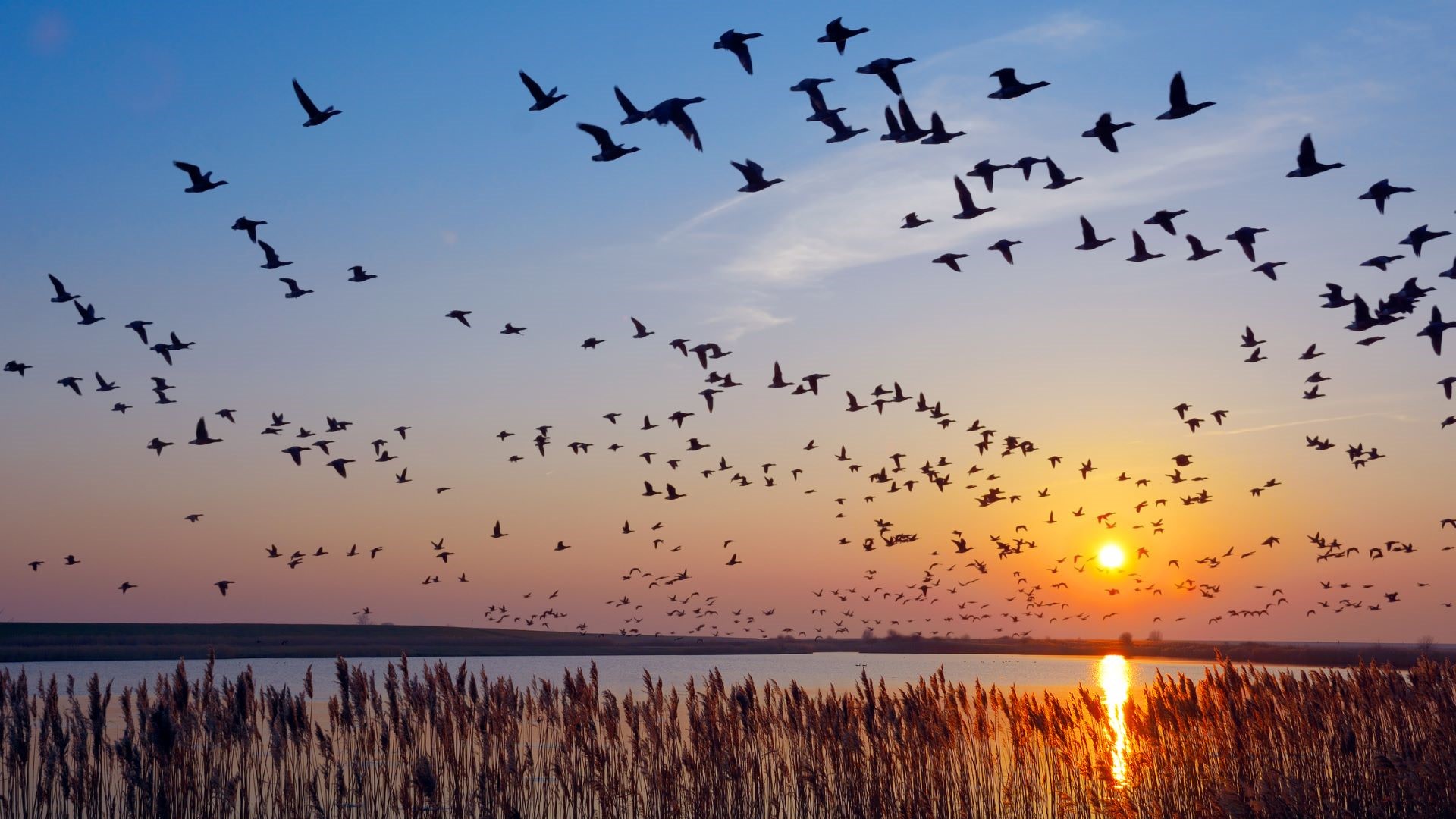
Bird Migration and Rainfall: How Weather Affects Birds
Have you ever wondered why some birds suddenly take off and vanish from your backyard? The secret often lies in something as simple as rainfall.
Bird migration and rainfall are closely connected, and understanding this link can change the way you see the natural world around you. You’ll discover how rain triggers amazing journeys across continents and what it means for the birds you love to watch.
Keep reading to unlock the surprising ways weather shapes bird behavior—and how you can spot these changes yourself.
Bird Migration Patterns
Bird migration is the regular movement of birds from one place to another. Many birds travel long distances to find food and better weather.
Migration affects bird life and the environment. Understanding these patterns helps us learn about nature.
Seasonal Routes
Birds follow specific routes each season. These routes connect their breeding and winter homes.
Routes often depend on geography and weather. Birds use landmarks like rivers and mountains to guide them.
- Spring routes lead to breeding areas
- Fall routes take birds to warmer places
- Some birds fly over oceans or deserts
Factors Influencing Migration
Many factors influence when and where birds migrate. Weather and food availability are key reasons for migration.
Rainfall affects food supply. More rain means more plants and insects for birds to eat. Less rain can cause birds to move earlier.
- Temperature changes guide timing
- Rainfall impacts food and water sources
- Day length signals when to start
Species-specific Journeys
Different bird species have unique migration journeys. Some travel short distances, while others fly thousands of miles.
Each species adapts to its environment and needs. Some birds migrate alone, and others travel in flocks.
- Swallows migrate from North America to South America
- Arctic terns fly from the Arctic to the Antarctic
- Some owls move only within local regions
Rainfall Cycles
Rainfall cycles play a big role in bird migration. Birds often move to find food and shelter during rainy seasons.
Understanding rainfall patterns helps predict where birds will travel. These cycles affect many parts of nature.
Monsoons And Regional Variations
Monsoons bring heavy rains at certain times of the year. They change depending on the region.
Birds follow these rains to find water and food. Different regions have different rain schedules.
- South Asia has strong monsoons from June to September
- Africa’s rainy season varies from region to region
- Australia’s wet season happens in summer months
Impact On Ecosystems
Rainfall cycles affect plants and insects, which birds eat. When rain comes, plants grow and insects hatch.
Birds migrate to places where food is available. Changes in rain can change the whole ecosystem.
- More rain means more food for birds
- Less rain can cause food shortages
- Timing of rain affects bird nesting and breeding
Rainfall Prediction Methods
Scientists use tools to predict rainfall patterns. These tools help understand when and where rain will fall.
Predictions help track bird migration and protect habitats. They use weather data and computer models.
- Satellite images show cloud movements
- Weather stations measure rain and temperature
- Computer models simulate future rainfall
Link Between Migration And Rainfall
Bird migration is closely tied to rainfall patterns. Rainfall affects many parts of a bird’s life cycle. It influences when birds move, what they eat, and where they breed.
Understanding the link between migration and rainfall helps us learn about bird behavior. It also shows how changes in climate can affect bird populations.
Timing Of Migration And Rainfall
Birds often time their migration to match rainfall patterns. They move to areas that have had recent rain. This ensures good conditions for food and shelter.
Rainfall can trigger the start of migration or delay it. Birds watch for these signals to decide the best time to travel.
Food Availability And Rainfall
Rainfall increases food availability for birds. After rain, insects and plants grow more. This provides birds with more food during migration.
- Rain helps insects hatch and multiply.
- Plants produce more seeds and fruits.
- Wet soil allows worms and other prey to surface.
- Water sources refill, supporting aquatic food chains.
Breeding And Rainfall Patterns
Birds time their breeding season with rainfall. Good rainfall means more food for their young. Many birds build nests and lay eggs soon after rains start.
| Breeding Factor | Effect of Rainfall |
| Nest Building | Rain signals safe time to start |
| Egg Laying | Occurs after rain increases food |
| Chick Survival | Higher when food and water are plenty |
| Migration Timing | Linked to rainfall for better breeding sites |
Credit: www.tamilnaduweatherman.in
Case Studies
Bird migration depends on many factors. Rainfall changes affect where and when birds travel. Scientists study different regions to learn how birds adapt.
This article looks at three case studies. These show how rainfall impacts bird migration in the Indian Subcontinent, Africa, and North America.
Migratory Birds In The Indian Subcontinent
In the Indian Subcontinent, many birds migrate to find food and water. Rainfall patterns change the availability of wetlands. Birds like the Bar-headed Goose fly to lakes that fill after the monsoon.
- Monsoon rains fill wetlands and rivers.
- Birds time their migration to match water availability.
- Drier years cause birds to move to different areas.
- Some species delay migration until rains arrive.
Rainfall Effects On African Bird Migrations
African birds rely on seasonal rains for breeding and food. Changes in rainfall affect their migration routes and timing. Some birds travel long distances to find new feeding grounds.
| Bird Species | Migration Trigger | Rainfall Impact |
| Wattled Crane | Start of rains | Wetlands expand, breeding areas increase |
| European Bee-eater | End of dry season | Insect availability rises with rain |
| Egyptian Goose | Flooding of rivers | New feeding sites appear |
North American Migration Shifts
In North America, rainfall changes affect migration timing and routes. Birds face droughts and floods that change food supplies. Many species now migrate earlier or later than before.
Key migration shifts include:
- Earlier spring arrivals in northern regions
- Shorter stopovers in drying wetlands
- Increased use of alternative routes due to drought
- Changes in wintering locations because of rainfall changes
Climate Change Impact
Bird migration depends on weather and seasons. Climate change changes these patterns worldwide.
Changes in rainfall affect food and water for birds during migration. This causes many problems.
Altered Rainfall Patterns
Rainfall becomes less predictable with climate change. Some areas get more rain, others less.
Birds rely on rainfall to find water and food. Changes can make stopover sites less useful.
- Dry areas lose water sources faster
- Wet areas may flood, harming plants and insects
- Unstable rain makes food scarce for migrating birds
Migration Disruptions
Birds use seasonal signs to know when to migrate. Climate change confuses these signals.
Delays or early migrations reduce survival chances. Birds may arrive before food is ready.
- Timing shifts cause mismatch with food availability
- Longer or shorter migration routes increase energy use
- New predators or competitors may appear in stopover areas
Ecologists define the failure: "The primary threat from shifting weather patterns is the Trophic Mismatch (or phenological mismatch). If primary cues like day length tell a bird it is time to migrate, but secondary cues like rainfall or temperature have already accelerated the peak of the insect or plant bloom, the bird may arrive too late. For instance, a warbler may arrive at its breeding grounds only to find that the peak availability of caterpillars, which its chicks rely on, has already passed, leading to high nest failure."
Adaptation Strategies
Birds try to change migration timing or routes to survive. Some succeed, others struggle.
Humans can help by protecting important habitats and water sources along routes.
- Preserve wetlands and forests used by migrating birds
- Monitor bird patterns to understand changes
- Reduce other threats like pollution and hunting
Credit: www.lemonde.fr
Conservation Efforts
Bird migration is closely linked to rainfall patterns. Birds depend on water and food found in wet areas during their journeys.
Protecting birds means protecting their habitats and understanding how rain affects their travel and survival.
Protecting Wetlands and Habitats
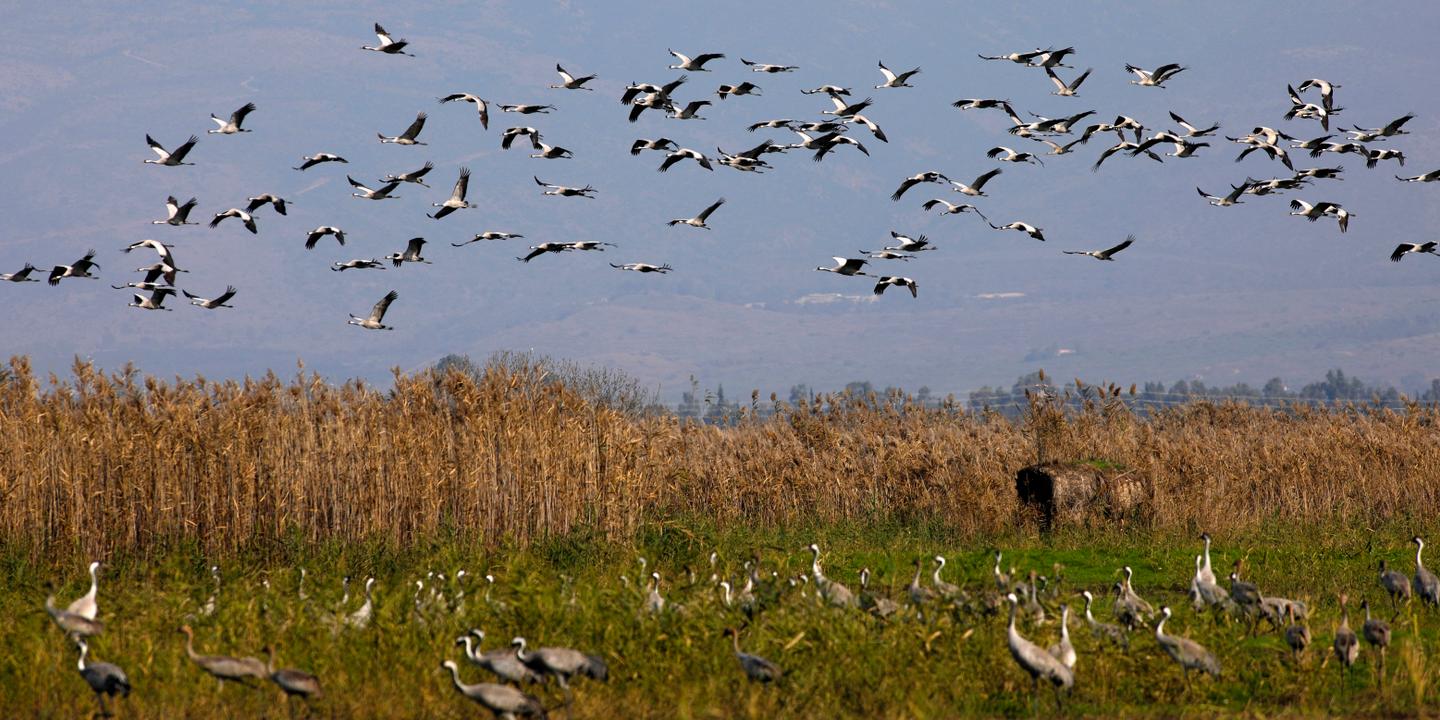
Wetlands are vital for many migrating birds. They provide resting spots and food during long flights.
Conservation efforts focus on keeping wetlands clean and safe from damage caused by pollution or construction.
- Preserve natural water flow in wetlands
- Limit development near important bird areas
- Restore damaged wetland habitats
Monitoring Migration and Rainfall
Scientists track bird migration routes and rainfall data to understand how birds respond to weather changes.
This information helps predict challenges birds face and guides conservation plans to protect them.
- Use satellite tracking to follow bird movements
- Collect rainfall data in key habitats
- Analyze patterns to support bird survival
Community Involvement
Local communities play a big role in protecting birds and their habitats. People can help by watching and reporting bird activity.
Education programs teach about the importance of rainfall and safe habitats for migrating birds.
- Join bird counting and monitoring projects
- Keep local wetlands clean and free of trash
- Share knowledge about bird protection with others

Credit: fox11online.com
Frequently Asked Questions
How Does Rainfall Influence Bird Migration Patterns?
Rainfall affects food availability and habitat conditions. Birds often migrate to areas with recent rainfall for better feeding. Rain also triggers insect emergence, attracting insectivorous birds. Thus, rainfall guides birds to optimal breeding and feeding sites during migration.
Why Do Birds Migrate During Rainy Seasons?
Rainy seasons provide abundant food and water resources. Migrating during these times ensures better survival and breeding success. Many birds time their migration to coincide with rainfall to exploit rich feeding grounds and favorable nesting conditions.
Can Changes in Rainfall Disrupt Bird Migration?
Yes, irregular rainfall can alter food availability and habitats. Unpredictable rain patterns may delay or redirect migration routes. This disruption can affect bird survival, breeding, and population dynamics.
What Role Does Rainfall Play in Bird Breeding Cycles?
Rainfall signals birds to start breeding by increasing food supply. It creates lush vegetation and insect populations essential for chick nourishment. Birds often time breeding to coincide with rainy periods for maximum offspring survival.
Conclusion
Bird migration connects directly with rainfall patterns. Birds follow rain for survival. They find food and nesting areas in rainy regions. Changes in rainfall affect their routes. Climate change plays a big role here. It disrupts usual patterns, causing confusion among birds.
Understanding this link helps us protect these creatures. We need to preserve their habitats. This ensures safe migration paths. Future generations can then witness this natural wonder. Let’s cherish and safeguard our shared environment. Birds and humans rely on it.
Together, we can make a positive impact.


