
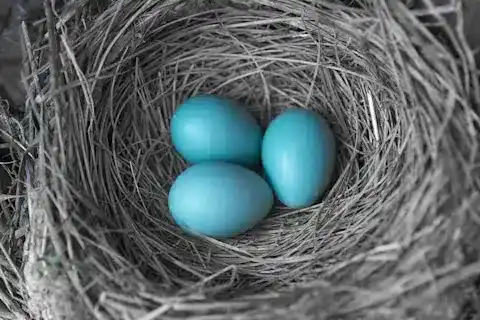
Have you ever spotted a bird’s nest and been surprised to see eggs that are bright blue? It’s a curious sight that can make you wonder, “What Birds Lay Blue Eggs?”
You’re not alone—these colorful eggs stand out in nature and hold fascinating secrets. You’ll discover which birds lay these stunning blue eggs and why. Get ready to uncover the surprising stories behind these unique eggs and learn how nature’s palette brings them to life. Keep reading—you won’t want to miss these colorful clues!
Birds With Blue Eggs
Many bird species lay eggs in different colors. Some birds lay eggs that are blue or blue-green. These eggs stand out because of their bright and unusual colors. Blue eggs are often strong and hard. The color comes from pigments that the mother bird adds during egg formation. Let’s learn about birds with blue eggs.
Common Blue-egg Layers
Some birds lay blue eggs regularly. These blue eggs birds are easy to spot in many regions. Their blue eggs help protect them from predators and the sun.
American Robin – famous for bright blue eggs
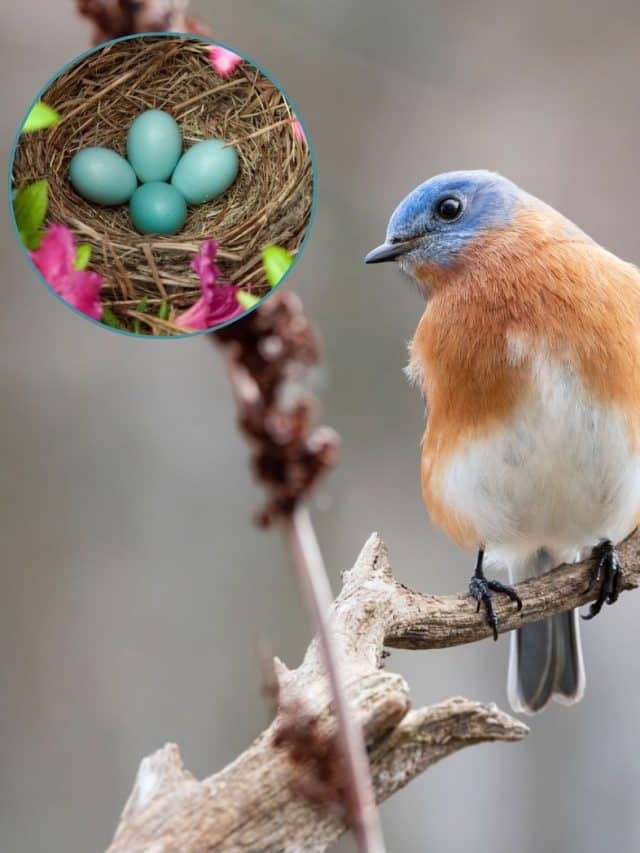
Eastern Bluebird – lays pale blue eggs
Common Starling – their eggs are light blue-green
House Finch – sometimes lays blue-green eggs
Blue Jay – lays blue to pale blue eggs
Rare Blue-egg Species
Some birds with blue eggs are rare or live in special habitats. Their blue eggs can be darker or have spots. These species are less known but very interesting.
- Kea – a rare New Zealand parrot with blue-green eggs
- Pacific Robin – lays pale blue eggs in remote islands
- Blue-winged Pitta – lays bright blue eggs in Asia
- Gouldian Finch – lays sky blue eggs in Australia
- Ribbon-tailed Astrapia – a rare bird of paradise with blue eggs
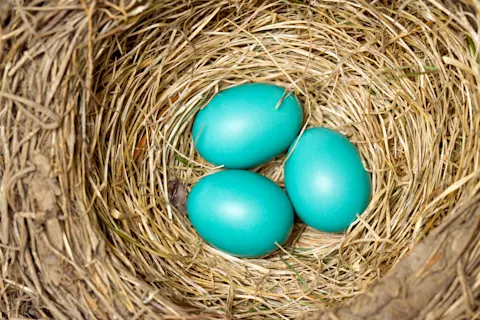
Credit: www.discovermagazine.com
Why Eggs Are Blue
Some birds lay blue eggs instead of the usual white or brown ones. These blue eggs look bright and beautiful in nests. Scientists studied why do birds lay blue eggs and found interesting reasons behind their color.
Pigments Behind The Color
The blue color in eggs comes from special pigments. The main pigment is called biliverdin.
Biliverdin is a green-blue pigment that birds add to the eggshell when it forms. It mixes with the shell’s calcium carbonate.
- Biliverdin gives eggs their blue or greenish color
- Its amount controls how dark or light the egg looks
- Other pigments make brown or speckled eggs
Evolutionary Benefits
Blue eggs help birds in many ways to survive and raise chicks. The color can protect eggs from sun damage.
The blue color also helps eggs blend with their environment. This makes it harder for predators to find the eggs.
- Blue eggs absorb less heat, keeping chicks safe
- They are harder for predators to see in some nests
- Color may signal strong, healthy parents
Famous Birds Known For Blue Eggs
Some birds lay eggs that are blue in color. These eggs stand out in nests because of their bright blue shade. Many people find these blue eggs very beautiful and interesting.
We will look at three famous birds that lay blue eggs. Each bird has unique features and habits related to their eggs.
American Robin
The American Robin is well-known for its bright blue eggs. American Robin blue eggs are usually smooth and shiny. The robin’s nest is often found on tree branches or ledges. Robins lay about 3 to 5 eggs at a time. The blue color helps protect the eggs from sunlight and birds can see them easily.
Eastern Bluebird
Eastern Bluebirds also lay blue eggs. Their eggs are lighter blue than robin eggs. Bluebirds build nests in tree holes or birdhouses.
They usually lay 4 to 5 eggs. The blue color helps the parents find the eggs quickly in the nest.
Starlings
Starlings are common birds that sometimes lay blue eggs. Their eggs can have spots or be plain blue. Starlings often use holes in trees or buildings for nests.
They lay about 4 to 6 eggs. Blue eggs help keep the eggs hidden from predators in some cases.

Credit: www.birdfy.com
Habitat And Nesting Habits
Birds with blue eggs often choose habitats that suit their nesting needs. Their homes provide safety and good conditions for raising chicks. Understanding where these birds live and how they build nests helps us learn more about their behavior and survival.
Preferred Environments
Many blue-egg laying birds prefer wooded areas and open fields. They choose places that offer cover and easy access to food.
- Woodlands with dense trees
- Shrubby areas near water
- Grasslands with scattered bushes
- Urban parks with mature trees
- Coastal regions with natural vegetation
Nest Construction
Birds that lay blue eggs build nests using materials found nearby. The nest style and location vary by species.
| Bird Species | Materials Used | Nesting Location |
|---|---|---|
| American Robin | Grass, mud, twigs | Tree branches or shrubs |
| Eastern Bluebird | Grass, pine needles | Hollow tree cavities or nest boxes |
| Blue Jay | Twigs, leaves, moss | High tree branches |
| Steller’s Jay | Twigs, bark strips | Conifer trees |
Egg Appearance and Patterns
Many blue eggs birds lay eggs with unique colors and designs. These eggs come in different shades and patterns. The blue color helps protect the eggs in different ways. Birds such as robins and blue jays are known for their blue eggs. The patterns on the eggs can tell us about the bird species and their environment.
Variations In Blue Shades
Blue eggs vary from pale blue to deep turquoise. The exact shade depends on the bird species and genetics. Some eggs have a soft, almost pastel blue, while others are bright and bold.
The blue color comes from pigments in the eggshell. These pigments can create different effects, like a smooth color or a slightly cloudy look.
- American Robin eggs are light blue with a smooth finish.
- Blue Jay eggs are pale blue with a slight shine.
- Starlings lay turquoise blue eggs with a matte surface.
Speckles And Markings
Many blue eggs have speckles or markings on their shells. These spots come in colors like brown, black, or gray. The patterns help camouflage the eggs from predators.
Speckles can be small dots or larger blotches. Some eggs have a few spots, while others are heavily marked. The markings also vary by bird species.
- Robin eggs often have few or no speckles.
- Song Thrush eggs have many dark spots.
- Blue Tit eggs show light speckles in gray or brown.
Credit: www.moneycontrol.com
Caring For Blue Eggs
Many birds lay blue eggs, including robins and blue jays. These eggs are delicate and need special care to hatch healthy chicks.
Proper care involves keeping the eggs safe, warm, and clean. Understanding the incubation and parental roles helps in caring for these eggs.
Incubation Periods
The incubation period is the time eggs need to develop before hatching. For blue eggs, this varies by bird species.
Robins usually incubate their blue eggs for about 12 to 14 days. Blue jays take around 16 to 18 days.
- American Robin: 12-14 days
- Blue Jay: 16-18 days
- Eastern Bluebird: 12-14 days
Parental Roles
Both parents often share care duties for blue eggs. They keep the eggs warm and safe from predators.
Usually, the female sits on the eggs most of the time. The male brings food and guards the nest.
- Female: incubates eggs, keeps them warm
- Male: provides food, watches for danger
- Both parents: clean the nest and protect eggs
Blue Eggs In Culture And Symbolism
Blue eggs have fascinated people for centuries. Their unusual color makes them stand out in nature.
Many cultures see blue eggs as symbols of mystery and hope. They often appear in stories and art.
Folklore And Myths
In some cultures, blue eggs are thought to bring good luck. They symbolize new beginnings and protection.
- In Native American tales, blue eggs represent the sky and water spirits.
- Some European myths say blue eggs come from magical birds that guard treasure.
- In Asia, blue eggs symbolize peace and harmony in family life.
Art And Literature
Blue eggs often appear in paintings and poems. Artists use them to show beauty and rarity.
| Art Form | Meaning of Blue Eggs |
| Paintings | Symbolize life and rebirth |
| Poetry | Represent hope and dreams |
| Folklore Stories | Show mystery and magic |
| Decorative Crafts | Used to bring good luck |
Frequently Asked Questions
Which Birds Commonly Lay Blue Eggs?
Bird species like Eastern Bluebirds, American Robins, and Starlings often lay blue eggs. Their eggs range from pale to vibrant blue. The blue color helps camouflage eggs in nests, protecting them from predators. This trait is common in birds that nest in open or partially concealed locations.
Why Do Some Birds Lay Blue Eggs?
Blue eggshells contain biliverdin pigment, which gives the blue hue. This pigment may protect eggs from harmful UV rays. Blue eggs can also signal egg quality to mates. The color provides camouflage and may help regulate temperature inside the egg during incubation.
Do All Blue Eggs Come From The Same Bird Species?
No, multiple bird species lay blue eggs. Examples include the Eastern Bluebird, American Robin, and some Thrush species. Each species has distinct egg shades and patterns. Blue eggs are found in both wild and domesticated birds like certain chicken breeds.
Are Blue Eggs Stronger Than Other Eggs?
Blue eggshells are not necessarily stronger than white or brown eggshells. Eggshell strength depends on calcium content, not color. The blue pigment does not affect shell durability. All eggs require proper incubation and care for successful hatching.
Conclusion
Blue eggs are a nature’s wonder. Many bird species lay them. Robins, bluebirds, and starlings are common examples. These vibrant eggs fascinate bird enthusiasts. They add color to nests and landscapes. Observing them can be a rewarding experience. Next time you spot a blue egg, identify the bird.
Appreciate the diversity in nature. This knowledge enriches your bird-watching adventures. Understanding these birds deepens your connection with nature. So, keep an eye out for these colorful eggs. They hold beauty and mystery. Enjoy the journey of discovery in your own backyard



