Have you ever wondered why bird eggs come in so many different sizes? From tiny hummingbird eggs to giant ostrich eggs, the variety is fascinating—and it says a lot about the birds themselves.
Understanding bird egg size can give you surprising insights into their habits, habitats, and survival strategies. Keep reading, and you’ll discover how these differences affect the lives of birds and what makes each egg uniquely important. Your curiosity about nature is about to get a fresh boost!

Credit: www.birdfy.com
Egg Size Variations
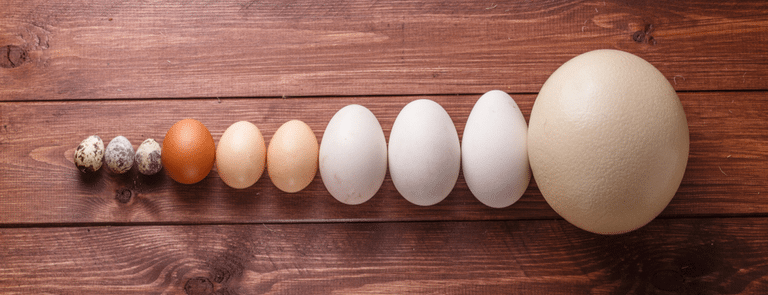
Bird eggs come in many different sizes. The size depends on the bird species.
Egg size helps protect the baby bird inside. It also fits the bird’s body size.
Smallest Bird Eggs
The smallest bird eggs belong to hummingbirds. These eggs are tiny and light.
Hummingbird eggs are about the size of a pea. They can be less than 1 centimeter long.
- Size: 0.7 to 1.3 cm (0.3 to 0.5 inches)
- Weight: around 1 gram
- Bird: Ruby-throated Hummingbird
Largest Bird Eggs
The largest bird eggs come from ostriches. These eggs are very big and heavy.
An ostrich egg can be about 15 cm long and weigh over 1.4 kg. That is like two dozen chicken eggs.
- Size: about 15 cm (6 inches)
- Weight: 1.4 to 2 kg (3 to 4 pounds)
- Bird: Ostrich
Comparing Egg Sizes Across Species
Egg sizes vary greatly between small and large birds. Size matches the bird’s body size.
Smaller birds lay tiny eggs. Larger birds produce bigger eggs to support growth.
| Bird Species | Egg Size (cm) | Egg Weight (grams) |
|---|---|---|
| Ruby-throated Hummingbird | 0.7 - 1.3 | 1 |
| House Sparrow | 2.3 - 2.8 | 2 - 3 |
| Chicken | 5.7 - 6.2 | 50 - 60 |
| Duck | 5.7 - 7.6 | 70 - 90 |
| Ostrich | 15 | 1400 - 2000 |
Factors Influencing Egg Size
Bird egg size varies widely across species. Many factors influence how large or small eggs grow.
These factors include the bird's body size, the environment, and where the eggs are laid.
Bird Size And Egg Dimensions
Generally, larger birds lay bigger eggs. The egg size often matches the bird's body size.
Small birds have small eggs that fit their nests and bodies. Big birds produce larger eggs for their young.
- Large birds like eagles lay big eggs
- Small birds like finches lay tiny eggs
- Egg shape can also change with bird size
Environmental Impacts
Climate and habitat affect egg size. Birds in colder areas may lay bigger eggs.
Food availability and temperature also change egg size. Birds adjust to survive in their surroundings.
- Cold climates lead to larger eggs for warmth
- Food-rich areas support bigger eggs
- Harsh environments cause smaller eggs to save energy
Nesting Habits And Egg Size
The place birds build nests influences egg size. Eggs need to fit well in the nest.
Birds that nest in hidden spots might lay smaller eggs. Open nesters often have larger eggs.
- Burrow nesters lay small, round eggs
- Tree nesters lay larger, oval eggs
- Ground nesters balance egg size for safety and warmth
Egg Shape And Texture
Bird eggs come in many shapes and textures. These features help protect the egg and support the growing chick inside.
The shape and surface of an egg vary by bird species. Each design serves a specific purpose in nature.
Common Egg Shapes
Egg shapes range from round to pointed. The shape affects how eggs roll and stay safe in nests.
- Round eggs: Usually found in birds that nest in trees.
- Oval eggs: Common in many songbirds and waterfowl.
- Pointed eggs: Help prevent rolling in cliff-nesting birds.
- Elliptical eggs: Seen in some shorebirds and seabirds.
Surface Patterns And Colors
Eggs show many colors and patterns. These help hide eggs from predators or signal health.
| Pattern Type | Description | Purpose |
| Speckled | Small spots scattered on the shell | Camouflage in nests with debris |
| Solid Color | Uniform color over the entire egg | Blends with nest surroundings |
| Blotched | Larger irregular patches of color | Breaks up egg outline from predators |
| Glossy | Shiny, smooth surface | Helps prevent dirt and moisture build-up |
Adaptations For Survival
Egg shape and texture help eggs survive in different environments. Some features reduce damage or water loss.
Key adaptations include:
- Thick shells for protection in harsh habitats
- Porous textures allowing air flow for embryo breathing
- Pointed ends to stop eggs from rolling off cliffs
- Color patterns that blend with the surroundings
Egg Development And Growth
Bird eggs vary in size and shape, but all go through a similar development process. This process starts inside the bird and continues until the chick hatches.
Understanding egg development helps us learn about bird growth and survival. The size of the egg affects how the embryo grows inside it.
Formation Inside The Bird
Eggs form inside the bird's body, in a part called the oviduct. The yolk grows first, followed by layers of egg white and shell.
The shell protects the egg and keeps it safe. The egg gets its color and texture during this formation stage.
Incubation Periods
The incubation period is the time the bird keeps the egg warm. This helps the embryo grow inside the egg.
Different bird species have different incubation times. Smaller eggs usually hatch faster than larger ones.
- Small songbirds: about 11-14 days
- Medium-sized birds: around 20-30 days
- Large birds: can be 40 days or more
Growth Rate Of Embryos
The embryo grows quickly inside the egg. It uses the yolk for food and energy during growth.
Growth speed depends on the egg size and temperature. Warm eggs help embryos develop faster and stronger.
Record-breaking Eggs
Bird eggs come in many shapes and sizes. Some eggs are tiny, while others are huge. This article looks at the biggest and heaviest eggs ever found.
We will also explore some unusual egg discoveries that surprised scientists and bird watchers.
Largest Egg Ever Laid
The largest egg ever laid by a bird is from the extinct elephant bird. These eggs were huge, much bigger than any egg laid today.
Elephant bird eggs could be over 30 centimeters long and have a volume around 160 times that of a chicken egg.
Heaviest Eggs
The heaviest eggs today come from the ostrich. Ostrich eggs are very heavy and strong compared to other bird eggs.
| Bird | Average Egg Weight (grams) | Egg Length (cm) |
| Ostrich | 1,400 | 15 |
| Emu | 450 | 13 |
| Elephant Bird (extinct) | 9,000+ | 30+ |
Unusual Egg Discoveries
Some bird eggs have strange features. Here are some unusual egg facts that stand out.
- Some bird eggs are colored bright blue or green for camouflage.
- The kiwi bird lays an egg that is very large compared to its body size.
- Sea birds often lay eggs with rough shells to stop them from rolling off cliffs.
- Rare cases show eggs with double yolks or abnormal shapes.
Egg Size And Bird Behavior
Bird egg size varies across species and affects their behavior. Big eggs often mean more energy is needed to care for them. Small eggs can be easier to hide but may need more eggs to ensure survival.
Understanding egg size helps explain how birds act during nesting, mating, and protecting their young. The size impacts many parts of a bird’s life cycle.
Parental Care Strategies
Birds with large eggs usually spend more time and effort in care. They keep the eggs warm and safe until they hatch. Birds with smaller eggs often lay more eggs but may provide less care for each one.
- Large eggs need longer incubation.
- Parents protect big eggs carefully.
- Small eggs allow more offspring at once.
- Care strategies depend on egg size and environment.
Egg Predation And Defense
Egg size can attract predators or help eggs blend in. Birds use different defense tactics based on how big their eggs are. Some build hidden nests, others stay close to guard their eggs.
| Egg Size | Defense Method | Effectiveness |
| Large | Strong parental guarding | High |
| Medium | Camouflaged nests | Medium |
| Small | Many eggs in hidden spots | Variable |
Mating And Egg Production
Egg size links to mating choices and how many eggs birds lay. Larger eggs mean fewer eggs but often better chances for chicks. Smaller eggs allow birds to lay many eggs but may need more mates or time to raise them.
Here are common patterns connecting egg size, mating, and egg production:
- Large eggs: fewer eggs, strong pair bonds
- Medium eggs: moderate egg count, flexible mating
- Small eggs: many eggs, sometimes multiple mates
Human Interaction With Bird Eggs
Bird eggs have long attracted human attention. People collect, study, and use eggs in many ways. These actions affect both birds and humans.
Understanding how humans interact with bird eggs helps us protect nature. It also shows how eggs influence culture and science.
Egg Collection And Conservation
Collecting bird eggs was once common for hobbies and trade. Today, many countries protect eggs by law. Collecting eggs can harm bird populations.
- Illegal egg collecting threatens rare species
- Conservation groups monitor nests to protect eggs
- Some eggs are collected for education and museums
- Artificial nests help birds lay eggs safely
Cultural Significance
Bird eggs hold meaning in many cultures. They symbolize new life, fertility, and rebirth. People use eggs in art, food, and rituals.
| Culture | Use of Bird Eggs | Meaning |
| Native American | Eggshell beads | Spiritual connection |
| Eastern Europe | Decorated eggs | Spring and renewal |
| Australia Aboriginal | Food source | Survival and tradition |
Scientific Research And Studies
Scientists study bird eggs to learn about species and environments. Egg size can show bird health and habitat quality. Research helps protect birds worldwide.
Common research topics include:
- Eggshell composition and strength
- Incubation behavior and temperature
- Effects of pollution on egg development
- Evolution of egg size and shape

Credit: www.birdfy.com

Credit: www.birdfy.com
Frequently Asked Questions
What determines the size of bird eggs?
Egg size depends on species, genetics, body size, nutrition, and environmental conditions.
Which bird lays the largest eggs?
The Ostrich lays the largest eggs, weighing up to about 1.4 kg.
Why do some birds lay smaller eggs?
Smaller birds lay smaller eggs to conserve energy and allow faster hatching.
How does egg size affect bird reproduction?
Larger eggs provide more nutrients for stronger chicks but require more energy and care from the parent.
Conclusion
Bird egg sizes vary greatly in nature. From tiny hummingbirds to large ostriches, each egg size tells a story. It reflects the bird's habitat, diet, and survival strategies. Understanding these differences deepens our appreciation for birds. Each egg is a marvel of adaptation.
A small window into the wonders of nature. So next time you see a bird's egg, think of its journey. The unique challenges it faces. And the world it will soon explore. Bird eggs are more than just shells. They are nature's promise of new life.