Have you ever wondered how bird parents keep their eggs warm and safe until the baby birds are ready to hatch? Bird egg brooding is a fascinating process that shows just how dedicated these creatures are to their offspring.
Understanding brooding not only reveals the secrets of nature’s care but also connects you to the incredible world of birds in a way you might never have imagined. Keep reading, and you’ll discover surprising facts that will change the way you see bird families forever.
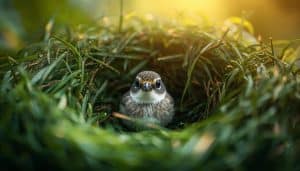
Credit: www.shutterstock.com
Brooding Basics
Bird egg brooding is the process where parent birds keep their eggs warm. This helps the eggs develop and hatch properly.
Good brooding increases the chance that chicks will survive after hatching.
Role Of The Brooding Parent
The brooding parent sits on the eggs to keep them warm. This is called incubation.
The parent also turns the eggs often. This stops the embryo from sticking to the shell.
- Keeps eggs warm and safe
- Turns eggs regularly
- Protects eggs from predators
- Removes eggshell debris
Ideal Brooding Environment
The brooding area should be quiet and calm. It must protect eggs from strong wind and rain.
Soft bedding helps keep eggs stable and clean. The space must be safe from animals that may harm the eggs.
- Quiet and calm space
- Protected from wind and rain
- Soft, clean bedding
- Free from predators
Temperature And Humidity Control
Eggs need steady warmth for good growth. Most bird eggs hatch well at 99 to 102 degrees Fahrenheit.
Humidity must stay balanced. Too dry or too wet air can harm the developing chicks.
| Condition | Recommended Level |
|---|---|
| Temperature | 99°F to 102°F (37°C to 39°C) |
| Humidity | 40% to 60% |
Preparing The Nest
Bird egg brooding needs a well-prepared nest. The nest keeps eggs safe and warm.
Good nesting helps baby birds grow strong. Let’s learn how to prepare the nest.
Choosing The Right Nesting Material
Pick soft and natural materials for the nest. These keep eggs cozy and protected.
Use things like dry grass, leaves, and feathers. Avoid sharp or hard items.
- Dry grass and straw
- Soft feathers
- Leaves and moss
- Small twigs for structure
Nest Placement Tips
Place the nest in a quiet, safe spot. It should be hidden from predators and harsh weather.
Choose a location with some shade. Avoid areas with strong wind or heavy rain.
- Use branches or shrubs for cover
- Keep nests away from busy paths
- Place nests off the ground
- Check for good drainage to avoid water
Cleaning And Maintenance
Keep the nest clean to protect eggs and chicks. Remove old or dirty material often.
Check the nest regularly for damage. Replace materials if they get wet or broken.
- Remove old feathers and droppings
- Replace wet or moldy materials
- Fix broken twigs or structure
- Keep the nest dry and fresh
Egg Care
Taking care of bird eggs is very important for healthy chicks. Proper care helps eggs develop well.
Good egg care means handling eggs safely, turning them, and knowing if they are fertile.
Handling Eggs Safely
Always wash your hands before touching eggs. Dirt and oils can harm the eggshell and embryo.
Hold eggs gently and avoid shaking them. Rough handling can damage the inside of the egg.
- Use clean hands or gloves.
- Hold eggs with both hands.
- Do not squeeze or drop eggs.
- Keep eggs at a steady temperature.
Turning Eggs Properly
Turning eggs is key to help the embryo grow evenly. Turn eggs at least three times daily.
- Mark one side of the egg with a pencil.
- Turn the eggs gently to the opposite side.
- Repeat the process every 8 hours.
- Stop turning eggs three days before hatching.
Recognizing Fertile Eggs
Fertile eggs can develop into chicks. You can check fertility by candling the eggs.
| Sign | Description |
|---|---|
| Veins | Look for red veins forming inside the egg after 4-7 days. |
| Dark Spot | A small dark spot shows the embryo development. |
| Clear Egg | No veins or dark spots mean the egg is not fertile. |
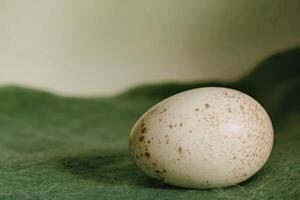
Credit: www.vecteezy.com
Monitoring Development
Watching bird eggs during brooding helps ensure healthy growth. Careful checks reveal if embryos develop well.
Regular monitoring helps catch problems early. It guides how to care for eggs properly.
Candling Techniques
Candling shines a light through eggs to see inside. It shows embryo growth and health.
- Use a bright flashlight in a dark room
- Hold the egg gently against the light
- Look for clear veins and movement inside
- Check eggs every few days to track progress
- Avoid shaking or warming eggs too much
Signs Of Healthy Embryos
Healthy embryos have clear features visible through candling. You can see veins and a dark spot that moves.
| Sign | Description |
| Veins | Clear, branching veins spread inside the egg |
| Dark Spot | Small moving spot shows the embryo |
| Eggshell | Should not have cracks or cloudy areas |
| Light Transmission | Light passes evenly without dark patches |
Common Problems To Watch For
Some eggs may show issues during development. Spotting these problems early helps save the embryo.
- Blood Rings: A red circle inside means the embryo died early.
- No Veins: Clear egg with no veins may be infertile or dead.
- Cracks: Broken shell risks infection and drying out.
- Cloudiness: Cloudy egg shows bacterial growth or damage.
- Wildlife Specialists cite the number one failure reason: “Among otherwise healthy clutches, the most frequent reason an egg fails to hatch is inadequate humidity, not infertility. If the air is too dry, the moisture in the egg evaporates too quickly, causing the air cell inside to become too large. This restricts the chick’s ability to ‘pip’ (break the shell) and turn itself correctly. The resulting chick often dies fully developed but unable to break free—a problem known as shrink wrapping.”
Dealing With Challenges
Bird egg brooding can be difficult because many factors affect the eggs. Birds need to protect eggs from the environment and predators. Careful attention helps eggs hatch successfully.
This section explains common challenges during brooding and how birds manage them. Understanding these helps in supporting birds or caring for eggs.
Temperature Fluctuations
Eggs need a steady temperature to develop well. Too hot or too cold can harm the embryo inside.
Birds keep eggs warm by sitting on them and adjusting their position. They may leave briefly but return quickly to keep temperature stable.
- Birds use body heat to warm eggs
- They shield eggs from cold winds
- Brooding birds turn eggs to spread heat evenly
Humidity Issues
Humidity affects how much water the egg loses. Too little humidity dries the egg out. Too much causes mold or poor air exchange.
Birds keep humidity balanced by sitting close to eggs and choosing good nesting spots. Moisture stays controlled for healthy embryo growth.
- Birds select nesting sites with proper moisture
- Feathers help keep humidity around eggs
- Parents may add nesting material to control moisture
Parental Absence Or Neglect
Sometimes, parents leave eggs unattended. This can cause eggs to cool or become vulnerable to predators.
Birds usually return quickly to avoid harm. If neglect happens, eggs risk failing to hatch unless humans or other animals help.
- Parents balance feeding with brooding duties
- Some birds share brooding between both parents
- Extended absence can endanger egg survival

Credit: swibirds.org
Post-hatching Care
After bird eggs hatch, chicks need special care to grow strong. Keeping them warm and safe is very important. Proper feeding and hydration help chicks stay healthy.
This guide covers key points to help young birds during their first days. Focus on warmth, food, water, and comfort to support their early life.
- Field Ornithologists look for the ‘crouch’: “In the field, you can distinguish between a parent simply guarding the nest and one that is actively brooding the chicks by the parent’s posture. A parent that is actively brooding will be seen in a deep, low crouch, often with their wings slightly spread or drooped over the nest cup, maximizing physical contact with the chicks to keep them warm. A parent that is just guarding will often sit higher, scanning the surroundings, and not making continuous, direct contact with the nestlings.”
Helping Chicks Dry And Warm
Newly hatched chicks are wet and cold. They need a warm place to dry off. Use a heat lamp or incubator set at the right temperature. Keep the area quiet and calm to reduce stress.
- Keep temperature between 90°F and 95°F (32°C to 35°C) for the first week
- Gradually lower the temperature as chicks grow
- Use soft bedding to provide comfort
- Ensure good air circulation without drafts
Feeding And Hydration Tips
Chicks need fresh water and nutritious food soon after hatching. Provide water in shallow dishes to prevent drowning. Feed chick starter food for balanced nutrition.
| Feed Type | Purpose | Frequency |
| Chick Starter Crumbles | Supports growth | Offer all day |
| Fresh Water | Prevents dehydration | Refill twice daily |
| Boiled Egg (mashed) | Extra protein (optional) | Once daily |
Ensuring Safety And Comfort
Keep chicks in a clean, safe space away from pets and hazards. Change bedding often to avoid germs. Check chicks daily for signs of illness or injury.
Keep chicks in a clean, safe space. Keep them away from pets and danger. Change bedding often to avoid germs. Check chicks daily for injury or sickness signs.
- Use a secure box to stop escapes.
- Keep the entire area dry and clean.
- Remove extra food to prevent mold.
- Watch chicks for active movement and eating.
Frequently Asked Questions
What Is Bird Egg Brooding?
Bird egg brooding is the process where parent birds keep eggs warm. They use body heat to incubate eggs. This ensures proper embryo development until hatching. Brooding is essential for bird reproduction and survival.
How Do Birds Keep Eggs Warm During Brooding?
Birds keep eggs warm by sitting on them with a brood patch. The brood patch is a featherless, vascularized skin area. It transfers body heat effectively to the eggs. This warmth maintains the ideal temperature for embryo growth.
Why Is Bird Egg Brooding Important?
Bird egg brooding is vital for embryo development. It prevents eggs from cooling, which can harm embryos. Proper brooding increases hatching success rates. It also protects eggs from predators and environmental hazards.
How Long Does Bird Egg Brooding Last?
Brooding duration varies by species, typically 10 to 60 days. The parents brood until eggs hatch. Some birds share brooding duties between both parents. The timing depends on egg size and environmental conditions.
Conclusion
Bird egg brooding is a fascinating process. It ensures the survival of species. Birds show great dedication while brooding their eggs. This care highlights their role in nature’s cycle. Brooding helps regulate temperature, protecting developing chicks. Observing this behavior can teach us about nature’s wonders.
Each bird has unique brooding habits. These habits are adapted to their environment. Understanding these practices strengthens our connection to wildlife. Next time you see a nest, remember this dedication. Appreciate the role birds play in our ecosystem. Explore further to learn more about these amazing creatures.