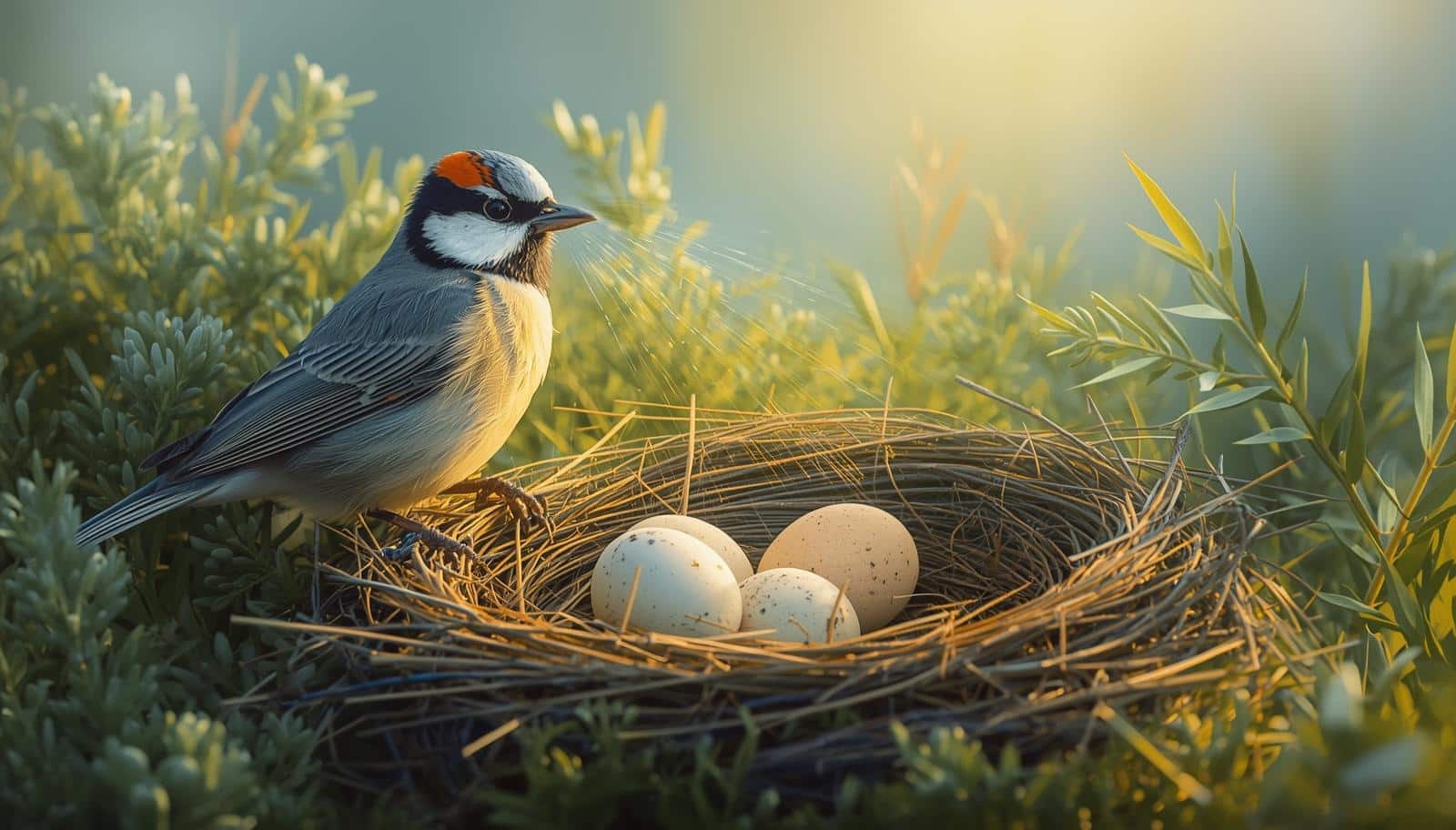
Bird Egg Temperature Control: Essential Tips for Perfect Hatching
Have you ever wondered how birds keep their eggs at just the right temperature to hatch healthy chicks? Bird Egg Temperature Control is a delicate and vital process that can mean the difference between life and loss.
If you care about birds, whether as a hobbyist, breeder, or nature lover, understanding how Bird Egg Temperature Control works can help you protect these fragile lives. You’ll discover simple yet powerful insights into how birds manage this natural feat—and how you can apply this knowledge to support successful hatching every time. Keep reading to unlock the secrets behind perfect Bird Egg Temperature Control.
Ideal Temperature Range
Bird eggs need the right temperature to develop well. If the temperature is too low or high, the embryo may not survive. Keeping eggs in a stable and ideal bird egg temperature range helps ensure healthy hatching. This range varies slightly by bird species.
Optimal Degrees For Hatching
The best temperature for most bird eggs to hatch is between 99 and 102 degrees Fahrenheit. This range supports proper embryo growth.
Temperatures below 97 degrees may slow development. Temperatures above 103 degrees can harm the embryo.
- Ideal range: 99°F to 102°F (37.2°C to 38.9°C)
- Below 97°F (36.1°C) risks slow growth
- Above 103°F (39.4°C) risks embryo death
Temperature Fluctuations To Avoid
Sudden or large changes in temperature can harm developing embryos. Keep the bird egg incubation temperature steady for best results. Avoid rapid drops or spikes in temperature. Even small, frequent changes stress the eggs and reduce hatch rates.
- No drops below 95°F (35°C)
- No spikes above 104°F (40°C)
- Keep fluctuations within 1-2 degrees Fahrenheit
- Maintain constant humidity along with temperature
Credit: www.vevor.ca
Incubator Selection
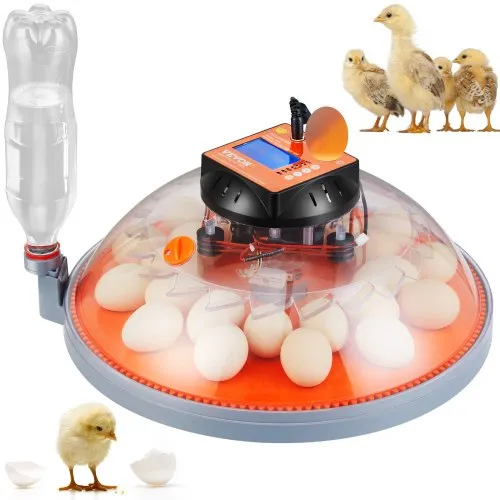
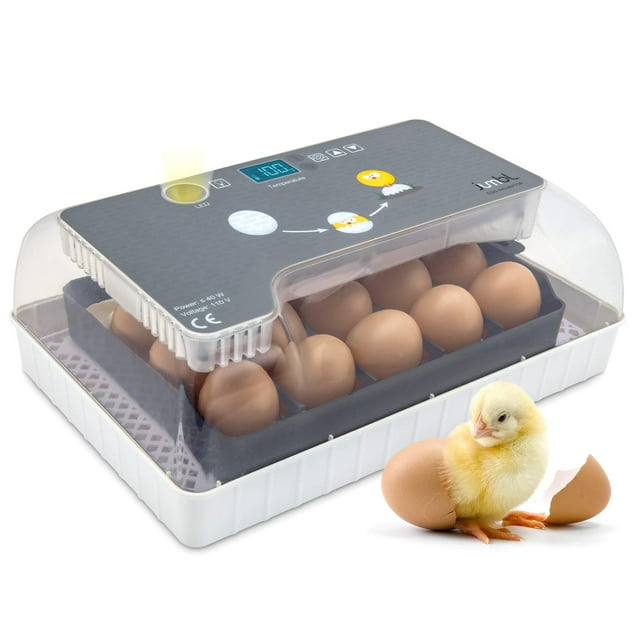
Choosing the right incubator helps keep bird eggs at the best temperature. This is key for healthy hatching. Understanding the types of incubators and their features makes selection easier when incubating bird eggs.
Types Of Incubators
There are three main types of incubators: still air, forced air, and automatic turners. Each type controls temperature and humidity differently.
- Still Air Incubators:Use natural air circulation. They are simple but need careful monitoring.
- Forced Air Incubators:Have fans to circulate air evenly. They keep temperature steady.
- Automatic Turner Incubators:Turn eggs automatically to prevent sticking. Good for large batches.
Features To Look For
Look for features that help keep temperature and humidity stable. Easy controls and good ventilation matter.
| Feature | Benefit |
| Temperature Control | Maintains steady heat for egg development |
| Humidity Control | Keeps eggs from drying out or getting too wet |
| Automatic Egg Turner | Prevents eggs from sticking and improves hatch rates |
| Clear Viewing Window | Allows monitoring without opening the incubator |
| Alarm System | Alerts if temperature or humidity changes |
Monitoring Temperature
Keeping bird eggs at the right temperature is very important. It helps the embryos grow healthy and strong.
Careful temperature monitoring stops eggs from getting too hot or too cold. This gives the best chance for hatching success.
Using Thermometers And Sensors
Thermometers and sensors measure the heat around the eggs. They give accurate readings to keep conditions safe for incubating bird eggs.
Digital thermometers show exact temperature values.
Infrared sensors check surface temperature without touching eggs.
Data loggers record temperature over time for review.
Wireless sensors allow remote monitoring from other rooms.
Maintaining Consistent Heat
Consistent heat is needed to keep embryos alive. Fluctuations can cause harm or stop development.
| Temperature Range | Recommended Time | Effect on Eggs |
| 37.2°C to 38.0°C | All day | Ideal for steady growth |
| Below 36.5°C | More than 1 hour | Slows development |
| Above 39.0°C | Any duration | May damage embryos |
Humidity And Ventilation
Bird egg temperature control needs careful attention to humidity and ventilation. These factors help eggs develop properly inside incubators or nests.
Too much or too little moisture can harm the eggs. Good airflow supports healthy air quality and temperature balance.
Balancing Moisture Levels
Eggs need the right humidity to avoid drying out or getting too wet. Proper moisture helps the embryo grow inside the shell.
Keep humidity between 40% and 60% during early incubation. Raise it to about 65% in the last days before hatching.
- Low humidity causes eggs to lose water too fast.
- High humidity can block air exchange through the shell.
- Use a hygrometer to monitor moisture levels.
- Add water trays or adjust vents to change humidity.
Ensuring Proper Airflow
Airflow moves fresh air around eggs to keep them healthy. It also helps control temperature and humidity inside the incubator.
Good ventilation removes carbon dioxide and brings in oxygen. Too little air can harm the developing bird inside the egg.
- Check vents regularly to keep them open.
- Adjust airflow to avoid cold or hot spots.
- Use fans only if they do not dry eggs too much.
- Balance ventilation with humidity needs carefully.
Turning Eggs
Turning bird eggs is an important part of temperature control during incubation. It helps the embryo develop properly inside the egg.
Without turning, the embryo may stick to the shell and cause problems. Proper turning ensures even heat distribution.
Frequency And Methods
Eggs need to be turned several times each day. This stops the embryo from sticking to the shell and helps it grow evenly.
Most incubators turn eggs every two to four hours. This means turning eggs about six to twelve times daily works well.
- Turn eggs at least six times a day
- Use gentle movements to avoid damage
- Turn eggs through about 45 degrees each time
- Stop turning three days before hatching
Automated Vs Manual Turning
Automated turning uses machines to rotate eggs at set times. This saves time and keeps a steady schedule.
Manual turning means people turn eggs by hand. It takes more effort but allows close monitoring of egg condition.
- Automated Turning: Consistent, less labor, good for many eggs
- Manual Turning: Flexible, careful, good for small batches
Common Temperature Issues
Bird eggs need careful temperature control for healthy development. If the temperature is wrong, eggs can be damaged. Both too much heat and too much cold cause problems.
Understanding signs of temperature problems helps keep eggs safe. This guide explains what to watch for with overheating and cold exposure.
Signs Of Overheating
Overheating causes harm to bird eggs. Watch for these signs to protect them in time.
- Eggshells feel too warm to touch
- Visible cracks or soft spots on the shell
- Discoloration or abnormal smells
- Embryo development stops or slows down
- Excessive moisture or condensation inside the incubator
Effects Of Cold Exposure
Cold temperatures slow growth and can kill embryos. Eggs need warmth for good development.
| Effect | Description |
| Delayed Development | Embryos grow slowly or stop if too cold. |
| Weak Hatchlings | Chicks may hatch weak or die soon after. |
| Shell Damage | Cold can cause cracks or make shells brittle. |
| Low Hatch Rates | Many eggs fail to hatch due to cold stress. |
Seasonal Temperature Adjustments
Bird eggs need the right temperature to develop well. Temperature changes with the seasons affect how eggs stay warm or cool.
Controlling egg temperature helps birds protect their young from cold and heat. This guide explains how to adjust temperatures in winter and summer.
Adapting To Winter Conditions
Cold weather can slow down egg development. Birds use different ways to keep eggs warm during winter.
- Increase nest insulation with soft materials
- Keep the eggs close to the bird’s body heat
- Reduce egg turning to keep warmth steady
- Choose nest locations sheltered from wind and rain
- Monitor temperature regularly to avoid freezing
Managing Heat In Summer
High temperatures risk overheating eggs. Birds must cool eggs to prevent damage during summer.
| Cooling Method | Description |
| Shade Nest | Place nest where sunlight is blocked |
| Wet Feathers | Birds wet feathers to cool eggs |
| Air Circulation | Build nests to allow airflow |
| Reduce Incubation Time | Shorten time eggs are warmed |

Credit: www.amazon.co.uk
Troubleshooting Tips
Keeping bird eggs at the right temperature is very important. Sometimes, the temperature control system may not work well. This guide helps you fix common problems fast.
Use simple checks and quick fixes to avoid losing eggs. Regular care of your equipment can save your eggs from damage.
Calibrating Equipment
Calibrate your temperature device often. This keeps it reading the right temperature. Wrong readings can harm the eggs.
Use a reliable thermometer to check your device. Adjust the settings if the numbers do not match. This process is simple and saves many eggs.
- Turn off the incubator before calibrating
- Place a trusted thermometer inside
- Compare thermometer reading to incubator display
- Adjust incubator setting to match thermometer
- Repeat the process every few weeks
Emergency Temperature Fixes
If the temperature rises or falls suddenly, act fast. Use backup heating or cooling tools to protect the eggs.
Check the power source and cables. Fix or replace broken parts quickly. Keep eggs safe by moving them to a stable incubator if needed.
- Use a heating pad or ice packs carefully
- Move eggs to a warm or cool room if needed
- Call a technician for broken equipment
- Monitor temperature every 10-15 minutes
- Keep a thermometer near the eggs at all times
Credit: eurotradefish.com
Frequently Asked Questions
How Do Birds Regulate Egg Temperature Naturally?
Birds regulate egg temperature by constant incubation using body heat. They adjust their position to maintain ideal warmth for embryo growth.
What Is The Ideal Temperature For Bird Eggs?
The ideal temperature for bird eggs is around 99°F to 102°F. Maintaining this range ensures proper embryo development and hatching success.
Why Is Temperature Control Crucial For Bird Egg Development?
Temperature control is crucial because eggs need consistent warmth. Too hot or cold temperatures can harm embryos or stop development entirely.
How Do Environmental Factors Affect Bird Egg Temperature?
Environmental factors like weather, humidity, and nest location impact egg temperature. Birds adapt by nest insulation or adjusting incubation behavior.
Conclusion
Birds are true experts in egg temperature control. Their instincts guide them well. They use their bodies to keep eggs warm. Parents take turns sitting on the nest. This ensures the eggs stay safe. Temperature balance is crucial for healthy chicks.
Birds often adjust their position. This helps distribute warmth evenly. Nature equips them with skills to protect their young. Understanding these methods reveals nature’s wisdom. Observing these actions can teach us much. Birds show how life thrives with care. Their dedication ensures the next generation. This natural process amazes and inspires us all.