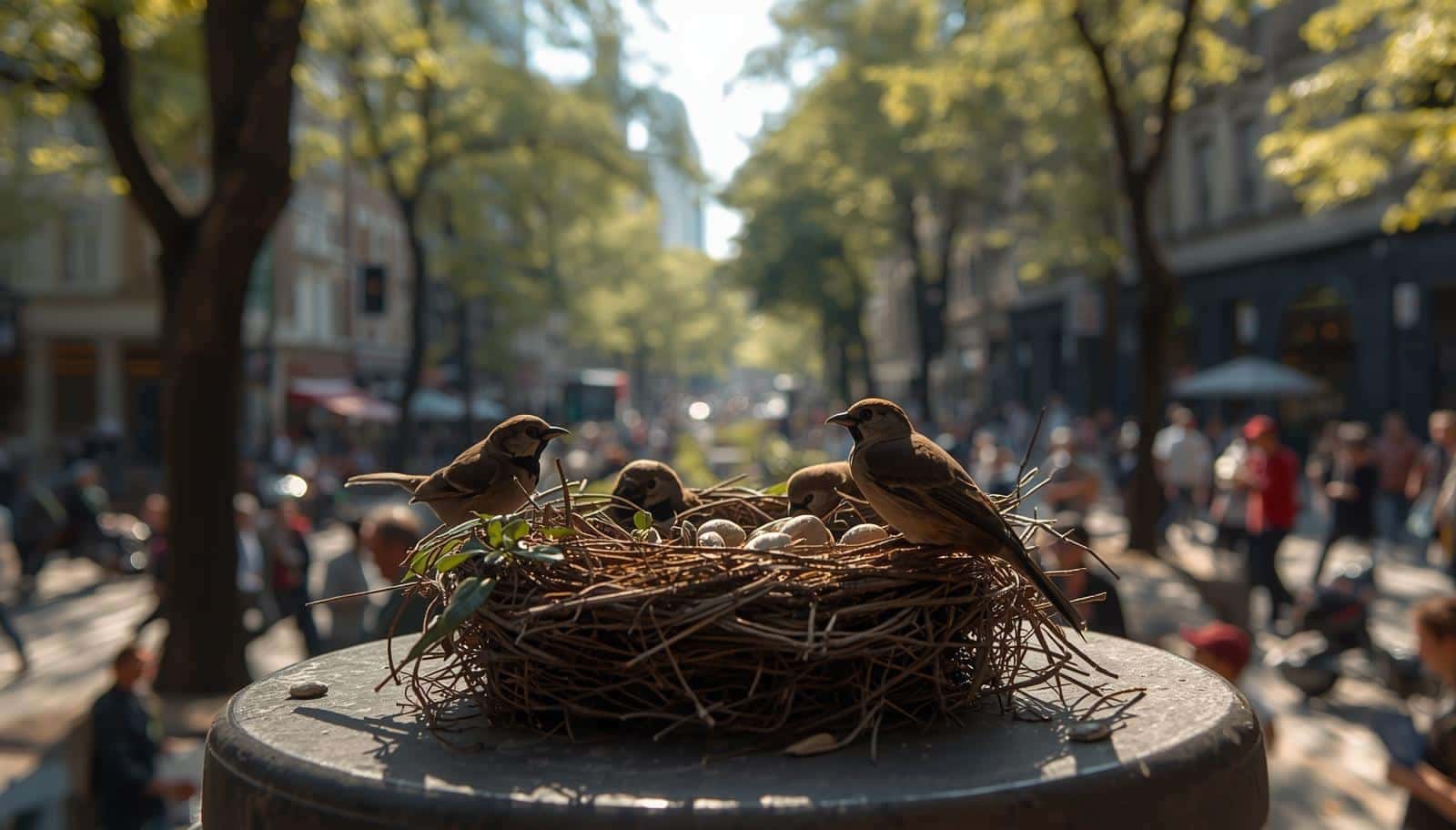
Have you ever noticed birds building nests on your balcony or near your window? Bird nesting in urban areas is becoming more common, and it’s a fascinating sign of nature adapting right outside your door.
But why are birds choosing cities over forests? And what does this mean for you and your neighborhood? Keep reading to discover surprising facts about these feathered neighbors, how they impact your environment, and simple ways you can support their urban homes.
This could change how you see your city—and the small creatures sharing it with you.
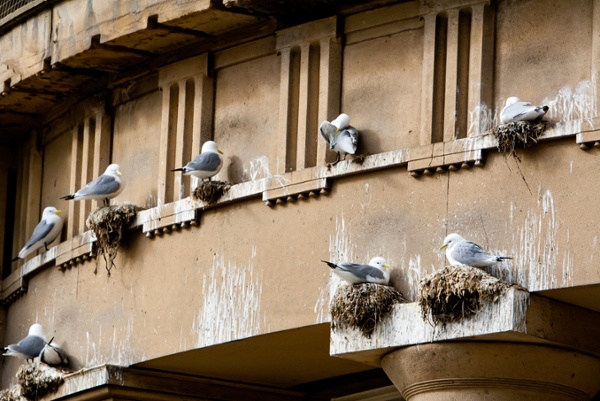
Credit: blog.birdbarrier.com
Urban Birds And Their Habitats
Birds have adapted well to living in cities. Urban areas offer new places for birds to find food and shelter.
Understanding how birds live in cities helps us protect their homes. It also shows how nature and people can share space.
Common Species In Cities
Many bird species live in urban areas. Some are easy to spot on streets and parks.
These birds use city resources to survive. They often eat scraps and nest in safe spots.
- Pigeons are common and live on buildings.
- House Sparrows nest in small crevices.
- European Starlings use tree holes or vents.
- American Robins prefer parks and gardens.
- Common Crows adapt to many city environments.
Nesting Preferences In Urban Settings
Urban birds choose nesting sites based on safety and food. They look for quiet places away from people.
Birds build nests in various spots. These include trees, buildings, and man-made structures.
- Pigeons nest on ledges and rooftops.
- Sparrows use holes in walls or vents.
- Starlings prefer cavities in trees or buildings.
- Robins build cup-shaped nests in shrubs or trees.
- Crows create large nests in tall trees.
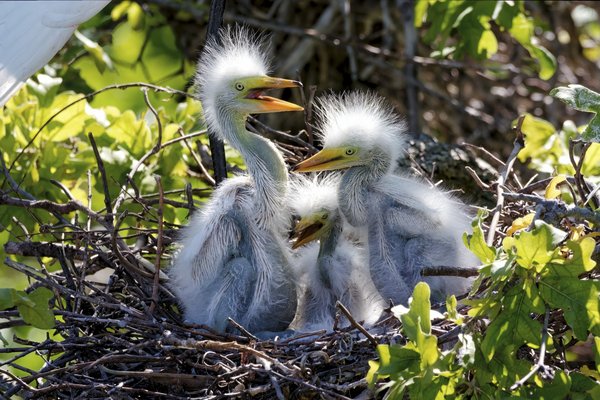
Credit: tpwmagazine.com
Challenges Faced By Urban Nesters
Birds living in cities face many problems while nesting. Urban areas are very different from natural places.
These problems make it hard for birds to build safe nests and raise their young ones.
Pollution And Noise Impact
Pollution in cities affects birds and their nests. Dirty air and water can harm birds’ health.
Noise from cars, machines, and people can scare birds. Loud sounds stop birds from communicating well.
- Air pollution can cause breathing problems for birds.
- Noise can make it hard for birds to find mates.
- Pollution can reduce the availability of clean nesting materials.
Behavioral Ecologists document the vocal shift: “To compensate for the dominant low-frequency hum of city traffic, urban songbirds have been scientifically documented to shift their songs. They sing at a higher pitch and frequency and often sing louder and in shorter bursts than their rural counterparts. This adaptation—a form of vocal plasticity—ensures their mating and territorial messages can penetrate the urban noise, but it comes at a higher energetic cost.”
Predators And Human Disturbance
Urban areas have more predators like cats and rats. These animals can destroy nests or eat eggs.
Humans often disturb nesting sites by moving or removing nests. Construction and traffic also cause stress to birds.
- Domestic cats hunt young birds and eggs.
- People may unknowingly damage nests during outdoor activities.
- Building work can force birds to leave their nests.
Benefits Of Bird Nesting In Cities
Bird nesting in urban areas helps nature thrive in cities. Birds make cities healthier places for people and animals.
Many birds find homes in parks, gardens, and buildings. Their presence brings many benefits to city life.
Ecosystem Services
Birds provide important services that keep city ecosystems balanced. They help control pests and clean the environment.
Birds eat insects that damage plants. They also spread seeds, helping plants grow in new places.
- Insect control reduces the need for pesticides
- Seed dispersal supports plant growth
- Bird droppings add nutrients to the soil
- Birds help pollinate some plants
Enhancing Urban Biodiversity
Bird nesting increases the variety of life in cities. More bird species mean a richer and healthier environment.
Different birds attract other wildlife like insects and small mammals. This creates a lively and balanced urban habitat.
- Bird nests provide shelter for many species
- Birdsong adds to the city’s natural sounds
- More species improve ecosystem stability
- Urban biodiversity benefits human well-being
Innovative Nesting Solutions
Bird nesting in cities can be hard for many species. Urban areas offer fewer natural places for birds to build nests. People use new ideas to help birds find safe homes.
These ideas include designing buildings with birds in mind and adding artificial nests. Both help birds live and raise their young in busy towns.
Designing Bird-friendly Buildings
Architects can make buildings that help birds nest safely. They add spaces where birds can hide and rest. Small ledges and green roofs attract birds.
- Use safe, natural materials for nesting spots
- Include small gaps or holes for bird entry
- Plant native trees and bushes nearby
- Keep windows visible to birds to reduce collisions
- Place nests away from heavy human traffic
Installing Artificial Nesting Sites
When natural sites are rare, people add man-made nests. These help different bird species to find homes quickly. Nest boxes and platforms work well.
| Type of Nesting Site | Best For | Placement Tips |
| Nest Boxes | Small birds like sparrows and bluebirds | Mount on trees or walls, 5 to 10 feet high |
| Platform Nests | Larger birds like hawks and owls | Place on tall poles or rooftops |
| Green Roofs | Various bird species | Cover building roofs with plants for shelter |
Community Engagement And Awareness
Bird nesting in urban areas brings nature closer to people. It helps communities learn about local wildlife.
Engaging the community raises awareness about birds’ needs. It also encourages people to protect their habitats.
Citizen Science Projects
Citizen science projects involve people in bird watching and data collection. This helps scientists understand bird habits in cities.
Community members can report sightings and nesting sites. This creates valuable information for urban bird conservation.
- Track bird species in your neighborhood
- Record nesting times and locations
- Share photos and notes online
- Join local bird counts and surveys
Educational Programs And Workshops
Workshops teach people about birds and their urban homes. They show how to create safe spaces for nesting.
Schools and community centers host these programs. They help children and adults understand the importance of birds in cities.
- Learn about common city birds
- Build birdhouses and feeders
- Discover how to protect bird habitats
- Participate in guided bird walks

Credit: www.timesnownews.com
Policy And Urban Planning
Bird nesting in urban areas needs careful planning and clear policies. Cities must balance growth with protecting wildlife habitats.
Good urban planning helps create spaces where birds can safely build nests and raise their young. This benefits both nature and city residents.
Incorporating Wildlife In City Plans
City planners include natural spaces like parks and green roofs to support bird life. These areas offer safe places for birds to nest.
Designing with wildlife in mind helps keep bird populations healthy. It also improves air quality and reduces noise in cities.
- Create green corridors connecting parks and gardens
- Use native plants that attract local bird species
- Design buildings with bird-friendly features
- Limit the use of harmful pesticides and chemicals
Regulations For Protecting Nesting Sites
Rules help protect bird nests during construction and other city activities. These laws prevent harm to birds and their young.
Regulations often require surveys before building projects. They ensure no active nests are disturbed or destroyed.
- Set buffer zones around known nesting sites
- Limit tree cutting during breeding seasons
- Enforce penalties for damaging protected nests
- Require bird-friendly designs in new developments
Frequently Asked Questions
Why Do Birds Nest In Urban Areas?
Birds nest in urban areas due to abundant food, shelter, and fewer predators. Cities offer diverse nesting sites like buildings and parks. Urban heat also supports breeding in colder months. These conditions make cities attractive for bird survival and reproduction.
What Types Of Birds Nest In Cities?
Common urban nesters include pigeons, sparrows, starlings, and swifts. These birds adapt well to human presence and structures. Some species build nests on ledges, roofs, or trees within parks. Urban areas support a mix of native and adaptable bird species.
How Can I Help Birds Nest Safely In Cities?
Provide bird feeders, water sources, and native plants for food and shelter. Avoid using pesticides and keep cats indoors to protect birds. Installing nest boxes can offer safe breeding spots. Creating green spaces encourages birds to nest and thrive in urban settings.
Wildlife Rescuers issue a critical warning: “We frequently receive injured birds—especially fledglings near urban nests—that are contaminated or fatally trapped. While rodenticides and insecticides pose obvious chemical threats, one of the most immediate and painful threats is glue board traps (sticky traps intended for mice or large insects). When birds touch these, their feathers get coated in the adhesive, often leading to a need for euthanasia or severe, painful feather loss. We advise never using glue traps in or around balconies, windows, or gardens where birds are active.”
Do Urban Environments Affect Bird Nesting Success?
Yes, urban noise, pollution, and light can impact nesting success. However, some birds adapt by altering nesting times and locations. Urban heat islands may boost breeding seasons. While challenges exist, many birds successfully raise young in cities.
Conclusion
Urban areas offer unique nesting opportunities for birds. They adapt to city life. Trees, buildings, and bridges become their homes. People can help them thrive. Plant more trees in neighborhoods. Create bird-friendly spaces in gardens. Understand their needs and challenges.
Balance urban growth with nature’s harmony. Listen to birdsong amidst the concrete. Appreciate their presence in our busy lives. Simple actions make a big difference. Protecting bird habitats enriches urban biodiversity. Let’s coexist and cherish our feathered friends. Together, we can ensure their survival.
A vibrant city needs its birds. Nature and urban life, beautifully intertwined.