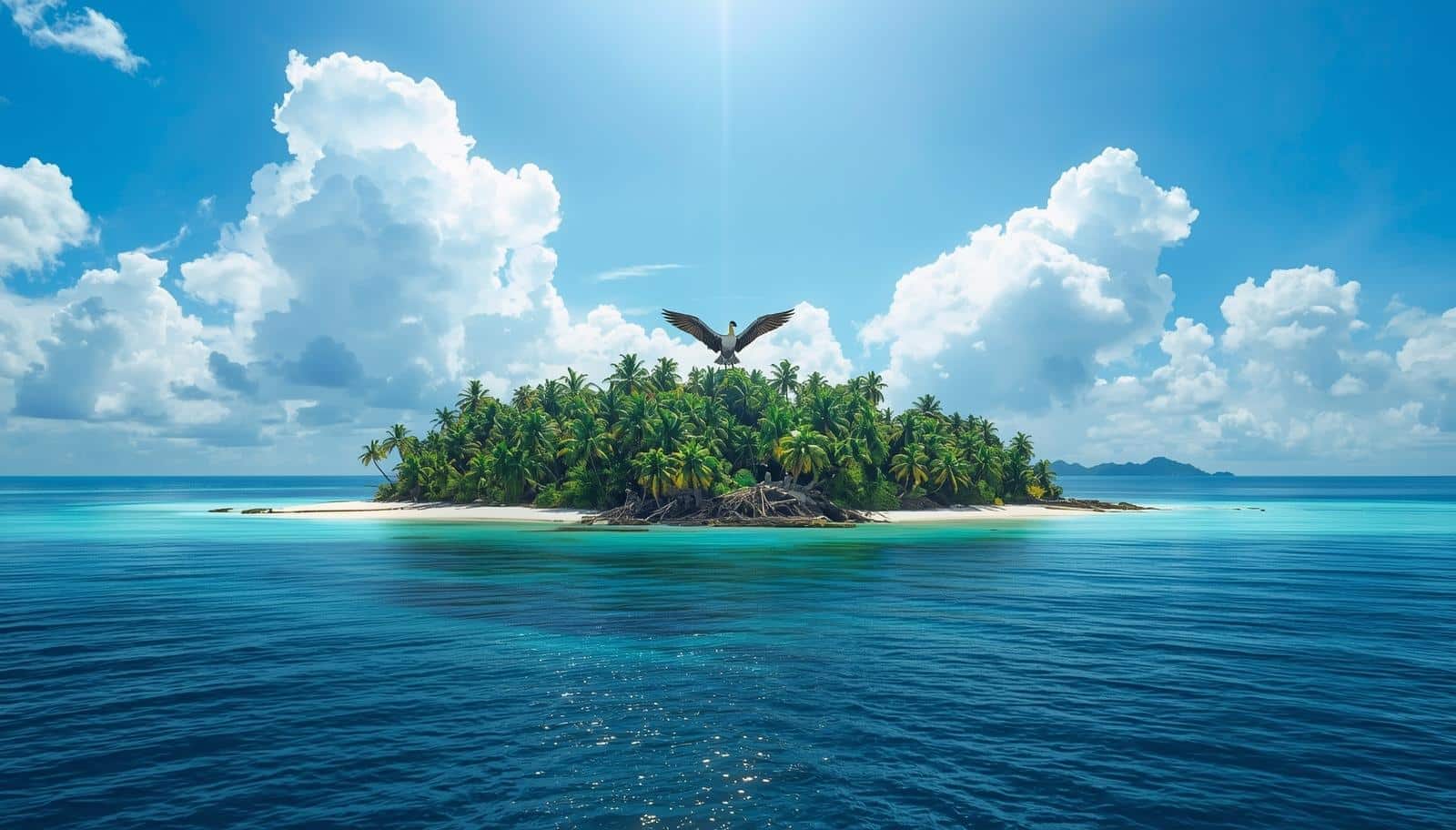
Have you ever wondered why birds choose islands to build their nests? There’s something special about these isolated places that makes them perfect homes for many bird species.
When you learn about bird nesting on islands, you’ll discover fascinating secrets about nature’s careful design. This knowledge not only brings you closer to the natural world but also helps you understand why protecting these habitats is so important. Keep reading to uncover the surprising reasons behind this unique behavior and how it affects both birds and the environment around you.

Credit: www.newindianexpress.com
Island Nesting Habits
Birds that nest on islands have unique habits. Islands offer safety from many predators. These places shape how birds build nests and raise young ones.
Nesting on islands requires adapting to limited space and weather conditions. Many species choose islands to protect their eggs and chicks.
Common Bird Species
Many bird species prefer island nesting. Seabirds are the most common. They often gather in large colonies. These species include gulls, terns, and puffins.
- Seagulls
- Arctic Terns
- Puffins
- Shearwaters
- Cormorants
- Ornithologists observe that colony size matters. “The success of island nesting is heavily reliant on the dilution effect (safety in numbers). While a single nest is highly vulnerable, an enormous colony can often overwhelm a single predator, such as a large gull or crow. Furthermore, having thousands of adult birds contributes to collective defense, where predators are harassed and mobbed by the combined force of the colony, driving them away and significantly improving the reproductive success of all pairs.”
Nesting Materials Used
Birds use many materials found on islands. They collect what is nearby and easy to carry. Materials must be strong and safe for eggs.
| Material | Source | Purpose |
|---|---|---|
| Twigs | Shrubs and trees | Structure and support |
| Grass | Island meadows | Soft lining |
| Feathers | Birds’ own body | Insulation |
| Seaweed | Beach shore | Waterproofing |
| Small stones | Island ground | Weight and stability |
Timing And Seasons
Birds pick specific times to nest on islands. They avoid harsh weather and food shortages. Timing helps chicks survive and grow strong.
- Early spring: Birds arrive to prepare nests.
- Late spring: Eggs are laid and incubated.
- Summer: Chicks hatch and grow.
- Early autumn: Young birds leave the nest.
- Late autumn: Adults migrate or stay on islands.

Credit: www.freepik.com
Safety Factors On Islands
Bird nesting on islands offers unique safety benefits. Islands provide a protected space for birds to raise their young.
Understanding key safety factors helps explain why many birds choose islands for nesting.
Predator Avoidance
Islands often have fewer predators than the mainland. This lowers risks for eggs and chicks.
- Limited number of mammal predators
- Reduced presence of snakes and larger birds
- Water barriers make it hard for predators to reach nests
- Birds can better guard their nests with less threat
- Ecologists refer to the safety measure as the “Predator Moat.” “The presence of a significant water barrier acts as a physical moat against common ground and nocturnal predators like raccoons, foxes, and rats. For successful colony nesting, especially for wading birds, the water separating the island from the mainland should ideally be at least 50 meters wide and 0.5 meters deep. This distance and depth dramatically increase the energetic cost and risk to land mammals, making the island inaccessible during the critical breeding season.”
Climate And Weather Impact
Climate on islands can be mild but also unpredictable. Birds must adapt to changing weather.
| Climate Factor | Effect on Nesting |
| Wind | Strong winds may damage nests |
| Rain | Heavy rain can flood nests |
| Temperature | Moderate temperatures help egg incubation |
| Storms | Storms may cause nest loss |
Isolation Benefits
Isolation helps birds avoid disturbance from humans and animals. It creates a quiet nesting zone.
Isolation advantages include:
- Less noise and light pollution
- Reduced human interference
- Lower risk of disease spread
- Stable environment for raising chicks
Island Habitat Features
Islands provide special homes for many birds. These places have unique features birds need to build nests.
Understanding island habitats helps us learn why birds choose these spots to raise their young.
Vegetation Types
Plants on islands give birds shelter and food. Some plants are trees, bushes, or grasses.
Different birds prefer different plants for building nests and hiding from predators.
- Tall trees offer high nesting spots
- Bushes provide cover near the ground
- Grasses are good for ground nesting birds
- Flowering plants attract insects for food
Terrain And Nesting Sites
Islands have many land forms like rocks, cliffs, and sandy shores. These affect where birds build nests.
Birds choose safe places that protect eggs from weather and predators.
- Cliffs offer safe ledges for nests
- Rocks create crevices for shelter
- Sandy areas are good for some ground nesters
- Flat land is useful for larger nests
Water Sources
Fresh water is rare but important on islands. Birds need water to drink and bathe.
Some islands have ponds, streams, or rain pools that help birds survive and raise chicks.
- Small ponds provide drinking water
- Rain pools collect after storms
- Nearby ocean offers food but salt water is not for drinking
- Wetlands support insects and plants for food
Challenges Faced By Nesting Birds
Nesting birds on islands face many challenges that affect their survival.
These challenges come from people, new animals, and changes in the environment.
Human Disturbance
Humans visiting islands can scare birds or destroy nests. Boats, loud noises, and trash harm nesting sites. Birds may leave their eggs if disturbed too much.
- Conservation Managers emphasize observer distance: “If you are visiting a nesting island, the single most important rule is to keep your distance. If you cause a bird to fly off its nest, even for a few minutes, you may have doomed the eggs or chicks. Unattended eggs are exposed to lethal temperatures (overheating in the sun) or are immediately vulnerable to opportunistic predators like gulls. An observer should never be close enough to cause an adult bird to flush (fly away) from its nest.”
Invasive Species
New animals brought by humans can eat bird eggs or compete for food. Rats, cats, and snakes are common invaders. These species often reduce bird populations quickly.
- Rats steal eggs from nests
- Cats hunt young birds
- Snakes eat eggs and chicks
- Compete for food with native birds
Environmental Changes
Climate changes and storms damage nests and reduce food. Rising sea levels shrink nesting areas. Changing weather can cause food shortages for birds.
| Environmental Change | Effect on Nesting Birds |
| Storms | Destroy nests and eggs |
| Rising sea levels | Reduce nesting land |
| Food shortages | Lower chick survival |
Conservation Efforts
Bird nesting on islands faces many challenges. Conservation efforts help protect these important habitats.
Many groups work to keep islands safe for nesting birds. They focus on protecting land, restoring nature, and involving people.
Protected Areas
Protected areas stop harmful activities near bird nesting sites. They limit human access and control predators.
- National parks and reserves
- Bird sanctuaries
- Marine protected zones around islands
- Restricted fishing and boating near nesting spots
Restoration Projects
Restoration projects help bring back natural habitats. They remove invasive species and plant native trees.
| Project Type | Activity | Goal |
| Invasive Species Removal | Remove rats and cats | Protect bird eggs and chicks |
| Vegetation Planting | Replant native plants | Provide shelter and food |
| Habitat Cleanup | Remove trash and debris | Keep nesting areas safe |
Community Involvement
Local people help protect bird nesting sites. They join in monitoring and education efforts.
- Report illegal activities
- Participate in habitat restoration
- Educate visitors about bird protection
- Support local conservation groups
Research And Monitoring
Bird nesting on islands provides key insights into species health and habitat quality. Careful research and monitoring help protect these fragile ecosystems.
Scientists use various methods to track nesting success, apply new technology, and engage the public. These approaches improve data collection and conservation efforts.
Tracking Nest Success
Researchers visit islands to count nests and check eggs and chicks. They record how many hatch and survive to learn about population trends.
- Count active nests regularly
- Note the number of eggs laid
- Track hatching rates
- Observe chick survival
- Record causes of nest failure
Technological Tools
Modern tools help gather data with less disturbance to birds. Cameras, drones, and GPS devices give researchers new ways to monitor nests.
| Tool | Purpose | Benefit |
| Remote Cameras | Record nest activity | Non-intrusive monitoring |
| Drones | Survey island areas | Access hard spots safely |
| GPS Tags | Track bird movements | Understand habitat use |
| Data Loggers | Measure temperature/humidity | Monitor nest environment |
Citizen Science Contributions
Volunteers help collect data and report sightings. Their work supports long-term studies and adds valuable information.
- Report bird sightings via apps
- Help count nests during field trips
- Upload photos of nests and chicks
- Share local knowledge of island birds
- Assist in habitat clean-up efforts

Credit: www.freepik.com
Frequently Asked Questions
Why Do Birds Prefer Nesting On Islands?
Birds choose islands for nesting due to fewer predators and less human disturbance. Islands offer safe breeding grounds and abundant food, enhancing chick survival rates. These isolated habitats provide ideal conditions for raising young birds safely.
What Types Of Birds Nest On Islands?
Seabirds like puffins, terns, and gulls commonly nest on islands. Many migratory and colonial birds also use islands for breeding. These species benefit from the isolated and predator-free environment islands provide.
How Do Island Conditions Affect Bird Nesting Success?
Island conditions like food availability, weather, and predator presence impact nesting success. Favorable island habitats increase chick survival and reproductive rates. Harsh weather or introduced predators can reduce breeding success significantly.
Can Island Nesting Birds Adapt To Environmental Changes?
Yes, many island-nesting birds adapt to changing environments by altering nesting sites and timing. However, rapid changes can threaten their survival. Conservation efforts help protect these sensitive species and their habitats.
Conclusion
Bird nesting on islands offers unique and vital ecosystems. These remote locations provide safety from predators. Birds find ideal conditions for raising their young. Islands support diverse bird species, each with special needs. Studying these nesting habits aids conservation efforts.
Protecting island habitats ensures future generations of birds. Local communities play a crucial role in this protection. Awareness and education strengthen these efforts. Encouraging eco-friendly practices benefits both wildlife and people. Islands are more than scenic spots; they are vital bird sanctuaries.
Let’s cherish and protect these natural treasures. Their survival depends on our actions today.