Have you ever noticed small birds disappearing into holes in trees or walls? Those birds are likely cavity nesting birds, and their secret homes play a huge role in their survival.
Understanding these fascinating creatures can change the way you see your backyard and the natural world around you. You’ll discover why cavity nesting birds choose these special spots, how they build their nests, and what you can do to attract them to your area.
Ready to unlock the hidden life of these amazing birds? Keep reading—you won’t want to miss what’s inside.
What Are Cavity Nesting Birds
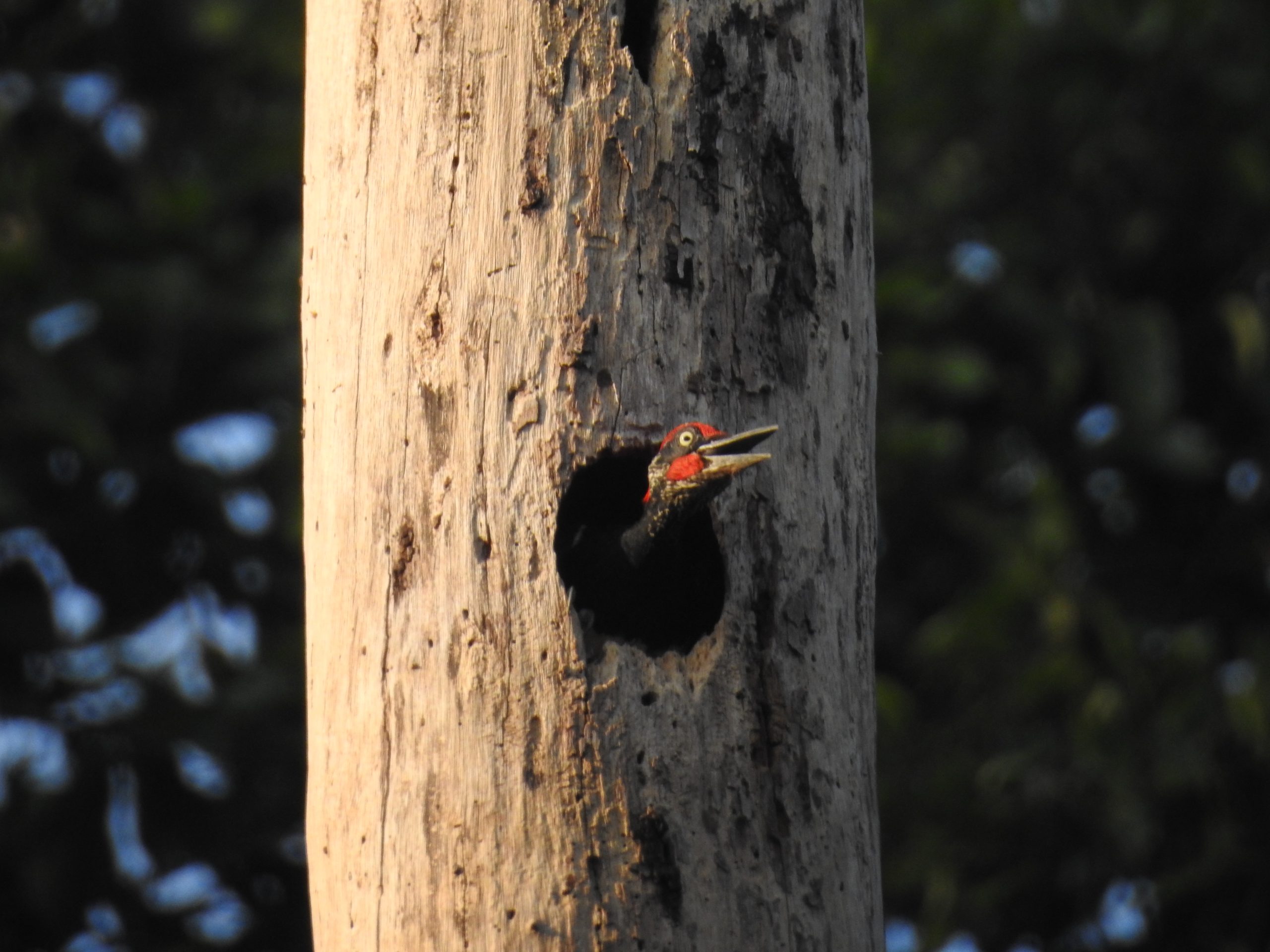
Cavity nesting birds are birds that build their nests inside holes. These holes can be in trees, rocks, or man-made structures.
They use these cavities to protect their eggs and young birds from weather and predators.
Types Of Cavity Nesting Birds
Many bird species are cavity nesters. Some live in forests, while others adapt to urban areas.
- Woodpeckers
- Owls
- Bluebirds
- Chickadees
- Tree Swallows
Why Birds Choose Cavities
Cavities offer safety from weather changes and predators. This makes it easier for birds to raise their young.
Common Nesting Sites
| Nesting Site | Description |
| Tree Holes | Natural or made by other animals |
| Dead Branches | Old branches with hollow centers |
| Rock Crevices | Small gaps or holes in rocks |
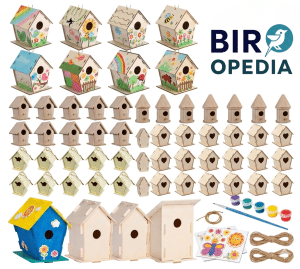
| Birdhouses | Man-made boxes for nesting |
How To Help Cavity Nesting Birds
You can help by providing safe nesting places. Here are some tips:
- Install birdhouses with proper size holes
- Keep old trees standing if safe
- Avoid disturbing natural nests
- Place birdhouses in quiet areas
Types Of Cavity Nesters
Cavity nesting birds use holes in trees or other places to build their nests. These holes protect their eggs and chicks from predators and weather. Different birds create or use these cavities in various ways.
Some birds dig their own holes, while others find empty ones to live in. Learning about the types of cavity nesters helps us understand bird behavior and how to protect their homes.
Primary Excavators
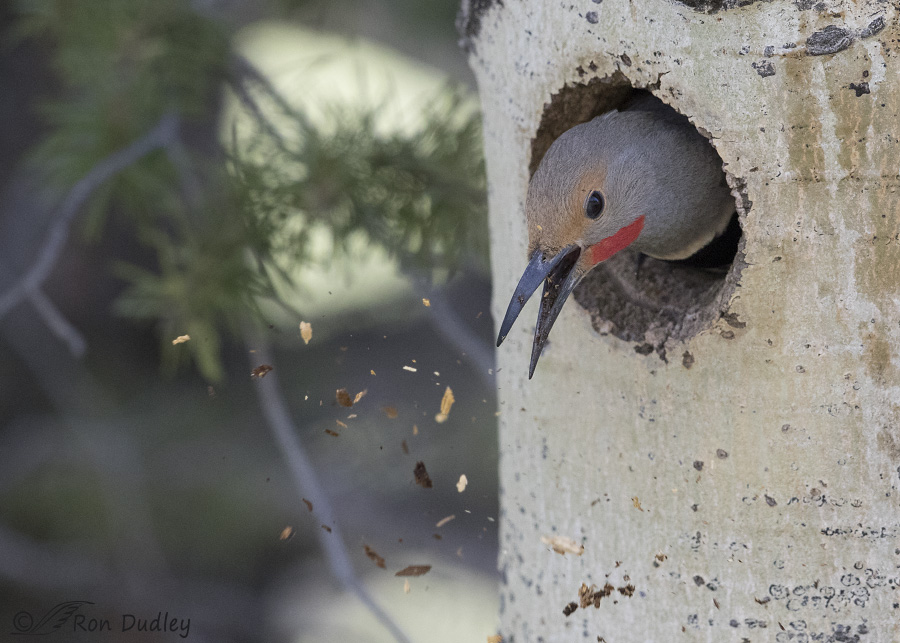
Primary excavators are birds that create new cavities by digging into wood or other materials. These birds have strong beaks and use them to make fresh holes for nesting.
- Woodpeckers are the most common primary excavators.
- They dig holes in dead or living trees.
- Other birds like nuthatches also create cavities.
- These new holes become homes for many other animals later.
Secondary Users
Secondary users do not make their own cavities. They use holes made by primary excavators or natural openings. These birds depend on finding ready-made homes for nesting.
| Bird Type | Example Species | Habitat |
| Secondary Users | Bluebirds, chickadees, tree swallows | Old tree cavities, nest boxes |
| Primary Excavators | Woodpeckers, nuthatches | Dead or live trees |
Tree Cavity Vs. Ground Cavity
Tree cavities are holes in trees made by birds or natural decay. Ground cavities are holes in the earth or banks where some birds nest.
Here is a list comparing tree and ground cavity nesters:
- Tree Cavity Nesters:Use holes in trees for protection and safety.
- Ground Cavity Nesters:Nest in burrows or holes in soil or sand.
- Protection:Tree cavities protect from many predators; ground cavities may be more hidden.
- Examples:Tree cavity birds include woodpeckers and owls. Ground cavity birds include bank swallows and burrowing owls.
Common Species To Spot
Cavity nesting birds are special because they build nests in holes. These holes can be in trees or old wood.
You can find many types of cavity nesters in your local parks and forests. They help nature stay balanced.
Woodpeckers
Woodpeckers are known for pecking tree trunks to find food. They also make holes to build their nests.
These birds have strong beaks and stiff tails. They use these to stay steady on tree bark.
- Downy Woodpecker: small and common in many areas
- Hairy Woodpecker: larger with a longer beak
- Red-bellied Woodpecker: has a red head and spotted body
Owls
Owls often nest in tree cavities or old woodpecker holes. They like quiet and dark places.
These birds hunt at night and have sharp eyes and ears. They use nests to raise their young safely.
- Eastern Screech Owl: small and camouflaged in trees
- Barred Owl: large with dark eyes and striped feathers
- Great Horned Owl: big with ear tufts and deep hoots
Bluebirds
Bluebirds are bright birds that live in open areas with trees. They use old woodpecker holes or nest boxes.
They eat insects and berries. Bluebirds are a favorite for bird watchers because of their color.
- Eastern Bluebird: bright blue with a rusty chest
- Western Bluebird: has a deeper blue color
- Mountain Bluebird: pale blue and lives in high places
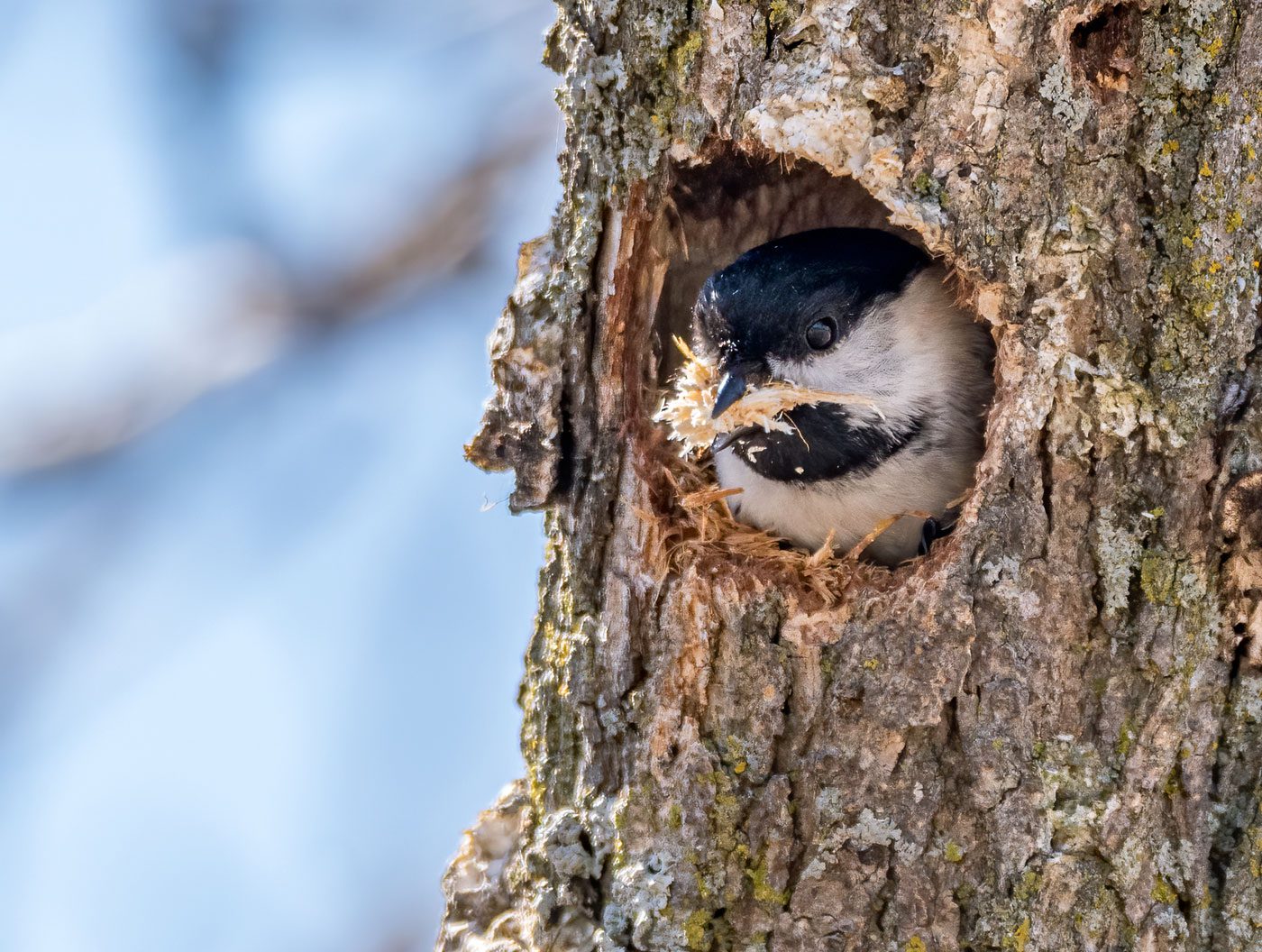
Chickadees
Chickadees are small, friendly birds that use tree holes for nests. They are easy to spot by their calls.
These birds eat seeds and insects. They often visit bird feeders and are curious about people.
- Black-capped Chickadee: has a black cap and white cheeks
- Carolina Chickadee: smaller and found in the southeast
- Mountain Chickadee: has a white stripe above the eye
Credit: www.allaboutbirds.org
Benefits Of Cavity Nesting
Cavity nesting birds build their homes inside holes in trees or other places. These safe spaces help protect their eggs and chicks.
These birds enjoy many advantages by nesting in cavities instead of open nests. The benefits help them survive and raise their young.
Protection From Predators
Cavity nests are hidden inside tree holes or wood. This makes it hard for predators to find the eggs or young birds.
The hard outer wood walls keep many predators out. Birds inside stay safer than those in open nests on branches.
Shelter From Weather
Cavities provide a shield against rain, wind, and extreme sun. Birds and their eggs stay dry and warm inside.
This protection lowers the chance of eggs getting cold or chicks getting wet and weak. It helps their survival.
Stable Temperature
The wood around cavity nests helps keep the inside temperature steady. It does not get too hot or too cold quickly.
This stable climate inside the nest helps eggs develop well and chicks grow strong without stress from sudden temperature changes.
Less Competition For Nesting Sites
Cavities are special spots fewer birds can use. This reduces fights and competition for places to build nests.
Birds that use cavities can find safer homes more easily than those that need open branches or ground nests.
Helps Bird Diversity
Cavity nesting supports many different bird species. Each uses different types of holes or trees for their nests.
This variety helps keep a healthy mix of birds in forests and parks, supporting the natural balance.
Challenges They Face
Cavity nesting birds face many problems in nature. These problems make it hard for them to survive and raise young ones.
We will look at three main challenges: habitat loss, competition for nest sites, and predation risks.
Habitat Loss
Many cavity nesting birds rely on old trees for their homes. When forests are cut down, these trees disappear.
Without enough trees, birds struggle to find safe places to build nests. This lowers their chance to raise chicks.
- Logging removes old trees with cavities
- Urban growth reduces natural forest areas
- Fires and storms destroy nesting sites
Competition For Nest Sites
Many animals want to use tree holes for shelter. Birds compete with squirrels, bats, and other birds.
This competition forces cavity nesting birds to fight or search for fewer good sites. Some birds lose out.
- Birds fight with others for the best cavities
- Non-bird animals may take over nests
- Scarce nest sites cause stress and lower breeding
Predation Risks
Predators look for bird nests to find eggs and chicks. Cavity nests hide birds but do not stop predators fully.
Snakes, raccoons, and larger birds can reach inside cavities. This threat reduces baby bird survival.
- Snakes climb trees to eat eggs and chicks
- Raccoons use their paws to grab inside holes
- Larger birds may attack nesting birds
How To Attract Cavity Nesters
Cavity nesting birds look for small holes in trees or nest boxes. You can help these birds by providing safe places to nest.
Attracting cavity nesters adds life and beauty to your garden or yard. It also supports local wildlife.
Installing Nest Boxes
Put up nest boxes made from wood. Avoid metal or plastic, as they get too hot or cold. Make sure boxes have the right hole size for the birds you want.
Drill drainage holes and ventilation slots. This keeps the nest dry and cool. Attach boxes securely to trees or posts.
- Use untreated wood for natural insulation
- Choose hole sizes between 1 to 2 inches wide
- Place boxes 5 to 15 feet above ground
- Face the entrance away from strong winds
Selecting The Right Location
Pick quiet spots with some shade. Avoid places with too much sun or wind. Trees near food and water sources work best.
Keep nest boxes away from busy areas and predators. Check that there are no obstacles blocking the entrance.
- Mount boxes near shrubs or trees
- Face entrance holes east or southeast
- Keep at least 30 feet between boxes
- Avoid placing boxes near feeders or birdbaths
Maintenance Tips
Clean nest boxes after each breeding season. Remove old nests and debris to stop pests and diseases. Check for damage and fix it.
Inspect boxes yearly to make sure they stay safe and sturdy. Replace boxes that are too worn or broken.
- Wear gloves when cleaning nest boxes
- Use a brush to remove dirt and old material
- Repair cracks or loose parts with wood glue or nails
- Do maintenance in late fall or winter
Ethical Birdwatching Practices
Watching cavity nesting birds is a fun way to enjoy nature. We must do it responsibly to protect the birds. Ethical birdwatching helps keep nests safe and birds healthy.
Learning how to respect birds and their homes ensures they thrive. This guide shares key ways to watch birds without harm.
Respecting Nest Sites
Cavity nesting birds use holes in trees or walls to raise their young. These sites are very delicate and important. Do not touch or move nesting materials.
- Keep a safe distance from nests.
- Do not remove sticks, leaves, or feathers.
- Avoid marking or altering the nest area.
- Report damaged nests to wildlife experts.
Minimizing Disturbance
Birds get scared when disturbed near their nests. Loud noises or sudden moves can cause them to leave. Watch quietly and move slowly.
- Use binoculars to see birds from afar.
- Limit the time spent near nesting areas.
- Keep pets on a leash and away from nests.
- Stay on marked trails to avoid trampling plants.
Supporting Conservation Efforts
Many cavity nesting birds need help to survive. You can support local projects that protect habitats. Sharing knowledge also helps others care for birds.
| Action | How It Helps |
| Building nest boxes | Provides safe places to nest |
| Planting native trees | Creates natural habitats |
| Joining birdwatching groups | Raises awareness and funds |
| Reporting illegal activities | Protects birds from harm |

Credit: www.freepik.com
Credit: www.featheredphotography.com
Frequently Asked Questions
What Are Cavity Nesting Birds?
Cavity nesting birds build their nests inside natural or artificial holes. These holes provide protection from predators and harsh weather. Common examples include woodpeckers, chickadees, and bluebirds.
Why Do Birds Prefer Cavity Nests?
Birds prefer cavity nests for safety and insulation. These nests shield eggs and chicks from predators and extreme temperatures, increasing survival rates.
How Do Cavity Nesting Birds Find Nesting Sites?
Cavity nesting birds search for suitable holes in trees, dead wood, or man-made structures. Some species also excavate their own cavities.
Can I Attract Cavity Nesting Birds To My Yard?
Yes, installing birdhouses or nest boxes mimics natural cavities. Choose the right size and place them in quiet, sheltered areas.
Conclusion
Cavity nesting birds offer unique insights into nature’s wonders. They choose tree holes or man-made structures for their homes. These birds include woodpeckers, bluebirds, and chickadees. Each plays a vital role in the ecosystem. Protecting their habitats is essential for biodiversity.
By learning about these birds, we can help preserve their environments. Simple actions, like installing birdhouses, make a difference. Observing them enriches our connection to nature. Their presence enhances our surroundings. Let’s continue to support these fascinating creatures. They need our care and attention.
Together, we can ensure their survival for future generations.