
Have you ever wondered how birds survive in the harsh, icy world of the tundra? Their wings aren’t just for flying—they serve many surprising purposes that help them thrive in this extreme environment.
Understanding What are Bird Wings Good for in the Tundra can change the way you see these incredible creatures. Keep reading, and you’ll discover secrets that make bird wings much more than just tools for flight. Your curiosity is about to take flight!
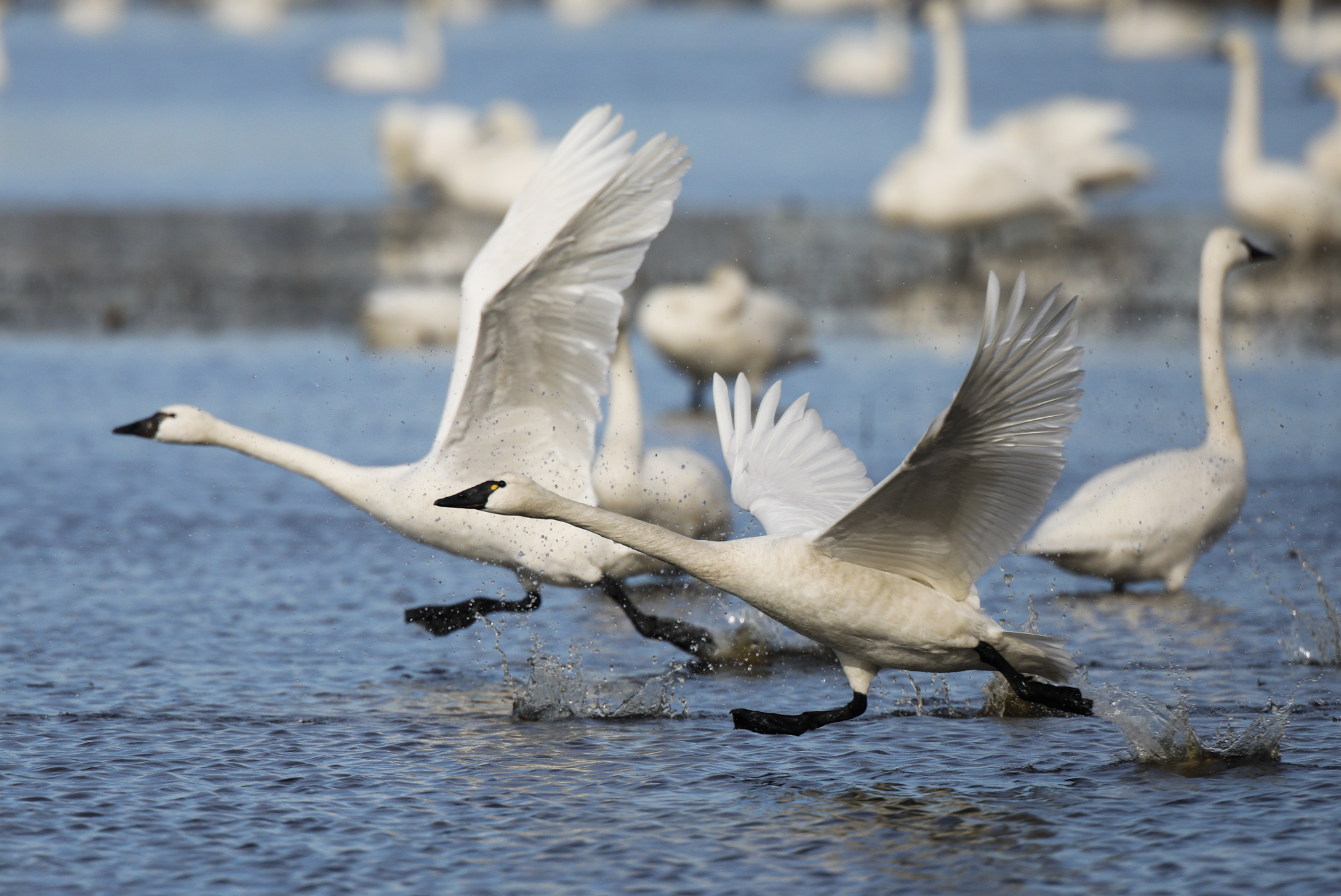
Credit: roadsendnaturalist.com
Wing Adaptations In Tundra Birds
Birds living in the tundra face cold, windy, and open environments. Their wings have special features to help them survive and move well.
These adaptations help birds fly efficiently, stay warm, and find food in the harsh tundra.
Shape And Structure
Tundra birds have wings shaped for strong, steady flight. Their wings are often broad and rounded. This shape helps them glide in windy conditions and stay stable in the air.
- Broad wings provide lift in low air pressure.
- Rounded edges reduce wind resistance.
- Strong bones support long flights over tundra.
Feather Composition
Feathers on tundra birds have thick, dense layers. This helps keep warmth and protects against cold winds. The feathers also trap air for insulation.
| Feather Feature | Benefit |
|---|---|
| Dense down feathers | Trap heat close to body |
| Strong outer feathers | Protect from wind and moisture |
| Overlapping layers | Prevent heat loss |
Size Variations
Wing size varies among tundra birds. Some have long wings for long-distance flights. Others have shorter wings for quick takeoffs and short flights.
- Long wings help birds migrate over large tundra areas.
- Short wings allow fast movement to escape predators.
- Medium wings balance flight speed and energy use.

Credit: birdaware.org
Flight Strategies In Harsh Conditions
Birds living in the tundra face very cold and windy weather. Their wings help them fly safely in these tough conditions.
They use special flight strategies to save energy and stay on course. These strategies help birds survive and travel far.
Energy-efficient Flying
Birds use their wings to fly with less effort. They flap slowly and glide to save energy. This is important in cold places where food is limited.
Long wings with wide surfaces help birds catch air currents. This lets them fly for a long time without getting tired.
Navigating Strong Winds
Winds in the tundra are strong and change direction fast. Birds use their wings to stay steady and avoid being blown off course.
They adjust their wing shape and angle to control speed and balance. This helps them fly safely through gusts and storms.
- Wings tilt to face the wind
- Feathers spread to reduce wind pressure
- Body leans forward to cut through gusts
Migratory Patterns
Many tundra birds migrate to warmer places in winter. Their wings are built for long flights across oceans and land.
They use air currents and wind patterns to guide their journey. Strong wings help them fly high and fast during migration.
- Fly in groups to save energy
- Rest on cliffs and lakes during stops
- Follow the same routes every year
Wings And Thermoregulation
Bird wings help animals survive cold tundra environments. Wings play a key role in keeping birds warm. They do this through special heat conservation techniques.
In the tundra, temperatures drop very low. Birds use their wings not just for flying but also to manage body heat. This helps them live in harsh conditions.
Heat Conservation Techniques
Birds use several ways to keep heat in their bodies. Wings are part of these techniques. They reduce heat loss and protect vital body parts.
- Covering the body to trap warmth
- Reducing blood flow to wing edges
- Fluffing feathers to create air pockets
- Tucking wings close to the body
Feather Insulation
Feathers on bird wings act like natural insulation. They trap warm air close to the skin. This layer of air helps keep cold out.
| Feather Type | Function |
|---|---|
| Down feathers | Trap warm air for insulation |
| Contour feathers | Protect from wind and moisture |
| Flight feathers | Help with flying and heat control |
Wing Positioning
Birds change wing positions to control temperature. They tuck wings tightly around their bodies to save heat. This action lowers heat loss in cold air.
- Wings wrapped close to the body reduce exposed surface.
- Covering legs and body with wings keeps more heat inside.
- Changing wing angle can adjust airflow and warmth.
Wings In Foraging And Hunting
Bird wings help animals live in the tundra. Wings play a big part in finding food and catching prey.
In the cold, open tundra, wings give birds many tools. They use wings to fly quietly, keep balance, and scare other animals.
Silent Flight For Predation
Some birds have special wings that let them fly quietly. This helps them catch prey without being heard.
Silent flight is useful in the tundra. Prey animals are easy to scare, so quiet wings help birds get close.
Wing-assisted Balance
Wings help birds keep balance while walking on snow or ice. They spread their wings to stay steady.
Balance is important when birds hunt on uneven tundra ground. Wings act like extra legs to stop slipping.
Scaring Prey
Birds use wings to scare prey into moving. Big wing displays can make smaller animals run, making hunting easier.
Wings can also block escape routes. This traps prey so the bird can catch it fast.
Role Of Wings In Social Behavior
Bird wings in the tundra do more than help with flying. They play a key role in how birds interact with each other.
Wings help birds show off, protect their space, and send signals to others around them.
Mating Displays
Birds use their wings to attract mates. They spread and flap their wings to show bright colors or patterns. These displays help birds stand out and find partners.
- Wing flapping to show strength
- Spreading wings to reveal colorful feathers
- Performing flight patterns to impress mates
Territorial Defense
Wings help birds protect their home areas. They use wing movements to warn other birds to stay away. This stops fights and keeps their territory safe.
| Wing Behavior | Purpose |
|---|---|
| Spreading wings wide | Looks bigger to scare intruders |
| Sharp wing beats | Shows alertness and strength |
| Wing flicking | Signals readiness to defend |
Communication Signals
Birds use wing movements to send messages. These signs can warn of danger or show friendliness. Wings help birds talk without sounds.
- Quick wing flicks mean alert
- Slow wing waves show calm
- Ruffling feathers signals stress or excitement
Survival Beyond Flight
Bird wings do more than help birds fly. In the tundra, wings serve many survival roles.
These roles help birds stay safe, warm, and move easily in harsh conditions.
Using Wings For Protection
Birds use their wings to shield their bodies from cold winds and predators. Wings cover vital parts like the head and chest to keep warm.
- Cover their eggs to keep them warm
- Shield their young from harsh weather
- Protect themselves by making themselves look bigger
Sheltering Techniques
Birds use wings to create small shelters in the snow or ice. They tuck their bodies under their wings to block the cold air.
| Technique | Purpose |
|---|---|
| Wing Tucking | Traps body heat and keeps wind out |
| Snow Digging | Creates windbreaks for resting |
| Wing Spreading | Shields chicks from rain or snow |
Assisting In Mobility On Snow
Wings help birds move on snowy or icy ground. They use their wings to balance and push off the snow.
- Spread wings wide to balance on slippery ice
- Use wings to push against snow for extra lift
- Help quick jumps to avoid predators

Credit: roadsendnaturalist.com
Frequently Asked Questions
What Role Do Bird Wings Play In Tundra Survival?
Bird wings enable tundra birds to fly long distances for food and migration. They also help maintain balance and warmth in harsh conditions.
How Do Bird Wings Aid Tundra Migration?
Wings provide the power for tundra birds to travel thousands of miles. This migration helps them escape extreme cold and find abundant food.
Can Bird Wings Help Regulate Temperature In The Tundra?
Yes, wings help shield birds from cold winds and conserve body heat. Feathers trap air, providing insulation against the tundra’s freezing temperatures.
Why Are Bird Wings Important For Tundra Hunting?
Bird wings allow quick, agile flight to catch prey. This speed and maneuverability are crucial for hunting in open tundra landscapes.
Conclusion
Bird wings are vital in the tundra. They aid in survival and travel. Birds can cover vast distances. They find food and escape predators. Wings help regulate body temperature. Birds stay warm during cold spells. Adaptations like wing shape and size matter.
They influence how birds thrive. Each flight is a chance to explore. A harsh environment becomes manageable. Birds contribute to the tundra’s ecosystem. They disperse seeds and sustain life. Understanding bird wings reveals nature’s brilliance. Their role is crucial in this icy world.