Have you ever noticed birds busily building nests in your backyard or nearby trees? That’s no coincidence—it’s bird nesting season.
But What is Bird Nesting Season, and what exactly happens during this special time? Understanding bird nesting season can change the way you see the world around you and help you protect these fascinating creatures when they need it most. Keep reading to discover what is bird nesting season, how it affects your environment, and what you can do to support your feathered neighbors.
Bird Nesting Season Basics
Bird nesting season is the time when birds build nests and lay eggs. They care for their young until they can fly.
During this season, birds focus on finding safe places to raise their babies. It is a busy and important time for them, often referred to as bird nesting season basics.
Timing And Duration
Nesting season usually starts in early spring and lasts through summer. Exact timing depends on the bird species and location.
Most birds begin nesting when temperatures rise and food becomes more available. This period reflects natural bird nesting season timing patterns and can last from a few weeks to several months.
Common Bird Species
Many common birds nest during this season. Some species build nests in trees, while others use ground or buildings.
- American Robin
- Northern Cardinal
- House Sparrow
- Blue Jay
- Mourning Dove
These species are commonly observed during spring bird nesting across many regions.
Nesting Habits
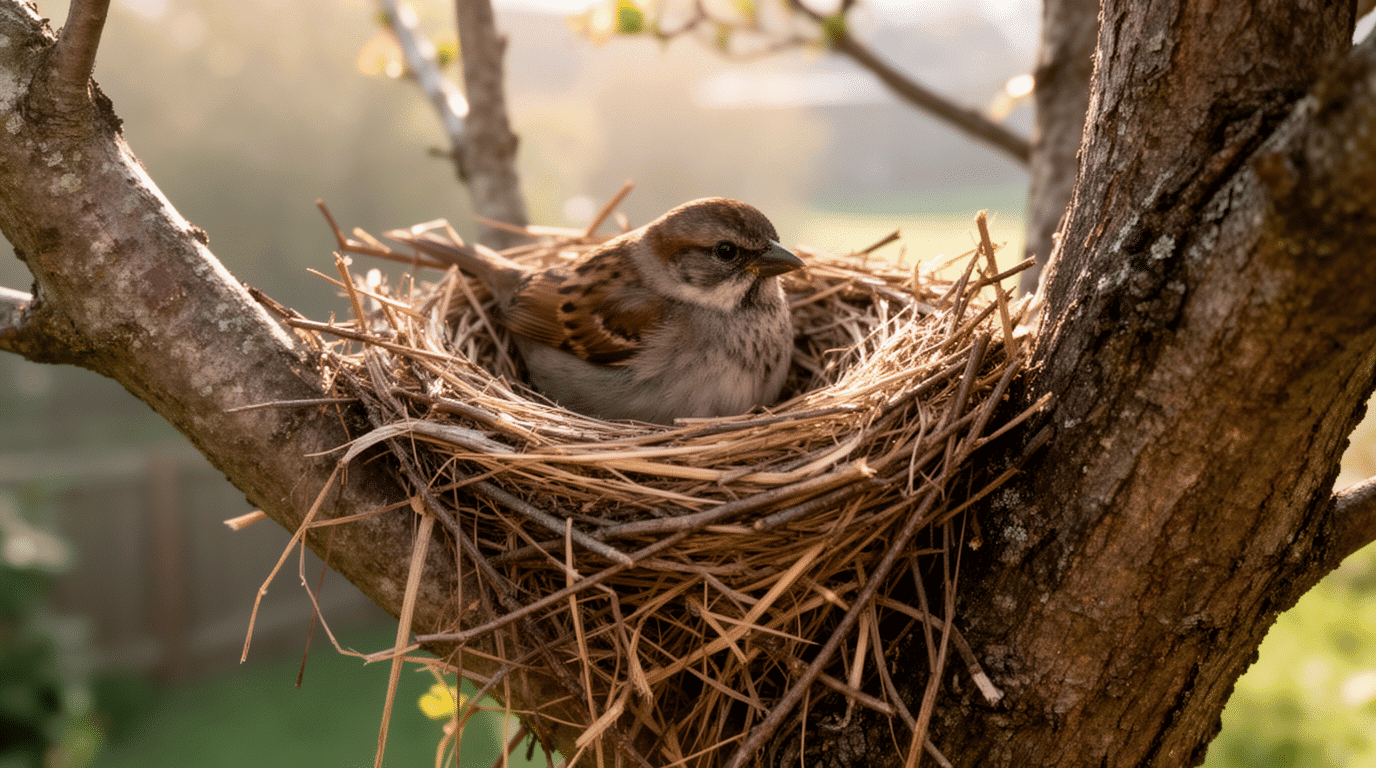
Birds use different materials to build nests. They use twigs, leaves, grass, and sometimes mud or feathers.
Some birds build open nests, while others make hidden or enclosed nests. Parents take turns sitting on eggs to keep them warm during spring bird nesting periods.
Types Of Bird Nests
Bird nesting season is the time when birds build nests to lay eggs and raise their young. Different birds create different kinds of nests based on their needs and environment.
Understanding types of bird nests helps us learn about bird behavior and how they protect their eggs and chicks.
Cup Nests
Cup nests are shaped like a cup or bowl. Birds build them with twigs, grass, and leaves. These nests are often found in trees or bushes and are common types of bird nests.
Cavity Nests
Cavity nests are built inside holes in trees or walls. Birds like woodpeckers and owls use these safe spaces to keep their eggs hidden from predators.
Ground Nests
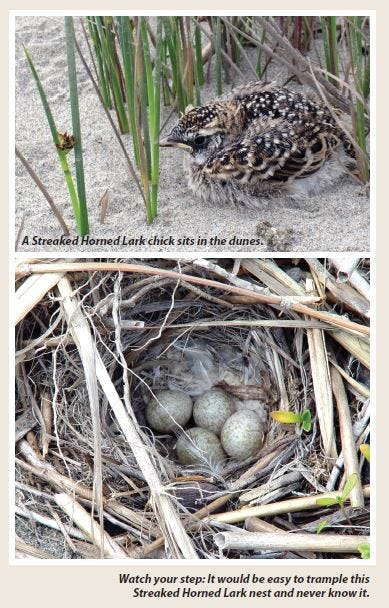
Some birds build their nests directly on the ground. These nests are usually made with grass or leaves and are influenced by bird nesting season timing.
- Often shallow and simple
- Use natural materials from the environment
- Relies on camouflage for protection
- Used by birds like plovers and killdeer
Platform Nests
Platform nests are large and flat. Birds stack sticks and branches to make a strong base. These nests can hold many eggs and chicks.
| Bird Type | Nest Material | Common Location |
| Eagles | Large sticks and twigs | High trees or cliffs |
| Ospreys | Sticks and seaweed | Near water bodies |
| Herons | Twigs and reeds | Tall trees or shrubs |
Nesting Materials And Construction
Bird nesting season is the time when birds build nests to lay eggs and raise their young. Birds use many materials and skills to create strong and safe nests.
The types of materials and building styles vary depending on the bird species and environment. These choices help protect the eggs and chicks.
Natural Materials Used
Birds collect natural items like twigs, leaves, and grass to build their nests. These materials are easy to find in their surroundings.
Some birds use softer items like feathers and moss to make the nest cozy and warm for the eggs.
- Twigs and small branches
- Dry grass and leaves
- Moss and lichen
- Feathers and animal fur
- Mud and clay for binding
Building Techniques
Birds use different ways to build nests. Some weave twigs tightly to make a firm base. Others pile materials in layers.
Many birds shape the nest like a cup to hold eggs safely. Some build nests in tree branches, while others dig holes or use cliffs.
- Weaving twigs and grass for strength
- Layering soft materials inside
- Shaping nests as cups or bowls
- Building nests in trees, bushes, or ground
- Using mud to glue materials together
Role Of Both Parents
Many bird species share nest-building duties. Both parents collect materials and build the nest together.
Working as a team helps finish the nest faster. After the nest is ready, both parents take turns caring for the eggs and chicks.
- Both parents gather nesting materials
- They build the nest side by side
- Share responsibilities in nest care
- Take turns warming eggs and feeding chicks
- Protect the nest from predators together
Behavior During Nesting Season
Bird nesting season is a special time when birds build nests and care for their eggs and chicks. Their behavior changes to protect their young and ensure their survival.
During this season, birds show different actions like guarding their territory, performing mating dances, and feeding their babies. These behaviors help their species grow.
Territoriality And Protection
Birds become very protective of their nesting area. They defend it from other birds and animals that may harm their eggs or chicks.
Some birds sing loudly or show aggressive behavior to warn intruders. Others build their nests in hard-to-reach places for safety.
- Chase away other birds
- Use loud calls to warn threats
- Choose hidden or high nesting spots
- Stay close to the nest to guard it
Mating Rituals
Mating rituals help birds find a strong and healthy partner. These rituals include dances, songs, and displays of bright feathers.
Male birds often show off to impress females. The female chooses a mate based on these performances and the quality of the nesting site.
- Colorful feather displays
- Complex songs or calls
- Dance movements or flights
- Nest building to attract partners
Feeding And Care Of Chicks
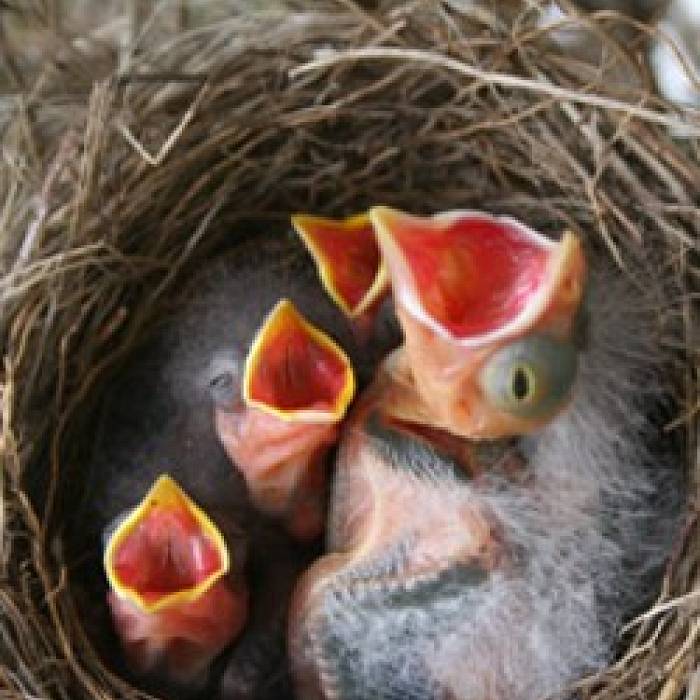
After eggs hatch, parent birds feed their chicks many times a day. They bring insects, worms, and seeds to help chicks grow strong.
Parents also keep the chicks warm and clean. They protect them from danger until they can fly and find food on their own.
- Bring food regularly to chicks
- Keep chicks warm by brooding
- Remove waste from the nest
- Teach chicks to fly and find food
Environmental Factors Affecting Nesting
Bird nesting season depends on many environmental factors. These factors help birds decide when and where to build nests. Understanding these can help protect bird habitats.
Changes in climate, habitat, and human activity all affect nesting. Each plays a key role in bird breeding success and survival.
Climate And Weather
Temperature and rainfall influence nesting times. Birds often start nesting when the weather is warm and food is available. Sudden storms or cold spells can harm eggs and chicks.
- Warm temperatures signal birds to build nests
- Heavy rain can flood nests or reduce food supply
- Windy days make it hard for birds to fly and gather materials
- Season length affects how many broods birds can raise
Habitat Changes
Birds need safe and suitable places to build nests. Habitat loss and changes can reduce nesting sites. Trees, shrubs, and wetlands are common nesting areas for many birds.
| Habitat Type | Nesting Impact |
| Forests | Provide shelter and food, key for many species |
| Wetlands | Important for water birds, offer safety from predators |
| Grasslands | Open areas for ground-nesting birds, risk from predators |
| Urban Areas | Limited natural sites, but some birds adapt well |
Human Impact
Human activities like construction, pollution, and noise disturb birds. These changes can cause birds to leave their nests or delay nesting. Protecting nesting areas helps bird populations thrive.
- Cutting down trees removes nesting spots
- Pollution harms birds and their food sources
- Loud noises scare birds away from nests
- Pets like cats can attack eggs and chicks

Credit: www.npr.org
How To Support Nesting Birds
Bird nesting season is a special time when birds build nests and raise their young. Many birds need quiet and safe places to nest successfully.
You can help birds by making your yard friendly for them. Supporting nesting birds helps keep nature healthy and lively.
Creating Bird-friendly Spaces
Make your garden or yard inviting for birds by planting native trees and shrubs. These plants provide shelter and safe spots for nests.
Leave some areas with natural materials like leaves and twigs. Birds use these materials to build their nests easily.
- Plant native flowers and bushes
- Keep areas with natural ground cover
- Install birdhouses or nesting boxes
- Avoid removing old trees with holes
Avoiding Disturbances
Keep a quiet space near nests during nesting season. Loud noises and sudden movements can scare birds away from their nests.
Do not touch or move bird nests. Birds may abandon their eggs or young if they feel threatened.
- Stay away from nesting areas
- Keep pets like cats indoors or supervised
- Limit yard work near nests
- Avoid pruning trees or shrubs with nests
Providing Food And Water
Offer fresh water in shallow dishes or birdbaths. Birds need water for drinking and cleaning their feathers.
Provide natural food sources like seeds, berries, and insects. Healthy food helps parent birds feed their babies well.
- Keep birdbaths clean and refill often
- Plant berry-producing shrubs
- Use feeders with seeds and suet
- Grow plants that attract insects
Common Challenges And Threats
Bird nesting season is a critical time for many bird species. Birds face many challenges that can harm their eggs and chicks.
Understanding these threats helps us protect birds and support their survival during this sensitive period.
Predators
Predators are one of the main threats to birds during nesting season. They often look for eggs and young birds to eat.
Common predators include snakes, raccoons, cats, and other birds. They can destroy nests quickly and reduce bird populations.
- Snakes eat eggs and chicks inside nests.
- Raccoons climb trees to reach nests.
- Domestic cats hunt birds near homes.
- Other birds may steal eggs or attack chicks.
Parasites And Diseases
Parasites and diseases can harm birds during nesting season. They weaken both adult birds and their young.
Parasites like mites and lice live in nests. They cause discomfort and can spread infections. Diseases may also spread easily in crowded nesting areas.
- Mites and lice irritate birds and cause feather loss.
- Fungal infections can grow in damp nests.
- Diseases like avian flu spread quickly among birds.
- Weakened birds have less chance to raise chicks.
Nest Abandonment
Birds may leave their nests before eggs hatch. This is called nest abandonment and can happen for many reasons.
Disturbance by humans or predators often causes birds to abandon nests. Bad weather and lack of food also force birds to leave.
- Loud noises scare birds away from nests.
- Predator visits cause fear and abandonment.
- Heavy rain or storms flood nests.
- Food shortages make parents leave to find food.
Credit: wdfw.medium.com
Fascinating Nesting Facts
Bird nesting season is a special time when birds build nests to lay eggs and raise their chicks. This season happens in spring and early summer for many birds.
During this period, birds show amazing behaviors and skills to protect their young and create safe homes. Let’s explore some interesting facts about bird nesting.
Record-breaking Nests
Some birds build the biggest or most unique nests in the world. These nests can be very large or very strong.
The largest nest ever found was built by a pair of bald eagles. It was over 9 feet wide and weighed more than a ton.
- Bald eagle nests can be reused and added to for many years.
- Weaver birds build nests that hang from tree branches.
- Some birds use mud, sticks, and even spider webs to build nests.
Unique Nesting Behaviors
Birds use different ways to build nests and protect their eggs. Some birds show surprising behaviors during nesting season.
For example, some birds hide their nests well to avoid predators. Others work together in groups to guard their nests.
- Penguins keep their eggs warm on their feet.
- Some birds build nests underwater.
- Male birds of some species build nests to attract females.
Cultural Significance
Bird nests often appear in stories, art, and traditions. They symbolize home, safety, and new life.
Many cultures celebrate birds and their nests as signs of spring and hope. Nesting birds inspire people to care for nature and wildlife.
- Nests represent family and protection in many cultures.
- Bird nesting is linked to fertility and growth in folklore.
- Artists use bird nests as symbols in paintings and crafts.
Credit: northhouse.org
Frequently Asked Questions
What Is Bird Nesting Season?
Bird nesting season is the period when birds build nests, lay eggs, and raise chicks. It usually occurs in spring and early summer. During this time, birds are most active in creating safe homes for their offspring to ensure their survival.
When Does Bird Nesting Season Start And End?
Bird nesting season typically starts in early spring and ends by late summer. The exact timing varies by species and location. Warmer climates may see earlier nesting, while colder areas experience later starts, aligning with food availability and weather conditions.
Why Is Bird Nesting Season Important?
Bird nesting season is crucial for species reproduction and population growth. It ensures new generations of birds survive and thrive. Protecting nesting sites during this time helps maintain biodiversity and supports healthy ecosystems.
How Can I Protect Birds During Nesting Season?
To protect birds, avoid disturbing nests, keep pets away, and minimize noise near nesting areas. Plant native vegetation and provide water sources. Respect local wildlife laws and educate others about the importance of nesting season.
Conclusion
Bird nesting season is a special time in nature. Birds build nests, lay eggs, and raise chicks. This time is crucial for bird populations. Protecting habitats helps birds thrive. Simple actions make a big difference. Keep pets indoors and avoid disturbing nests.
Educate others about bird nesting. Awareness leads to better conservation efforts. Respect for nature ensures future bird generations. Witnessing nesting can be a rewarding experience. It connects us to the natural world. Remember, every small effort counts. Let’s safeguard these amazing creatures and their habitats.
Together, we can support bird life and biodiversity.